13–18-Month-Old Puppy: What to Expect (Vet-Reviewed Care Guide)


In this article
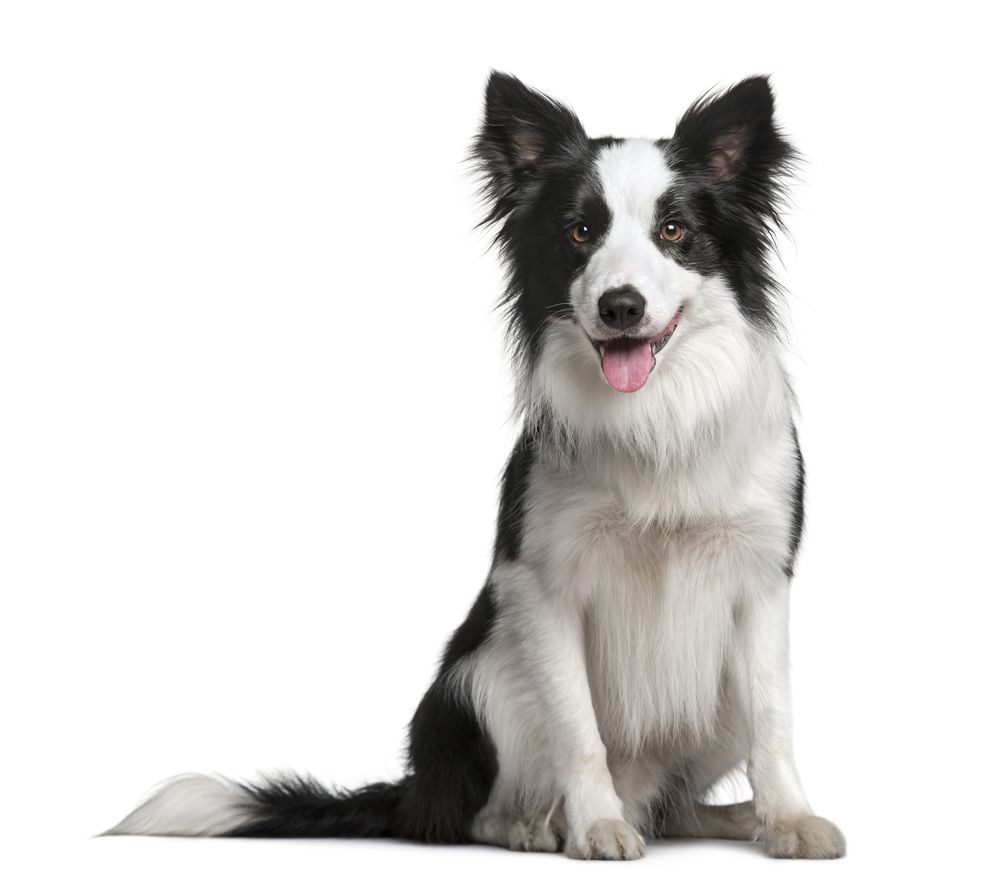
View 6 More +Owning a pet can be incredibly fun, but it can also be a great deal of work, especially if you're a new pet owner and aren’t sure what to expect. As your puppy turns into an adult, they will go through multiple changes, and while many dogs are nearly adults by the 13-month mark, they still have a bit of growing to do.
If your pup is approaching this age, we discuss their diet, size, exercise, sleep needs, and more here to help you be better prepared.

Diet: Nutritional Needs and Adjustments

If your small to medium-sized breed dog is still eating puppy food, this is the time to start switching over to adult food. Focus on high-quality foods that provide a balanced diet and have real meat like chicken or beef listed as the first ingredient. Other desired ingredients are omega-3 fatty acids, which can also help support brain development, joint health, and a shiny coat.
A regular feeding schedule, if your puppy doesn’t already have one, will help regulate their digestion and monitor their health and habits. You should also control their portion sizes and daily calorie intake to support their healthy growth but prevent overfeeding, which can lead to obesity.
Tips
- Ask a vet for food recommendations specific to your pet.
- Slowly transition their diet, mixing more new food with less old food to get them used to it and avoid digestive issues.
- Choose high-quality dog food that meets AAFCO guidelines to ensure that it meets nutritional standards.
Size: Growth and Development

Small breeds are fully grown by 1 year of age, while medium-sized dogs may continue to fill out a bit, gain a few more pounds, and become more muscular. Large dog breeds, such as the German Shepherd, Great Dane, Akita, Saint Bernard, Newfoundland, Rottweiler, and others, develop more slowly than small breeds and will continue to grow until they’re about 18–24 months.
Tips
- Regularly weigh your puppy to ensure that they're on a healthy growth curve, and adjust food intake accordingly.
- Use a measuring cup to portion your pet’s food to avoid overfeeding.
- Talk with a vet about the appropriate steps to take if you notice that your dog is above the recommended weight for their age.
Exercise: Physical Activity and Training
Puppies have a huge amount of energy and require a great deal of exercise, but you usually need to break up the sessions into shorter ones, so they won’t be too hard on your dog’s body. By this point, your 13-month-old dog can do longer exercise routines, meaning you can start going on lengthy hikes together, taking them swimming, and engaging in other, more strenuous activities.
You will also want to continue your training and grooming sessions. Many owners like to hold their sessions after exercise to help keep the dog more focused, so you may need to update your routine.
Tips
- Structured play and exercise promote bonding and will help your dog burn off excess energy, which could otherwise cause problems with behavior and training.
- Use puzzle toys and training games to keep their mind stimulated.
- Provide plenty of positive reinforcement in the form of treats, pets, and praise to help your pet understand when they do something right and to keep them interested in learning new tricks.
Sleep: Rest Patterns and Needs

By 13 months, you'll likely notice a sleep regression with your dog taking fewer naps throughout the day and sleeping longer at night, though they will likely still take naps when nothing is going on. Ensure that they have plenty to do during the day and plenty of toys to play with, which can help prevent them from becoming bored.
Also, make sure they have a comfortable and quiet place to rest at night while they sleep. Expect your adult dog to spend about half their day sleeping, with older dogs sleeping even more.
Tips
- Maintain a consistent bedtime routine to help your puppy know when it’s time to wind down.
- Start winding down about 30 minutes before bedtime by turning down the lights and reducing the volume on the television to help cue your pet that it’s getting late.
- Always take out your pup for one last potty break right before bedtime to prevent nighttime accidents and ensure that they’re comfortable through the night.
Behavior: Personality and Socialization

Your dog’s unique personality will emerge at 13 months and will continue to evolve as they experience daily life. However, large breeds may be a bit behind and can still be developing at 18 months. You may experience adolescent behavior like boundary testing and stubbornness, which consistent training can help with, but otherwise, they will behave more like an adult dog.
Ensure that your pup is in a happy, safe environment with plenty of access to other people, places, and environments to help them be more friendly and outgoing.
Tips
- Avoid punishing your dog if they misbehave, as it could cause fear or even aggression. Instead, ignore bad behavior when possible, and provide treats and praise when they do something right to help encourage them to do that instead.
- Continue to train consistently throughout your pet’s life, as it helps provide the mental stimulation that dogs need, especially if they are one of the more intelligent breeds, like a Border Collie, Poodle, or German Shepherd.
- Be patient with your pet, as they are learning. Plenty of development is still occurring after 13 months and even after 18 months, in many cases.
Health: Veterinary Care and Preventive Measures

If your larger-sized dog or smaller breed dog hasn’t been fixed yet, it is very important to take care of these sexually mature juveniles. While some vets prefer to wait until the dog matures a little bit more, it is critical to prevent early and unplanned puppy litters. In the meantime, keep a close eye on them and remember to check in with the vet to schedule their neutering/spaying surgery as recommended by your veterinarian and according to their breed’s maturity age.
Remember to schedule any necessary annual vaccine boosters according to when they completed their puppy schedule.
You will also want to begin focusing on dental health. If you haven't started yet, please do not wait any longer to incorporate teeth brushing into their grooming routine with a pet-safe toothpaste.
Also, get them used to the occasional bath with a high-quality pet shampoo that will help reduce odors and improve shine.
Tips
- If still pending, discuss the best timing of spaying or neutering with your veterinarian.
- Choose healthy treat options, and limit them to no more than 10% of your pet’s daily calories.
- Consider microchipping your pet, which can help improve the chances that you will get them back if they get lost.
- Consider pet insurance to help cover unexpected veterinary expenses.

Frequently Asked Questions
Is It Normal for My Dog to Still Be Chewing Everything at This Age?
Yes, adolescent dogs may continue chewing due to the teething process, and it’s also how they explore their environment. If you yell at them when they chew, it might also be a way that they get your attention. Providing them with plenty of appropriate chew toys can help, especially when they get a treat or praise after picking a toy.
Why Is My Dog Ignoring My Commands?
Adolescent dogs often test boundaries, which can make it seem like their training is failing. However, it’s just a passing phase, and staying consistent with your commands will likely win out. However, if you feel that you need help, consulting with a professional trainer can often get great results.
Is It Too Late to Socialize My Dog?
It’s never too late for socialization. Continue exposing your dog to new experiences and environments in a controlled, positive manner to improve their social skills with other people and pets and to help them feel more comfortable in new environments.
Summary
While most dogs are nearly fully grown at 13 months, they can still go through many changes physically and mentally before they reach 18 months. Large dogs can continue to grow, while small dogs will start to fill out into their adult bodies. They should be switched to adult food and start taking fewer naps throughout the day, which means they will need more to do.
You may also start to see their adult personality shining through, with many dogs acting like teenagers and testing boundaries and limits, which can lead to problematic behavior. However, they will start settling into adulthood after 18 months and will be ready to be your lifelong companion.
See also:
Sources
https://www.akc.org/expert-advice/nutrition/fish-oil-for-dogs/
https://www.akc.org/expert-advice/health/when-does-my-puppy-finish-growing/
https://www.akc.org/expert-advice/health/how-much-exercise-does-dog-need/
https://www.petmd.com/dog/general-health/how-many-hours-does-dog-sleep-day
https://www.akc.org/expert-advice/training/puppy-growth-timeline-transitions-puppyhood/
https://www.preventivevet.com/dogs/how-to-help-adult-dog-with-socialization
Featured Image Credit: otsphoto, Shutterstock
Expert dog care, straight to your inbox
News, insights, expert advice, and everything dog.

No spam — unsubscribe anytime.
By signing up, you agree to our Terms & Conditions and Privacy & Cookies Policy.
How useful was this post?
Click a star to rate. You can leave written feedback afterwards. (We read all feedback.)

Ed Malaker is a seasoned writer who has contributed to a wide range of blogs covering everything from tools to guitars, and pets to fitness. When Ed isn't writing, he is usually making DIY projects around the house or working in the garden.