Experts recommend socializing a dog when they are young. However, not all dogs are put in situations where they receive proper socialization when they are puppies. Many people will get adult dogs from shelters or rescue groups, and some of these dogs are not properly socialized. The good news is that you can socialize an adult dog. Here are some tips and tricks that you can use to help socialize an adult dog, including places to go, general tips, and expectations to set for yourself and your dog.

The 11 Tips on How to Socialize an Adult Dog
1. Go Slow
When socializing an adult dog, it is important to go slow. Adult dogs are more set in their ways and are less open to socialization than young dogs. Some tactics that work with young dogs won’t work with adult dogs. You want to go slowly and ensure that your dog is comfortable throughout the process. Socializing an adult dog will take longer than with a young dog. Don’t get frustrated. Progress is possible, but it might not materialize right away.
2. Set Goals
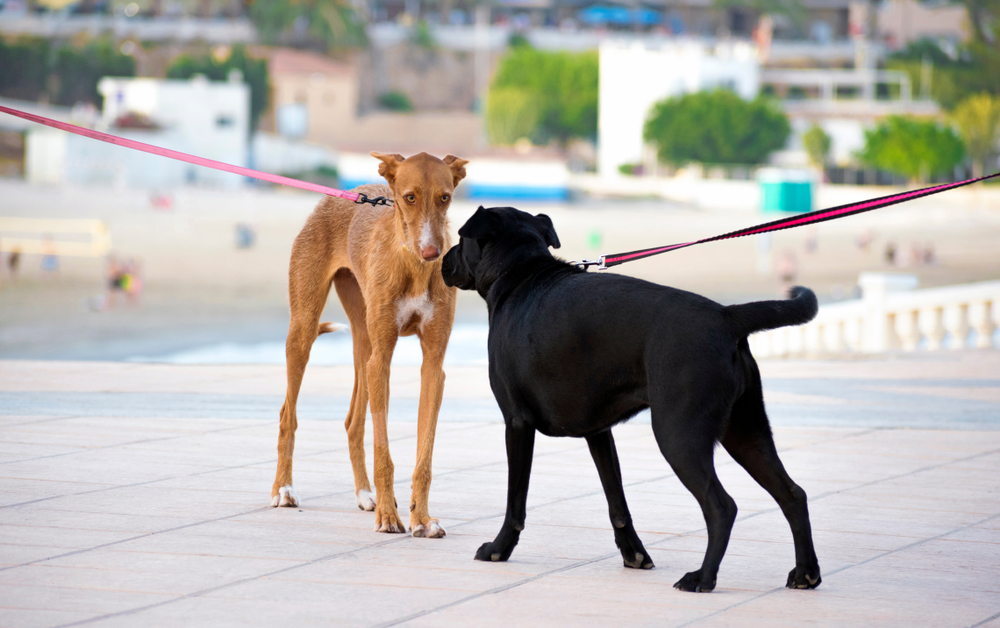
When socializing an adult dog, it is important to set goals to keep you and your dog focused. Why are you socializing your dog? This is an important question to ask yourself and find an answer. Do you want them to be comfortable around people, children, or other dogs? Do you want your dog to be friendlier at home, or do you want to be able to take your dog out and about? These answers will help to guide your socialization efforts. Adult dogs might not be able to reach the level of socialization as puppies, so setting a goal is important. You might not be able to get your adult dog to feel comfortable in all social situations, so focusing on the ones that are most important to you, your family, and your lifestyle is critical.
3. Be Prepared to Work Hard to Create Positive Experiences
One of the keys to socializing an adult dog is to work hard to create positive experiences. Adult dogs can come with a lot more baggage than puppies. They have memories, bad experiences, and strong triggers. If you are not careful, you could accidentally turn a socialization event into a bad experience, which can be counterproductive. For example, if you take your dog to the dog park and they end up getting into it with another dog, it can create a negative association with the dog park, which will make it much more difficult to go back and thus undo a lot of socialization work. You need to be wary and diligent when socializing an adult dog. You should also always have a leash and treats on you so that you can easily control, redirect, and reward your dog for the best experiences possible.
Creating positive experiences can take foresight, planning, and discipline, but it will be worth it in the end.
4. Don’t Flood
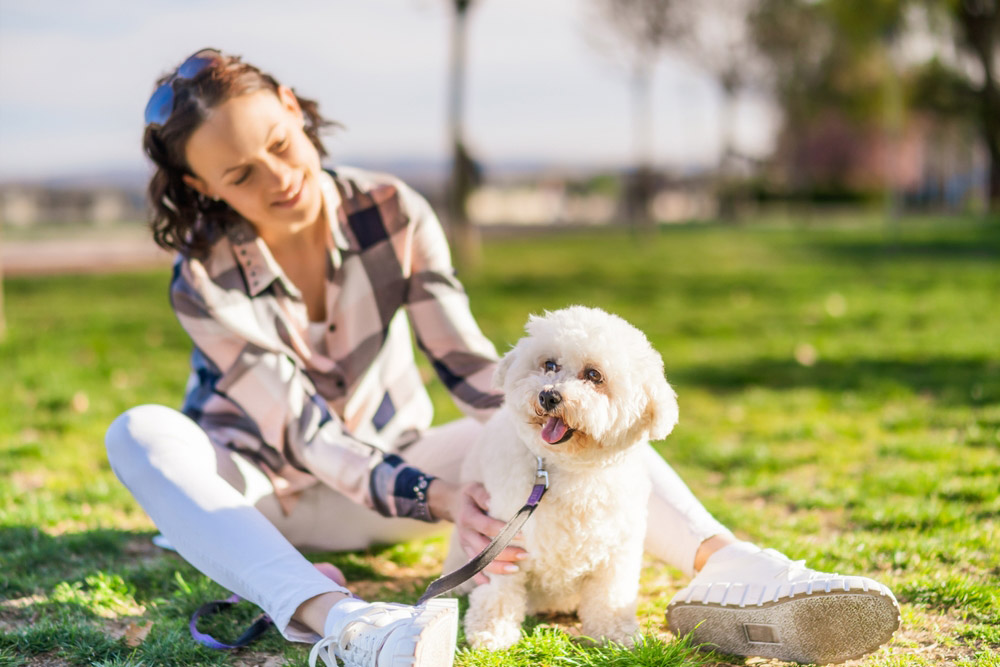
Flooding is a strategy in which you bombard your dog with new experiences in the hopes that it intentionally overwhelms them. In young dogs, this can be an effective way to get them used to the hustle and bustle of their new life. In adult dogs, it can be counterproductive. You should not flood an adult dog. This is why it is important to set a goal and focus your efforts on a specific path so you can avoid flooding and train them in a way that is going to be most beneficial to you.
5. Identify Your Dog’s Triggers
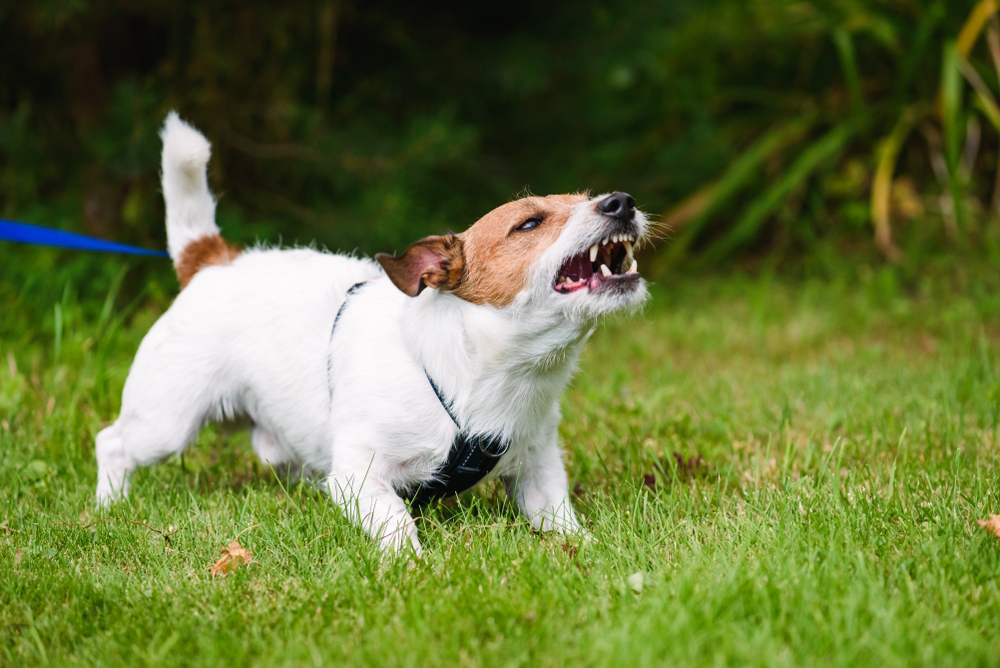
Unsocialized adult dogs can present a range of poor behaviors, including disobedience, growling, barking, aggression, and even biting. Unsocialized dogs feel higher levels of fear and anxiety than socialized dogs, which can manifest as undesirable behaviors. These behaviors are typically triggered by certain events. Some dogs don’t like strangers. Other dogs don’t like animals. Before a dog gets to the point where they are acting out, they will usually show signs. Knowing your dog’s triggers and the signs that show they are about to act out is important. When you notice a potential trigger or a sign that your dog is going to start misbehaving, you should work to redirect your dog.
You can redirect your dog by physically leaving the area, you can distract them with praise or treats, or you can have them sit and focus on something else. Every dog is different, and some dogs will respond to different strategies better than others.
6. Go on Plenty of Walks
No matter what age you are socializing a dog at, walks are a great way to help the process. Walks provide a number of benefits. First, walks give your dog a structured and routine way to get out of the house and experience new sights and sounds. Second, walks have an air of unpredictability that can be helpful for your dog. You never know who or what you might run into on a regular walk. This can help teach your adult dog that certain things, like strangers or other dogs, are not scary and are a regular part of life. When socializing an adult dog, you should walk them at least twice a day, and ideally, you should try to take them out three times a day. Even if the walks are short, they are still beneficial.
7. Introduce Your Dog to Other Dogs
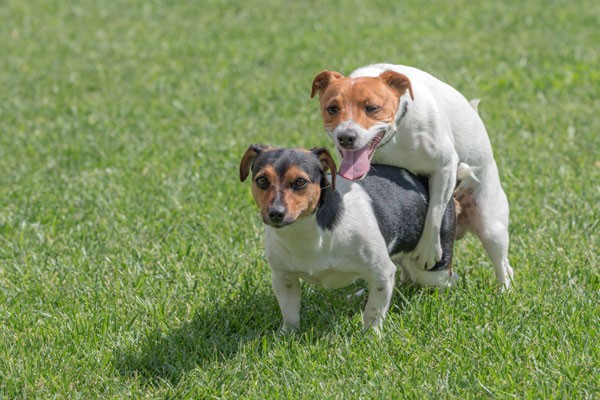
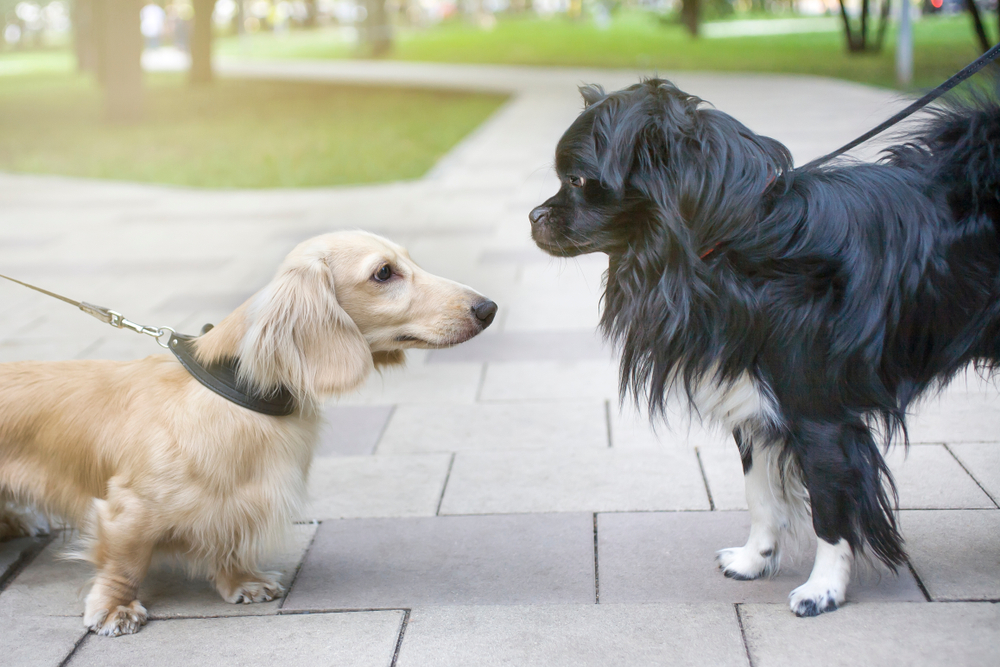
Isolating your dog from other dogs can be detrimental to their socialization progress. If you want your dog to be friendly around other dogs, you will eventually need to introduce them. Ensure that the dog you are introducing your dog to is a dog that you know. Keep your dog on a leash and let them greet one another. If your dog acts calmly, reward them. If they start getting triggered, redirect them and refocus them on something else. You want to build a positive association with other dogs and redirect bad behaviors. Introducing your dog to other dogs in a controlled environment is key to socialization. You do not want to introduce your dog to strange dogs or dogs that you do not know or that are in an uncontrolled environment.

8. Introduce Your Dog to Other People
If you want your dog to eventually be calm around people, including strangers, you will have to start introducing them to unfamiliar people. Just as with other dogs, you want to introduce your dog to people in a controlled environment. Using a family member or friend is a good way to start. Get someone to come over and let them know you are trying to socialize your dog. Let your dog greet the person (while leashed), redirect bad behaviors, and reward good behaviors. You can also practice ringing the doorbell and heading off unwanted behaviors while rewarding calm behaviors. Make sure everyone knows what is going on so that they are not surprised when you let your dog greet them or come up to them.
9. Visit the Dog Park
Some experts caution against going to the dog park with an unsocialized dog because it has the potential to present various triggers. However, if you do not ever go to the dog park, your dog will never learn how to behave in those kinds of situations. If you want your dog to be able to go out in public and interact with other people and dogs, the dog park can be a great place to hone your socialization. It is important to note that the dog park is not going to be a good fit for every dog and some people have no desire to go to the dog park. If you want your dog to be able to play in public and if you enjoy the dog park, you should feel it out. But if you don’t have any interest in the dog park, you do not have to take your dog there in order to socialize them.
10. Experience Doggy Daycare
Once you are confident that your dog’s socialization is progressing in a way that you feel good about, you may consider a visit to doggy daycare. This is likely best not done as a drop them off and leave, situation, but simply as a visit for an hour, while you wait, and allow your dog to experience new people and situations. This will help bring different parts of your socialization effort together. This can be a good way to help teach your dog that the world is not scary. Once your dog is fully socialized, you may progress to using doggy daycare.
11. Contact a Professional
When in doubt, contact a professional. There are a number of dog trainers in every area that specialize in socialization and adult dog training. If you are struggling to see results with your dog on your own, there is no shame in reaching out for professional help. You can leave your dog with a dog trainer to help get the socialization results that you are looking for. Be aware that adult dog training can be expensive. Dog training can run anywhere from $15 to $50 an hour which can add up over time. If you want to use a professional trainer, you will want to budget some money to ensure that you have enough to cover the costs.
If you need to speak with a vet but can't get to one, head over to PangoVet. It's our online service where you can talk to a vet online and get the advice you need for your pet — all at an affordable price!


Can Adult Dogs Be Socialized?
Yes. Adult dogs can be socialized. However, socializing an adult dog can take longer than a young dog. Some dogs, depending on their past experiences and temperament, might not be able to reach a level of socialization that can be obtained by a puppy. All adult dogs can progress with socialization, but they might have walls or barriers that are not easy to break through. This is why it is important to set goals and have realistic expectations before trying to socialize an adult dog.
Benefits of Socialization
Socialization has a number of benefits for both the dog and the owner. Socialized dogs are more adaptable, better behaved, and less anxious than unsocialized dogs. This can make the dogs easier to handle and will put dog owners at ease. An unsocialized dog can be a social burden and it can be stressful for people to have others watch their dog or to take their dog out in public. Socialized dogs are typically less aggressive and less prone to poor behavior than unsocialized dogs.
Conclusion
It is possible to socialize an adult dog, but it can be a tricky process. Socializing an adult dog can take weeks or longer. These tips will help you socialize an adult dog with the hopes that they will improve their behavior to better fit your lifestyle. Every dog is different, and not all of these tips and tricks will work with every dog, but these general ideas should form a good foundation for working with almost any dog.
Featured Image Credit: Kristi Blokhin, Shutterstock
 The 11 Tips on How to Socialize an Adult Dog