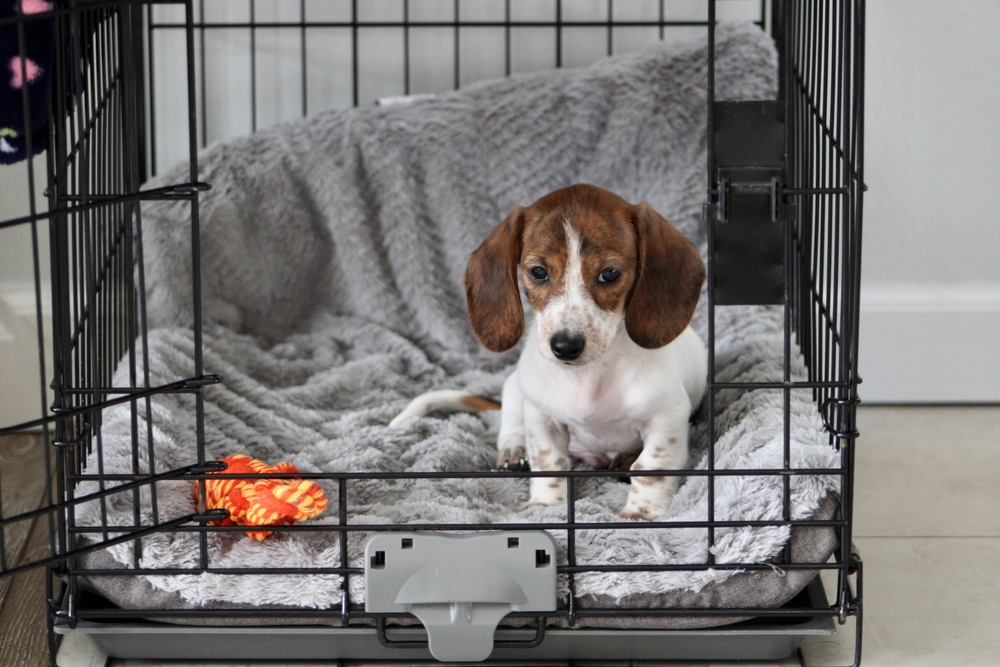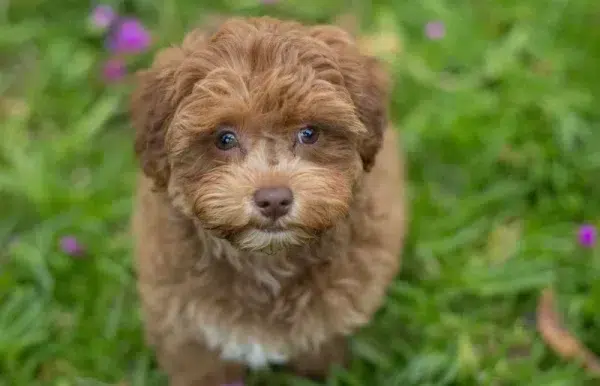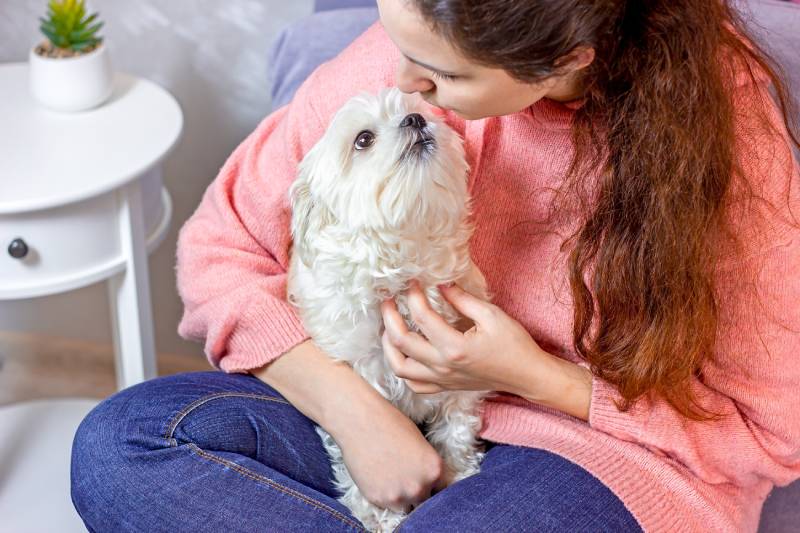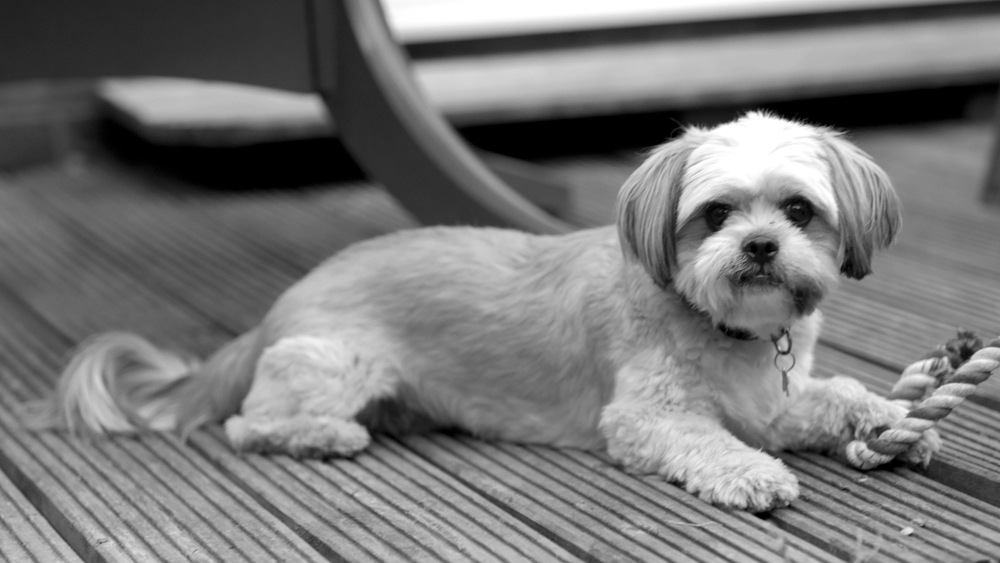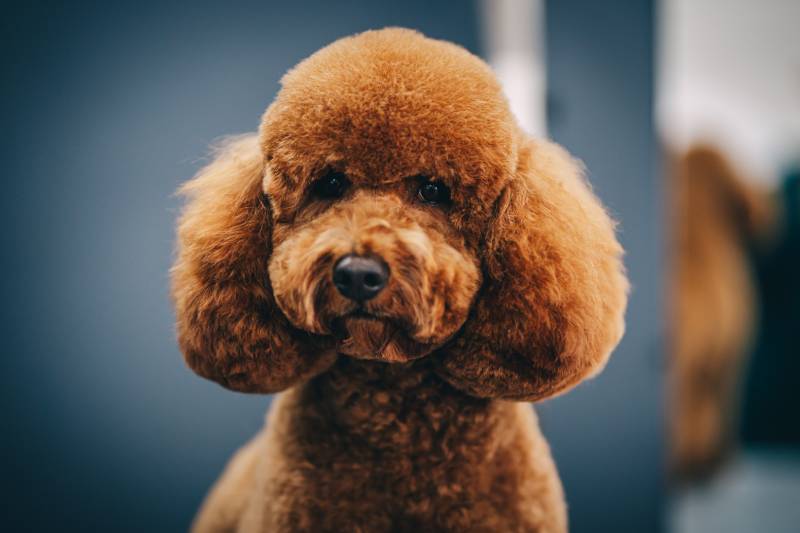
Teddy bear dogs are hugely popular with people from all walks of life. They’re often little with soft facial features and wavy or curly coats, but, at the same time, teddy bear dogs are pretty diverse because they descend from various breeds. As such, many types of dogs fit into the teddy bear dog category.
Read on to learn more.

How Are Teddy Bear Dogs Classified?
The term “teddy bear dog” does not refer to a single breed; it pretty much describes any dog with teddy bear-like features such as gentle eyes, little noses, and often fuzzy or fluffy coats.
They’re typically made up of a mix of small breeds to achieve a certain look (so-called “designer” or “hybrid” dogs), but pure-breed dogs (like the Bichon Frise) and some large dogs (like the Chow Chow) can also have teddy bear features, so it is a broad umbrella. Nevertheless, most people think about small dogs when they hear the term.
The 15 Teddy Bear Dog Breeds
1. Bichon Frise

| Origin: | Tenerife (likely) |
| Lifespan: | 14–15 years |
| Height: | 5–11.5 inches |
Today’s Bichon Frise descends from small dogs believed to have been developed in Tenerife along with other Barbichon-type dogs. These small, charming white dogs—known at the time as “Bichon Tenerife Dogs”—made their way to Italy, Spain, and France in the 1400s where they quickly became popular with the nobility.
Bichon Frise has long been renowned for its ability to charm everyone in its path with their cuteness, friendliness, and playfulness. They’re also very adaptable dogs and do well in homes of all sizes as long as they get enough daily exercise.
2. Morkie

| Origin: | United States |
| Lifespan: | 10–16 years |
| Height: | 6–8 inches |
The Morkie is a cross between a Yorkshire Terrier (Yorkie) and a Maltese, and is what’s known as a “designer breed”. They first started to be bred in the 1990s as companion dogs and are famous for possessing both the spiritedness of the Yorkshire Terrier and the affectionate, people-loving Maltese disposition.
The Yorkie-Maltese blend has also created a dog with distinctive teddy bear-like facial features. Don’t be fooled, though—these dogs can be little firecrackers and need patient and consistent training and socialization.
3. Maltipoo

| Origin: | Unknown, Malta (Maltese), Germany (Poodle) |
| Lifespan: | 10–15 years |
| Height: | 8–14 inches |
Unsurprisingly, the elegant, affectionate Maltese is often selected for creating “designer” breeds. One of the most well-known and beloved of these mixes is the Maltipoo—a Maltese crossed with a miniature or toy Poodle.
The epitome of the pampered pooch, the Maltese was once popular with royalty. By contrast, the Poodle has strong working roots as a water retriever. The name was inspired by the German word, “Pudelin”, meaning “to splash in water”. The mix of the two breeds has created a versatile, wavy, or curly-coated little dog that comes in an assortment of colors.
4. Goldendoodle

| Origin: | Australia & United States |
| Lifespan: | 10–15 years |
| Height: | 10–14 inches (toy), 21–25 inches (standard) |
A combination of the Poodle and the Golden Retriever, the breeding of the Goldendoodle may have been inspired by the Labradoodle, a popular companion and service dog.
Goldendoodles were bred to have low-shedding coats (though coat types can vary as this hybrid is so versatile) and to inherit the parent breeds’ intelligence, eagerness to please, and sociability. Their personalities tend to perfectly suit their teddy bear looks as they’re often real softies.
Goldendoodles come in shapes and sizes ranging from toy to standard, with toy Goldendoodles standing at around 10–14 inches while the standard Goldendoodle can grow up to around 25 inches tall.
5. Cockapoo

| Origin: | United States |
| Lifespan: | 12–15 years |
| Height: | Up to 15 inches (miniature), 16 inches or more (large) |
Of all the “designer” dog breeds, the Cockapoo dates back the farthest. These dogs are a blend of Poodle and American Cocker Spaniel and were originally bred in the United States in the 1950s or 1960s for companionship. Like Goldendoodles, they’re often low-shedding, though this can vary because there are a number of possible coat types these dogs can inherit.
Cockapoos are generally described as being lovable, sweet, intelligent, and merry. The parent breeds were both originally developed for work purposes as water retrievers (Poodle) and bird hunters (Cocker Spaniel). The “Cocker” part of the breed’s name was inspired by this spaniel’s aptitude for woodcock hunting.
6. Pomeranian

| Origin: | Pomerania region (Poland & western Germany) |
| Lifespan: | 12–16 years |
| Height: | 6–7 inches |
The Pomeranian is a purebred dog with origins in the historical Pomerania region, which is situated in both Poland and Germany. A companion dog, the tiny Pomeranian has warmed many a lap, including royal ones; Queen Victoria was a big fan of the breed and made sure to bring some Poms back from Florence, Italy after first encountering them there.
Pomeranians don’t seem to have forgotten that they were once royal favorites, often being described as spunky and bold as well as friendly and sociable. They’re very adaptable and are happy anywhere they get plenty of attention and the right amount of exercise.
7. Schnoodle
| Origin: | United States |
| Lifespan: | 12–15 years |
| Height: | 10–12 inches (toy), 15–26 inches (standard) |
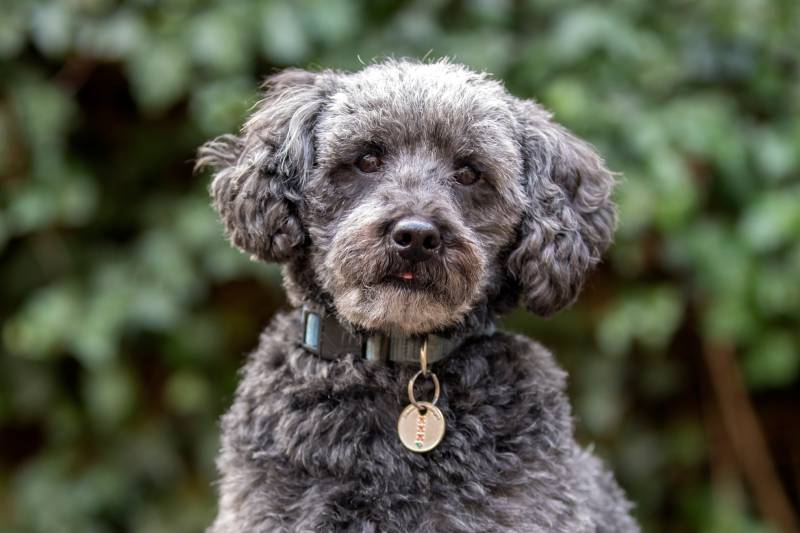
The quirky name truly does this merry, extraverted, good-humored dog justice. Created by pairing Poodles and Schnauzers, the Schnoodle is a versatile, intelligent dog that can be as little as 10 inches in toy form to as big as 26 inches (standard) or even more if one of the parents is a giant Schnauzer. Some Schnoodles fall somewhere in between these sizes.
While Poodles were originally bred as hunting dogs, Schnauzers were developed as farm assistants with various roles including herding, ratting, and guarding. The breed dates back to the 15th century but may have been around even earlier.
8. Lhasa Apso

| Origin: | Tibet |
| Lifespan: | 12–15 years |
| Height: | Up to 10–11 inches |
The Lhasa Apso is an ancient dog breed that originated in Tibet where they once commonly stood guard at Buddhist monasteries. Originally, they were called “Abso Seng Kye” which translates to “Bark Lion Sentinel Dog”, and the current name, Lhasa Apso, comes from Lhasa, a sacred Tibetan city, and the word for “longhaired dog” (Apso).
Lhasa Apsos come in a wide variety of colors including black and tan, golden, red, blue, and grizzle to name a few. They’re often said to be something of a mix when it comes to character traits, being described as independent and dignified with a hint of stubbornness but also fun-loving, cheerful, and affectionate with their families.
9. Malshi

| Origin: | Australia |
| Lifespan: | 12–15 years |
| Height: | About 10 inches |
If you cross a Maltese and a Shih Tzu, you get a Malshi, a dog around 10 inches in height and up to 12 pounds in weight. Today, Malshis are popular in the United States, though they were originally bred in Australia, their development beginning around 1990.
Malshis aren’t big shedders since neither the Maltese nor the Shih Tzu shed a lot, and this may account partly for why, like Doodle hybrids, they’re quite sought-after. Well-socialized Malshis are often cuddly, adaptable, and friendly with everyone, including kids and other pets.
10. Shih Tzu
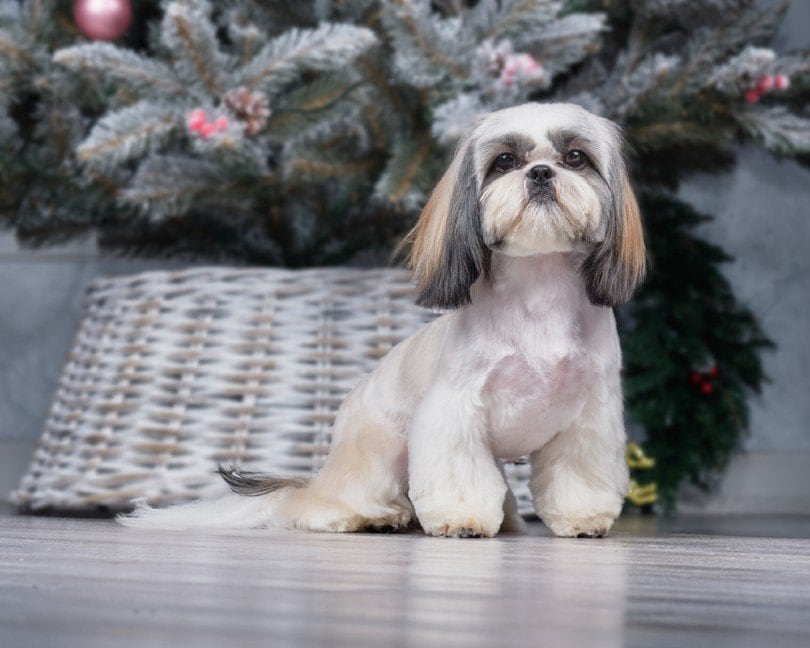
| Origin: | Tibet |
| Lifespan: | 10–18 years |
| Height: | 9–10.5 inches |
Shih Tzus (meaning “little lion”) are possible descendants of the Lhasa Apso and the Pekingese. They were developed from Tibetan dogs by imperial Chinese breeders and went on to live a life of luxury as royal favorites. Emperors treated their Shih Tzus very much as members of the family, and their breeders were generously rewarded.
In modern times, the Shih Tzu has remained ever popular with dog lovers, including—in keeping with their role as royal favorites—Queen Elizabeth II. They’re playful, loving dogs that may look dainty but are surprisingly athletic.
11. Cavachon

| Origin: | North America |
| Lifespan: | 10–15 years |
| Height: | 12–13 inches |
The Cavachon is a cross between a Cavalier King Charles Spaniel and a Bichon Frise that first came about in North America in 1996. Like most “designer” breeds, they were developed to be versatile, adaptable, and generally easy to live with. This typically involves having moderate exercise needs, not shedding much, adapting well to apartment life, and having a nice temperament.
Cavachons are generally sweet-natured, playful, and quiet, having a low tendency to bark excessively (as long as their needs are met, of course). They don’t usually get any bigger than 12–13 inches.
12. Chow Chow

| Origin: | China |
| Lifespan: | 8–12 years |
| Height: | 17–20 inches |
The impressive Chow Chow is an ancient Chinese breed famous for possessing features that could be described as a mix of teddy bear-like and lion-like; they’re certainly cute but carry themselves with an air of quiet dignity. Chow Chows may date back even further than the Han Dynasty era, and other Spitz-type breeds probably descend from them.
Historically, Chow Chows have been royal companions, guard dogs, hauling, and farm working dogs. Today, they make wonderful, loyal family companions when properly socialized, though they are known for being reserved and aloof around strangers. They’re also pretty adaptable and content to live anywhere as long as they’re properly cared for and exercised.
13. Shorkie

| Origin: | United States |
| Lifespan: | 11–16 years |
| Height: | 6–14 inches |
Another “designer” breed, the charming Shorkie was created by crossing Yorkshire Terriers with Shih Tzus. The result is a small dog weighing between 5 and 15 inches with bags of personality; this is a dog that doesn’t know (or care) how small they are! Their terrier ancestry has imparted feistiness and confidence while their Shih Tzu ancestry has contributed charm and perkiness.
Shorkies tend to be pretty energetic and, like all other dogs, need daily walks and exercise to release pent-up energy to prevent them from becoming destructive.
14. Sheepadoodle

| Origin: | United States |
| Lifespan: | 12–15 years |
| Height: | 18–22+ inches |
It’s hard to imagine a pooch more teddy bear-like than the Sheepadoodle, which is a mix of the iconic Old English Sheepdog and Poodle. This crossing has contributed a curly or wavy coat from the Poodle and a large physique and (possibly) the distinctive Old English Sheepdog shuffle. Both parent breeds are typically sociable and affectionate.
Old English Sheepdogs were originally developed as drovers (dogs that accompanied cattle to market), and, despite the name and likely development in England, their ancestry is quite mixed. Their ancestors may have come from Scotland, Russia, and/or parts of Europe. Poodles were first developed in Germany as water hunters.
15. Shichon

| Origin: | Unknown, possibly the United States |
| Lifespan: | 12–16 years |
| Height: | 9–12 inches |
The Shichon was developed when breeders began crossing Shih Tzus with Bichon Frise, two already incredibly popular dog breeds. Both are commonly chosen as family dogs for their adaptability and gentle, happy natures, so it’s no surprise that the Shichon is getting plenty of interest, too. With socialization, Shichons make delightful companions for all kinds of families, big and small.
The exact origin of the Shichon is not known for sure, but many designer breeds were developed in the United States. As for the parent breeds, the Shih Tzu originated in Tibet and the Bichon Frise most likely originated in Tenerife.

Conclusion
This list is far from exhaustive because so many dog breeds and mixed breeds have teddy bear-like characteristics that it’s impossible to discuss each and every one! We’ve done our best to include a combination of dogs, both big and little, that fit the teddy bear dog “ideal”, but the definition is pretty broad and subjective.
Featured Image Credit: Rovsky, Shutterstock
 How Are Teddy Bear Dogs Classified?