


In this article
View 3 More +As owners humanize their dogs and the pet industry pushes innovation, dog food has diversified significantly in recent years. Fresh, freeze-dried, and homemade meals now enjoy more attention, prompting many long-time pet parents to ask, “Whatever happened to good ol’ dry food?” Though its popularity may be waning, traditional store-bought kibble is still a practical, safe option for filling any dog’s nutritional needs.
With countless products within a vast price range, not all kibble is created equal. Your product choices have a meaningful effect on your dog’s short and long-term health. If you’re considering a move to dry food or wondering if your current product is right for your dog, we’ll explore whether dogs can eat store-bought kibble and which factors you should consider to make the best decision.

Can I Feed My Dog Store-Bought Kibble?
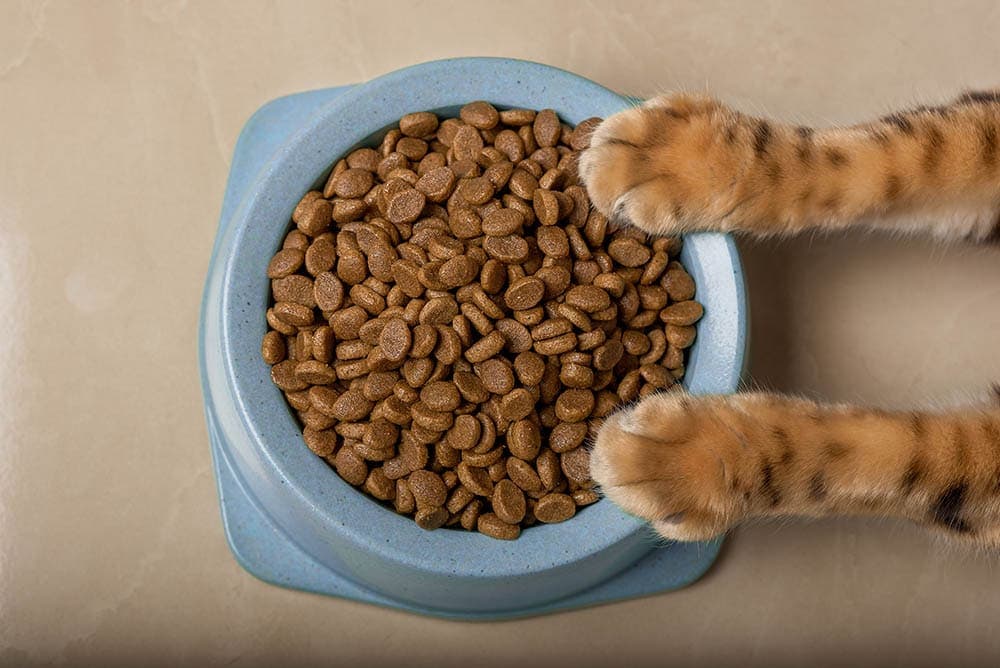
Store-bought kibble is a safe solution for most dogs that can be as healthy as any canned, homemade, or fresh diet. Manufacturers combine meats, grains, vegetables, and other ingredients (e.g., preservatives, vitamins) in an extrusion process using high heat and pressure to give us crunchy, uniform pieces.
Commercially available dry food comes in many flavors and formulations, making it easy for owners to find food that suits their dog’s breed and life stage.

Benefits of Store-Bought Kibble
Store-bought kibble is usually a complete diet, meaning it provides all the nutrients your dog needs according to AAFCO recommendations. However, you should always check the dog food labels to ensure you’re buying complete food. Homemade diets usually contain nutrient deficiencies
Several organizations, such as the FDA, USDA, and NRC, evaluate commercial kibble against nutritional and safety standards to ensure it is appropriate for dogs to eat.
1. Kibble Is Easy to Store and Serve
Kibble’s shelf life is an essential benefit most consumers appreciate. It lasts for over a year when kept unopened in a dry, cool place and stays fresh for up to 6 weeks when opened and stored in an airtight container. By contrast, fresh and wet foods typically need refrigeration and will only last a few days, at most, when opened.
Canned, fresh, and raw foods aren’t always the perfect portion, requiring you to seal and save the remainder. On the other hand, dry food can be conveniently portioned into meals of any size, making it a sensible solution for dogs in multi-pet households.

2. Feeding Enrichment
Kibble is easier to incorporate into enrichment activities like scatter feeding, slow feeders or interactive puzzle toys. These can slow down the rate at which your dog eats and be mentally stimulating and an excellent way to improve quality of life.
3. Kibble May Help Maintain Teeth
Periodontal disease (PD) is one of the most prevalent canine health issues, affecting 80%–90% of dogs over 3 years old. Proper oral hygiene is critical from a young age. Though it won’t replace the need for regular toothbrushing, diet plays a part in maintaining a dog’s dental health.
Studies have shown mixed results for the benefits of “regular” kibble for dental health, but most reveal various perks. Early studies found soft foods were associated with more calculus on teeth and lower salivation, which carries plaque-fighting enzymes.
A large study from 1996 saw few differences in the effects of different dog food formats, though it did note the benefits of various chewing materials.1
Recent studies have reiterated the potential benefits of dry food. Alongside the mechanical action that scrapes plaque buildup, dry food may improve oral microbiota.2 Dogs subsequently enjoy cleaner teeth with better-smelling breath and potentially lower risks for infections that may promote periodontal disease.
The Veterinary Oral Health Council’s website lists foods that have undergone testing to ensure they do help control the buildup of plaque and tartar, but these are typically prescription dental diets that you wouldn’t find in your average store.3

4. Quality of Ingredients
Studies have shown some benefits of dry food ingredients. For instance, a 2022 paper showed that non-essential elements, including cadmium, lithium, and lead, were higher in moist foods than in dry foods.4 Not all ingredients have the same sourcing, so some canned products still have higher-quality components than many dry alternatives.
Disadvantages of Store-Bought Kibble
Store-bought kibble does have some drawbacks for dogs. Some pets may not find it as tasty or easy to eat as wet or fresh foods, and it doesn’t provide enough moisture to maintain your dog’s hydration. Keeping fresh water available at all times is crucial, especially when feeding dry food. Meanwhile, dogs with weak teeth and other dental issues often have trouble chewing, making soft foods the only practical option.
Ingredient quality can be another potential downside to kibble. Dry food needs more antioxidant preservatives to prevent the food from going rancid, adding ingredients that may not benefit dogs. The extrusion process can also reduce nutrition. Protein denaturing, vitamin loss, and other effects can alter the food’s profile, though manufacturers of store-bought kibble generally assess the nutrient quality to ensure it’s adequate.


What to Look for in Store-Bought Kibble
Commercial kibble is available in different formulations and price points to match your budget and your dog’s needs. Generally, you get what you pay for. Lower-priced foods typically have lower-quality ingredients that won’t support a dog’s health as much as more expensive and all-natural options.
Still, price isn’t the only factor to look at when comparing foods. Reading labels will reveal the best value, and many affordable foods are surprisingly healthy compared to higher-priced alternatives. The following are the essential aspects to consider when comparing foods.
AAFCO Compliance
The Association of American Feed Control Officials (AAFCO) doesn’t test or approve pet foods, but manufacturers that follow its standards ensure their foods meet the nutritional requirements dogs need for proper growth and body maintenance. The standard sets the appropriate amount of vital nutrients, including:
- Protein
- Fats
- Fiber
- Essential vitamins and minerals
When they meet the detailed AAFCO standards, you can feel confident your store-bought kibble won’t be deficient in any aspect and will provide the appropriate ratio of ingredients for optimal health. Look for AAFCO statements on product packaging showing that the dry food underwent testing or analysis to meet those standards.

Ingredients
Store-bought dry dog food lists ingredients in order of concentration by weight. The first ingredient makes up the highest percentage, the second ingredient is the second-most abundant, and so on.
Animal proteins should always be the top ingredient, followed by familiar veggies and carbohydrate sources. Avoid artificial preservatives, flavors, and colors that provide no nutritional value. If you don’t recognize an ingredient, research it. Many seemingly safe ingredients may be detrimental, while some with long, confusing chemical names are perfectly safe.
Split Ingredients, “Meals,” and “By-Products”
Watch out for split ingredients that may diminish the concentration of a particular component. For instance, manufacturers may split corn into several ingredients like “corn meal” or “corn flour.” While each individual component may make up a lower weight and thus show up further down the list, combining them may reveal that corn is the most concentrated component.
You should consider which meats are included in ingredients like “meal” and other by-products. Single protein sources are ideal. Though ingredients like “chicken meal” or “chicken by-product” add some nutritional value, they are often less digestible and bioavailable than higher-quality fresh meats, making them less healthy than simple ingredients.

Kibble Size
It’s crucial to purchase kibble that is appropriate for your pet’s size. Pieces that are too small won’t provide the mechanical teeth-cleaning benefits of larger kibble, while oversized kibble can be too challenging to chew and digest.
Growth Stage
Dogs have different nutritional needs depending on their age. Puppies need a unique profile to fuel their physical and cognitive development, while seniors may require a product to suit their slowed-down lifestyle and reduced metabolism.
Dog food labels generally note the growth stage, but you can also discuss options with your vet to ensure you’re buying an appropriate kibble.
If you need to speak with a vet but can't get to one, head over to PangoVet. It's our online service where you can talk to a vet online and get the personalized advice you need for your pet — all at an affordable price!

Final Thoughts
When you know how to read and compare the labels, store-bought kibble can be as healthy as any dog diet and offer unique benefits. Dry food is easy to store, convenient to portion, and may even help your dog’s teeth.
You can talk to your vet about breed and size-appropriate dry meals for your dog and monitor how your pet handles new foods. If they enjoy the taste and don’t show adverse effects, you can feel confident making kibble a regular part of your dog’s diet.
Featured Image Credit: APN Photography, Shutterstock




























2 Responses
Good afternoon
Our vet has very recently changed our dog's diet to Hill's Science Diet (Urinary) as crystals were found in her urine. Pepper is a 10 year old Border Collie/Blue Heeler mix. She is also a Rescue so not a lot of her history is known.
She is a delightful dog and some of her youthfulness has been restored since she has come to live with us. My question is this: Should she eat kibble (Hill's) on it's own, or should I combine it with some sort of canned food or fresh meat? I am currently changing her old diet for her new diet a little at a time as suggested. I find it very difficult to accept that kibble on its own is sufficient for a dog's continued health and strength.
Your reply would be very helpful, thank you.
Hi Gail. A vet-recommended diet such as Hill's Science Diet (Urinary) will always be sufficient and adequate to cover all your pet’s nutritional needs. That being said, providing your dog with a variety of textures can make mealtimes more enjoyable and interesting for them (and for you!). If you prefer, you may feed only dry food, which is perfectly fine, but your dog might enjoy a combination of wet and dry food or fresh food. Remember that whenever you combine different types of food, you should adjust the portions according to the guidelines set by each manufacturer and the advice of your vet to avoid overfeeding or underfeeding.
For your convenience, feel free to book an appointment with a qualified veterinary nutritionist at our online vet service, PangoVet. They will be able to answer any questions you may have and help you set up a dietary plan for your pup. You can book a time that is suitable for you at this link here https://pangovet.com/schedule-appointment/. I hope this helps!