10 Vet-Verified Interesting Siberian Husky Facts: Understanding the Breed


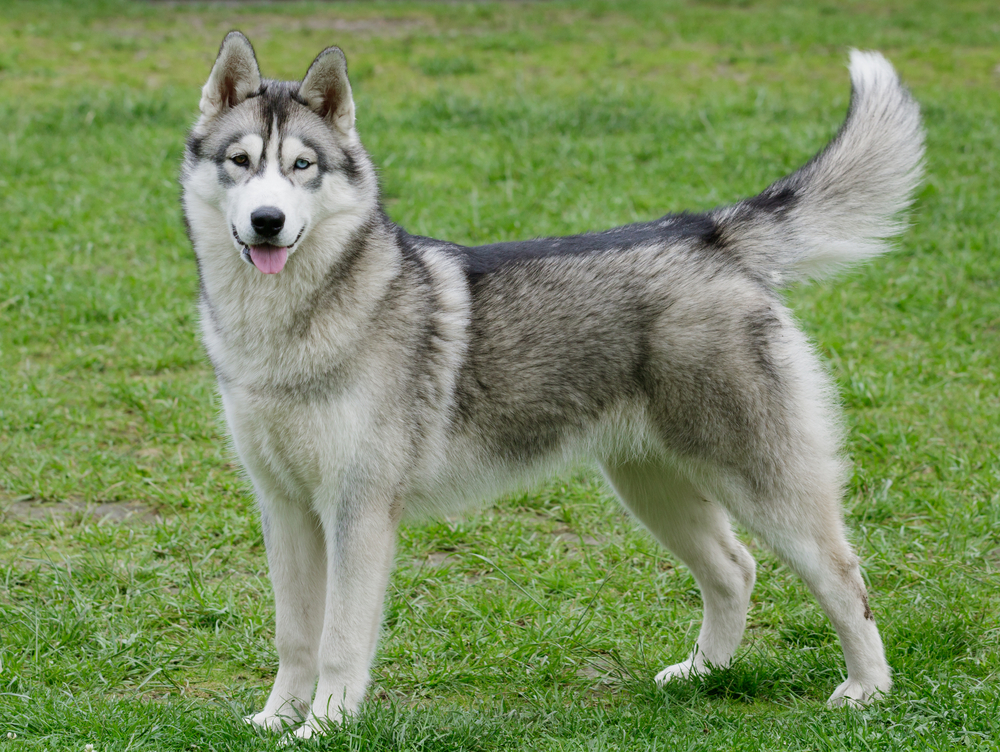
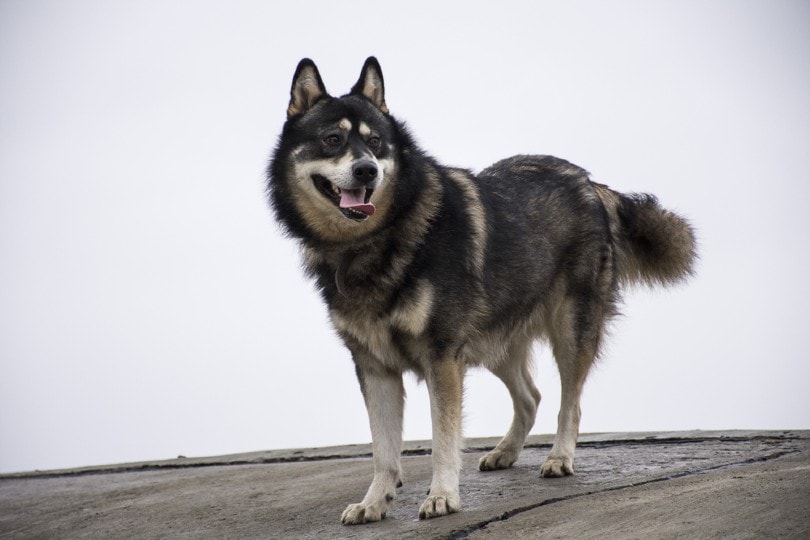
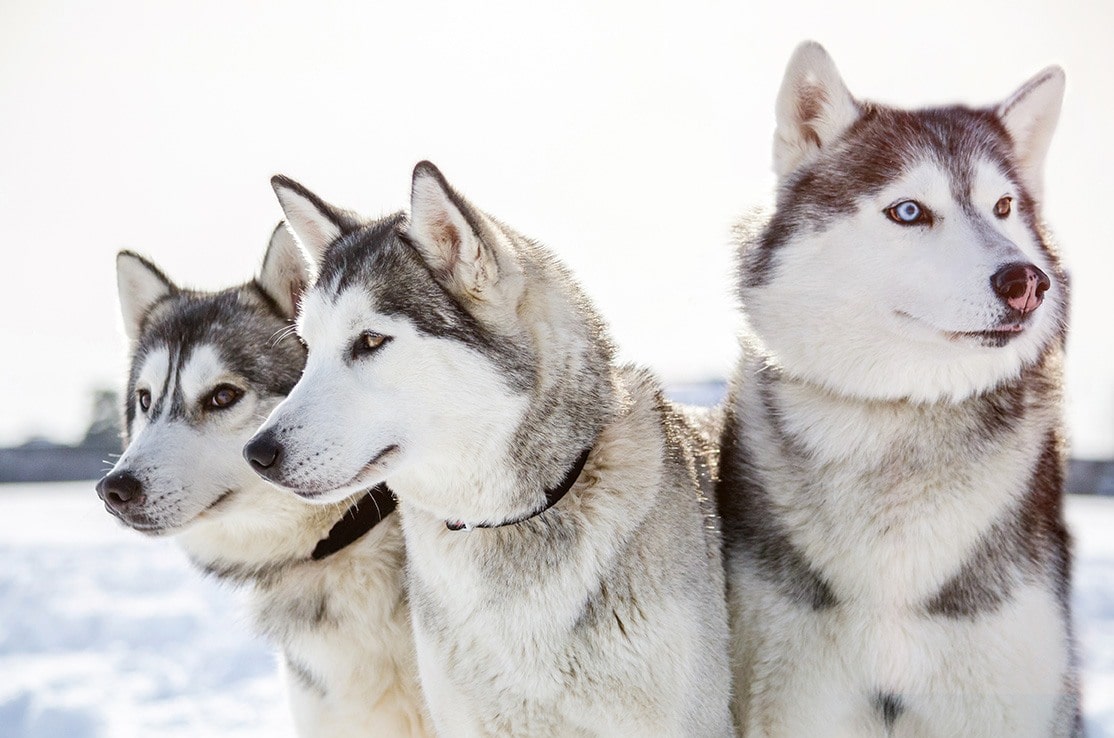
Siberian Huskies are incredibly popular dogs with big personalities. They are packed with energy and covered with a thick, beautiful coat that seems to shed constantly during the warmer months. Huskies have a long ancestry and have been lauded for their hardiness and work ethic. Keep reading to learn more about these fascinating dogs.

The 10 Interesting Siberian Husky Facts
1. The Breed Is Ancient
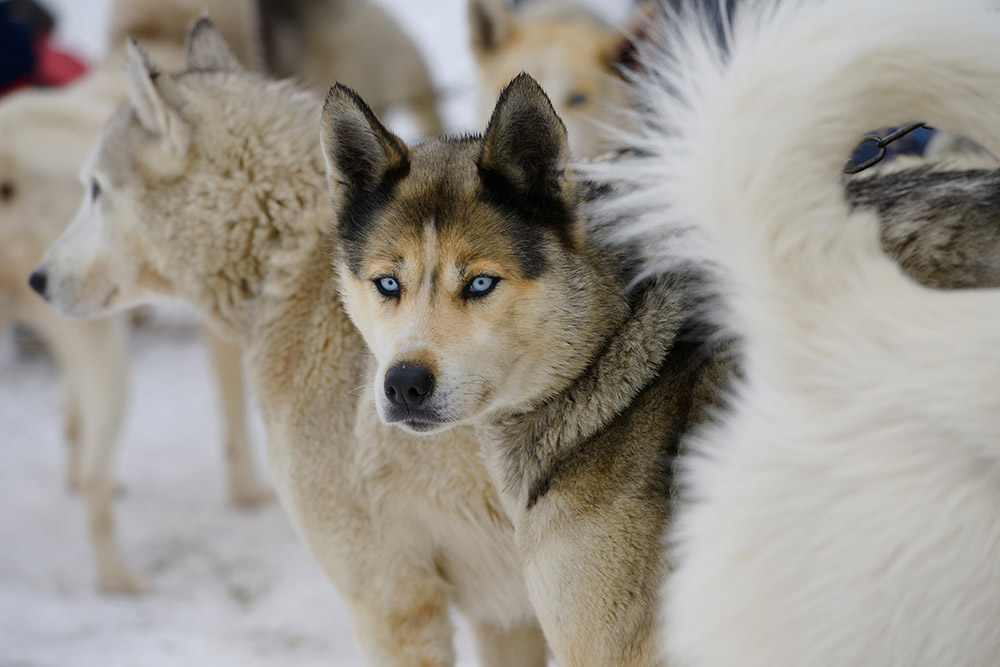
Siberian Huskies weren’t developed overnight. This hardy breed evolved over thousands of years to become the modern-day Siberian Husky. Early Huskies were developed on the Siberian peninsula in Northeast Asia.
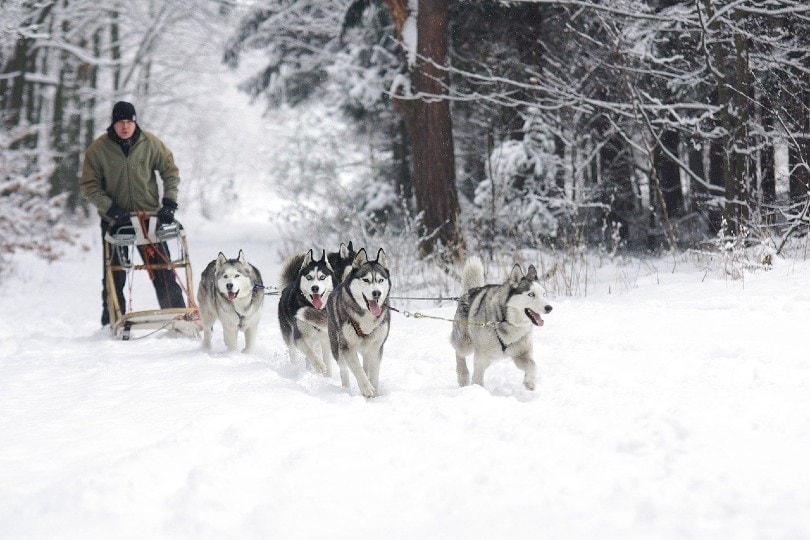
The Chukchi people are credited with developing the earliest Huskies that thrived in the hostile arctic environment1. The Chukchi people relied on their dogs for survival, and the dogs served as sled dogs to help them find food. In a hostile environment, dogs and people needed to work together so both could survive.
2. The Chukchi Had a Specific Belief
Because of early Huskies' importance in helping the Chukchi people survive, they took excellent care of their dogs and viewed them as an extremely important part of their society. They believed in treating dogs with kindness and ensuring their needs were met.
In Chukchi lore, two Huskies guarded the gates to the afterlife, which only allowed good people to enter—namely, those who were good to their dogs. People who were cruel to dogs or who didn’t provide their dogs with appropriate care were turned away at the gates by the Husky guardians.

3. The Breed Made a Real Difference in Alaska
If you’ve ever heard of a dog named Balto, you know how a team of sled dogs helped save the town of Nome, Alaska. In 1925, an outbreak of diphtheria threatened the people of Nome, sickening and killing many people, including children. There was a vaccine for the disease, but Nome was too remote, especially during the cold winter months, for the vaccine to easily be transported to the town.
A team was assembled, including 20 mushers and over 100 dogs. Throughout the trip, teams came from both directions, meeting about 170 miles away from Nome to pass the vaccine off to a team of dogs with the musher Leonhard Seppala and his lead dog, Togo.
Togo was a true hero, managing to navigate the team through temperatures well below 0°F, gale-force winds, and low-vision blizzard conditions. The team met with the musher Gunnar Kaasen and his dog team, along with the lead dog, Balto. They were able to complete the trip, saving the town of Nome. While Balto receives the most credit, Togo is the true hero of the trial.
4. The Iditarod Commemorates Nome
Starting in 1973, the Iditarod has been run every year to commemorate the dog teams that saved Nome. For up to 15 days, dozens of dog sled teams work to complete the trip from Anchorage to Nome. In 2017, Mitch Seavey and his dog team completed the Iditarod in 8 days, 3 hours, 40 minutes, and 13 seconds, setting the record for the fastest completion time.
Even with modern supplies and checkpoints, the Iditarod trail is extremely dangerous and challenging for dogs and people. While many dogs on the trail are Siberian Huskies, there are also mixed-breed dogs that compete.

5. Siberian Huskies Helped Save Lives During World War II
During World War II, there were many pilots and soldiers in parts of the Arctic. When planes were downed in the Arctic, it was necessary to send search parties to save the soldiers and cargo that could be retrieved.
Unfortunately, the harsh environment made this extremely difficult. To find downed planes, reconnaissance planes were sent. Once a location was determined, the recon plane would drop the mushers and Siberian Husky sled dogs as close to the site as possible to retrieve the living soldiers and all usable cargo.
6. They Aren’t for the Faint of Heart
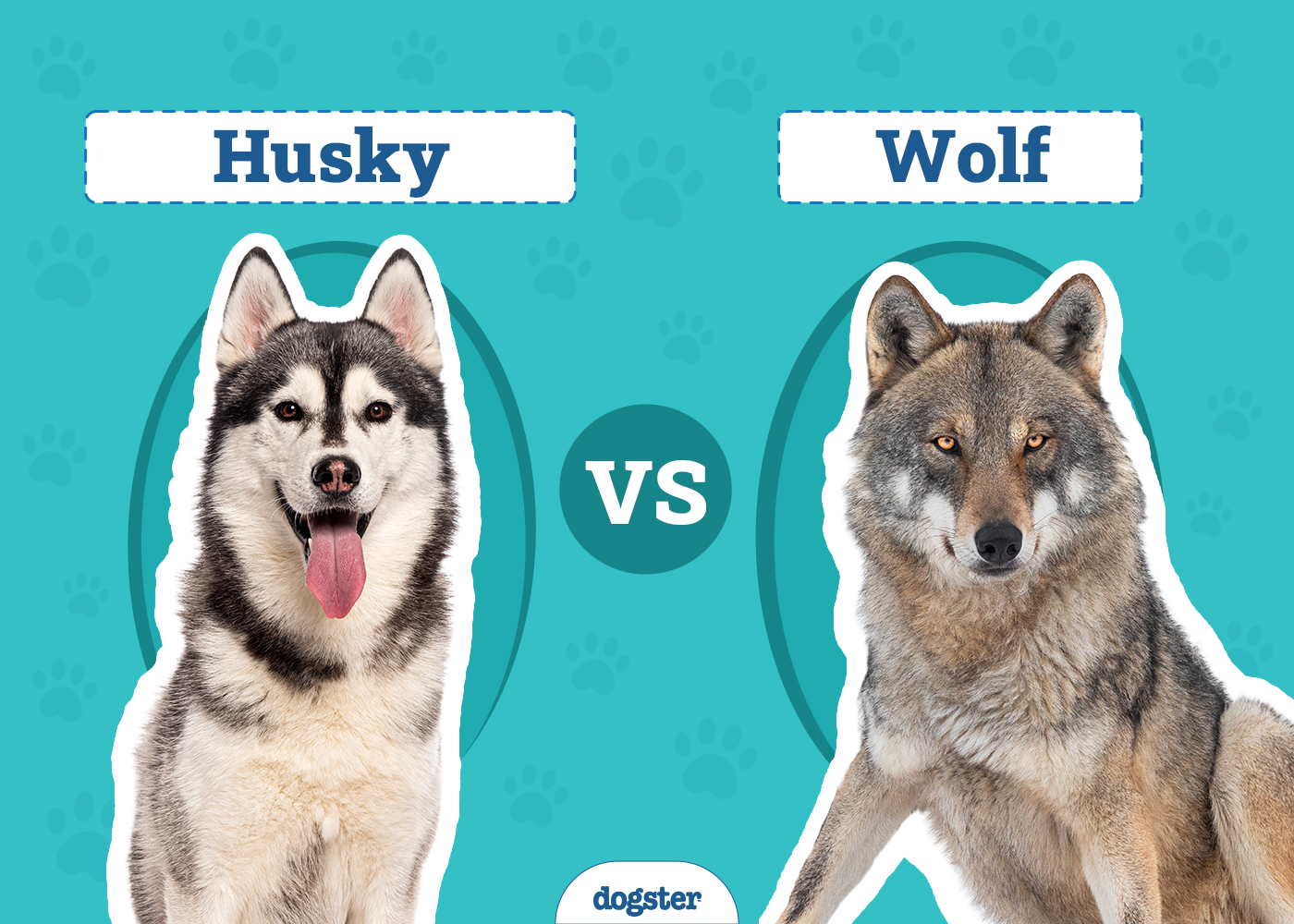
People love Siberian Huskies because of their wild, wolf-like appearance. They are also attracted to the dogs because of the movies featuring them. This has led to people bringing home Siberian Huskies who should have researched the breed before doing so.
Huskies were bred for high-energy work, which means they’re poor candidates for apartments, homes without yards, and homes with few opportunities for exercise. Siberian Huskies require lots of daily activity, and they won’t be satisfied with a walk around the block.
They also can be stubborn and noisy dogs, making them hard to train and obnoxious if allowed to bark incessantly. They can be escape artists, too, so a sturdy fence, exercise, supervision, and daily fence checks for holes and other escape routes are necessary for the Siberian Husky.

7. This Is a Friendly Breed
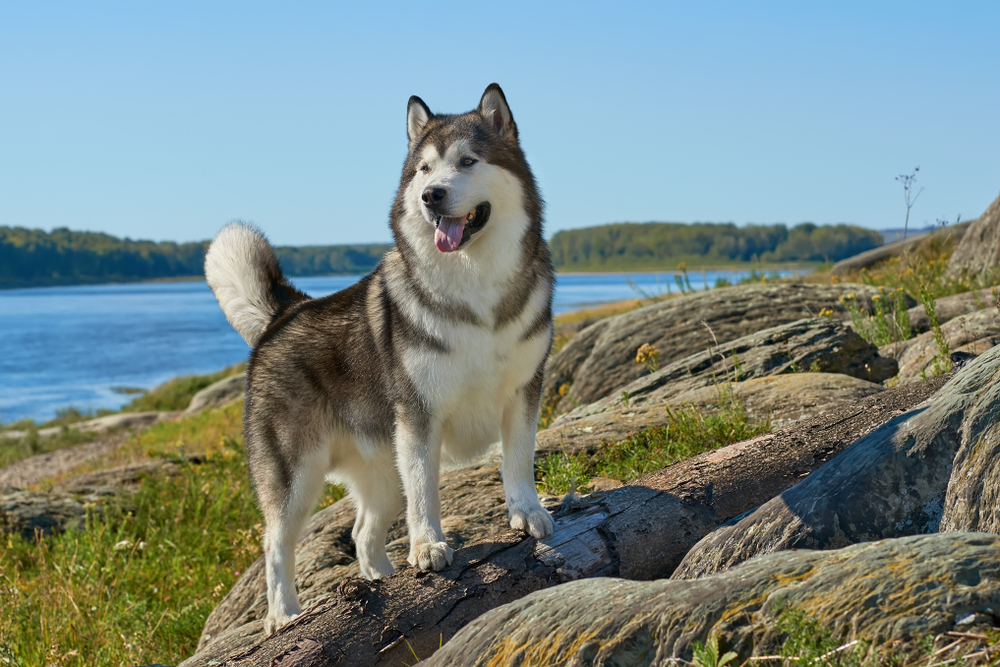
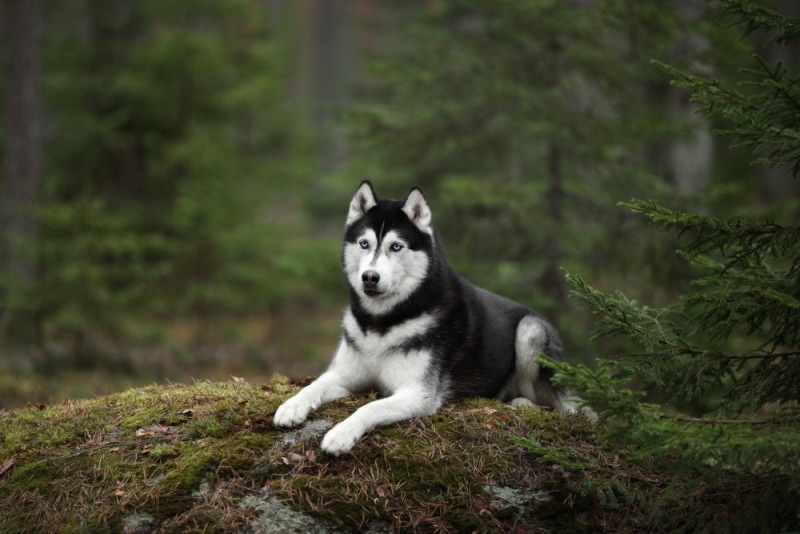
The Siberian Husky may look like a scary wolf, but these dogs are actually quite friendly. Because of their friendly nature, they may make poor guard dogs. However, they can be good alert dogs because of their fondness for vocalizing.
Siberian Huskies can be unpredictable when it comes to other animals, especially small animals like cats. They have a high prey drive and high energy level, so it’s not uncommon for them to chase smaller pets around the home. Training, supervision, and proper introductions are vital to keep everyone safe.
8. They Have Cat-Like Habits
While Siberian Huskies don’t always get along with cats, they can be cat-like in their grooming habits. They groom themselves in a very similar way to cats, often licking their coats to keep themselves clean. They are a generally clean breed, but require routine brushing to maintain their coat and limit shedding.
The coat is important for Siberian Huskies and is designed to maintain an appropriate body temperature. This means that shaving the coat down, even during the summer, can make it more difficult for the dog to maintain their body temperature.

9. They Can Live Long Lives
Some large breeds don’t live very long lives, but the Siberian Husky can live up to 15 years. They are relatively active and healthy, even into old age, so it’s not uncommon to have a Siberian Husky that remains a jogging or hiking buddy well into their teen years. Just remember to adjust their exercise program as they age to prevent them from getting injured in an attempt to keep up with you.
10. They’re Built for Efficiency
Because Siberian Huskies were bred for pulling sleds over long distances in harsh environments, they have high energy needs. However, they can also go long periods without food while expending significant energy. This ability is more interesting because it takes a lot for a Siberian Husky to begin depleting the glycogen stores within their cells. They can pull a sled in a harsh environment for a long time without food and without depleting their body’s energy stores.


Conclusion
The Siberian Husky is a talkative and fun dog that often ends up in homes that aren’t quite prepared for their exceedingly high energy levels. They are descended from an ancient breed developed thousands of years ago, and they are often considered somewhat more “wild” than the average domestic dog. Don’t be fooled, however. Siberian Huskies are friendly and affectionate dogs that can make great pets with the proper planning.
See also:
Sources
Featured Image Credit: Ivanova N, Shutterstock
Expert dog care, straight to your inbox
Vet-reviewed advice, training tips, and the best of Dogster. Free, and you can unsubscribe anytime.
By signing up, you agree to our Terms & Conditions and Privacy & Cookies Policy.
Brooke Billingsley spent 9 years as a veterinary assistant before becoming a nurse in 2013. She lives in Arkansas with her boyfriend, and loves all animals; currently sharing a home with three dogs, two cats, five fish, and two snails. She has a soft spot for special needs animals and has a three-legged senior dog and an internet famous cat with acromegaly and cerebellar hypoplasia. Fish keeping has become a hobby of Brooke’s and she is continually learning how to give her aquarium pets the best life possible. Brooke enjoys gardening and keeps a vegetable garden during the summer months. She stays active with yoga and obtained her 200-hour yoga teacher certification in 2020. She hosts a podcast focusing on folklore and myth and loves spending her free time researching and writing. Brooke believes that every day is an opportunity for learning and growth and she spends time daily working toward new skills and knowledge.
Join the conversation
Ask a question, share your story, or send private feedback.