Get

In Your Inbox

Dogster is reader-supported. When you buy via links on our site, we may earn an affiliate commission at no cost to you. Learn more.

Maltese vs. Lhasa Apso: The Differences (With Pictures)

Share

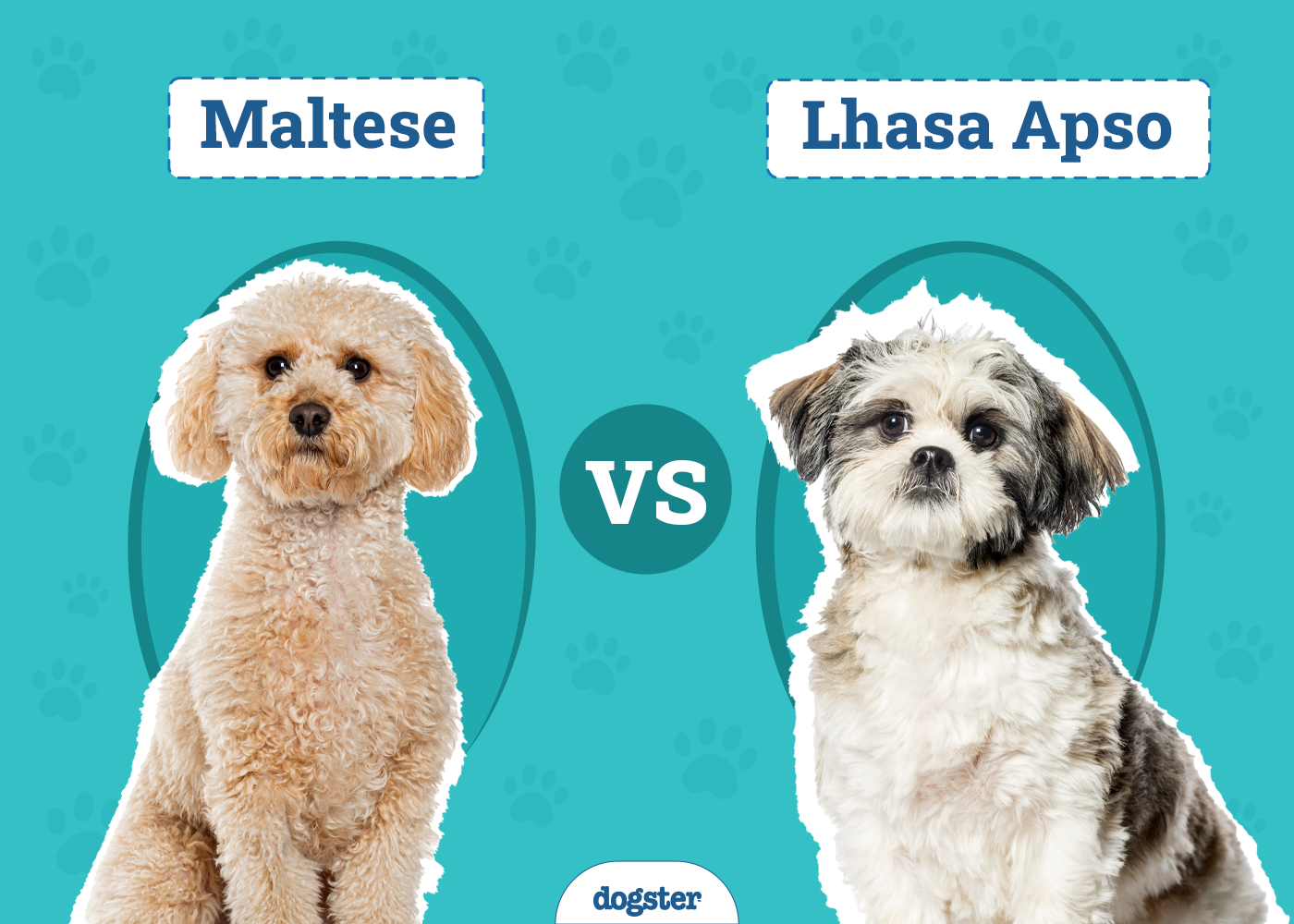
Maltese vs. Lhasa Apso

The Maltese and Lhasa Apso are somewhat similar dogs. They were both bred to be small lap dogs. Therefore, they have many of the same traits, as they were selectively bred for the same “job.” So, you’ll find many similarities between these breeds.

However, they also have a lot of differences. For instance, the Lhasa Apso is much more independent and reserved than the Maltese. Therefore, they require more training and socialization.

Because these dogs have many differences, thoroughly researching both is important. Below, we’ll help you do just that.

divider dog faces oct 2024

Visual Differences

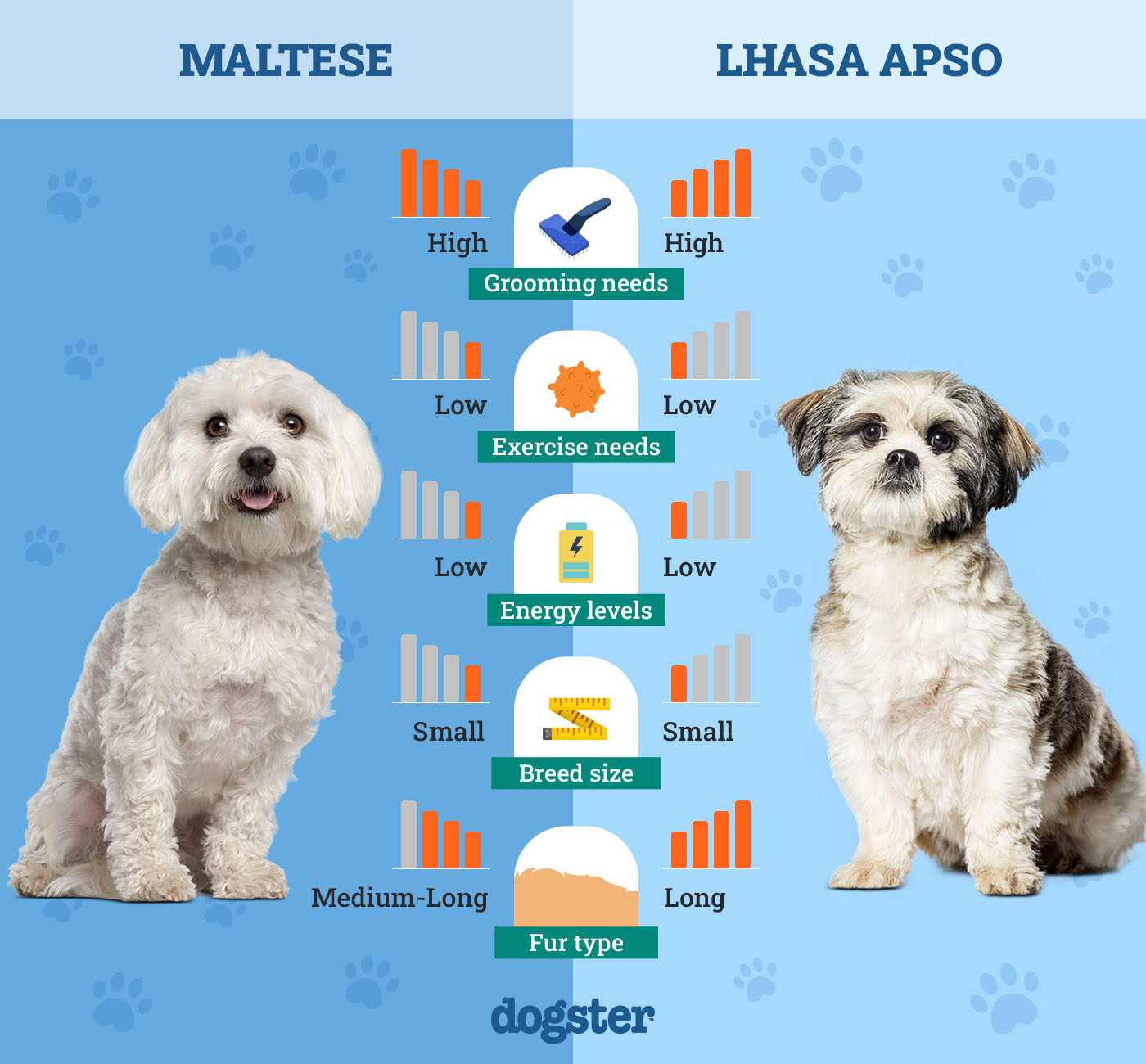
Dogster_Side by Side Comparison_ Maltese vs Lhasa Apso
You’re welcome to use our images, but we require you link directly to this site for credit (ex. Image from Dogster)

At a Glance

Maltese
  • Average height (adult): 8–10 inches
  • Average weight (adult): 4–7 pounds
  • Lifespan: 12–15 years
  • Exercise: Moderate
  • Grooming needs: High
  • Family-friendly: Yes, generally
  • Other pet-friendly: Yes, with socialization
  • Trainability: Fair
Lhasa Apso
  • Average height (adult): 10–11 inches
  • Average weight (adult): 12–18 pounds
  • Lifespan: 12–15 years
  • Exercise: Moderate
  • Grooming needs: High
  • Family-friendly: With older children
  • Other pet-friendly: Yes, with socialization
  • Trainability: Fair

divider dog faces oct 2024

Maltese Overview

cute female maltese dog
Image Credit: tsik, Shutterstock

Maltese are small, elegant dogs with white coats and family-friendly nature. This breed dates back thousands of years and has been a lapdog for a very long time. They’ve been cherished companions for a long time.

Temperament

Maltese dogs are often said to be affectionate and friendly. They’re incredibly human-centered and prefer to be the center of attention. They’re a bit needy but make excellent companion animals for those who want a cuddly dog.

These dogs are often very good with children, especially older ones. As smaller dogs, they can be injured by younger children, making them fearful and aggressive. Therefore, it’s vital to supervise them with children and teach children how to treat them.

The Maltese is better with strangers and children than the Lhasa Apso.

maltese puppy walking on carpet
Image Credit: michael_coelho, Shutterstock

Health

The Maltese is considered a healthy breed. They are prone to some specific health issues, though. For instance, their smaller mouths make them more prone to dental problems like tooth decay and gum diseases. Their teeth are more crowded, leading to many problems.

They may also be susceptible to patellar luxation (dislocated kneecap), eye conditions like cataracts, and allergies. However, overall, they are healthier than many small companion dogs.

Adopting a puppy from a quality breeder can help limit health problems, as many of these issues are genetic. Therefore, choosing a breeder that only breeds the healthiest dogs is essential.

Lhasa Apsos are prone to many of the same health issues, as they are also smaller dogs.

Trainability

Maltese dogs are intelligent and eager to please, making them easier to train. You can train them just like any other dog, using positive reinforcement techniques and lots of consistency. Early socialization is also important; it helps them learn good manners and prevents fear.

These canines aren’t particularly strong-willed, so they’re easier to train than many other dogs, including the Lhasa Apso.

maltese dog in obedience training outdoor
Image Credit: New Africa, Shutterstock

Suitable for:

Maltese dogs are great family pets if the children are taught to respect them. Socialization and training are still essential. However, they tend to adapt better to family life than other breeds.

divider dog faces oct 2024

Lhasa Apso Overview

white-lhasa-apso-lying-on-the-sidewalk
Image Credit: Joshua Tamang, Shutterstock

The Lhasa Apso is known for their unique appearance and personality. They date back thousands of years to Tibet, where they were bred as watchdogs and companions.

Temperament

These canines are known for their independent nature, despite being pretty people-oriented. They are known to be loyal and affectionate with their family members, forming deep bonds. While they may be reserved with strangers, early socialization can help them become more comfortable in new situations.

It’s worth noting that Lhasa Apsos can display a stubborn streak, requiring consistent and patient training methods. They aren’t as people-pleasing as other dogs.

In comparison, the Maltese is known for its friendly, playful, and lively nature. Maltese dogs generally have a more outgoing and social personality, enjoying interactions with family members and strangers. The Lhasa Apso is much less likely to interact with strangers right away.

Lhasa Apso dog sitting on sofa
Image Credit: Audrius Merfeldas, Shutterstock

Health

Lhasa Apsos, like any breed, are prone to specific health issues that potential owners should be aware of. Eye problems, such as progressive retinal atrophy and cherry eye, can occur in Lhasa Apsos, highlighting the importance of regular veterinary check-ups and eye care. Plus, hip dysplasia and allergies are other health concerns that can affect this breed.

However, these dogs are pretty healthy and have no genetic problems. Adopting from a quality breeder is still essential, though.

Trainability

Lhasa Apsos are intelligent, but this doesn’t necessarily translate to training. They are stubborn and assertive, so they’re much harder to train. Positive reinforcement and treats are the way to go, but you can’t expect these dogs to always listen to you. It just isn’t in their nature.

Early socialization is crucial, as these dogs aren’t naturally social. They tend to distrust strangers, which can lead to aggression if they aren’t socialized properly.

lhasa-apso-puppy-on-the-beach
Image Credit: Steve Bruckmann, Shutterstock

Suitable for:

Lhasa Apsos are suitable for families with older children. These canines may fit the bill if you’re looking for a lap dog. However, they also make good watchdogs. Don’t expect them to be extremely friendly like many smaller breeds.

divider dog faces oct 2024

Which Breed Is Right for You?

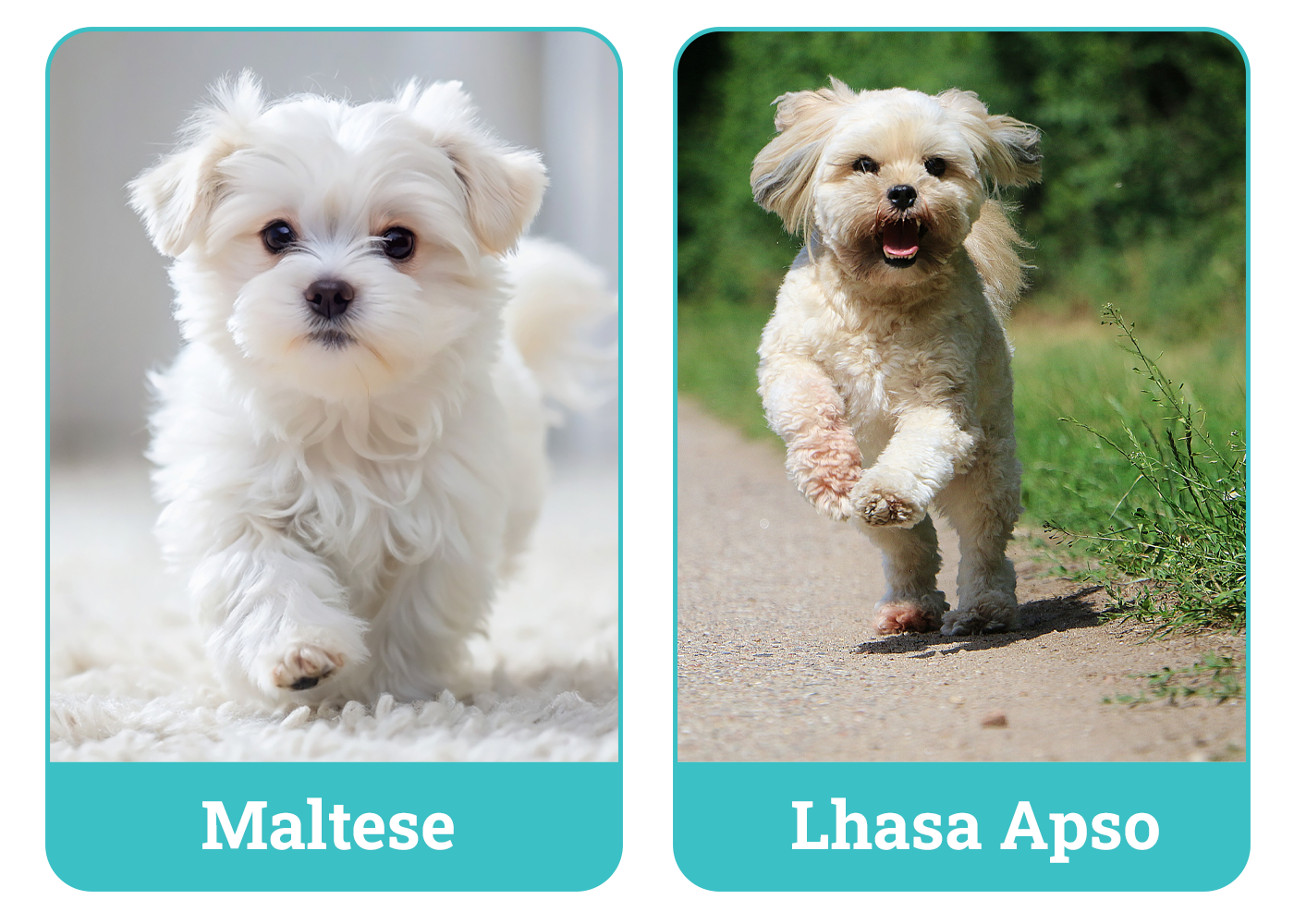
Maltese vs. Lhasa Apso
Image by: (L) michael_coelho, Shutterstock | (R) Bianca Grueneberg, Shutterstock

On the surface, these dogs may seem very similar. However, their temperaments are incredibly different. Lhasa Apsos tend to be more independent and assertive, while Maltese dogs tend to be friendlier. Maltese dogs are also more trainable, as they’re much more people-pleasing.

Both breeds have high grooming needs due to their long coat. Both also are prone to different health issues, however, they’re both healthier breeds than most.

See Also:

Want content like this delivered to you?

Sign Up For Our Newsletter

News, insights, expert advice, and everything dog

* By submitting, you agree to our Terms & Conditions and Privacy & Cookies Policy.


How useful was this post?

Click on a star to rate (you can leave written feedback after clicking submit)

Help us improve Dogster for pet parents!

Your feedback really matters.

What did you like about this post? Also how can we improve it?

Join the conversation

Leave a Reply

You’re very welcome to leave a comment or question. Please know that all comments must meet our community guidelines, and your email address will NOT be published. Let’s have a positive and constructive conversation.


Dogster's Digital Magazine is Back!​

Dogster Magazine Cover June 2026

Vet-approved health & behavior advice

Real dog stories & community features

The Organization Helping Pets Feel Safer, Happier, and ‘Fear Free’ – Heroes of the Pet World

For many pet owners, stress during veterinary visits, grooming appointments, travel, or even routine handling can feel like an unavoidable part of life...

Why Some Dogs Treat Mealtime Like Playtime – And When to Pay Attention

Most dogs are reliable eaters. Bowl goes down, food disappears. So when a dog starts batting kibble across the kitchen floor, tossing pieces...

Major Win for Dogs: Ontario Becomes the Final Province to Ban Ear Cropping and Debarking

​​Ontario has approved new animal welfare regulations that will prohibit elective ear cropping and devocalization (debarking) procedures in dogs from January 1, 2027....

Dogster’s Weekly Photo Contest Winners: Most Adorable Puppy (June 8, 2026)

Every week our team gets the privilege of sorting through our readers photos to choose what dogs will win this weeks contest! See...

More related

Dog Whale Eyes: Canine Body Language Explained

It’s a classic look that every dog owner is familiar with but few understand—your dog is giving you a sidelong gaze with their...

How to Train a St Bernard: 10 Vet-Approved Tips

Saint Bernards adore humans and are eager to please, but this doesn’t mean they’ll always know exactly what you want them to do...

Abruzzese Mastiff: Info, Pictures, Temperament & More

The Abruzzese Mastiff is a large dog with fluffy, light-colored fur. It is descended from ancient shepherd dogs used in Italy’s Abruzzes and...

Can Dogs Smell Other Dogs on You? Vet-Verified Senses Explained

You may notice your dog paying closer attention to you after you’ve been around other dogs during the day. Perhaps you made a...

Keep reading

Can Dogs Eat Cow Hooves? Vet-Approved Facts, Risks & Alternatives

Dogs can eat various snacks, some of which you might never have thought of up until you saw them advertised. So, where do cow hooves fit in a world of edible oddities? It seems strange, but realistically, it is part...

Can Dogs Eat Cow Hooves

Can You Microwave Dog Food? Vet-Reviewed Pros & Cons

There’s nothing like a warm and comforting meal at the end of a long day. But have you ever wondered if your pets find comfort in warm food, too? Should you be microwaving their food before you serve it? Most...

woman using microwave

How Much Does Dog Food Cost in 2026? Average Prices & Buying Tips

Pet food has experienced an inflation rate of about 1.97% per year since 1997. Back then, you could buy the same amount of dog food for $20 that you would need to spend more than $30 on today. Therefore, we...

pouring dog food

8 Best Dog Foods With Grain in 2026 – Reviews & Top Picks

Many modern pet owners are opting for grain-free dog food because, not only has grain-free dog food become a trend as of late, but owners fear that ordinary grain might cause weight gain. They also say that these grains are...

labrador retriever eating dog food

9 Dog Food Games to Play to Make Mealtime Fun for Your Pup

Our canine companions require a lot of enrichment and a good variety of it. Including exercise and playtime in their daily lives is easy, but how can you enrich their mealtimes? Meals can always be made more fun and exciting...

Dog playing shell game with her human

Inukshuk Dog Food Review 2026: Pros, Cons, Recalls & FAQ

Inukshuk is not a brand that most people are familiar with, but we hope to change that! Inukshuk dog food is for very active dogs. They have four recipes, which vary in the percentage of protein they offer. Therefore, you...

Dogster_Inukshuk Dog Food Review

Can Dogs Eat Provolone Cheese? Vet-Verified Nutrition Facts & FAQ

Many foods aren’t necessarily toxic or poisonous to dogs, but they’re still not very good for them to eat. Cheese is one of those foods that doesn’t contain any toxic ingredients for dogs, but it’s not something that you should...

Can Dogs Eat Provolone Cheese

9 Cranberry Dog Treats Recipes to Make for Your Pup

Check with a veterinarian before adding any new foods to your pet’s diet, particularly if your pet has any underlying health conditions or is on a special diet. If you love baked goods and making all sorts of yummy snacks...

cranberry dog cookie treats

Love Dogs? So Do We! Join the Dogster Community

Stay informed with expert pet care insights delivered straight to your inbox! Discover professional guidance on animal behavior, feeding tips, trusted product picks, and much more.


Sign up for the Dogster Email Newsletter