Male vs Female Border Collies: Vet-Reviewed Differences (With Pictures)


In this article
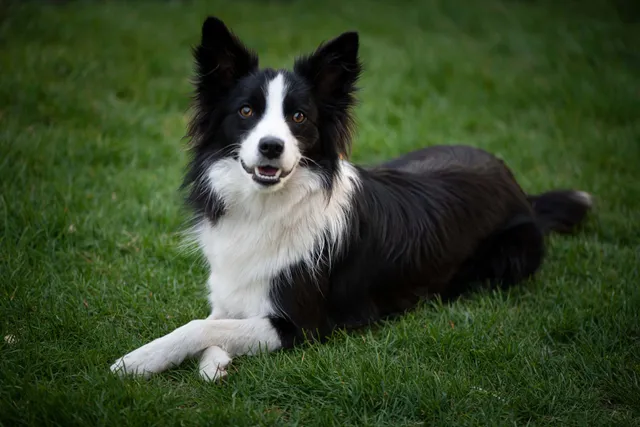
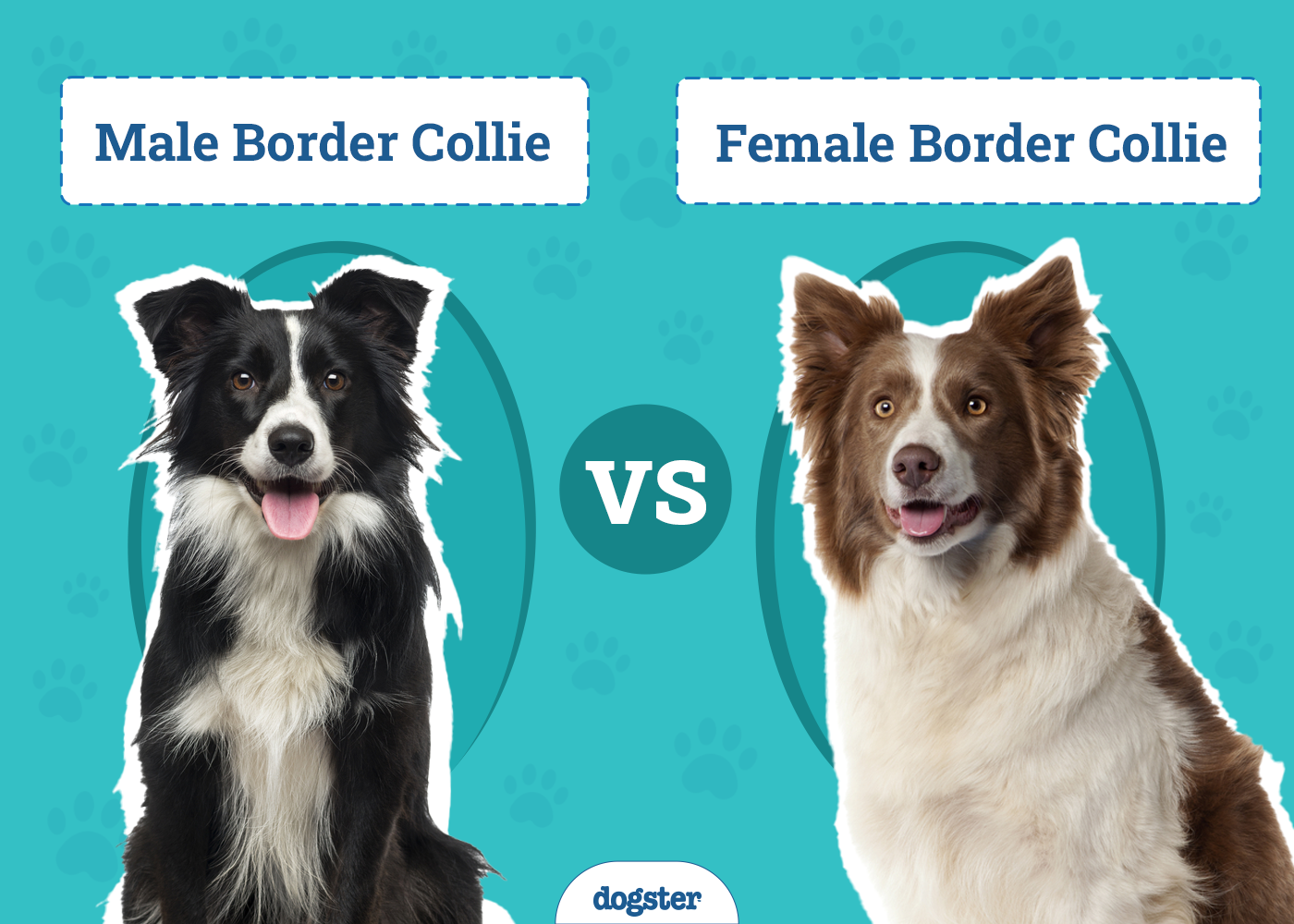
Border Collies are increasingly popular dogs. If you’re considering adopting one, it may be essential that you choose the right sex for you. While both males and females are quite similar to each other, they do have a few differences.
In this article, we look at the differences between male and female Border Collies. For the most part, the sexes have more in common than they have differences. However, that doesn’t mean that you shouldn’t take sex into account when adopting a Border Collie puppy.

Visual Differences

At a Glance
Border Collie 101

The Border Collie comes from the Anglo-Scottish border region in the United Kingdom, hence their name. They were developed and bred to herd livestock, specifically the sheep common in that region.
As a breed, the Border Collie is known as one of the smartest dogs in the world. They are extremely energetic and intelligent, which is why many people choose to adopt them. However, they can also be quite challenging due to those exact traits.
They require extensive amounts of exercise and training to remain healthy and happy. If their needs aren’t met, they can become destructive and difficult to manage.
Today, they are still utilized for herding and are considered one of the best breeds in the world for the job. If someone needs livestock herded, they often employ Border Collies. Their natural herding instinct means that they require less training in the area than many other breeds.
They are also regular champions in canine sports, including dog obedience, herding, and agility. Their high intelligence makes it easy for them to partake in these sports. In many cases, canine sports provide them with the outlet that they need to thrive.
Of course, these dogs are also commonly kept as pets. They are great companion animals for those who want to take part in canine sports or other events. However, their high needs can make them a challenging option for those who simply “want a dog.” We only recommend them for experienced dog owners, given their high exercise and training needs.
Male Border Collie Overview

Personality/Character
Currently, there is no solid scientific evidence on the difference between male and female Border Collie temperament. However, anecdotal reports sometimes suggest that male Border Collies may be easier to handle or are more attentive to their owners, though this varies widely by individual.
If the male is not neutered, he may display telltale marking behavior, which is common in many male dogs. You will also need to deal with their behavior should they smell another dog in heat.
Males may show higher levels of certain aggressive behaviors on average, particularly if they are intact, but this is not true for every dog. Bite statistics often show higher involvement of males, though this is influenced by many factors beyond sex alone.
Training 🎾
All Border Collies are relatively easy to train. They are extremely intelligent and people-oriented. Therefore, they are great options for those who plan on doing a great deal of training. However, they also need that training, or they can become bored and destructive. This tendency to get bored is not clearly linked to sex, but is more based on personality and lifestyle.
Male dogs do tend to be more likely to roam, which needs to be combated with training. Teaching a reliable recall command may require extra consistency, as some individuals may be more prone to wandering.
However, that doesn’t necessarily mean that males are more difficult to train overall. Their tendency to roam may simply need to be considered.

Health & Care
Overall, there aren’t many health differences between male and female Border Collies.
Some studies have found that male dogs may be slightly more likely to develop problems with Hip dysplasia, possibly due in part to their larger average size, though findings are inconsistent, and other studies show no clear difference.
That said, males may be at higher risk for certain cancers and other issues, particularly if they are intact, although this varies by condition. They are not more prone to certain inherited conditions, such as Glaucoma and Neuronal ceroid lipofuscinosis (NCL). They can develop the same eye problems as females and often at similar rates.

Breeding
Of course, males are quite different from females in terms of breeding. Breeding Border Collies can be demanding, though not primarily because of their exercise needs. Factors like health testing and proper management play a larger role and are a requirement for responsible breeding. In many cases, a smaller number of males are used as studs compared to breeding females, which is common across dog breeds.
Some male dogs have been quite prolific over their lifetime, producing many different puppies. In fact, the foundation of the Border Collie breed is often linked to a single influential stud, Old Hemp.
However, frequent breeding with the same male is not recommended. Overuse of one sire can lead to reduced genetic diversity and make future breeding more challenging. For the breed to remain healthy, a variety of males should be used.

Female Border Collie Overview

Personality/Character
For the most part, females are similar in temperament to males. They may have a slightly lower likelihood of certain aggressive behaviors on average, though the difference is not well defined. In the end, how you raise the dog is always more important than the dog’s sex.
Female Border Collies can undergo behavioral changes related to their reproductive cycle. They typically go into heat about twice a year, during which time they may become more affectionate or show other temporary changes in behavior. Their hormones vary throughout the cycle, which can influence how they act.
Therefore, a female’s behavior may vary somewhat during her cycle, but her overall temperament remains consistent.
Training 🎾
Females are sometimes considered easier to train, though evidence for consistent differences is limited. They do not usually have the common marking and inappropriate urination traits and behaviors that males may exhibit. Males are much more likely to mark their territory, though this isn’t unheard of in females either.
In some cases, females may be less likely to wander, especially compared to intact males. This can make certain aspects of training, such as recall, somewhat easier in some individuals. However, this is not guaranteed, and attention during training varies by dog.
However, any actual differences are likely to be small and insignificant. You probably won’t notice much of a difference between males and females in the field.

Health & Care
Females are slightly different biologically than males, which makes them more prone to certain health conditions.
First, females can get certain forms of cancer that males cannot, like uterine cancer and mammary gland cancer. However, the same thing can be said for cancers of the male reproductive system, so it usually isn’t a significant health consideration.
Second, females may be slightly less likely to develop hip dysplasia, likely due to their smaller size. However, the real-world difference is likely small. The dog’s genetics and how they are raised are much more important than their sex.
Females can develop all the health conditions common in the breed, including Collie eye anomaly and similar inherited disorders.

Breeding
Breeding females is much more thoroughly involved than studding a male. Males are one-and-done. They aren’t involved in anything after mating. However, with a female, you have to take care of the pregnant dog and her litter, which is much more work.
Females go into heat about twice a year and can only breed during this time. Breeding a female involves exact timing, while males can generally breed whenever.
When breeding females, you should wait until they are fully grown. Unlike males, females have to physically carry the litter, which can put a serious strain on their health. If the female is still growing, her own growth could be affected because her body is attempting to grow puppies. Therefore, females are typically bred only after full maturity, while males are also ideally bred after reaching maturity and passing health evaluations.


Which Sex Is Right for You?
For the most part, choosing a sex isn’t a make-or-break decision for prospective Border Collie owners. Both sexes are extremely similar to each other. Therefore, you don’t need to have your heart set on a particular sex before adopting a puppy.
In some cases, it may be best to base your puppy choice on other factors, like coloration, health, and genetic test results. While Border Collies aren’t exceedingly uncommon, you may find a suitable puppy faster if you are open to either sex.
There aren’t significant differences between males and females. Males are a bit bigger, but not by much. Still, if you’re looking for a smaller dog, you may want to consider adopting a female. However, this isn’t a guarantee, given that some females can grow to be large.
That said, males are more prone to sex-specific behaviors like urine marking. With a female, you typically won’t need to deal with these behaviors.
Overall, the sex that you decide to adopt probably won’t have a huge impact on your dog-owning experience.
Related Reads:
Featured Image Credit: Up - BIGANDT.COM, Shutterstock; Down - Lucia Horvath Photography, Shutterstock
Expert dog care, straight to your inbox
News, insights, expert advice, and everything dog.

No spam — unsubscribe anytime.
By signing up, you agree to our Terms & Conditions and Privacy & Cookies Policy.
How useful was this post?
Click a star to rate. You can leave written feedback afterwards. (We read all feedback.)
Kristin loves to help pet parents create a fulfilling life for their pets by informing them on the latest scientific discoveries and helping them choose the best products for their pets. She currently resides in Tennessee with three cats, four dogs, two fish, and a lizard, though she has dreams of owning chickens one day!