Japan is home to many amazing dog breeds and in fact, has an organization called Nihon Ken Hozonkai (日本犬保存会, The Association for the Preservation of the Japanese Dog), which is also known as Nippo. It’s responsible for preserving and maintaining six of the native dog breeds: the Akita, Hokkaido, Kai Ken, Kishu, Shikoku, and Shiba Inu. All are considered national treasures!
A few other breeds were developed in Japan over time, so between those and the native breeds, there are 11 Japanese dogs for you to learn about.

How Are Japanese Dog Breeds Classified?
The six native dogs, or Nihon-Ken breeds, are designated as such because they were developed in the Japanese archipelago, likely as early as 9,500 years ago 1. The other five dogs showed up later in history, being brought from other countries and often crossbred with the native breeds.
The 11 Japanese Dog Breeds
1. Akita
| Group: | Working (AKC) |
| Lifespan: | 13–16 years |
| Weight: | 70–130 pounds |
| Height: | 24–28 inches |
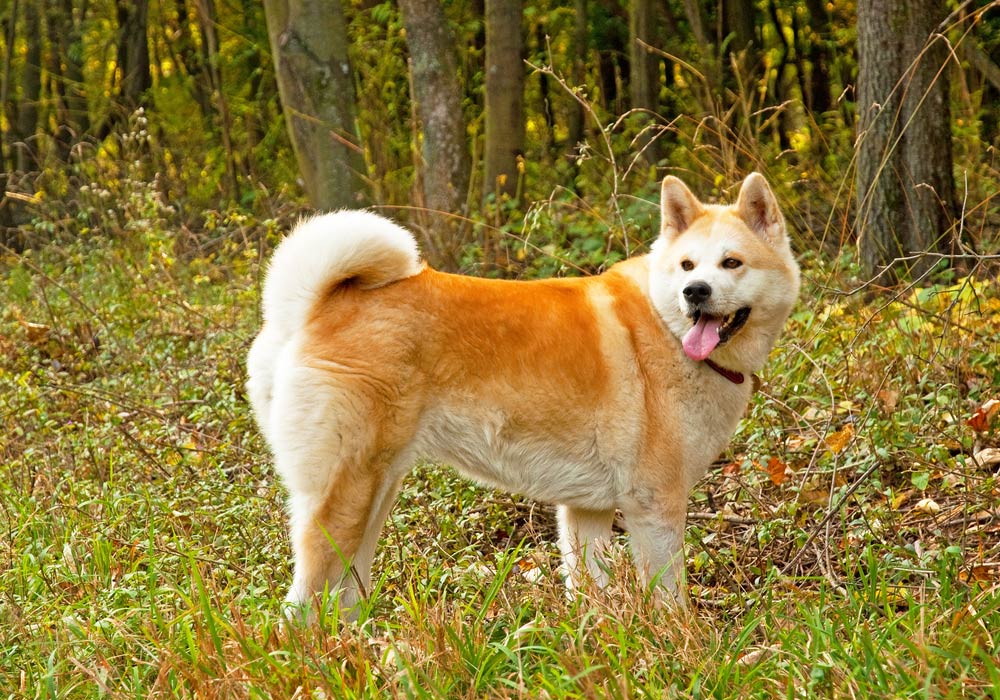
The Akita is a large spitz dog that was once only owned by the Imperial family. Like all spitz breeds, they have a thick, double coat that will need a fair bit of brushing to keep up with the shedding. They are wary of strangers, independent, and calm, but they can also be quite playful, affectionate, and protective of their families.
2. Hokkaido Inu
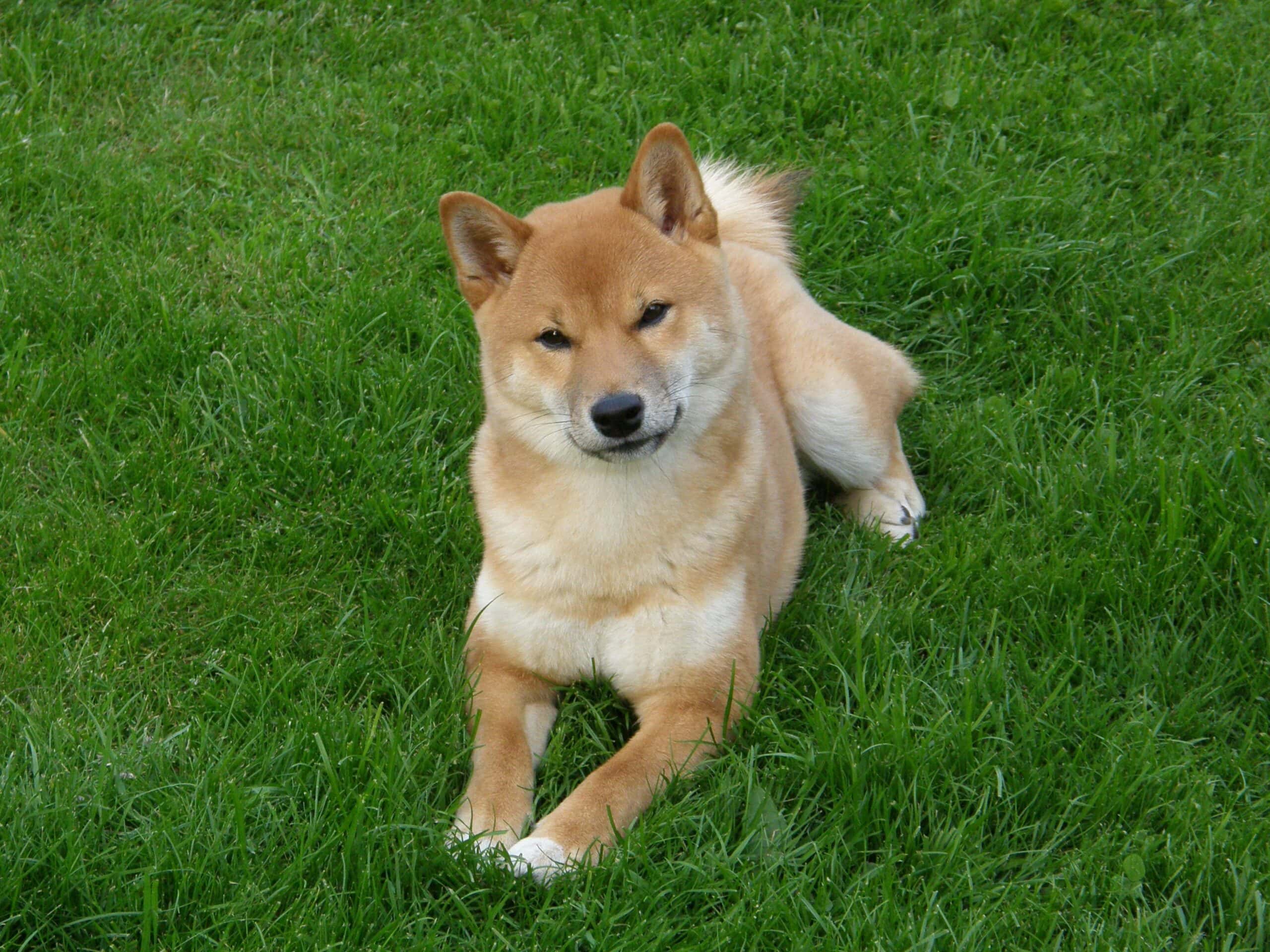
| Group: | Foundation Stock Service (AKC) |
| Lifespan: | 12–15 years |
| Weight: | 44–66 pounds |
| Height: | 18–20 inches |
The Hokkaido is thought to be one of the oldest dogs from Japan and is quite rare outside of the country. They are a spitz breed with a thick double coat and a tail that curls over their back.
Hokkaidos are commonly used for sledding, guarding, and hunting and are known for their strength and athleticism. They are faithful and eager to please, but they can be wary of strangers and require plenty of socialization.
3. Japanese Chin
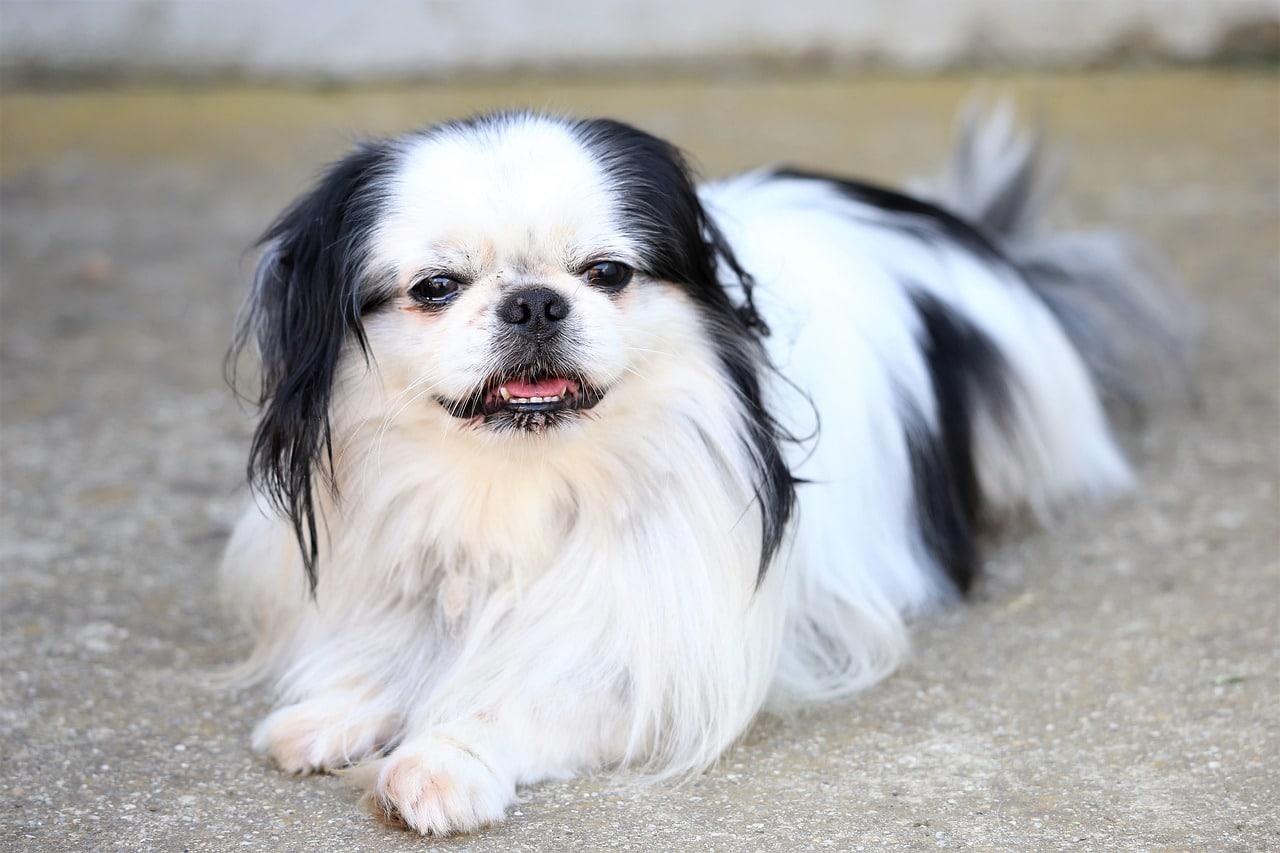
| Group: | Toy (AKC) |
| Lifespan: | 10–12 years |
| Weight: | 7–11 pounds |
| Height: | 8–11 inches |
The Japanese Chin isn’t technically Japanese, but no one knows for sure where these dogs originated. It was likely China or Korea, but what makes these dogs Japanese (other than their name) is that Japanese nobles played a significant role in their breeding and development.
They are toy breeds bred as lap pets and are charming, loving, and quiet (for a small dog).
4. Japanese Spitz
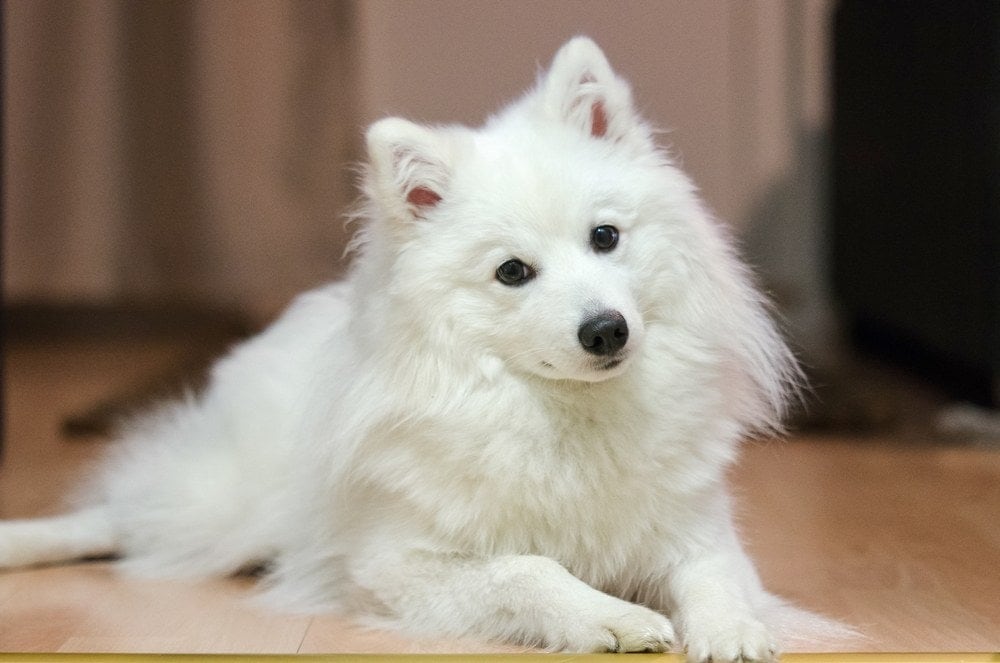
| Group: | Foundation Stock Service (AKC) |
| Lifespan: | 10–14 years |
| Weight: | 10–25 pounds |
| Height: | 12–15 inches |
The Japanese Spitz is an intelligent and cheerful dog that is playful and charming. They have a double coat of fluffy, white fur and require regular grooming.
They adore spending time with their family and always try to please their owner. Their playful nature is sure to bring a smile to everyone’s face.
5. Japanese Terrier
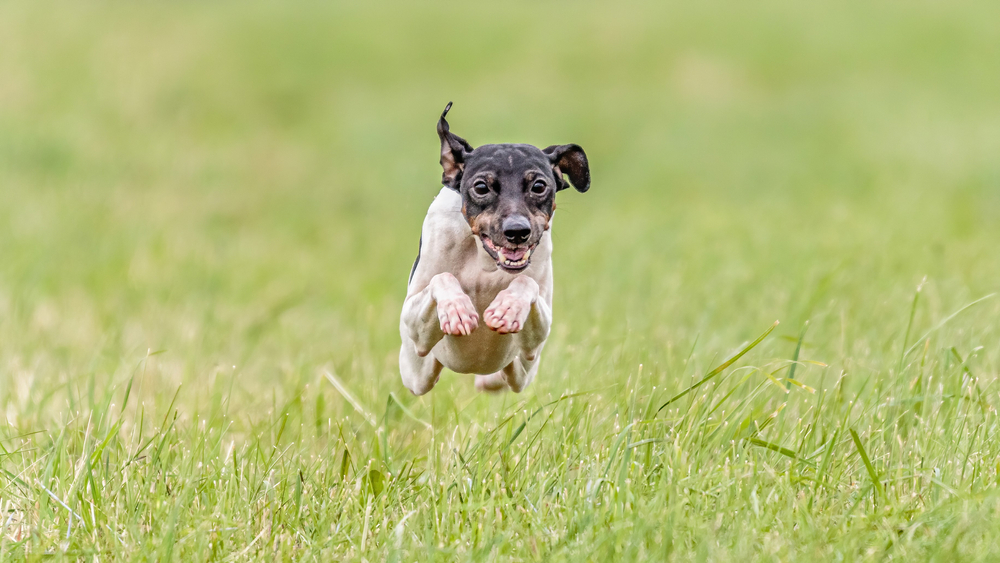
| Group: | Foundation Stock Service (AKC) |
| Lifespan: | 13–15 |
| Weight: | 10–12 pounds |
| Height: | 10–13 inches |
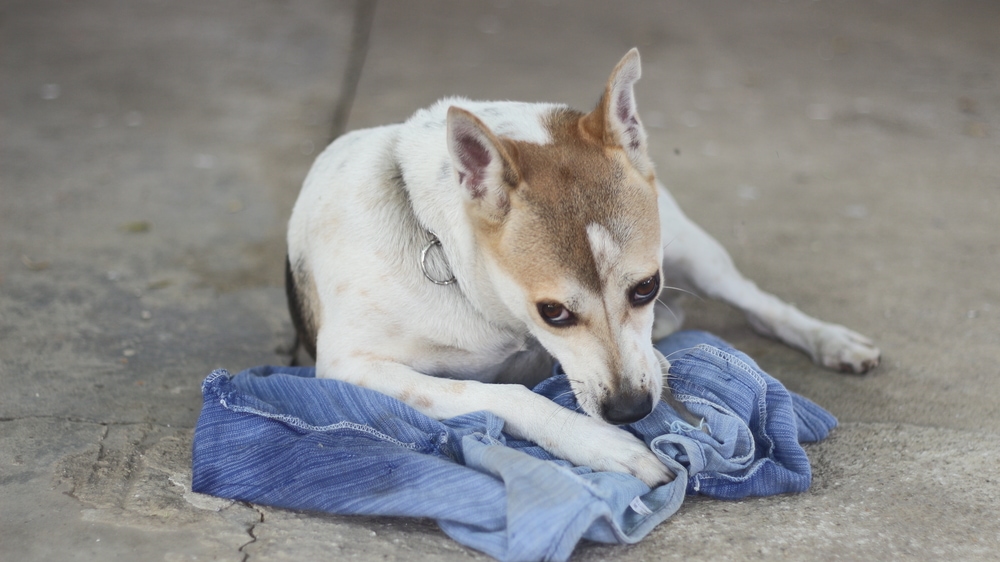
The Japanese Terrier originated as a mix of the Smooth Fox Terrier, small native Japanese breeds, and Italian Greyhounds. This breed forms strong bonds with one person and tends to be wary around strangers. They also have that famous terrier independence, feistiness, and athleticism.
6. Kai Ken
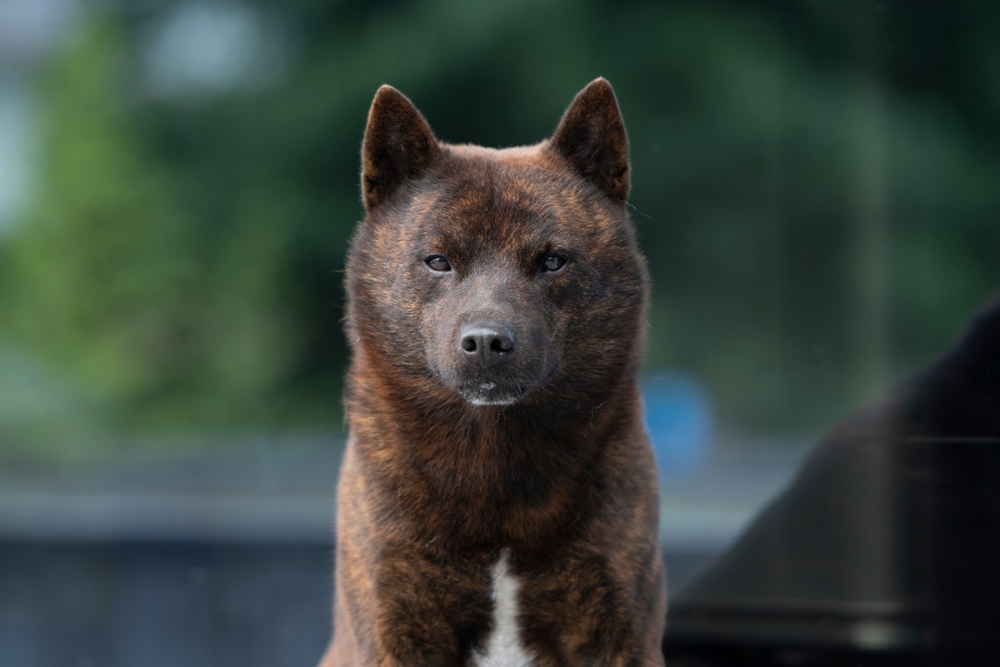
| Group: | Miscellaneous (AKC) |
| Lifespan: | 12–15 years |
| Weight: | 25–40 pounds |
| Height: | 15.5–19.5 inches |
The Kai Ken is one of the native Japanese breeds and was used to hunt game in the mountains. Even in Japan, this breed is considered rare.
Kais are highly intelligent and are able to be trained quite quickly. They are eager to please and form strong bonds with their families. This breed is known for being devoted, and they have a keen sense of loyalty. Additionally, Kais are strong swimmers and have been observed climbing trees when pursuing their prey!
7. Kishu Ken
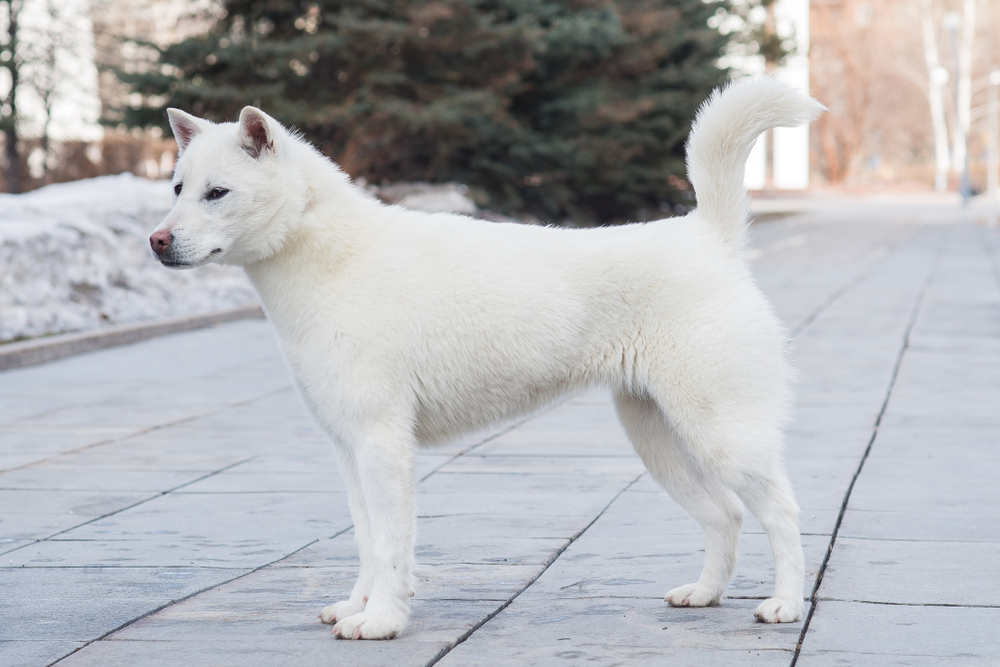
| Group: | Foundation Stock Service (AKC) |
| Lifespan: | 12–15 years |
| Weight: | 30–60 pounds |
| Height: | 19–22 inches |
The Kishu Ken is a highly athletic working dog that was originally bred for hunting boar and deer. This breed is particularly known for their exceptional endurance. They are naturally docile, faithful, and alert and tend to have a regal and dignified appearance.
The “Ken” in their name translates to “dog” in Japanese, and this breed is considered one of Japan’s national treasures.
8. Ryukyu Inu
| Group: | N/A (AKC) |
| Lifespan: | 12–13 years |
| Weight: | 40–50 pounds |
| Height: | 17–19.5 inches |
The Ryukyu Inu is one of Japan’s rare national treasures. This breed is known for their docile and courageous nature and was traditionally used for hunting boars on Okinawa, which is one of Japan’s southern islands.
Much like the Kai Ken, the Ryukyu Inu is known for their unique ability to climb trees using their dewclaws.
9. Shiba Inu
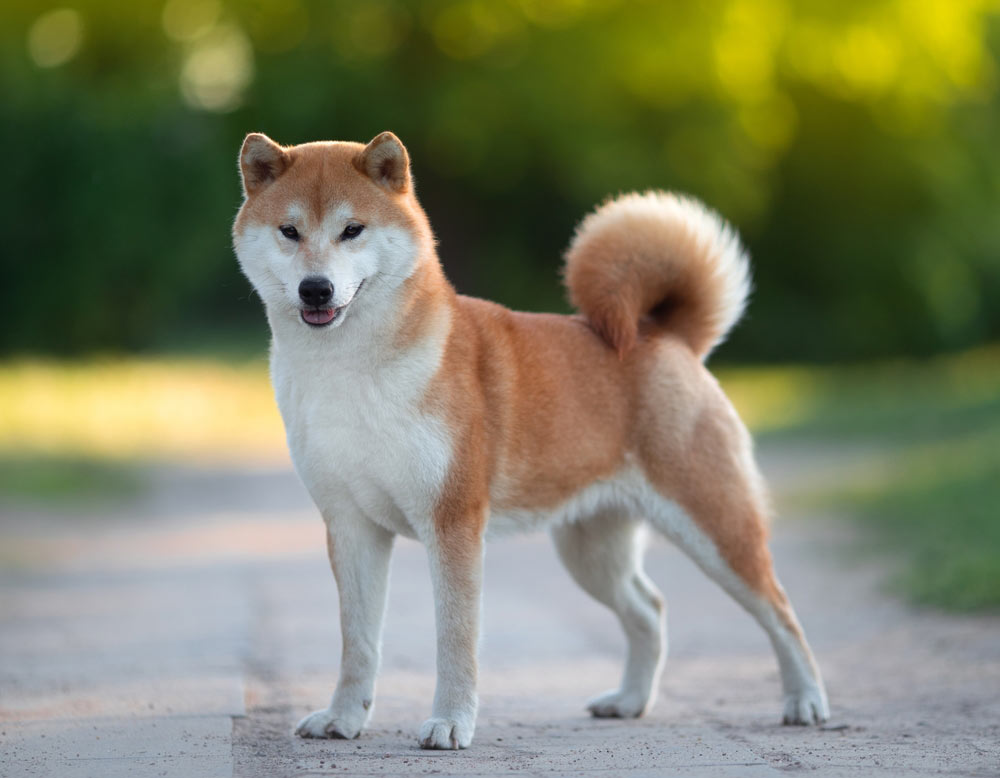
| Group: | Non-sporting (AKC) |
| Lifespan: | 13–16 years |
| Weight: | 17–23 pounds |
| Height: | 16.5 inches |
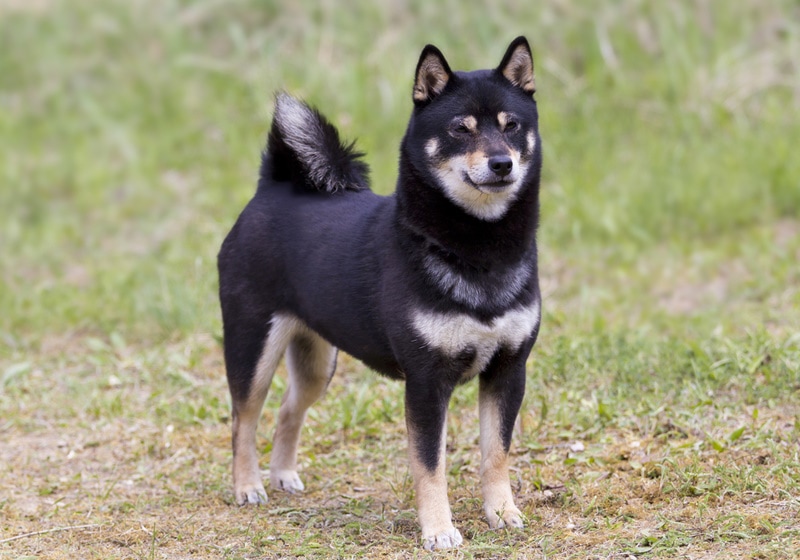
Many people have heard of the Shiba Inu, mainly due to the “doge” meme. This breed is not only famous in Japan but also recognized and loved all over the world.
The Shiba Inu is one of Japan’s national treasures, and they were originally bred as hunting dogs. This foxlike pup is known for their bravery, attentiveness, and alertness, making them an excellent companion.
10. Shikoku
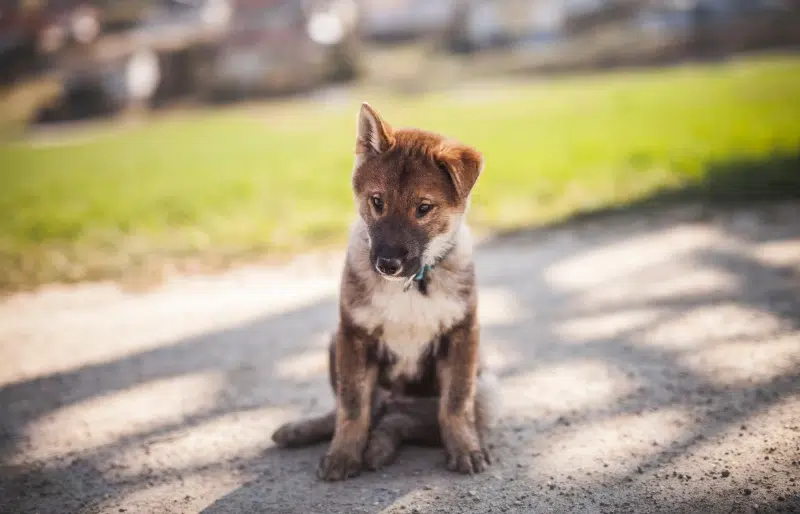
| Group: | Foundation Stock Service (AKC) |
| Lifespan: | 10–12 years |
| Weight: | 35–55 pounds |
| Height: | 17–22 inches |
The Shikoku is a highly spirited and lively dog with exceptional endurance. Like the other national treasures of Japan, they were originally bred to hunt wild boar. They are also referred to as Kochi-ken, which is derived from their place of origin: the Kochi Prefecture on the island of Shikoku. This rare breed is known for being independent yet eager to please.
11. Tosa Inu
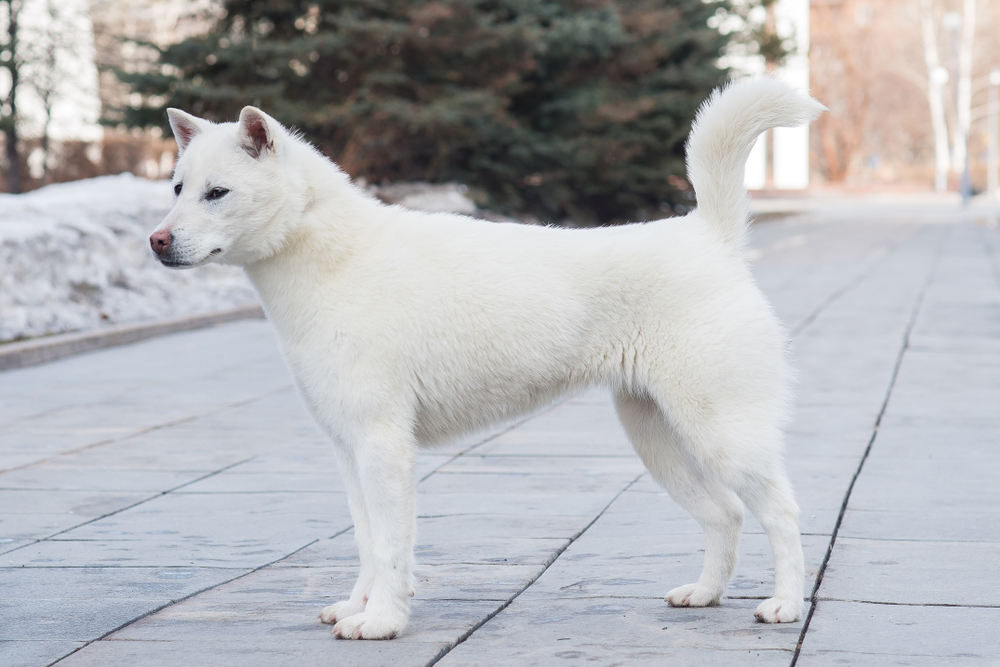
| Group: | Foundation Stock Service (AKC) |
| Lifespan: | 10–12 years |
| Weight: | 100–200 pounds |
| Height: | 5–23.5 inches |
The Tosa Inu is the largest of all of Japan’s breeds. They are also rare and are considered a Mastiff type that was originally bred for dogfighting. They hail from the Tosa region of Japan and are, unfortunately, still used for dogfighting.
Tosas are affectionate, quiet, and calm dogs that are wary around strangers and other canines. They are also known as the Tosa Inu, Tosa Ken, Tosa Dog, Tosa Token, Japanese Mastiff, and the Japanese Fighting Dog.
Conclusion
Many dog breeds that originated in Japan are relatively uncommon, especially outside Japan. That said, you may be able to locate the most popular breed, the Shiba Inu, from a breeder or an animal rescue organization in the U.S. There are also rescues that focus on specific breeds, such as the Shiba Inu Rescue Association.
It’s important to note that Japanese breeds have distinct personalities and physical characteristics, so it’s crucial to research the dog that you’re interested in before bringing them home. By doing so, you can ensure that they will be compatible with your family and you know what to expect from them.
Featured Image Credit: TOM KAROLA, Shutterstock
 How Are Japanese Dog Breeds Classified?