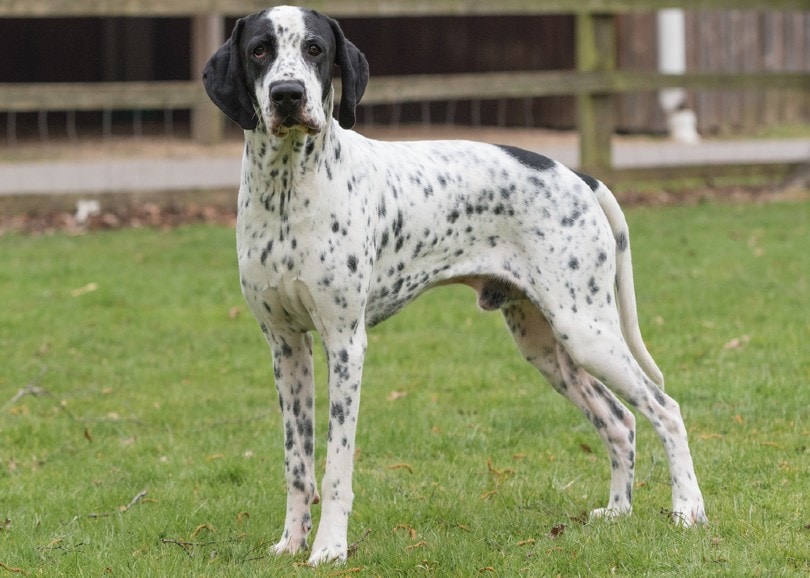
Deutsch Drahthaar Dog Breed: Info, Pictures, Care & More

In this article
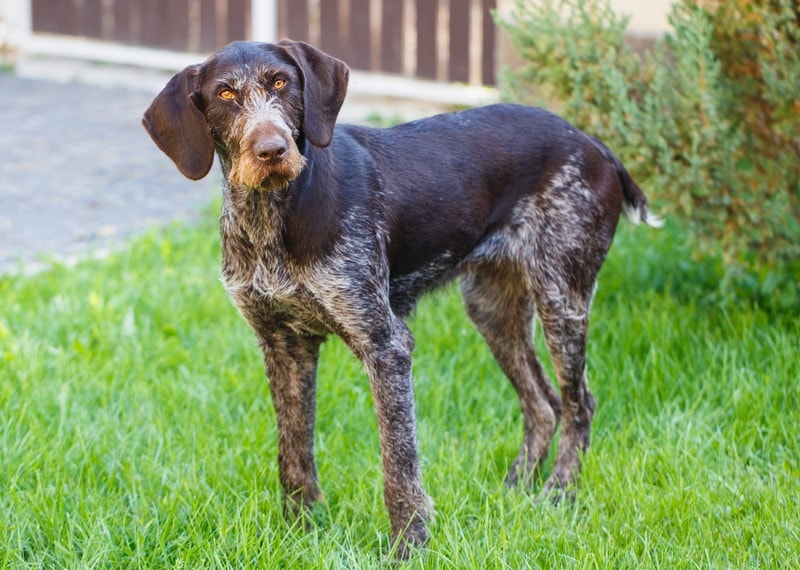
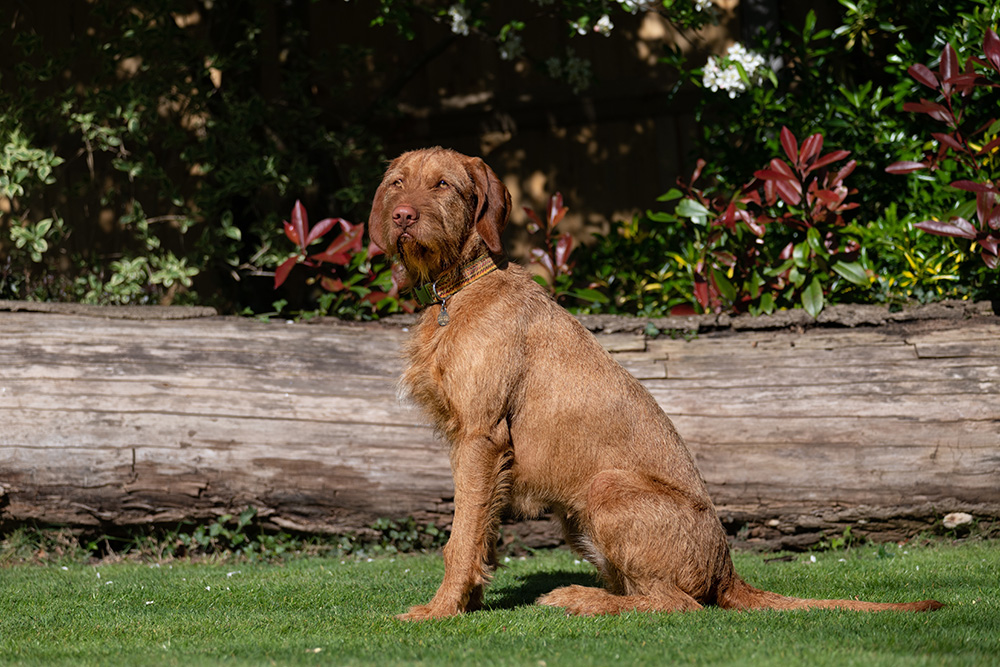
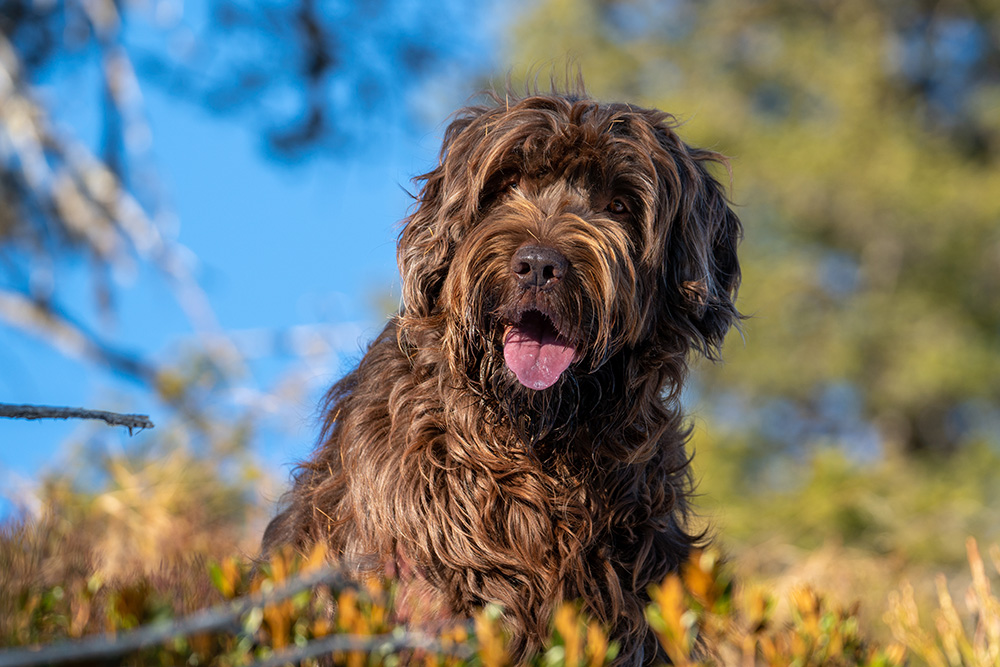
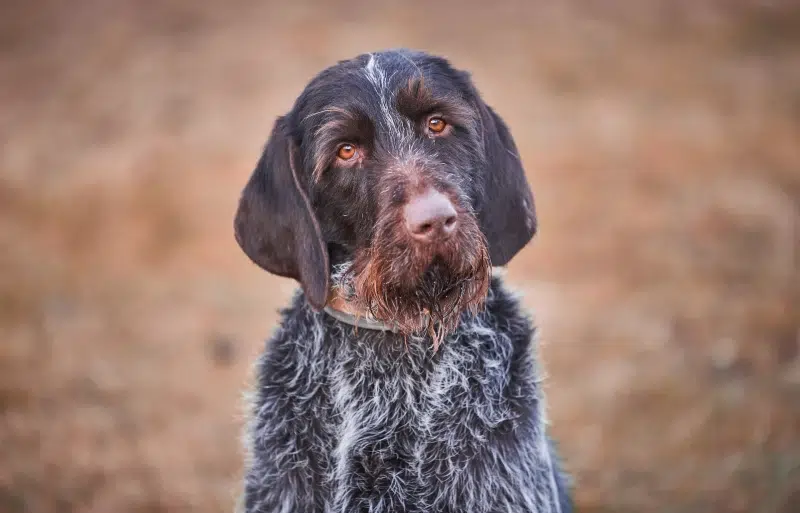
The Deutsch Drahthaar, also known as the “Deutscher Drahthaariger” or “Vorstehhund,” is a large hunting dog that originated in Germany. There is a great deal of ongoing debate about the breed being the same as the German Wirehaired Pointer (GWP), since the German name translates to “true German Wirehair,” but they are a different breed, albeit with a shared history.
Breed Overview
Height:
Weight:
Lifespan:
Colors:
Suitable for:
Temperament:
The Drahthaar is one of the most popular gun dogs in Europe because they are a “one-dog-fits-all” breed—they can point like a pointer, can retrieve like a Labrador, have a thick wiry coat that can easily withstand cold temperatures, and make a wonderful family pooch.
Does such an adaptable and proficient breed truly exist? Read on to find out more about this athletic breed and decide for yourself!
Deutsch Drahthaar Characteristics

Deutsch Drahthaar Puppies
Before you bring home a Deutsch Drahthaar, it’s important to note that they are exceedingly energetic dogs that need a ton of exercise to keep them happy and healthy. This will take at least 2 hours out of your day, every day, before you even train or play with them, so this is a massive responsibility.
Additionally, these energetic pooches need a home with a large backyard to play in and are not suited to apartment living. Without the required exercise, they can quickly become destructive and defiant, even with training.
Temperament & Intelligence of the Deutsch Drahthaar 🧠
The Deutsch Drahthaar is a formidable hunting dog, capable of incredible endurance, speed, and commitment. They are exceedingly loyal and affectionate toward their owners, and with the right training, they are about as obedient as they come.
This loyalty comes with a flipside, though, as these dogs can also be overly protective at times and need plenty of socialization and an owner with a firm yet gentle hand.
Are These Dogs Good for Families? 👪
With the right training and socialization, Deutsch Drahthaars can make wonderful family pets. With their unwavering loyalty, they make great guard dogs and will protect their family with their life. They can be highly energetic and boisterous, however, so they will need supervision around small children because they can easily accidentally knock them over.
Does This Breed Get Along With Other Pets? 🐶 😽
With their powerful hunting instincts, Deutsch Drahthaars will most likely see smaller pets as prey, and even with the correct training, this can be a difficult habit to break. The best method is to raise your Drahthaar with other pets from puppyhood, but even this is no guarantee.
They are generally friendly and passive with other dogs, though, as they have traditionally been used as a part of a pack.
Things to Know When Owning a Deutsch Drahthaar
Food & Diet Requirements 🦴
With the Deutsch Drahthaar’s seemingly inexhaustible energy levels, they’ll need nutrient-dense food that can provide them will all the fuel that they need. High-quality dry food is ideal, and around 3-4 cups per day split into two meals is perfect. Just make sure that the food has animal protein as the first listed ingredient, as this is the best fuel for these non-stop pooches. We recommend supplementing this with lean meats occasionally for added energy and healthy amino acids.
Try to find food that is specially formulated for energetic breeds, since this will give your dog the most benefit and will usually be free from unnecessary filler ingredients. As with all dogs, make sure they have access to fresh, clean water at all times.
Exercise 🐕
Deutsch Drahthaars need a great deal of exercise to stay happy and healthy because they are exceedingly active dogs. These dogs love nothing more than being given a job to do and performing tasks as close as possible to what they were bred for. At least 2 hours of exercise per day is needed for this breed, but the more, the better.
Bear in mind that they are also highly intelligent animals, and a simple jog or walk around the neighborhood will not be enough. They need plenty of mental stimulation too, which can be provided with various interactive play and games.

Training 🎾
For first-time dog owners, Deutsch Drahthaars will certainly be a challenge to train. They can be strong-willed at the best of times and need a firm and confident hand during training. You’ll need to be ruthlessly consistent during training and establish yourself firmly as the pack leader; otherwise, your Drahthaar will assume the position themselves! Using reward-based techniques and keeping training sessions short and entertaining is vital and will go a long way in making the whole process easier.
The same goes for socialization, an often overlooked aspect of training. A Drahthaar who is not socialized enough will be easily distracted once they encounter other dogs, humans, and animals, and all their hard work may go out the window. Begin socialization from the day that you bring your Drahthaar home.
Grooming ✂️
The wire-haired coat of Deutsch Drahthaars is typically easy to groom, and they don’t shed much. You’ll need to brush them once or twice a week to remove dead hair and help spread the natural oils in their coat, but they may need to be stripped by a professional several times a year. You don’t need to bathe them unless absolutely necessary, and even then, use only specially formulated dog shampoos to avoid stripping their coat of their natural oils.
Other than that, you’ll need to perform regular checks on their ears for any signs of infection, and it’s even a great idea to give them a wipe with a damp cloth every few days. They may need toenail clipping occasionally but will usually wear their nails down themselves with regular activity. Lastly, they’ll need tooth brushing once or twice a week to prevent plaque build-up and dental disease.
Health and Conditions ❤️ 🏥
Deutsch Drahthaars are a healthy, robust breed in general that suffers from few genetic health problems. That said, they are susceptible to several health issues that commonly affect active breeds, including the following:
- Hip dysplasia. This disease is a condition characterized by weakness and numbness in the hip joints. Unfortunately, the disease can rapidly progress in active dogs like the Deutsch Drahthaar, and there is no cure, only careful management with exercise and medication.
- Shoulder Osteochondrosis. This disease occurs mainly in large, active dogs, caused by a piece of cartilage separating from the underlying bone and resulting in pain and inflammation due to the exposed nerves.
Male vs. Female
The last decision to make if you’ve decided that the Deutsch Drahthaar is the breed for you is whether to get a male or a female. In general, there is little difference between male and female Drahthaars other than size. Males are slightly taller and heavier, and since they mature later, they may be a bit more of a challenge to train. But neutering and spaying your dogs will mitigate any hormonal differences.
It’s important to note that all dogs are individuals, and your dog’s personality is far more affected by their upbringing and environment than their sex.
3 Little-Known Facts About the Deutsch Drahthaar
1. They are not the same as German Wirehaired Pointers
While there are certainly striking similarities between Deutsch Drahthaars and GWPs, these are two distinctly different breeds. The GWP was developed from the Deutsch Drahthaar in the early 1920s and was recognized as a distinct breed in 1959, whereas the Deutsch Drahthaar was first developed in Germany in the late 1800s.
2. They were created as “all-around” hunting dogs
For a long time before and during the early 1800s, hunting dogs were reserved for nobles because they were the only ones able to afford kennels, trainers, and breeding. After the Industrial Revolution, others wanted to join in with hunting but could not afford the resources, so a group of breeders decided to change that.
They developed the Deutsch Drahthaar to be able to hunt in various conditions—water, forests, and fields—this was a dog that could do it all and thus, required fewer resources.
3. They were developed using several breeds
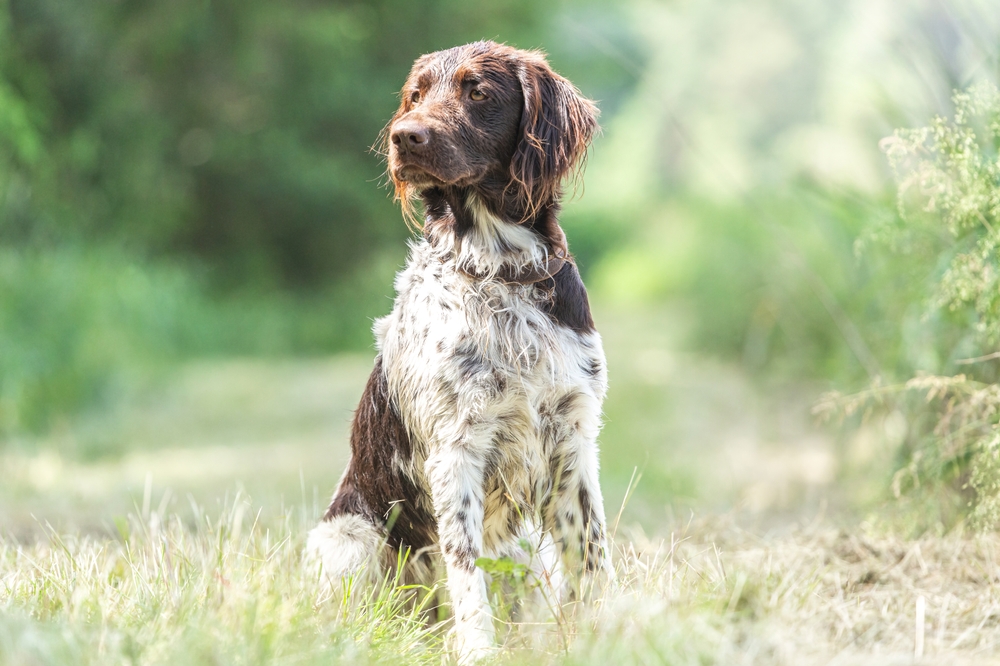
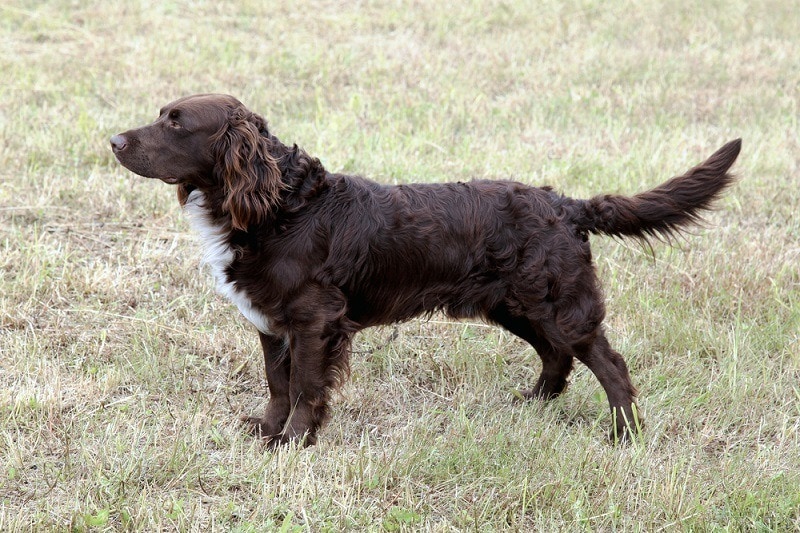
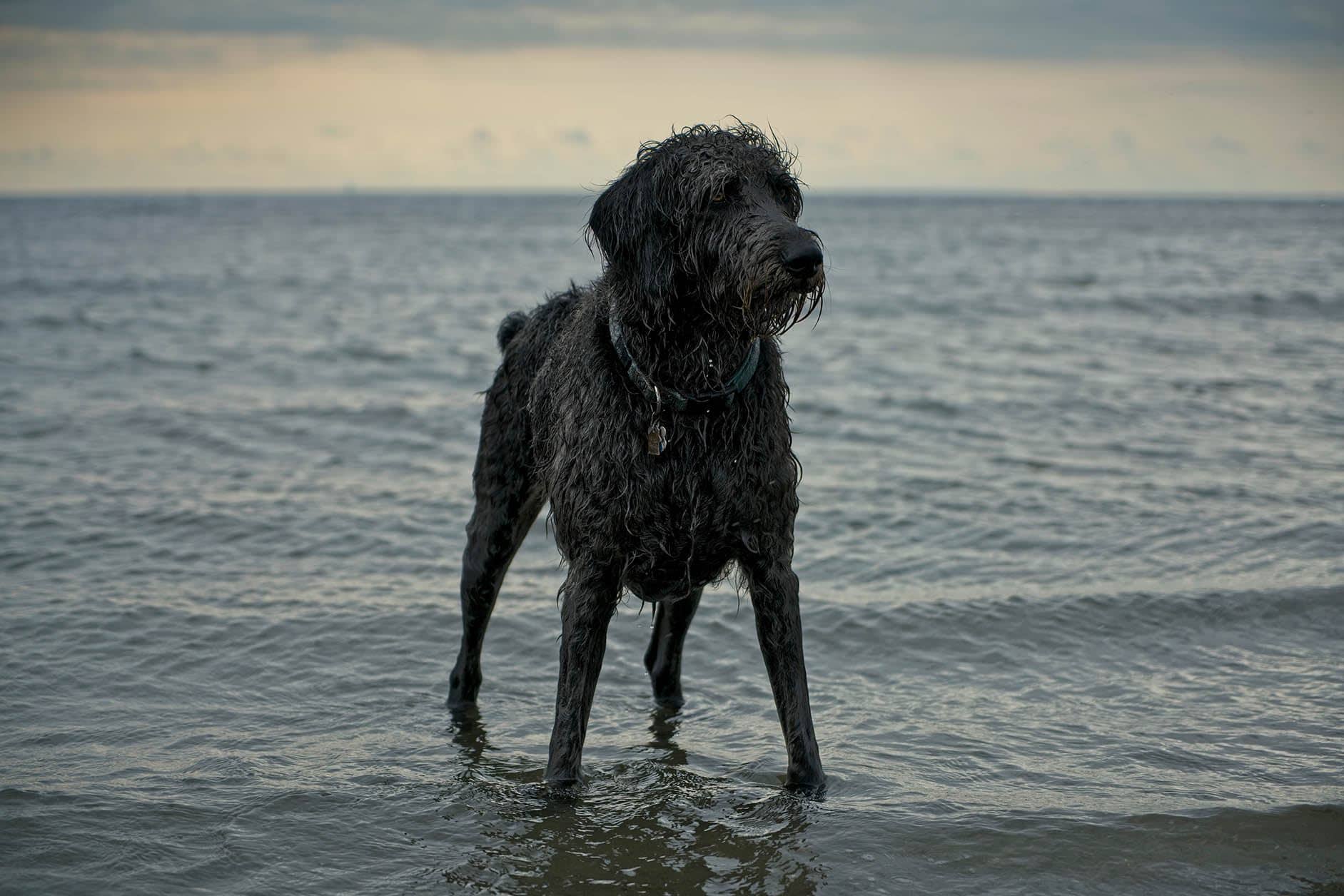
In order to achieve everything that was needed for an “all-around” hunting dog, the Deutsch Drahthaar was created with several breeds that all had a few of the required characteristics. Some of the breeds used were the Deutsch-Kurzhaar, Stichelhaar, Griffon, and the Pudelpointer.

Final Thoughts
The Deutsch Drahthaar is an active, athletic, and agile dog that needs a ton of exercise to stay happy and healthy. They are the epitome of a working dog, and while they make great family dogs too, they are happiest when given a job to do. They’ll need a firm and confident hand in training, without which, they’ll assume the role of pack leader and become potentially destructive. Training can be difficult for novice owners because these dogs are strong-willed, but with patience and the right techniques, they are amazingly obedient animals.
If you’re looking for a hardworking hunting dog that can be a loving family dog too, the Deutsch Drahthaar is an incredibly adaptable animal that can easily fill both roles.
We have a complete list of other German Dog Breeds (With Pictures) for you to explore!
See also:
Featured Image Credit: Happy monkey, Shutterstock
Expert dog care, straight to your inbox
Vet-reviewed advice, training tips, and the best of Dogster. Free, and you can unsubscribe anytime.
By signing up, you agree to our Terms & Conditions and Privacy & Cookies Policy.
Nicole has loved animals of all sizes her whole life so it's no wonder she has dedicated her career to helping them through what she loves best: learning, writing, and sharing knowledge with others. She’s the proud mom of two dogs, a cat, and a human. With a degree in Education and 15+ years of writing experience, Nicole wants to help pet parents and pets around the planet to live happy, safe, and healthy lives.
Join the conversation
Ask a question, share your story, or send private feedback.