Basenji vs. Shiba Inu: Differences Explained (With Pictures)

In this article
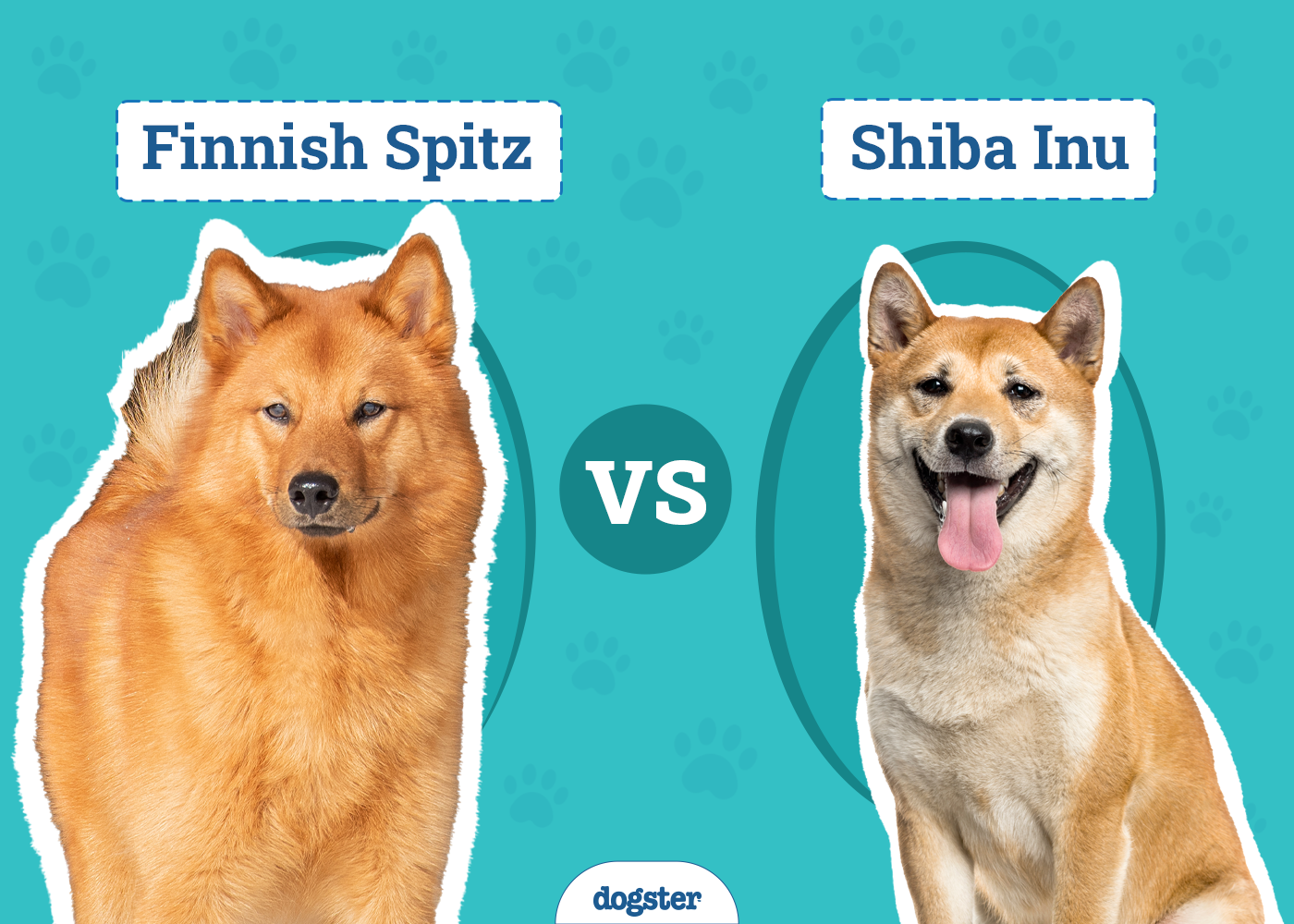
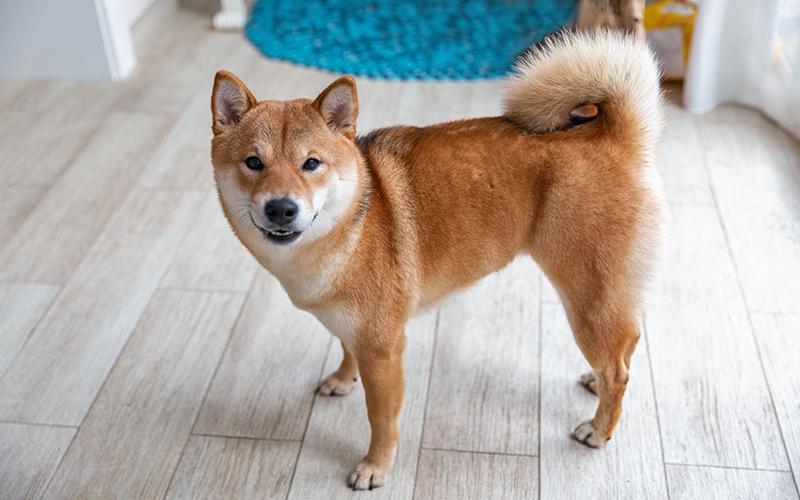
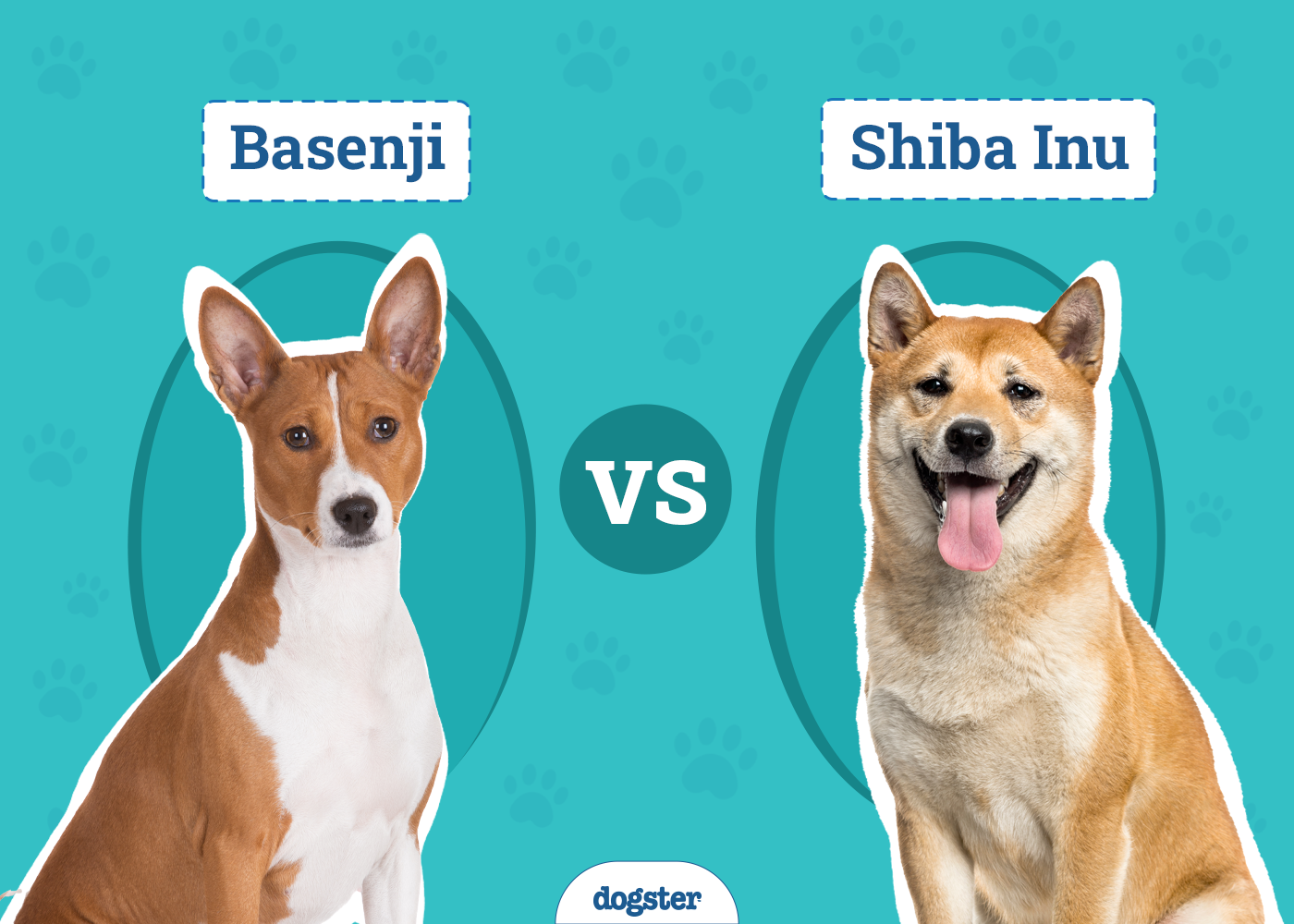
Because of their erect ears, curled tails, and tan coats, the Basenji and Shiba Inu are similar in many ways. That makes choosing between the two quite tricky at first glance. But if you look closer, you’ll find several differences that set these breeds apart.
While the agile Basenji originates from Africa, the high-energy Shiba Inu is a Japanese breed. However, their differences aren’t just limited to their origins. With opposing energy levels, grooming needs, and trainability, these breeds suit different pet owners.
If you’re curious about which breed will thrive in your home, you’re at the right place. Let’s discuss the similarities and differences between the Basenji and the Shiba Inu to make an informed decision.

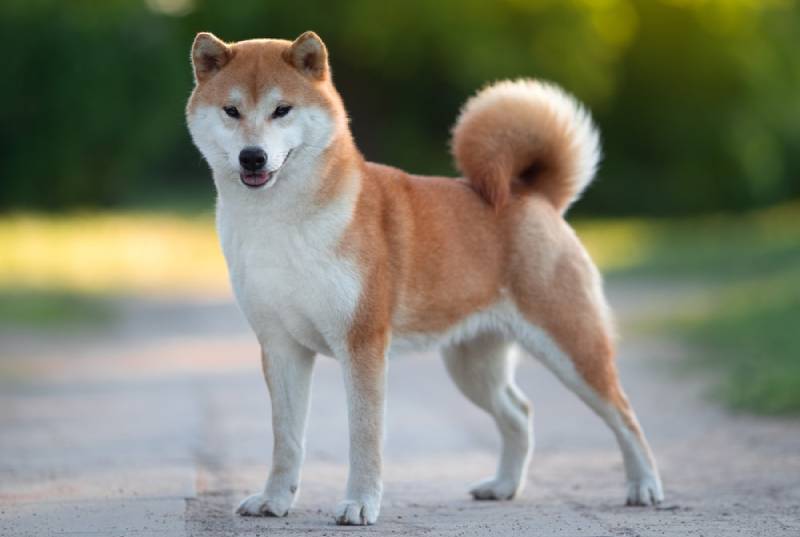
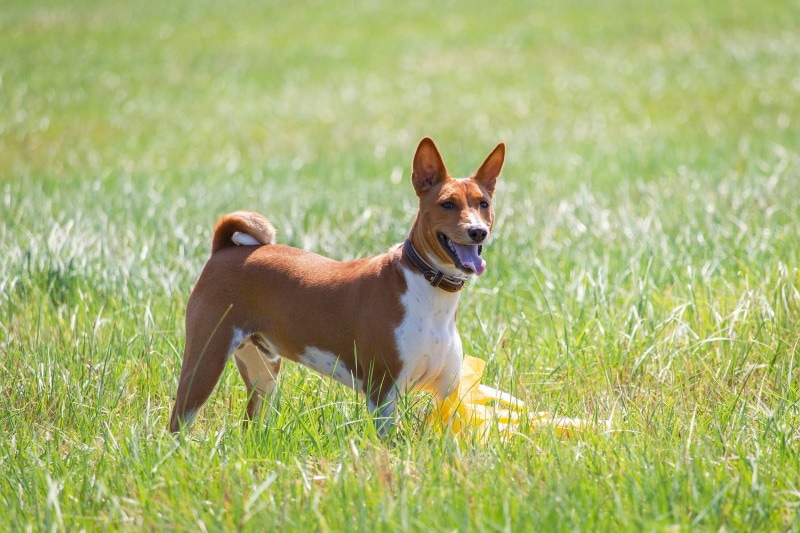
Visual Differences

At a Glance
Basenji Overview

Among the oldest AKC breeds, the Basenji has a lineage dating back to the first ever domesticated dogs 1. In fact, they were brought up the Nile as gifts for the pharaohs! Their presence is even confirmed by Babylonian and Mesopotamian art.
Initially, Basenjis lived as semi-wild dogs near the Nile and Congo rivers. They were versatile hunters with expert vertical leaps to scout prey in the African grasslands. While the mighty civilizations fell, Basenjis remained isolated in remote areas of the African continent.
Still, their journey to the West was difficult and tragic, but they arrived in England in 1937. Soon, they entered the US and became a sensation among dog lovers. Today, their history is proof of their resilient and independent nature.
Personality / Character
Basenjis have quite the personality! They’re smart cookies with high intelligence and quick learning abilities. Their long history gives these pups a streak of self-reliance, so they may act cold and reserved around strangers.
But don’t let their hardened exterior fool you. Basenjis are affectionate lovers at heart, but they’ll need to get comfortable before showing you their cuddly side. They’re also curious adventurers, always looking for the next thing to explore.
Basenjis are known for their top-notch alertness, making for fantastic watch dogs. The most adorable aspect of this breed is their unique vocalizations. You’ll often find them yowling and singing to showcase their playful nature.

Exercise 🐕
If you’re going to own a Basenji, get ready for some daily adventurous fun! These dogs are always on the go and full of curiosity, so they need at least 2 hours of daily exercise. Basenjis are not suitable for those with a sedentary lifestyle.
Habitual to the African grasslands, these dogs need space to play and run. They thrive in large homes with fenced yards to enjoy unrestricted off-leash daily activity. They love it even more when you join their play sessions, giving you a chance to bond.
It’s crucial to keep an eye on your Basenji while they enjoy their off-leash time. These dogs are escape artists with a strong hunting instinct, so supervision is vital. You can also let them burn energy with lure coursing, tracking, and agility competitions.
Training 🎾
Like any breed, Basenjis need early socialization and training. Here’s the thing: these dogs are energetic, intelligent, and mischievous, so it’s not easy to train them. They need the expertise of a seasoned dog owner to guide them and end their stubborn streak.
Basenjis are known for their cat-like energy, but fear not! These quick learners can soak up commands and tricks as long as you use the right approach. Positive reinforcement and rewards work wonders with these clever pups.
You must remember that Basenjis have a short attention span. So, make sure your training sessions last no more than 10 minutes at the same time every day, which helps retain the tricks in their brain.

Health & Care
Basenjis are generally known as a robust and healthy breed. If you buy from a responsible breeder, they’ll go the extra mile to screen these dogs for breed-specific health conditions. These dogs are prone to IPSID, hip dysplasia, and hypothyroidism.
Responsible breeders also perform gene tests on Basenjis to check for Fanconi syndrome and progressive retinal atrophy. These tests allow them to make informed breeding decisions and avoid diseases in dogs.
Other than breeding precautions, you should also take your Basenji for regular vet visits. Remember, a healthy Basenji is a happy Basenji!
Grooming ✂️
Basenjis are often compared to cats in their grooming habits and for good reason. These dogs love cleanliness, which is why grooming their coats is a breeze. All you need is a weekly once-over with a soft-bristle brush or hound glove.

Suitable For:
If you’re looking for an active, loyal, and intelligent buddy, a Basenji will be the perfect fit for you. These pups need lots of physical and mental stimulation, so you must have enough time to play with them. They thrive in homes with fenced yards to burn off their energy in.
Basenjis are not suitable for first-time dog owners with no experience in training. Since they can be pretty stubborn, they need the strict hand of an expert to guide them. Luckily, these dogs have a redeeming trait: minimal barking.
They’re also not suitable for those who already own other pets. Basenjis have a strong prey drive, so they’re not to be trusted around small pets.
Pros
- Low grooming needs
- Minimal barking
- Athletic and agile
- Unique and charming vocalizations
Cons
- Independent and stubborn
- Not suitable for first-time owners
- Reserved with strangers
- Strong prey drive
Shiba Inu Overview

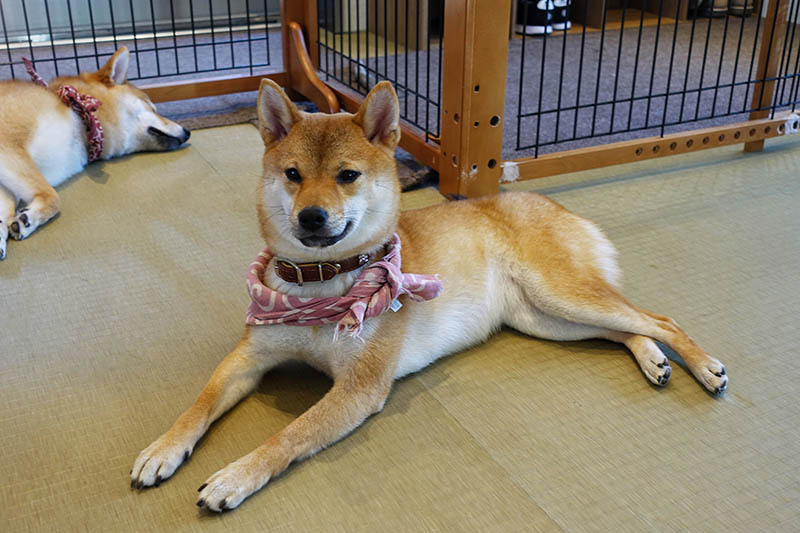
The Shiba Inu has a pretty interesting backstory. This adorable breed made its way to the US in the 1950s with the help of a military family. But its actual origins go all the way back to 300 BC!
Even its name has a meaningful history. In Japanese, “Shiba” translates to “brushwood,” while “Inu” means “dog.” Brushwood refers to the dog’s signature reddish-brown coat as well as their role as skilled hunters in Japan’s rugged mountains.
As the Second World War ended, the breed nearly went extinct. Surprisingly, they survived these hardships and emerged as Japan’s best companion animal! Today, the breed is honored in many ways, including the Shibu Inu cryptocurrency coin.
Personality / Character
Shiba Inu’s personality is as captivating as their looks. They’re fiercely loyal to their loved ones and would do anything to protect their families. Despite their reliable nature, they also have independent and stubborn attitudes at times.
Luckily, these traits combine to make excellent watchdogs, ready to sound the alarm when needed. Their confidence is also eye-catching, as this breed has an assertiveness you rarely see in dogs. Even more, these intelligent dogs have resourceful problem-solving skills!
The best part about this breed is its cleanliness. Unlike most dogs, Shiba Inus groom themselves with feline accuracy, taking pride in their looks.

Exercise 🐕
Shiba Inus are energetic bundles of joy and love going on walks. They need about an hour of daily exercise, less than their Basenji competitor. Still, they need a fenced yard to roam in or a daily walk to stay stimulated.
The good news is that they don’t showcase any destructive behavior when left alone. But they still need some of your attention throughout the day! Some Shiba Inus may experience separation anxiety, so they could benefit from crate training.
Other than that, they can burn off their daily energy levels with a quick game of fetch. Not only does it keep them fit but it also helps you build a deeper bond with your pup.
Training 🎾
When training a Shiba Inu, remember a few golden rules about this independent pup.
These dogs are not to be trusted off-the-leash unless they’re playing in a fenced area. Shiba Inus are naturally curious, so any open door is enticing enough for them to venture off. That’s exactly why leash training your Shiba Inu should be your first priority.
In other training aspects, they have a similar stubbornness as the Basenji. But with the power of positive reinforcement, you can teach them anything.

Health & Care
Shiba Inus aren’t as robust as Basenjis, as they’re prone to a number of allergies! Unfortunately, there’s no specific test to screen breeding stock for allergies, so you’ll just have to deal with them. In dogs, allergies typically appear as skin irritation, itching, and infections.
But there’s good news: Shiba Inus can live normal and healthy lives even with their allergies. You’ll only need to make a few changes in their diet and topical products. Their allergies become apparent at about six months, so you can identify the allergen early on.
Also, buy Shiba Inus from responsible breeders who screen the dogs for eye disorders and patella luxation.
Grooming ✂️
Unlike the low-maintenance Basenji, Shiba Inus shed quite a lot! On paper, they only shed during shedding seasons, but any Shiba owner would tell you it lasts much longer. Since their coat isn’t long, occasional brushing is enough to avoid mats.
During shedding seasons, you’ll need to brush every other day, or you’ll find hair floating around your home. You can also use a blow dryer to blow off dandruff and loose hair. This is also the perfect time to check for fleas.
The best part is that most Shiba Inus even enjoy the sensation of the blower, making your grooming sessions a chance to bond. While these stubborn dogs can resist nail trimming and ear cleaning, it’s still necessary.

Suitable For:
Shiba Inus are suitable for experienced dog owners with busy lifestyles. They won’t destroy your furniture when you leave them at home, and exercise needs are also minimal. They have a low prey drive, so they’re perfect for multi-pet homes.
Since they keep themselves fairly clean, they don’t require regular baths or frequent grooming. Like Basenjis, they need expert training to control their escaping tendencies. You’ll need to off-leash train them, which can be pretty tricky.
If you’re looking for a watchdog to protect your property, Shiba Inu are alert and loud enough to do the job. Their very nature is also why they keep a cool reserve with strangers.
Pros
- Loyal and affectionate
- Low prey drive
- Long lifespan
- Excellent watchdogs
- Self-grooming nature
Cons
- Escaping tendencies
- Moderate grooming needs
- Independent and stubborn
- Reserved with strangers
Which Breed Is Right for You?

The decision between the two breeds depends entirely upon what you need in a furry friend. If you want an active yet low-maintenance pup, a Basenji is just what you need. Meanwhile, Shiba Inus will thrive in your home only if you have the time and dedication.
Individuals that prioritize daily exercise will relate to the energetic nature of Basenjis, who need at least 2 hours to play. On the other hand, those with a more sedentary lifestyle may be better suited to the Shiba Inu. These dogs need an hour of daily activity but won’t climb the walls without it.
In terms of trainability, both breeds need an expert hand to ground them. But there’s no doubt that Shiba Inus are harder to deal with than Basenjis. Besides other aspects, you’ll also need to crate-train and off-leash-train them.
More importantly, Shiba Inus are better suited for multi-pet homes as Basenjis have too strong of a prey drive. At the end of the day, the choice is ultimately based on your preferences.
Related Reads:
Sources
Featured Image Credit: Top - Verbitskaya Juliya, Shutterstock | Bottom - FRA v, Pexels
Expert dog care, straight to your inbox
Vet-reviewed advice, training tips, and the best of Dogster. Free, and you can unsubscribe anytime.
By signing up, you agree to our Terms & Conditions and Privacy & Cookies Policy.
Jeff is a data privacy tech professional who spends his evenings writing and practicing photography. He's been a software team lead at various Fortune 100 startups for 20 years and loves to relax after work with his pets.
Join the conversation
Ask a question, share your story, or send private feedback.