Are Korean Malteses Different Than Regular Ones? Vet-Verified Facts & FAQ



The Maltese dog breed is known for their elegant appearance and charming personality. However, you may have heard the term “Korean Maltese” and wondered if there is any difference between a Korean Maltese and a regular one. While they are not separate breeds, there are a few minor differences between the two. The term is often used to describe Maltese dogs bred or groomed according to certain popular aesthetic preferences seen in South Korea. These differences are usually subtle and may include facial features, coat styles, or overall appearance rather than temperament or breed classification.
Keep reading as we discuss the characteristics and origins of Korean Malteses and regular Maltese dogs to help you be better informed.

The Maltese Dog Breed
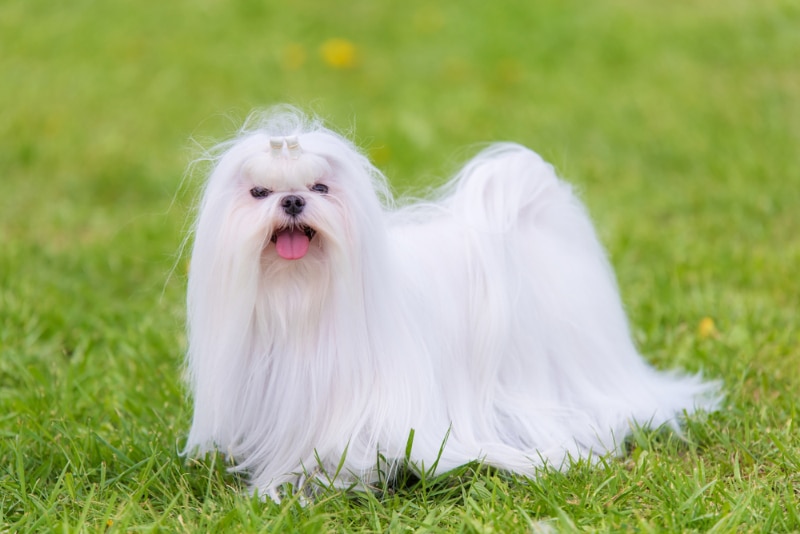
The Maltese is a small, toy-sized dog with a long, silky white coat. They are often friendly and affectionate, making them popular as a family pet. The exact origins of the breed are not fully known, but the Maltese is widely considered an ancient breed with roots in the Mediterranean region, particularly around the island of Malta.

Korean Malteses
It is important to note that no kennel clubs recognize the Korean Maltese as a separate breed from the standard Maltese. “Korean Maltese” is simply used to describe Maltese dogs that are bred or originate from Korea. However, this does not imply that they have distinct characteristics or are fundamentally different from other Maltese dogs. Any differences that do exist have more to do with the breeder than the breed.
Origin & Popularity
Korean breeders have gained a reputation for producing high-quality Maltese dogs. Over the years, they have focused on breeding dogs with specific traits, such as smaller size and rounder facial features. These breeding preferences have made Korean Malteses popular due to a particular appearance, often associated with popular grooming trends in Korea. However, these differences are aesthetic rather than official breed distinctions, and responsible breeding should always prioritize health and temperament, and follow sound breeding practices over appearance alone.
Appearance & Physical Characteristics
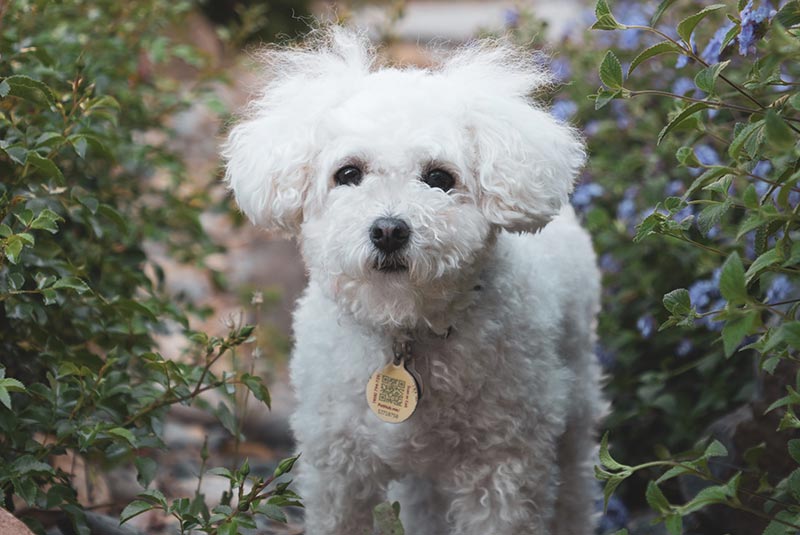
Korean Malteses may exhibit subtle differences compared to their counterparts from other regions. For example, breeders in Korea often aim for a more compact body structure and a shorter, more “baby doll” face. As a result, a Korean Maltese may have a slightly different head shape and marginally shorter snout than a regular Maltese. However, it is important to note that these variations are not exclusive to Korean Malteses, and you might find them in Maltese dogs from other regions.
Temperament & Personality
Korean Malteses share the same traits as regular Malteses, which are affectionate, intelligent, and playful dogs that thrive on companionship and human interaction. Both make wonderful family pets and often excel at being lapdogs due to their gentle and loving natures. They are good with children and can get along well with other pets if you socialize them early, although supervision is recommended around very young children due to the breed’s small size.
Care & Maintenance
The Korean Maltese has a long, luxurious coat that needs regular grooming to prevent matting and tangles. Routine dental care, exercise, and a balanced diet are essential for maintaining their overall health. Regular check-ups with a veterinarian can help you detect issues early, which may improve treatment and management outcomes and support a longer, healthier life.
Are Korean Malteses a Separate Breed From Regular Malteses?
No, Korean Malteses are not a separate breed from regular Malteses. People use the term “Korean Maltese” to refer to Maltese dogs originating from Korea or bred by Korean breeders, often reflecting certain aesthetic preferences or grooming styles popular in the region. However, major kennel organizations, including the American Kennel Club, do not recognize the Korean Maltese as a distinct breed or variety.
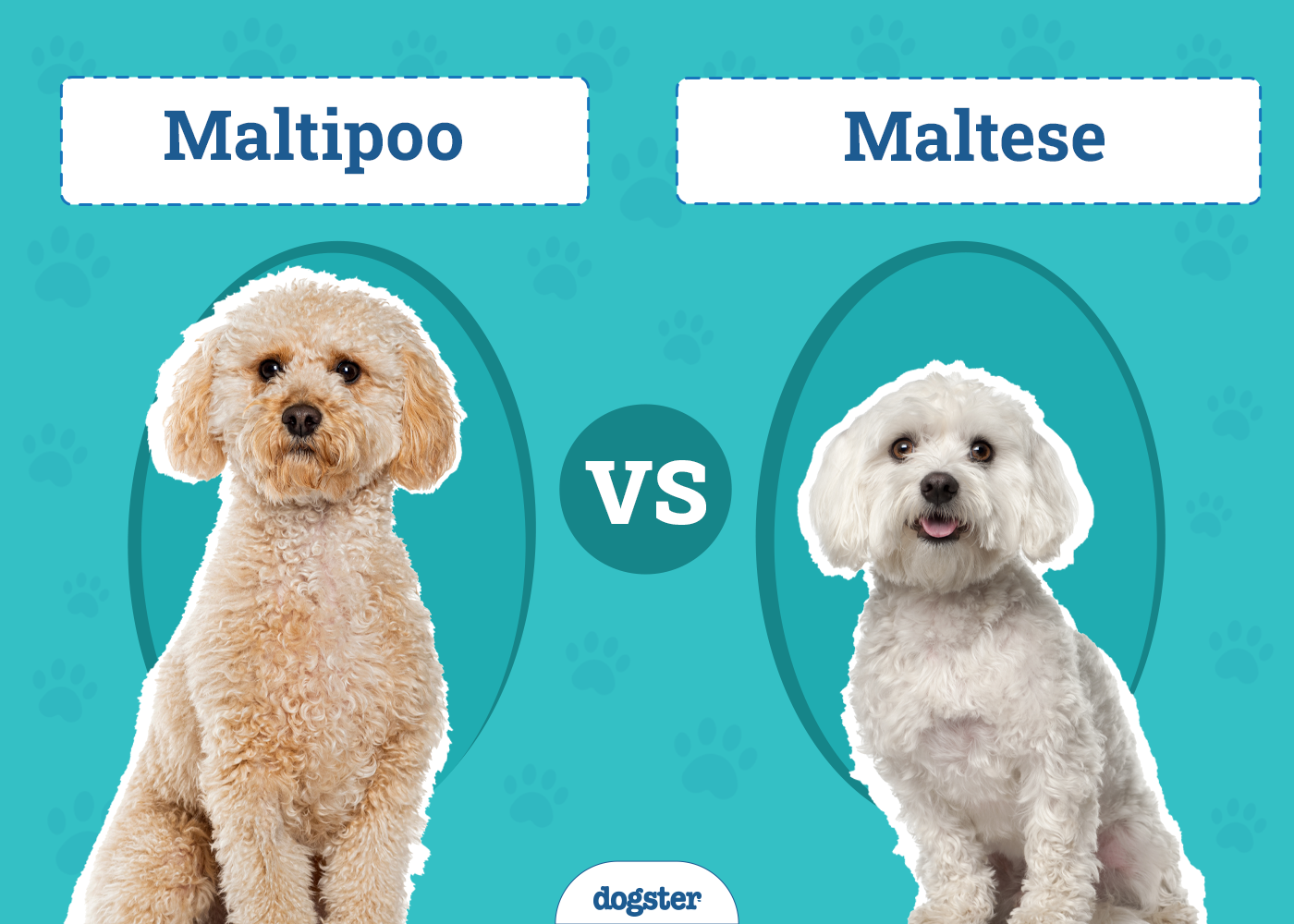
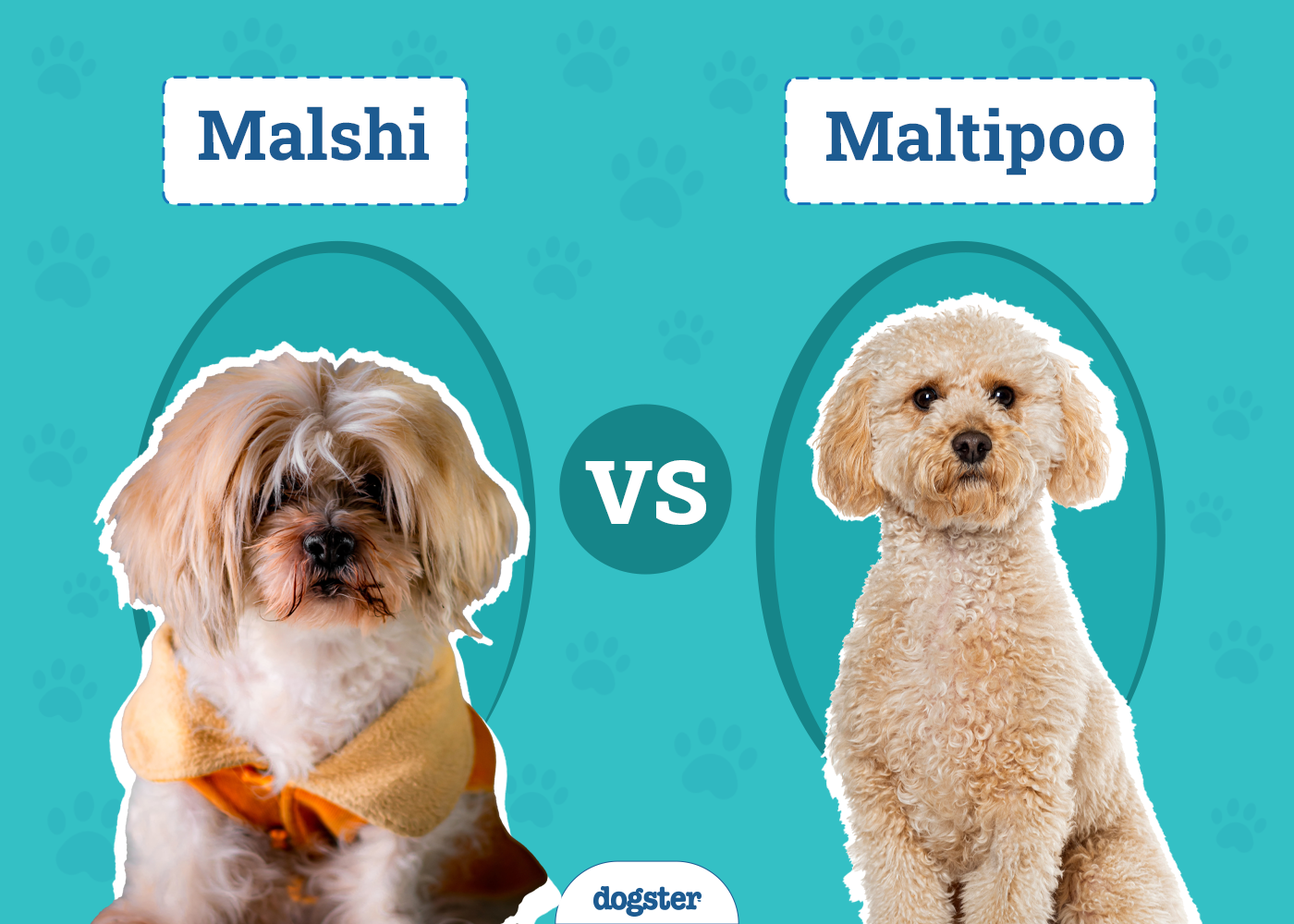
Breeders may choose Maltese parents with desired traits like a round head or small body to “selectively breed” a dog with similar characteristics. If dogs with these traits become popular, and most people in an area have them, as in Korea, people might think that they are a separate breed. However, selective breeding is different than mixing the Maltese with another breed, like the Poodle, which would create a hybrid or mixed breed, which in this case, is the Maltipoo.
Where Can I Find Korean Malteses for Adoption?
If you want to adopt a Korean Maltese, we recommend contacting reputable breeders specializing in Maltese dogs to see if they can help. You can also check with your local rescue organizations that might have one that you can adopt.
Final Thoughts
The Korean Maltese is the same dog as a regular Maltese and will have the same temperament and share many traits. In some cases, the only difference is that the dog originated in Korea or that a Korean breeder created them. Other times, it can refer to a standard Maltese that underwent selective breeding to get traits popular in Korea, like a smaller body and rounder face. However, it is important to note—especially before you spend extra money on one—that you can likely find a standard Maltese that has the same traits simply by shopping around.
See also: 7 Korean Dog Breeds (with Pictures)
Featured Image Credit: GraceSilver, Shutterstock
Expert dog care, straight to your inbox
Vet-reviewed advice, training tips, and the best of Dogster. Free, and you can unsubscribe anytime.
By signing up, you agree to our Terms & Conditions and Privacy & Cookies Policy.
Nicole has loved animals of all sizes her whole life so it's no wonder she has dedicated her career to helping them through what she loves best: learning, writing, and sharing knowledge with others. She’s the proud mom of two dogs, a cat, and a human. With a degree in Education and 15+ years of writing experience, Nicole wants to help pet parents and pets around the planet to live happy, safe, and healthy lives.
Join the conversation
Ask a question, share your story, or send private feedback.