Are Great Danes Aggressive Dogs? Breed Traits & Determining Factors


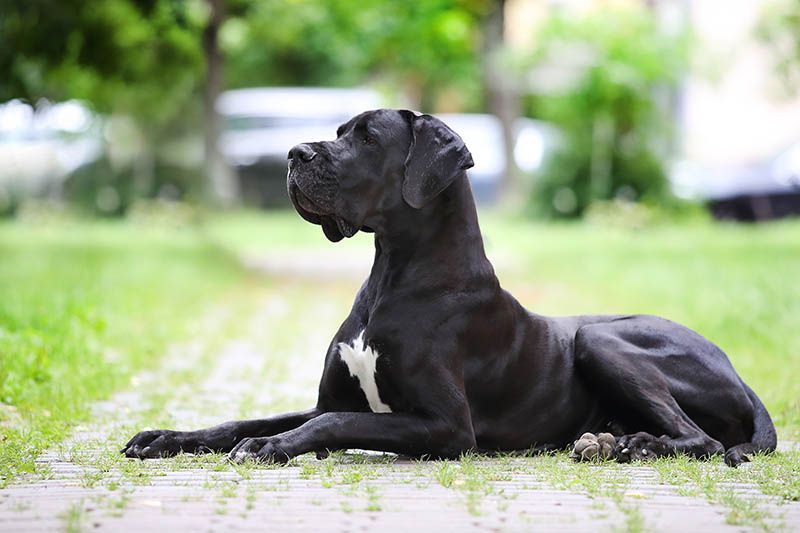
While dogs are the most popular pet in America, and many consider them “man’s best friend,” a few breeds are known to have a predisposition towards aggression, which can be concerning to homeowners and people with children when choosing a new pet. Since the Great Dane is large and intimidating, many people worry about whether they can be aggressive.
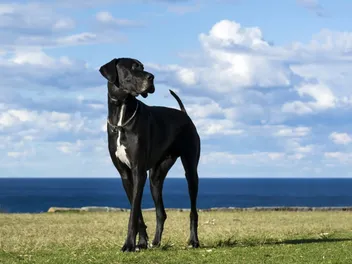
Fortunately, Great Danes are not usually aggressive, but keep reading while we explain what might cause them to be and list several other facts you might not know to help you better understand these massive canines.

Is the Great Dane Aggressive?
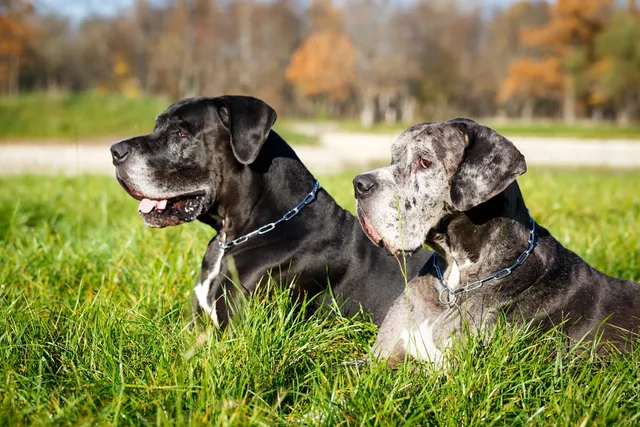
Great Danes can be suspicious of strangers but are not known for being aggressive. They tend to be very loyal and bonded to their owners, making them a great choice as guard dogs. They are playful and friendly dogs that most people describe as easygoing.
Of course, every dog is different, and genetics, upbringing, training, and specific circumstances will ultimately determine how an individual dog will act or react in a situation. We cannot accurately describe any breed as completely aggressive or non-aggressive, and even the gentlest of dogs can behave aggressively under the right (or wrong) circumstances.
As you can imagine, an aggressive dog the size of a Great Dane would be extremely dangerous, which is why responsible breeders will always select dogs of calm and friendly temperaments. Although genetics only play a relatively small role in determining the behavior of pups, it does have some impact.

What Can Cause Aggressive Behavior in Great Danes?
Breeding and Breeders
As mentioned above, breeding and genetics play a role in the behavior and temperament of dogs, and irresponsible breeding can give puppies the wrong start to life. Not only can breeding from dogs with unfriendly or aggressive temperaments increase the chances of having pups with similar dispositions, but if the health, environment, and socialization of the puppies in their first 8–12 weeks have not been ideal, you may be fighting an uphill battle by the time you bring your puppy home.
It is important to do plenty of research into a breeder’s setup, as well as the health and temperament of any puppy’s parents. We would always recommend meeting both the mother and father of a litter and if possible, arrange to visit a puppy at some stage before you bring them home so that you can see how they interact with their littermates and other people.
Health and Nutrition
Any health conditions or nutritional deficits can have an impact on the behavior of a dog, and this can be particularly important in the first few months.
Getting the right balance of protein, fats, carbohydrates, vitamins, and minerals is essential for the health and behavior of any dog, but it is particularly important to giant breeds that will undergo significant growth in a relatively short space of time.
Even adult dog behavior can be significantly influenced by what they eat, with the wrong amount and type of proteins being linked to hyperactivity and aggression.
Every pet is unique in their nutritional needs, so we recommend reaching out to a vet for nutritional advice.
Socialization and Training
Poor socialization with people and other animals, especially when the Great Dane is still a puppy, is the leading cause of aggression in dogs.
Some owners may want to train their dogs to be more aggressive toward strangers to be better watchdogs, but it can lead to more generally aggressive behavior toward everyone, especially when it isn’t getting its way.
While the Great Dane is not typically aggressive, their wariness of strangers could lead to fear-aggression if they are not properly socialized from a young age. It is vital that you get your Great Dane meeting lots of different dogs and people as soon as it is safe for them to do so. If you have a puppy, speak to a vet about how to get the best balance between keeping them safe until they have had all their vaccinations, and giving them enough socialization opportunities. Sometimes this will mean having people and fully vaccinated dogs visiting you at home until your puppy is fully protected.
Do Great Danes Make Good Family Pets?
Yes. If you get your Great Dane when it is still a puppy and let it spend lots of time with children and other pets, it will grow to be a wonderful addition to the family. Many people describe them as gentle giants who are friendly toward the people they know.
They are loyal and fiercely protective of their owners, which is likely why many people worry that it is aggressive. However, the Great Dane’s bark is usually far worse than their bite.

How Can I Prevent Aggressive Behavior from my Great Dane?
- Plenty of socialization with people and other animals, when your pet is still a puppy, will help it be friendlier as an adult.
- If you are looking to adopt a puppy, take the time to research breeders, and ensure that they are happy for you to meet the parents. If a breeder is reluctant to have you visit or meet their dogs, this is a huge red flag.
- When it comes to training, positive reinforcement techniques should be the mainstay of your approach. Shouting and punishments will cause fear and anxiety, which can manifest as aggressive behavior.
- Schedule health checks with a vet to ensure your dog is receiving the right nutrition, preventive health treatments, and is fit and well. They can also help you decide when to spay or neuter your dog in order to give them the most health and behavioral benefits, without risking developmental problems.
- Take your dog to receive behavioral training while it is still a puppy. Training can help ensure the dog won’t become aggressive and group training/puppy classes are a great opportunity to introduce your dog to others. The vet can also give you some good training advice.

Frequently Asked Questions about the Great Dane
Does the Great Dane swim?
The Great Dane is a good swimmer to take to the local lake or river. It enjoys chasing after floating objects and will get excited about taking trips to the water in the summer.
When will the Great Dane stop growing?
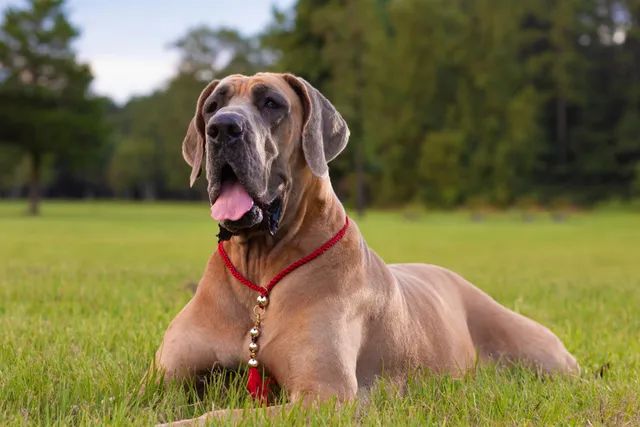
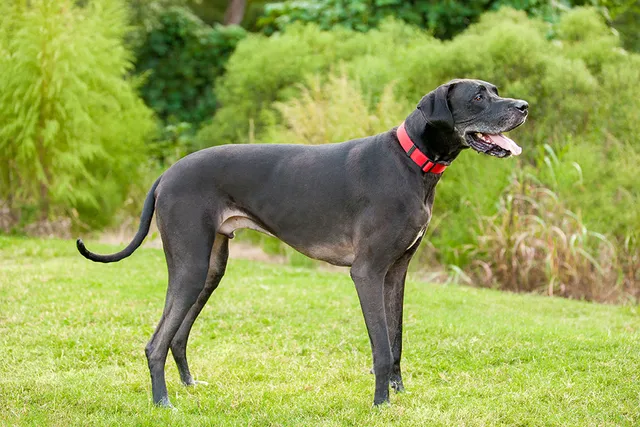
The Great Dane will usually finish growing by the time it is 2 years old. A full-sized dog is taller than most people when it stands on its hind legs and can weigh as much as 200 pounds.
Although not usually aggressive, the Great Dane can be dangerous purely because of their size. It is important to instill good manners and obedience in your Great Dane puppy, as an unruly 200 lb dog can cause a lot of damage and destruction!
Is the Great Dane hypoallergenic?
Unfortunately, the Great Dane is not hypoallergenic and can trigger reactions in people sensitive to pet dander. However, the short coat might cause fewer reactions than other dog breeds.
How fast can a Great Dane run?
The Great Dane has a top speed of more than 30 miles per hour.

Conclusion
Great Danes are not an aggressive dog breed, and most people describe them as gentle giants with a laid-back temperament. They make an excellent addition to any family and will get along well with children and other pets as long as you let them spend plenty of time together while still a puppy. They are loyal and protective of their owners, so they can bark loudly at strangers but will quickly settle down when they determine the intruder is not a threat.
As one of the largest dog breeds, the greatest danger the Great Dane poses to families is usually their size and weight. An out of control giant dog with no manners can be almost as dangerous as one with anger issues, so obedience training is extremely important if you are bringing one of these magnificent dogs into your home.
We can never completely predict the behavior and temperament of a dog, but there are steps we can take to improve our chances of success, starting with where your Great Dane comes from. Genetics play a role in behavior, and the first 12 weeks of a puppy’s life are the most important when it comes to forming personality, habits, and temperament.
Socialization and training will give your Great Dane the best possible start, and allow you, your family, and friends to safely enjoy the company of these wonderful dogs.
Featured Image Credit: Dulova Olga, Shutterstock
Expert dog care, straight to your inbox
Vet-reviewed advice, training tips, and the best of Dogster. Free, and you can unsubscribe anytime.
By signing up, you agree to our Terms & Conditions and Privacy & Cookies Policy.
Ed Malaker is a seasoned writer who has contributed to a wide range of blogs covering everything from tools to guitars, and pets to fitness. When Ed isn't writing, he is usually making DIY projects around the house or working in the garden.
Join the conversation
Ask a question, share your story, or send private feedback.