Are Cane Corsos and Bandogs (Bandogges) the Same Breed? Facts & FAQ

In this article
Big, heavy, and capable of getting work done, these marvelous dogs are the perfect guardians. The imposing stature, intelligent eyes, and loyal character turn Cane Corsos and Bandogs into canine royalty. However, despite the similarities, they are NOT the same breed. More than that, Bandogs aren’t recognized as a breed by the American Kennel Club (AKC).
Why are these dogs often mistaken for one another, then? How do they compare? Do Cane Corsos have the same visual, physical, and mental traits as Bandogs? More importantly, what sets these dogs apart? You’ll find all the answers in our expert guide, including the average lifespan, common health issues, and tips for keeping your pet safe. Let’s set the record straight!

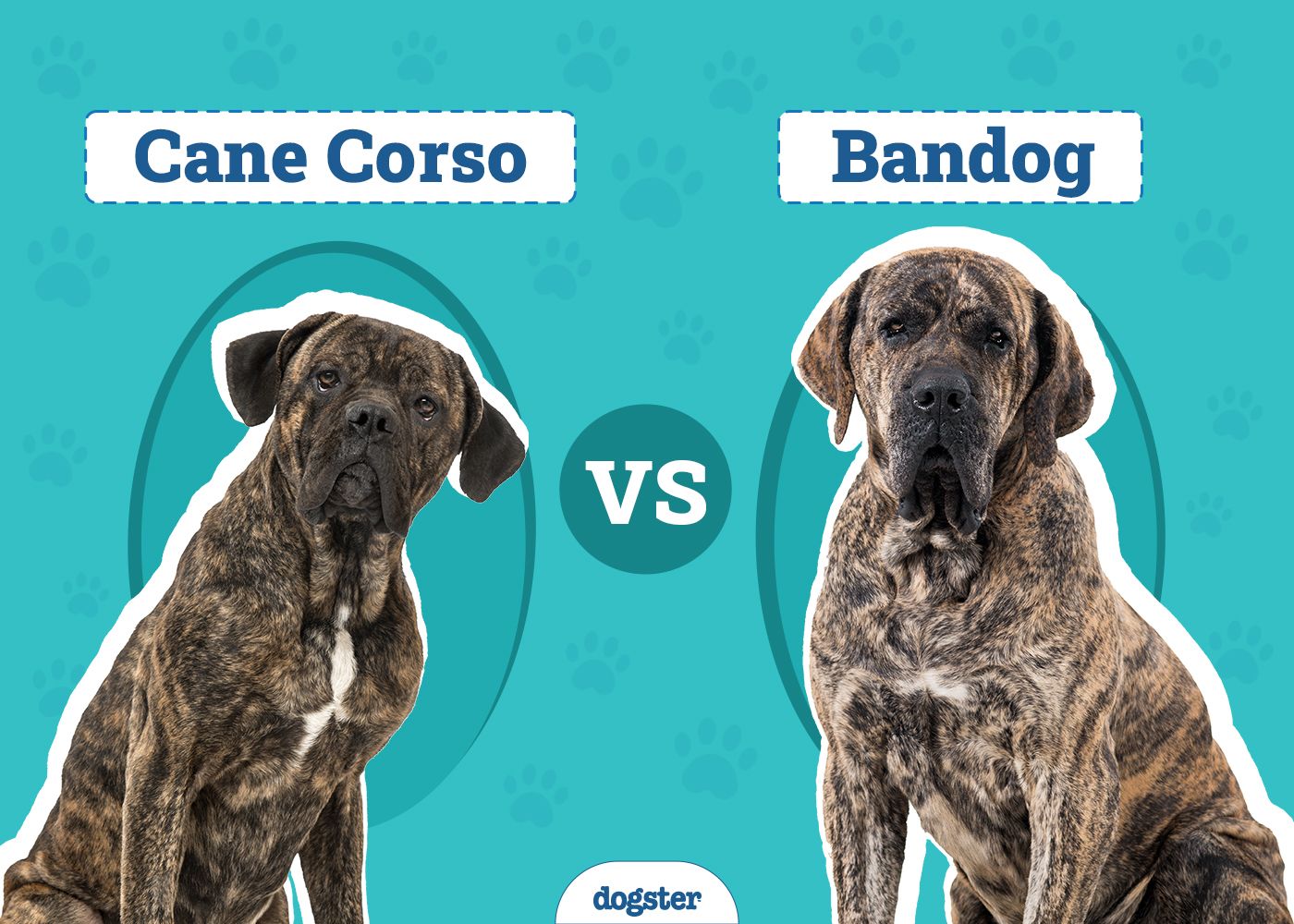
How Do They Compare Visually? Which Dog Is Bigger?

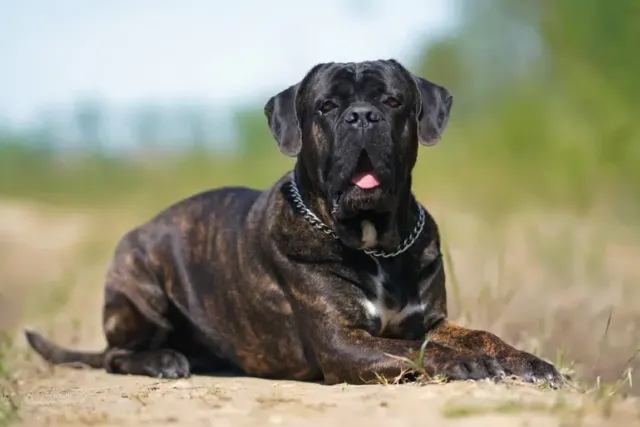
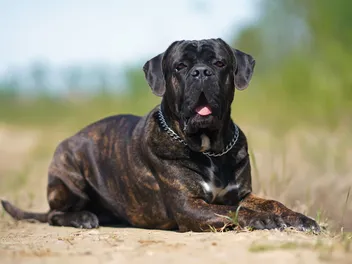
Cane Corsos are bigger-than-average dogs that weigh up to 110 pounds and reach 28 inches in height. However, they’re not as big as Bandogs. These guardians can weigh 140 pounds and be as tall as 30 inches. Both are hardworking, loyal, and highly protective canines with strong instincts. Both breeds often appear with closely cropped ears, although this is not strictly part of the Cane Corso’s breed standard. Due to their variable genetic history, a Bandog may have smallish, triangular ears, or larger, floppier ears.
Bandogs are taller than their Italian friends but tend to have a leaner body shape, with wide shoulders and broad chest. So, while these guys do look alike to the naked eye, if you know your dogs, it won’t be hard to tell them apart.
Are These Dogs the Same Breed or Not?
The short answer is no, they’re not…but they may share some genetics. Let’s take a look at the history of each breed to see if and how they are related.
History of the Cane Corso

The Cane Corso (KAH-neh-KOR-soh; plural: Cani Corsi) is an Italian mastiff breed brought to Europe by the Romans in the second century BC, after the Macedonian War. Bred to serve as war dogs, Cani Corsi were fearless and always ready to head into the heat of the battle. Centuries later, people started to use these loyal dogs around farms to watch over the livestock and keep predators at bay. This breed took a heavy hit during WWI and WWII (when it almost went extinct) but was revived in the 1970s.
Cani Corsi were officially recognized as a breed by the AKC in 2010 and have seen a rapid increase in popularity as companion animals over recent years, making their way up the AKC popularity list from 50th in 2013 to 16th in 2023.
History of the Bandog

Bandogs, also known as Bandogge Mastiffs, have been around since the 13th Century, but their bloodlines have been something of a mixed bag. The term Bandogge originated from the Saxon word ‘banda,’ meaning ‘chain.’ It was more of a generic term to describe the large, fearsome Molosser-type dogs that were kept chained up outside to guard and protect. Over the years, Molosser dogs were selectively bred for different characteristics, diverging into breeds like the Mastiff, Dogue de Bordeaux, Bullmastiff, and Cane Corso, to name a few.
Over the last century, breeders have sought to recreate the classic Bandog by crossing some of these breeds, essentially giving a molosser crossbreed the name Bandog. It is for this reason that the Bandog is not currently recognized by the American Kennel Club but is included in some hybrid and designer dog breed lists.
The standard ‘formula’ for a Bandogge Mastiff includes the American Pit Bull Terrier, Neapolitan Mastiff, English Bullterrier, and English Mastiff, but other Molosser breeds like the Japanese Tosa, Rottweilers, and the Cane Corso may also be included in the mix.
Dedicated fanciers of the Bandogge breed tend to use the formula created in the 1960s by a veterinarian named John Bayard Swinford, which is 50% American Pit Bull and 50% Neapolitan Mastiff.

How Do You Recognize a Bandog?
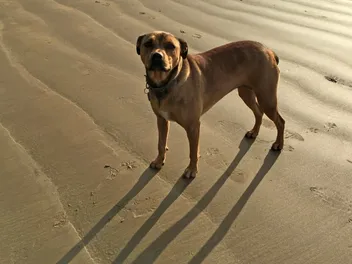
The appearance of the Bandog will depend greatly on the breeds used to create it. However, the overall aim is a dog that is tall, muscular, and intimidating in appearance. Some owners/breeders elect to crop the ears and dock the tails of these dogs in order to make them appear more fearsome, but this is neither a necessity nor a requirement, as there is no set ‘breed standard’ for the Bandog, and their original namesakes did not have these surgical ‘enhancements.’
The Bandog tends to have a slightly more elongated head and muzzle, in contrast to the more ‘boxy’ shape of the Cane Corso, but again, how clear this distinction is will vary between dogs of different bloodlines. Bandogs can also look quite similar to the Japanese Tosa and Boerboel.
Training Cane Corsos vs Bandogs
Energetic and active, Cane Corsos are big fans of the outdoors but can be happy indoors as well, as long as there’s enough space to run around. And, despite the scary looks, these dogs are very friendly and like to do fun stuff with their favorite humans. Thanks to their muscular build, Cane Corsos can exercise for 1–2 hours a day. With recent breeding being more focused on creating calm, gentle, and loyal companions rather than the battle dogs of the past, the Cane Corso is often more reserved, even nervous, than other dogs of their stature.
Again, the variation of breeds and genetics that go into creating a Bandog make it more difficult to predict their temperament, and it will often depend on what the breeder has been selecting for. Despite being illegal, some of these dogs are still being produced for use in dog fighting, with aggression, reactive behavior, and dominance being favored traits. Responsible breeders will be looking to create a breed that is intimidating in appearance but more relaxed by nature.
In the case of both the Cane Corso and the Bandog, early socialization, strict training, and strong leadership are essential. These are large and powerful dogs, capable of serious harm in the wrong hands. It is essential that these strong dogs learn to follow commands from day one and are exposed to lots of different situations, people, and pets as early as possible.
Both the Cane Corso and Bandog tend to become attached or loyal to one specific person, so it is important to ensure they will respect and follow commands from everyone in the family.
Bandogs are often used as guard dogs, harking back to their origins. Although we may think that aggression is a favored trait in a guard dog, the most important command for a guard dog is to ‘stop.’ Their powerful jaws make them a potentially lethal force, so it is far better to rely on their bark rather than their bite to deter would-be intruders.

How Long Do These Dogs Live?
It’s no secret that smaller dogs live longer than larger, heavier breeds, and in that regard, Corsos and Bandogs have quite a respectable lifespan of 8–12 years. To put things into perspective, the average life expectancy for all dog breeds is 10–13 years2 and many Bulldog or Molosser breeds only live for 8–10 years. Now, what can you do to help your favorite pet live longer?
Regular visits to a licensed veterinary clinic (at least twice a year), vaccinations, and premium-quality food will go a long way. Don’t skip wellness exams and always consult with a vet regarding what your dog should eat and how long it should exercise: that’s the best way to keep your four-legged bud healthy. Knowing about health issues is also important. We’ll cover that next.
Common Health Problems: Signs and Treatments
Bred to be strong, hardworking, and resistant to harsh weather conditions, these “war dogs” are quite healthy. They’re naturally immune to many diseases and conditions, thanks to their bulky, heavy-boned, and muscled bodies. That said, there are still a few issues that you need to be aware of, including bloat, dysplasia, and obesity. Here’s a more detailed look.

Gastric Dilatation-Volvulus
As big, heavy dogs with large chests, both Cane Corsos and Bandogs often suffer from gastric dilatation-volvulus, commonly known as bloat. When the stomach is filled with more food, liquids, and gas than it can handle, that makes it bloat, enlarge, and twist. This is a life-threatening condition that requires your immediate attention. The sooner you get the dog to a vet, the greater their chance of survival.
So, what’s the main cause of bloat? It’s when the dog consumes too much food in a very short time. The age matters as well (older dogs are in a high-risk group). One more thing: don’t train or exercise with the dog right after it had a meal. Give its stomach time to digest the meal.
Here are the most common signs of GDV:
Obesity
Again, larger-than-average dogs are susceptible to obesity. It puts unnecessary stress on the body, which, in turn, can damage the joints and put pressure on the cardiovascular system. The solution here is relatively simple. Exercise with the dog regularly and talk with your veterinarian to come up with the right diet for your pet. This is equally true for Corsos and Bandogges.

Joint Disease
The heavier the breed, the more likely it is to suffer from joint-related problems like hip dysplasia, arthritis, and degenerative joint disease. Pre-mating screening of parents with programs like hip and elbow scoring can help exclude individuals with poor joint conformation from the breeding population. Keeping your dog at an ideal weight and body condition and ensuring you give them the right type and amount of exercise is hugely important to joint health; too much exercise can be as harmful as not enough, particularly in growing youngsters.
Starting large and giant breed dogs on joint support supplements from early adulthood is another way to help keep their cartilage healthy and reduce the risks of wear and tear on their joints.
Heart Disease
Many large mastiff and bulldog breeds suffer from cardiovascular disease, with the most common being dilated cardiomyopathy (DCM). This condition is marked by the thinning of the muscular walls of the heart, impairing its ability to circulate blood. It is a progressive condition that can start from a relatively young age, but dogs may not show signs until the disease is quite advanced. These signs may include lethargy, collapse, weakness, pale mucous membranes, poor appetite, and a reluctance to exercise.
There is no cure for DCM, but early medical intervention can significantly extend your dog’s life, and early detection is key. It’s important to have your dog checked by a vet at least once every year, and more frequently as they get older, so they can have their heart evaluated.
Other Conditions
Cani Corsi, and by extension, Bandogs, may be prone to several other conditions, including:
- Idiopathic Epilepsy (seizures)
- Demodectic mange (a skin condition caused by a mite that lives in the skin)
- Eyelid conditions (entropion, ectropion, cherry eye)
Most of these conditions can be treated or managed with surgery or medication, so don’t hesitate to reach out to your vet if you have any concerns about your pet.

Keeping Your Pet Healthy: A Quick Guide
Both Cane Corsos and Bandogs have short coats that shed evenly throughout the year. That means you’ll only have to bathe and brush the dog once a month. For the best results, use medium bristle brushes. As for the teeth, brush them once or twice a week – more frequently if you can manage it – and provide your dog with large, powerful chew toys that will stand up to their strong jaws. Make sure they aren’t too hard, as this can risk fracturing teeth.
By walking your large dog on pavement, you will often avoid needing to trim their nails too regularly, but it is important to make sure they are comfortable. Get your dog used to having their nails trimmed, eyes checked, and ears cleaned from a young age.
And let’s not forget about drooling! Corsos and Bandogs do that a lot. So, always keep a towel or rag in your pocket to deal with the drooling. If your Bandog or Cane Corso has facial folds or wrinkles, make sure these stay clean and dry, as moist skin folds are a breeding ground for yeast and bacteria.
Conclusion
Very few dogs are as strong, intelligent, and hardworking as Cane Corsos and Bandogs. If you’re in the market for a loyal watchdog to look after your property, you’ll be impressed by how well they perform their duties. From afar, they look very much alike, but they are easier to tell apart once you know a bit more about them.
Both breeds can be quite strong-willed and independent and need consistent, firm training to ensure they are safe. Over the years, Cani Corsi have become more family-friendly rather than fight-ready, while the Bandog can be something of an unknown quantity when it comes to temperament. In either case, clear boundaries and early socialization are a must. Both dogs will be a challenge for a first-time owner, though. When properly trained, both can become treasured companions or protective guards, depending on your goal.
Sources
Featured Image Credit: George Trumpeter, Shutterstock
Expert dog care, straight to your inbox
Vet-reviewed advice, training tips, and the best of Dogster. Free, and you can unsubscribe anytime.
By signing up, you agree to our Terms & Conditions and Privacy & Cookies Policy.
Nicole has loved animals of all sizes her whole life so it's no wonder she has dedicated her career to helping them through what she loves best: learning, writing, and sharing knowledge with others. She’s the proud mom of two dogs, a cat, and a human. With a degree in Education and 15+ years of writing experience, Nicole wants to help pet parents and pets around the planet to live happy, safe, and healthy lives.
Join the conversation
Ask a question, share your story, or send private feedback.