Why Do Dogs Roll on Dead Animals? 4 Possible Explanations


In this article
Dogs are one of the most popular and beloved animals in the world. They're known for their loyalty, playfulness, and ability to provide comfort and companionship to their owners. However, dogs are also known for their strange and sometimes inexplicable behavior.
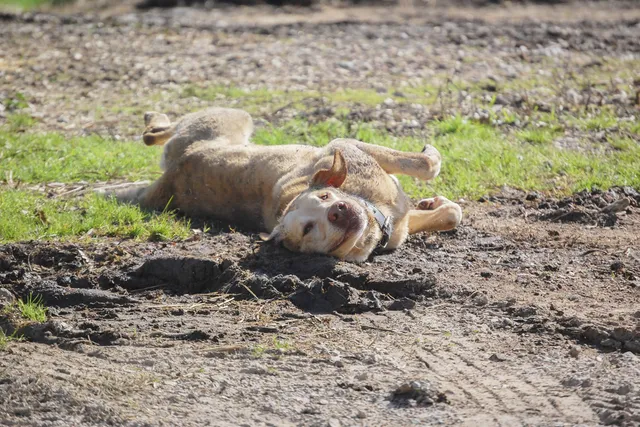
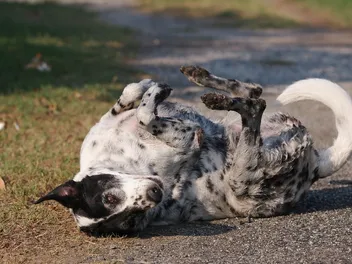
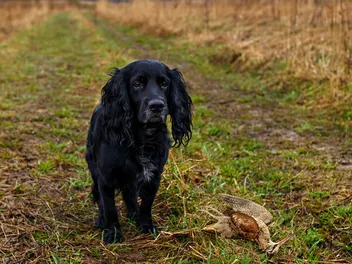
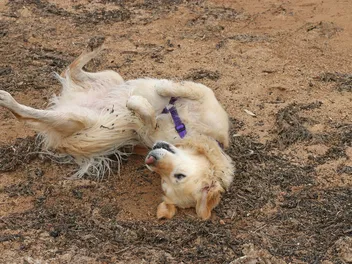
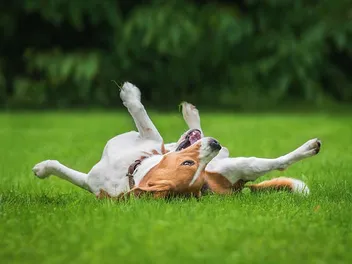
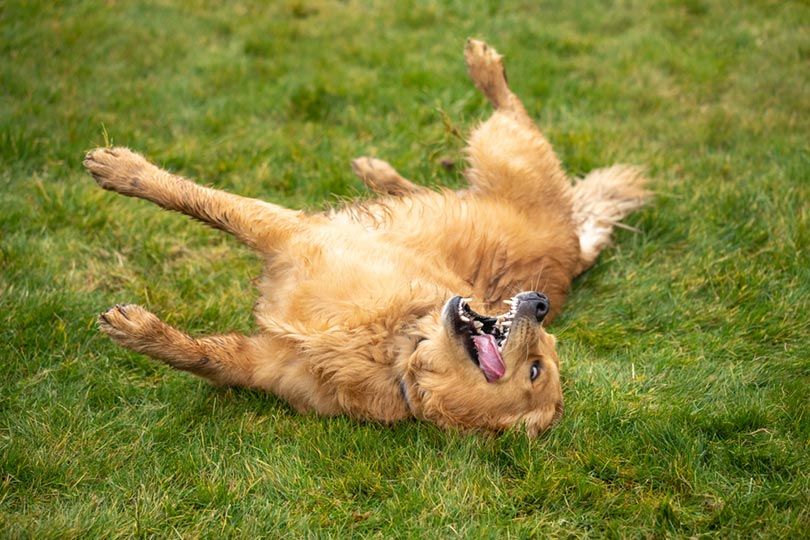
One of the more puzzling (and gross) behaviors among canines is their tendency to roll in the carcasses of dead animals. This behavior, sometimes called scent-rolling, has left many pet owners scratching their heads, wondering why their pup would want to cover themselves in such an unpleasant scent. While there may not be a definitive answer to this behavior, there are proposed explanations as to why dogs engage in scent-rolling.

The 4 Possible Explanations Why Dogs Roll on Dead Animals
1. Natural Instinct and Behavior (Scent-Rolling Behavior)
Dogs are animals, and like all animals, they have instinctual behaviors and drives that are deeply ingrained through their evolutionary history and genetics. One of these behaviors is their tendency to roll in things that have a strong scent. This behavior has been proposed as a possible ancestral behavior, where strong environmental scents may have altered the dog’s own odor, though the exact purpose of scent-rolling in domestic dogs is not fully understood. By rolling in strong-smelling substances, such as the carcasses of dead animals, dogs may change their scent profile, which some researchers suggest could have played a role in communication with other dogs or in interactions with prey or competitors.
However, it's important to note that not all dogs exhibit this behavior, so don't worry too much about it. Some dogs may be more prone to rolling in strong-smelling substances than others, depending on their individual tendencies, environment, and prior experiences.

2. Curiosity and Exploration
Dogs are naturally curious creatures, and they love to explore their environment. Rolling in the scent of dead animals may be a way for dogs to investigate and explore their surroundings. Dogs use their sense of smell to gather information about their environment, and rolling in a dead animal may expose them to strong environmental scents that stimulate exploratory behavior.

3. Sensory Stimulation and Strong Odors
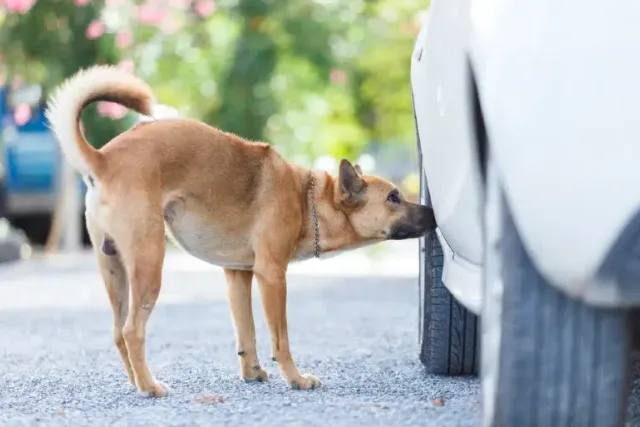
Dogs have an incredibly powerful sense of smell, and strong odors can be highly stimulating to them. Rolling in the scent of dead animals may simply be a response to a smell that is intense and interesting. Dogs explore the world primarily through their noses, and strong environmental scents can trigger behaviors such as sniffing, rubbing, and rolling.
Some dogs may roll in strong-smelling substances because the scent itself is stimulating or rewarding. This behavior may allow them to interact more closely with the smell and carry it with them afterward.
4. Social Scent Communication
Another proposed explanation is that scent-rolling may play a role in social communication among canids. In wild canids such as wolves, individuals have been observed rolling in strong odors and then returning to their group.
Some researchers suggest this behavior may help bring interesting environmental scents back to other members of the group. The scent could signal the presence of food sources, prey, or other animals in the area.
Although domestic dogs do not rely on pack hunting in the same way wolves do, this behavior may persist as an ancestral trait carried over from their wild relatives.
The Health Risks of Rolling

While rolling in the scent of dead animals may be a natural behavior for dogs, it can also have negative consequences. For one, the smell can be extremely unpleasant and difficult to remove from a dog's fur. This can lead to unhappy owners and uncomfortable dogs. Additionally, dogs that roll in the scent of dead animals can be exposed to parasites, bacteria, or other pathogens present in decomposing animals, which may pose health risks.
How to Discourage This Behavior
If you're a dog owner and you're tired of your furry canine friend rolling in the scent of dead animals, there are a few things you can do to discourage this behavior. First, make sure your pet is well-exercised and mentally stimulated. Dogs that are bored or under-stimulated may be more likely to engage in unwanted behaviors, like rolling in the scent of dead animals.
Second, you can try using positive reinforcement to encourage your dog to engage in more desirable behaviors. For example, you can reward your pet for coming to you when called or for sitting on command.
Frequently Asked Questions (FAQ)
Can Dogs Smell Dead Animals?
Yes. Canines have an exceptional sense of smell, and they can detect scents that human beings cannot. One such scent is that of dead animals. A dog's sense of smell is estimated to be tens of thousands of times more sensitive than a human’s, depending on the odor being tested. They have around 300 million olfactory receptors in their noses compared to humans' 6 million. This means dogs can detect even the faintest of smells and can quickly locate a dead animal.
In fact, dogs are commonly used by law enforcement agencies to locate dead bodies. They can track down the scent of a decomposing body from long distances under favorable environmental conditions, even if it is buried underground. The smell of a dead animal changes as it decomposes, and dogs are trained to distinguish between the different stages of decomposition.

How Do You Clean a Dog That's Just Rolled in a Dead Animal?
First and foremost, it's important to wear gloves and protective clothing while handling the dog and to avoid direct contact with the dead animal. Next, use a hose or bucket of water to rinse off as much of the debris as possible. You can then use a pet-safe shampoo specifically designed for odor removal to thoroughly wash your dog. Be sure to pay extra attention to the areas where the smell is most potent, such as the face, neck, and paws. Rinse thoroughly with water and dry your dog with a towel.
If the smell persists after washing, you may need to repeat the process or consider seeking professional grooming services (for example, if the animal was a skunk).
Can I Sprinkle Baking Soda on My Dog's Coat?
While baking soda is a commonly used household item, it's important to exercise caution when considering using it on your dog's coat. It can be effective in neutralizing odors, but it can also cause skin irritation in some dogs, especially if not properly diluted or rinsed. If you do decide to use baking soda on your dog's coat, make sure to mix it with water (try mixing 3 tablespoons of baking soda with 1 quart of lukewarm water) to create a diluted solution before applying it. Be sure to avoid contact with your dog's eyes and mouth, and thoroughly rinse the coat after application.
Additionally, if your dog has any open wounds or skin irritations, it is best to avoid using baking soda altogether and consult a vet for proper treatment options.
Do Dogs Sense Dog Death?
There is anecdotal evidence to suggest that dogs may be able to sense when another dog is nearing death. For example, some dog owners have reported that their dogs become more attentive or clingy toward a sick or dying dog, or that they seem to have a heightened awareness of the situation.
However, there is no scientific evidence to support this claim. It's possible that dogs may be able to pick up on subtle changes in the behavior or scent of a sick or dying dog, which could lead to changes in their own behavior. Additionally, dogs are highly attuned to their owners' emotions and may respond to their owners' distress when dealing with a sick or dying pet.
Do Dogs Grieve Dead Dogs?
Dogs are known for their loyalty and affection toward their human companions, but they also form strong bonds with other dogs, so some dogs may show behavioral changes after the loss of a companion dog. Anecdotally, dogs have been observed showing signs of mourning, such as whining, howling, and searching for their deceased companion. They may also become withdrawn and lose interest in activities they previously enjoyed. Some dogs may even show reduced appetite for a period of time after the loss of their companion.
The level of grief a dog experiences can vary depending on their relationship with the deceased dog. For example, if the two dogs were littermates or had spent many years together, the surviving dog may experience more intense grief. It is important for the owner to provide extra love and attention to their grieving dog during this time and to give them space to mourn in their own way.
Wrapping Things Up
Dogs rolling in the scent of dead animals is a strange and often unpleasant behavior that has puzzled pet owners for years. While there may not be a definitive answer to why dogs engage in this behavior, there are several proposed explanations, such as instinctual scent-rolling behavior, curiosity and exploration, sensory interest in strong odors, and possible social scent communication.
While it may be difficult to discourage this behavior completely, there are steps that pet owners can take to minimize its occurrence and keep their canine friends happy and healthy.
See Also: Why Do Dogs Roll in Poop?
Sources
Featured Image Credit: VDB Photos, Shutterstock
Expert dog care, straight to your inbox
News, insights, expert advice, and everything dog.

No spam — unsubscribe anytime.
By signing up, you agree to our Terms & Conditions and Privacy & Cookies Policy.
How useful was this post?
Click a star to rate. You can leave written feedback afterwards. (We read all feedback.)
Nicole has loved animals of all sizes her whole life so it's no wonder she has dedicated her career to helping them through what she loves best: learning, writing, and sharing knowledge with others. She’s the proud mom of two dogs, a cat, and a human. With a degree in Education and 15+ years of writing experience, Nicole wants to help pet parents and pets around the planet to live happy, safe, and healthy lives.