
When a Pet's Final Goodbye Becomes a Nightmare: The Philippines Crematorium Scandal
For families who have just lost a beloved pet, arranging cremation is often one of the last acts of love they can offer. They choose a service, pay for the arrangements, and believe that their companion will be treated with dignity and respect. They may never see what happens behind the crematorium doors, but they trust that their furry family member is in caring hands.
Sadly, for hundreds of families in the Philippines, that trust has been destroyed.
A Real-Life Horror Story
What began as a neighborhood concern over a foul smell quickly turned into a disturbing discovery. On October 29, 2026, residents of Barangay Minuyan in San Jose del Monte, Bulacan, were disturbed by a strong, suffocating, and foul odor coming from a nearby vacant lot. The terrible stink prompted a report and closer inspection, leading to the nightmare-worthy discovery of seven large sacks containing the remains of 26 dogs and three cats; each one wrapped in plastic bags bearing identification labels with their names and weights.
The investigation eventually led to Ahjay Paws Aftercare Pet Crematorium in Bacoor, Cavite, where many families had entrusted their deceased pets for cremation.
By November 4, authorities had recovered 29 animal carcasses, while 20 containers of ashes surrendered by families were undergoing forensic examination. The National Bureau of Investigation (NBI) is investigating possible fraud and other violations, and at least 250 pet owners have reportedly filed complaints against the company.
The questions are heartbreaking. Were these families given the ashes of their own pets? Were some animals never cremated at all? How did companions entrusted to a professional aftercare service end up in plastic bags beside a road?
For grieving pet owners, discovering that their furry family member's final arrangements may have been mishandled is an especially cruel betrayal.
Sadly, this is not the only case, or the only country, where fraud and deception have pervaded what should be a sacred service. In 2025, the Casa Xibalbá case in Quintana Roo, Mexico, exposed a similarly disturbing situation. Authorities investigating a Chetumal pet crematorium found that families had paid to have their beloved companions cremated, only to receive urns containing soil instead of their pets' ashes. Even worse, more than 180 animal carcasses were reportedly discovered during searches connected with the investigation. The case involved allegations of fraud and improper disposal of animal remains, with legal proceedings continuing into 2026.
Different countries, different businesses, but an eerily similar betrayal. And in both cases, the damage potentially reaches far beyond the families who were deceived.
Beyond the Betrayal
Another disturbing side of these horrific stories is the environmental impact. Improperly discarded animal remains can create environmental hazards, particularly when several carcasses accumulate in unmanaged locations.
As tissues decompose, bodily fluids and organic material are released. These substances can contribute to leachate, a liquid that may move through soil with rainfall and drainage. Depending on soil conditions, groundwater depth, and proximity to wells or waterways, this can create pathways for environmental contamination.
Biohazardous runoff, odors, and potential groundwater pollution are among the concerns associated with improperly managed animal carcasses. If investigators discover that remains were repeatedly discarded at multiple locations, removing the visible carcasses may not be enough. Surrounding soil, drainage systems, and nearby water sources may also need assessment.
The deceived pet owners deserve justice, but residents also need answers about the conditions around their homes.
The Horror Doesn't End There
Exposed animal remains can attract scavengers, including free-roaming dogs, cats, and wildlife. Insects may also come into contact with decomposing material and potentially spread infectious agents between locations.
Not every deceased animal carries an infectious disease, and finding carcasses does not automatically mean disease will spread. However, when the cause of death is unknown, there may be no way to determine whether the remains contain infectious agents that could expose other animals.
There is another potential hazard that pet owners may not immediately consider: euthanasia medications.
Pentobarbital, commonly used for humane euthanasia in veterinary medicine, can remain in an animal's tissues after death. Wildlife that consumes the remains of an animal euthanized with this drug can suffer secondary poisoning, with scavenging birds being particularly vulnerable.
And this is where the consequences can extend much further. Scavengers play an essential role in maintaining healthy ecosystems by removing animal carcasses before they become sources of environmental contamination and disease transmission. Vultures, for example, can consume remains that might otherwise attract other scavengers or allow infectious agents to persist in the environment. When scavenger populations decline, carcasses can remain accessible for longer, potentially increasing opportunities for pathogen transmission and disease spread.
A carcass that should have been cremated could therefore become a source of danger to another animal. The irony is that the very animals helping keep ecosystems clean could be exposed to a potentially lethal drug simply because someone failed to dispose of a pet's remains responsibly.

Who Protects Pets After Death?
The scandals also raise questions about oversight of the pet aftercare industry. A business permit cannot demonstrate that every animal entrusted to a facility has been handled properly.
Families should be able to expect accountability throughout the process, from collection and identification to transportation, cremation, and the return of ashes. Records should establish which animal was received, where it was taken, and what happened to its remains.
The Philippine Animal Welfare Society (PAWS) says the case has also highlighted a potential legal gap. According to the organization, the alleged deception may not fall directly under the Animal Welfare Act because the animals were already deceased when entrusted to the crematorium. However, the alleged conduct may constitute ‘estafa’, or fraud by deceit, under the Revised Penal Code.
Affected families have been encouraged to preserve receipts, cremation certificates, photographs, messages, and other documentation that could support their complaints.
The Casa Xibalbá case in Mexico revealed a similarly disturbing situation, with more than 180 animal carcasses reportedly discovered and families allegedly receiving urns filled with soil instead of their pets' ashes. Two countries, two scandals, and far too many grieving families betrayed by businesses they trusted.
Every Pet Deserves a Dignified Farewell
The death of a beloved pet is already a difficult time. Families make end-of-life decisions, discuss euthanasia with their veterinarians, arrange transportation, and decide how they would like to remember their companions.
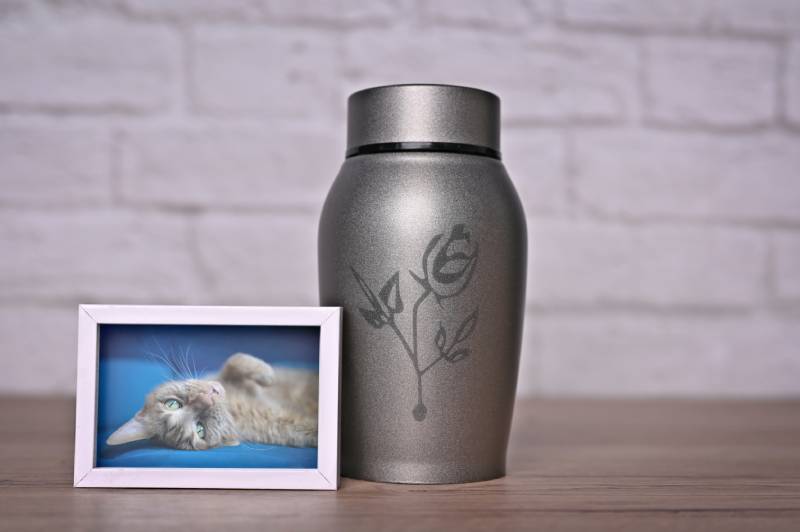
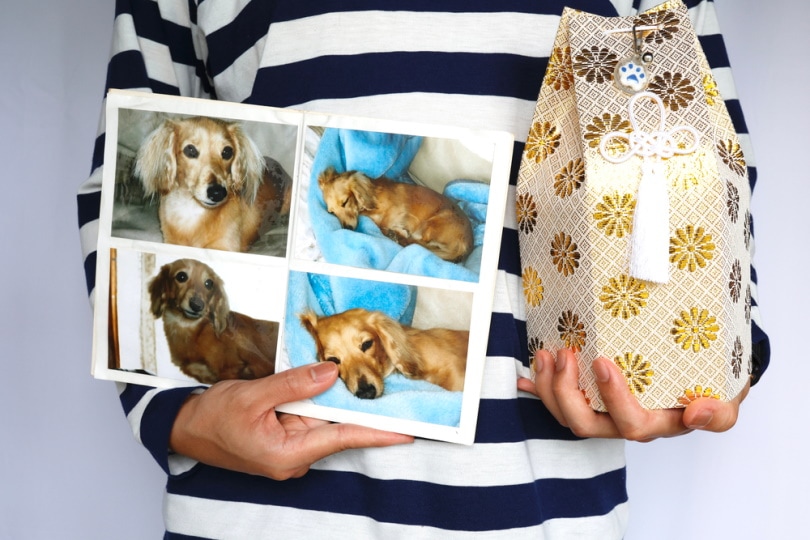
For some, receiving an urn containing their pet's ashes brings comfort. It becomes something tangible to keep beside a favorite photograph or in a special place at home. And while emotional cost is the most painful aspect for the affected pet owners, it’s also worth noting that individual cremation usually comes at a premium price; a price paid for a service not performed. But regardless of whether these pets were to have undergone individual or commingled cremation, families deserve honesty about the service they purchase.
They should never have to question whether the ashes they brought home belong to their furry family member.
There is something particularly upsetting about the possibility that an animal cherished throughout life, treated as family, and surrounded by affection could have its remains handled so carelessly.
People entrust pet aftercare providers with something deeply personal. They are saying goodbye to someone they loved. That deserves respect.
Feature Image Credit: Patxi P, Shutterstock
Expert dog care, straight to your inbox
Vet-reviewed advice, training tips, and the best of Dogster. Free, and you can unsubscribe anytime.
By signing up, you agree to our Terms & Conditions and Privacy & Cookies Policy.
Dr. Paola Cuevas is our Senior In-House Veterinarian at Dogster and Pangolia. She has over 19 years of experience working with an array of species and loves sharing her knowledge and experience with our readers and aims to provide assistance with any issue presented by your non-human family members. She received her degree from the University of Guadalajara, Mexico.
Her passions are animal welfare and preventive medicine, and has skills in the fields of nutrition, microscopy, clinical pathology, diagnostic imaging, and endoscopy. Paola frequently contributes pet care insight to various media outlets like PetMD, The Daily Record, Parents.com, etc.
Paola is also an animal behaviorist with extensive experience in positive reinforcement animal training.
Join the conversation
Ask a question, share your story, or send private feedback.