Why Many Veterinarians Do Not Recommend a Raw Diet for Your Dog: Our Vet Explains


In this article
Raw, grain-free, and "natural" diets seem to be all the rage lately for our dogs. You can't turn on the TV or scroll through social media without seeing numerous ads for these diets, claiming how much healthier your dog will be when eating them.
Specifically with raw diets, supporters claim that many ailments in your dog will completely resolve (such as allergies, weight concerns, poor energy) and that feeding raw is based on how our dogs’ ancestors used to eat.
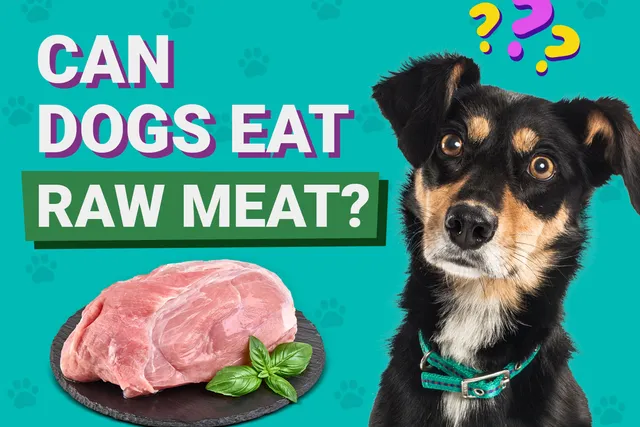
However, many veterinarians are vehemently against raw diets, this one included. So why don't a lot of veterinarians advocate for a raw dog food diet?

What Is a Raw Diet?
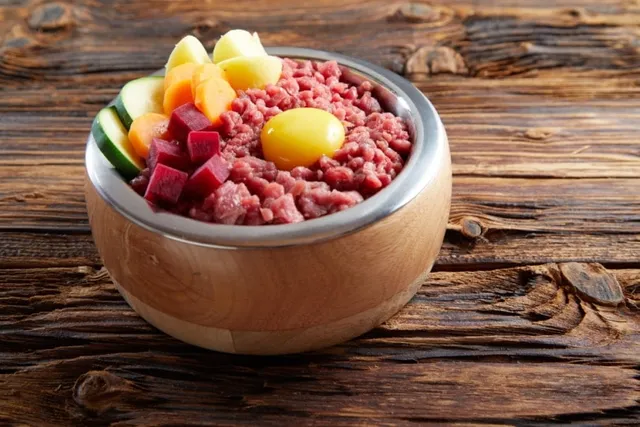
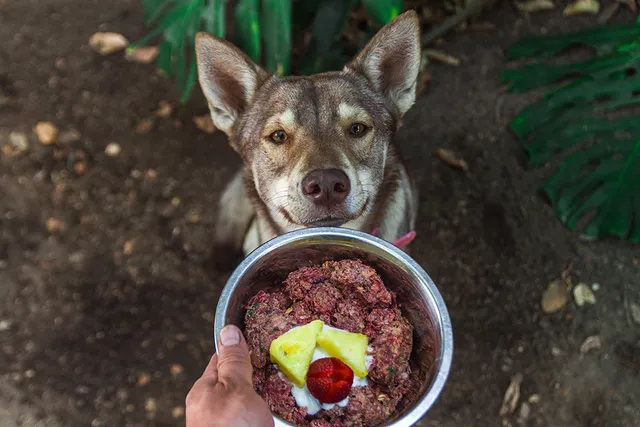
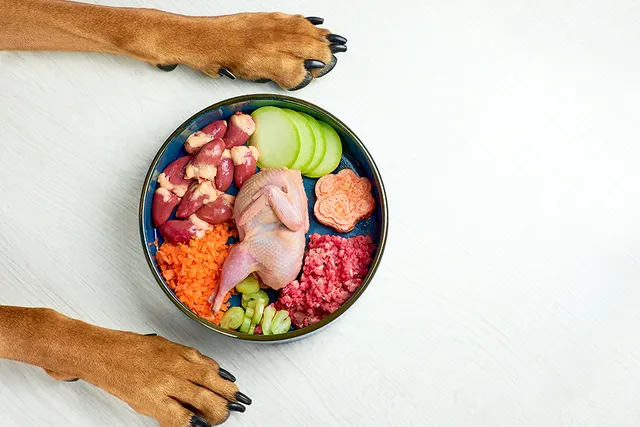
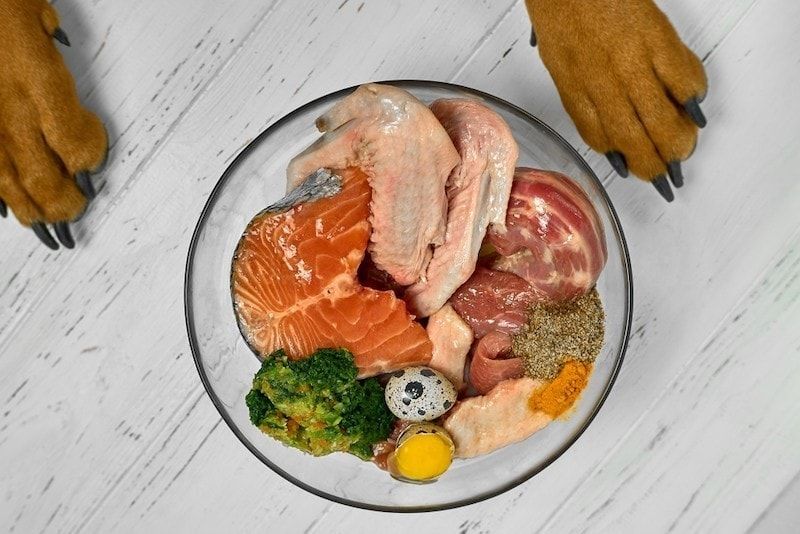
A raw diet consists of feeding your dog raw, uncooked, and/or unprocessed meat, organ tissue, or bones. Some raw diets will be freeze-dried or dehydrated, but the theme is the same—the food is completely uncooked and unprocessed.
Why Is Feeding Raw a Concern for Many Veterinarians?
To date, there is not a single peer-reviewed, scientific study proving raw diets to be superior to a commercial diet. Claims of improved health are anecdotal, at best.
The main concern is that raw diets are full of bacteria. For the same reasons that restaurants have to put in disclaimers and warnings in their menus for people eating raw or undercooked food, the same goes for animals. Many raw diets contain high levels of salmonella, e. coli and listeria—all of which can cause severe illness in animals, not to mention, in people as well.
When handling raw pet foods, people have to take extreme care not to cross-contaminate their own food prep areas, and that kids in the house do not touch these areas as well. Both children and immunocompromised individuals can become extremely sick, with some infections even proving fatal.

In addition to the high levels of bacteria, bone pieces can cause trauma to the teeth, and pieces can become lodged in the intestinal tract. These pieces can cause stomach ulcers, gastrointestinal foreign bodies (objects that become stuck and need to be surgically removed), or even poke through the intestinal tract.
Another concern for veterinarians, with regard to raw diets, is being able to provide a well-balanced meal for your dog. Ensuring your dog has the proper amounts of vitamins, minerals, protein, fat and carbohydrates is not always an easy process. Feeding raw diets will often include having to add raw fruits and vegetables, powders, supplements, and pills to achieve optimum nutrition. It is therefore recommended to consult your raw diet recipes with a veterinarian to ensure you are giving your dog everything they need.
But What About How Wolves Eat?
A common argument from raw food supporters is that all dogs descended from wolves, and that wolves eat a raw diet. Sure, wolves in the wild will kill and eat animals to survive. But our domestic dogs are far removed from the genetic make-up of wolves. Even animals kept in captivity, such as in zoos, will develop over time to have different nutritional needs than their close ancestors.
Most people's dogs would not be able to withstand the elements that a wolf in the wild lives in daily—not to mention, be able to take down an antelope or elk to eat for dinner. The nutritional, environmental, physical, and emotional needs of our domesticated dogs is far different from those same needs in wolves. As such, we should treat them differently.
Aren't Bones Good for Dogs’ Teeth?
Chewing on bones for dental health does not outweigh the damage we often see as a result. Dogs who chew on bones are at risk for cracking their teeth, causing severe pain, and sometimes tooth root infections. Dogs may wear down their teeth to the point of pulp exposure (the middle part of the tooth that includes the nerve and blood supplies), which will then lead to severe pain and increased risk of infection. Dental work in dogs can be pricey, and oftentimes, teeth are just extracted, versus completing a root canal.
Many emergency veterinarians have also seen dogs come in with bones stuck around portions of their jaw. These dogs need to be sedated for the bones to be cut out of their face.
It's much safer to use a dental food, pet toothpaste, or special pet chew treats to help manage your dog’s dental health.

What If I Don't Want My Dog Eating "By-Products"?
When you read a pet food label that says, "chicken by-products" or "animal by-products", this simply means organ meat (such as kidney, spleen, and liver), ground bones (sometimes, referred to separately as bone meal), and tissue besides the muscle mixed into the food. These by-products can provide great nutrients—including minerals, vitamins, and additional protein. When mixed into commercial pet food, they are processed and ground up, enabling dogs to easily digest and process them through the GI tract.
These by-products are often included in a raw diet as well—so your dog is, in fact, eating them within both diets. However, with raw diets, these organs and bones may not be processed to be safe for consumption. Large bone pieces, feathers, and raw organ meats can actually be harmful for your dog.
Are Veterinarians Paid by Commercial Food Companies? Is That Why They Won't Recommend a Raw Diet?
No. Rampant online rumors over the years have gotten people to believe that veterinarians are "in bed" with large pet food companies.
Many of these rumors started with the rise of boutique pet food brands. These smaller brands, trying to make a name for themselves, falsely accused veterinarians of getting paid by large pet food companies to sell their food. Some of these same boutique brands have had numerous recalls (due to high levels of harmful bacteria in their food), been found guilty of false advertising, and are charging more for their product so that the company makes a higher profit.
So, Veterinarians Don't Get "Kickbacks" From Pet Food Companies?
That's correct. Veterinarians do not receive kickbacks, bonuses, or any financial gain from recommending or selling you their favorite commercial pet foods. If that veterinarian sells a specific pet food brand in their clinic, the clinic will receive a small profit from that sale. This is no different than any pet store or online store making a profit selling the same diet, or a raw diet. The profit that clinic makes on pet food is minimal.
- Determine proper dog food portions and ideal daily intake with our helpful calorie calculator here.

Conclusion
Raw dog food is a fad many veterinarians hope won't last long. The veterinary community sees far too many bacterial infections, bone injuries, bone foreign bodies, and unbalanced diets to feel comfortable recommending raw diets on a large scale. There is nothing wrong with feeding a well-made, commercial dog food. Your dogs’ teeth, intestinal tract, and body will thank you for it.
Sources
Featured Image Credit: Zontica, Shutterstock
Expert dog care, straight to your inbox
News, insights, expert advice, and everything dog.

No spam — unsubscribe anytime.
By signing up, you agree to our Terms & Conditions and Privacy & Cookies Policy.
How useful was this post?
Click a star to rate. You can leave written feedback afterwards. (We read all feedback.)
Nicole has loved animals of all sizes her whole life so it's no wonder she has dedicated her career to helping them through what she loves best: learning, writing, and sharing knowledge with others. She’s the proud mom of two dogs, a cat, and a human. With a degree in Education and 15+ years of writing experience, Nicole wants to help pet parents and pets around the planet to live happy, safe, and healthy lives.