Dog Root Canal: A Complete Guide (Vet Answer)

In this article
Your dog was playing with their indestructible toys in the backyard when they came inside, unable to eat their kibble. Usually, they are food-motivated but don't want to take a bite.
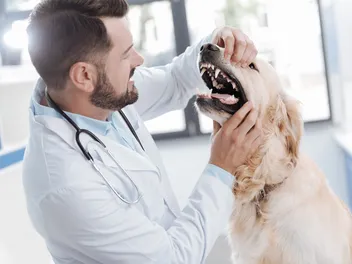
Your vet looks at your dog's mouth and points to a fractured tooth that needs a root canal or extraction. What do you do?

What Is a Root Canal in a Dog?
Root canal therapy is a way to salvage a damaged tooth. Within the center of the tooth, there is a pulp cavity with nerves, blood vessels, and soft tissue. If the tooth pulp cavity is traumatized, bacteria can invade the tooth and cause an infection, as well as an abscess or infection that spreads to other organs in the body, such as the heart and kidneys.
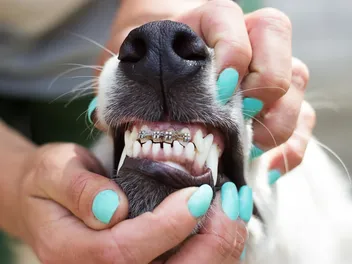
Root canal therapy removes the inner pulp cavity and fills it with an inert material to remove infected or potentially infected material. Typically, your veterinary dentist places a cap or crown on the tooth.

What Are the Signs Your Dog Needs a Root Canal?
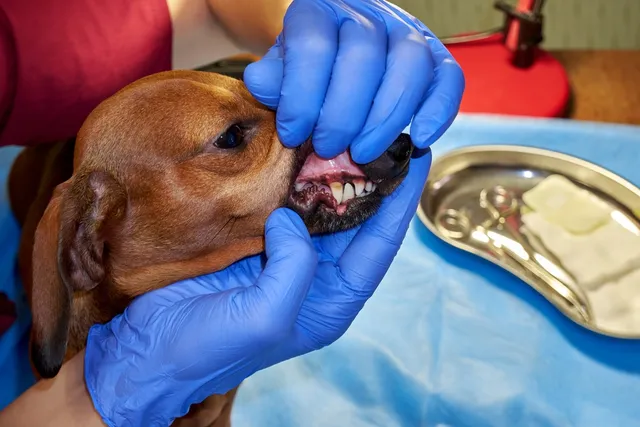
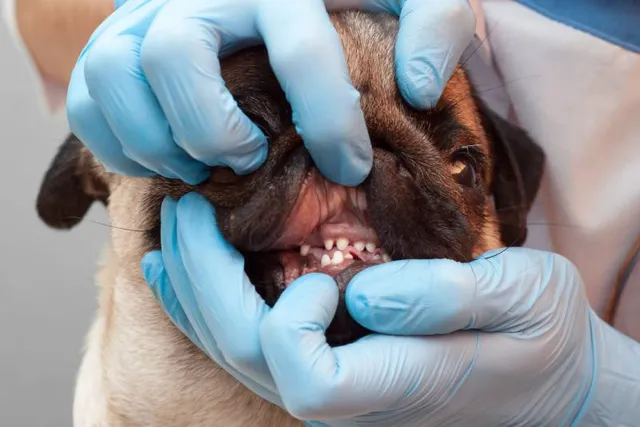
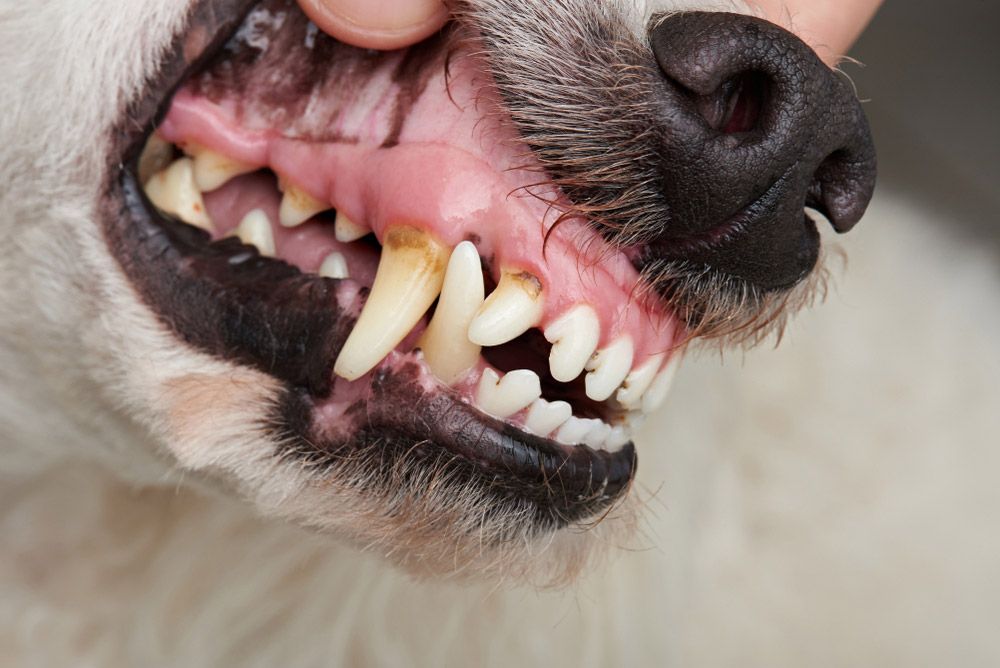
You might see a broken or discolored tooth, which is a big sign that your dog needs a root canal. Some signs of dental pain are less noticeable and could include:
- Dropping kibble out of their mouth
- Unable or reluctant to eat hard food
- Chewing food or eating slower than normal
- Swelling around the face
- Pawing at the face or rubbing against surfaces like the carpet
- Tender if you touch their face
- Excessive drooling
What Causes Your Dog to Need a Root Canal?
Anything that causes trauma to the tooth could lead to your dog needing a root canal or extraction. The two main causes are tooth fractures and trauma leading to pulpitis.

Fractured Teeth
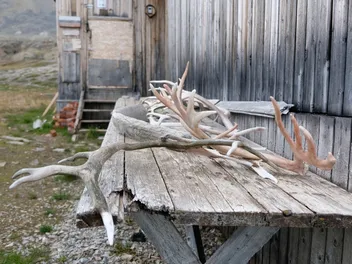
Dogs can fracture their teeth from a variety of causes:
Pulpitis
Pulpitis is inflammation of the pulp cavity. It can occur when the tooth fractures, but it can also develop when trauma causes bleeding or bruising within the pulp cavity. The tooth will often become discolored, such as brown or purple.
Pulpitis can sometimes be reversible, but often, it is irreversible. In these cases, the tooth should have a root canal therapy performed, or it should be extracted.

Why Should I Pick a Root Canal Over an Extraction?

Not all veterinarians perform root canals, so they might have to refer you to a specialist. In contrast, many vets are willing to extract teeth. That's one consideration.
Root canals save the function of the tooth. This feature is essential for working dogs, so they often undergo endodontic treatment.
Extractions can be more painful and invasive than a root canal, especially for teeth like the canine teeth or carnassial teeth (large multi-rooted teeth in the back of your dog's mouth). These teeth often have a significant root or roots below the gum line that needs to be removed entirely.
How Does Your Veterinarian Perform a Root Canal?
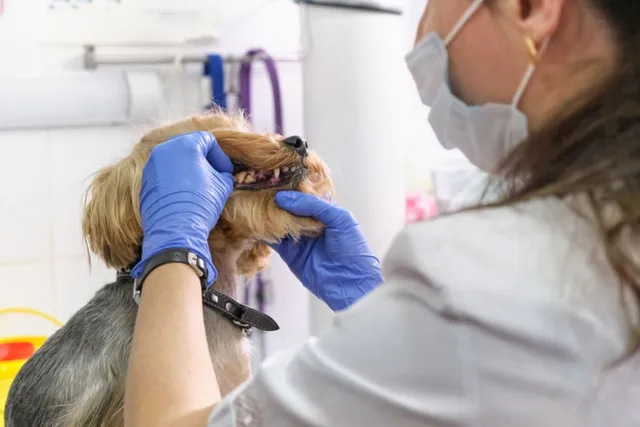
Your veterinarian will start by anesthetizing your dog and evaluating each tooth to devise a game plan. The veterinarian will then need dental radiographs (X-rays) to examine the whole tooth and decide on the best course of action.
There are six basic steps to complete a root canal successfully.
Your veterinarian could use composite material to seal the tooth or place a complete crown. Many working dogs get permanent titanium crowns.
How Do I Care for a Dog After a Root Canal?

Root canal aftercare is often a bit easier than after extractions. With extractions, your dog usually needs to eat softened food for a week or two while the extraction site heals. Dogs with root canal therapy completed can often eat their regular food.
You do need to remove whatever caused your dog's traumatized tooth. For example, if they were chewing on hard bones, get rid of them.
Administer any medications your veterinarian prescribed exactly as they prescribed the antibiotics or pain medication.
Your veterinarian will likely want to examine your dog under anesthesia and take dental radiographs (X-rays) about six months after the root canal to ensure the tooth is in good condition.
Preventing the Need for a Root Canal in Dogs
You can’t fully prevent tooth trauma, but you make sure your dog isn’t chewing on items that could lead to traumatic tooth injuries. One suggestion in the fingernail test, as it is often called. Can you make an indent in your dog’s chew toy with your fingernail? If you can’t, the toy is too hard and would be more likely to cause trauma.
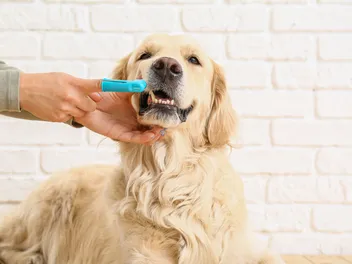
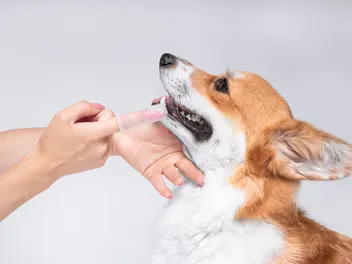
You should also regularly brush your dog’s teeth to help stave off periodontal disease. It also gives you a routine look into your dog’s mouth, which could allow you to see damaged teeth or other dental changes more readily than if you waited until your dog stopped eating.
If you need guidance on keeping your dog's dental hygiene healthy, we suggest you speak to a vet.

Frequently Asked Questions (FAQ)
How expensive is a root canal?
Root canals in dogs can be more expensive than extracting the affected tooth. According to Embrace Pet Insurance, dog root canal treatments usually cost between $1,500 and $3,000. Still, they could go up to around $6,000.

How successful are root canals in dogs?
Studies have shown that root canals in dogs are relatively successful. One study demonstrated that 69% of teeth with a root canal were successfully treated. The canine teeth had a lower overall success rate than the carnassial teeth.
Conclusion
Fractured teeth are painful and at risk of infection. These teeth need to be treated as soon as possible, with either extraction or endodontic therapy, another term for root canal therapy. Your veterinarian can help you decide the best option for your pup.
See Also:
Sources
Featured Image By: PixieMe, Shutterstock
Expert dog care, straight to your inbox
News, insights, expert advice, and everything dog.

No spam — unsubscribe anytime.
By signing up, you agree to our Terms & Conditions and Privacy & Cookies Policy.
How useful was this post?
Click a star to rate. You can leave written feedback afterwards. (We read all feedback.)
Dr. Samantha Devine DVM (Veterinarian)
Dr. Samantha Devine is a practicing veterinarian who enjoys caring for animals and sharing her knowledge with pet owners. Preventative care, ranging from nutrition to vaccination, is her specialty and passion!
With over 12 years of veterinary experience, Dr. Devine has extensive knowledge to share about small animal medicine, horses, aquatic species, and even zoo animals. She has also been writing for online pet sites for most of that time.