Why Is My Dog's Vagina Swollen? 5 Vet Explained Reasons & When to Worry

In this article
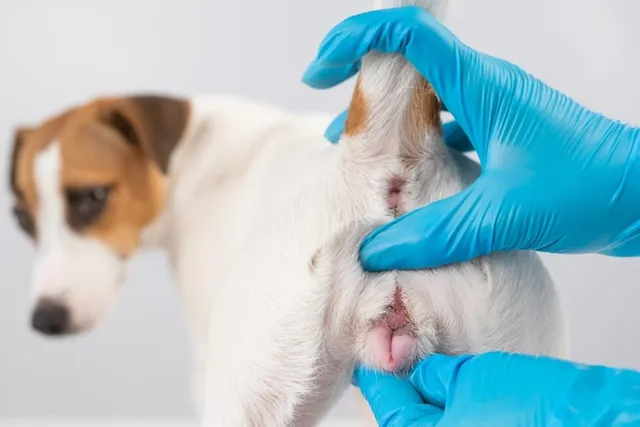
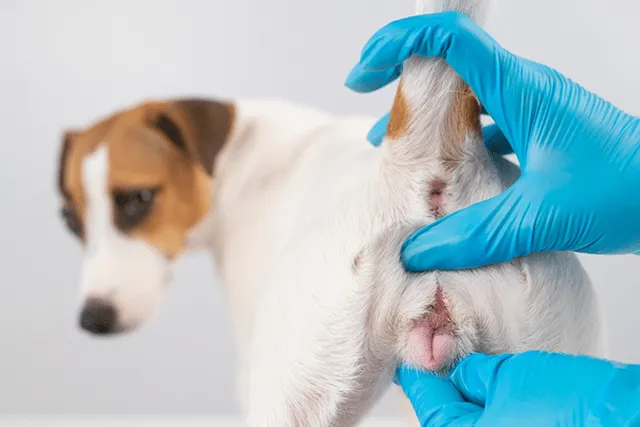
Your dog's genital area seems bigger than it normally is, so you naturally wonder if it's time to call the vet or if it's something normal that will pass on its own. Let's take a look at some of the reasons why your dog's vulva might become swollen.

The 5 Possible Reasons Your Dog's Vagina Is Swollen
1. Estrus or the Heat Cycle
If you notice that your dog's vulva is swollen, the first thing to consider is: is she in heat? If your dog is not spayed, they'll usually have a heat cycle roughly every six months, starting between six and eight months of age. As your dog enters estrus, hormonal changes lead to the vulva becoming enlarged. Your veterinarian may be able to determine the stage of your dog's estrus cycle by performing vaginal cytology.

2. Infections and Inflammation
Unfortunately, infections and inflammatory responses are possible within the urinary and genital tracts, which can lead to vulvar swelling.
Urinary Tract Infections
A UTI can be uncomfortable for your dog and increase the likelihood of their vulva swelling. These Infections are more common in females than males because the urethra is shorter and wider in females, making it easier for bacteria to ascend into the bladder.
Vaginitis
Dogs can also develop vaginitis or inflammation of the vagina. Bacteria or fungi like yeast could cause this infection. Some dogs develop vulva enlargement, while others have vaginal discharge.
Juvenile Vaginitis
Puppy vaginitis or juvenile vaginitis commonly affects female puppies. This inflammation generally occurs when puppies are between 6 weeks and eight months old. Puppies commonly have yellow or white discharge, the vulva can swell, and the puppy might lick the area a lot.
3. Trauma
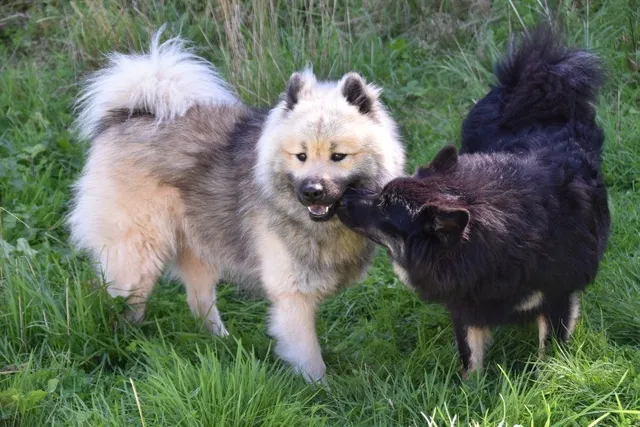
Dogs can develop traumatic injuries anywhere, including the vulva. They can be bitten or scratched when roughhousing with another pet. Sticks or even blades of grass can traumatize the area. These injuries can cause mild swelling due to tissue trauma or even lead to cellulitis infections.

4. Tumors
Tumors in the vaginal vestibule are uncommon but can happen. These tumors can get large and cause external swelling, or they might prolapse out of the vulva. In dogs, the most common types of vaginal tumors are leiomyoma and lipoma. These tumors are generally benign.
5. Vaginal Prolapse
Vaginal prolapse can occur in unspayed female dogs, where hormonal changes cause the vaginal tissue to swell. It can swell so significantly that it protrudes out of the vulva. It is usually donut-shaped and may be accompanied by discharge. Vaginal prolapses generally need to be surgically repaired. Your veterinarian may suggest spaying your dog at the same time to reduce the risk of recurrence.


What to Do if Your Dog's Vulva Is Swollen
If your dog's vulva is swollen, you should have your dog seen by a veterinarian unless it is associated with their heat cycle. Your veterinarian will examine your pup and may suggest vaginal cytology to see what stage of the estrus cycle your dog is in and look for evidence of infection if vaginitis is suspected.
Depending on the diagnosis, your veterinarian might suggest one of a few options:

Frequently Asked Questions
What’s the difference between the vulva and the vagina?
The external portion that you see if looking at your dog's genital region is the vulva rather than the vagina. The vagina is located internally and leads to the cervix and then the uterus. The vulva is an external vestibule that leads to the vagina and the urethra.
Why is my dog licking her private area?
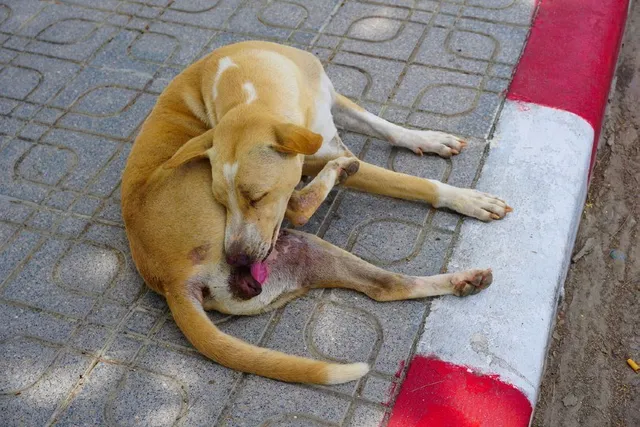
Your dog might lick her genital region if she's uncomfortable, such as with a urinary tract infection. She could also be cleaning the area if she is having vaginal discharge.

Can you treat vulvar infections at home?
You should take your dog to the vet if you're worried about a vulvar or vaginal infection, as these often need antibiotics to treat. You can try gently wiping around your dog's genital area with a clean, damp cloth, but you should wipe gently and still consider a veterinary appointment.
Conclusion
If you notice that your dog's vulva is swollen, you should have it examined by a veterinarian. It may just be a sign of their heat cycle, but it could also indicate another issue, such as an infection or mass.
Sources
Featured Image Credit: Sigma_S, Shutterstock
Expert dog care, straight to your inbox
News, insights, expert advice, and everything dog.

No spam — unsubscribe anytime.
By signing up, you agree to our Terms & Conditions and Privacy & Cookies Policy.
How useful was this post?
Click a star to rate. You can leave written feedback afterwards. (We read all feedback.)
Dr. Samantha Devine DVM (Veterinarian)
Dr. Samantha Devine is a practicing veterinarian who enjoys caring for animals and sharing her knowledge with pet owners. Preventative care, ranging from nutrition to vaccination, is her specialty and passion!
With over 12 years of veterinary experience, Dr. Devine has extensive knowledge to share about small animal medicine, horses, aquatic species, and even zoo animals. She has also been writing for online pet sites for most of that time.