Vaginitis in Dogs: Signs, Causes & Treatment Options (Vet Answer)

In this article
Vaginitis is a condition that all female dogs can experience in their lifetime. The underlying causes of vaginitis can be difficult to diagnose, and it may be challenging to recognize clinical signs associated with this condition. Intact and altered female dogs are susceptible to the development of vaginitis. Continue reading to learn more about vaginitis in dogs.

What Is Vaginitis?
Vaginitis is the inflammation of the vagina and/or the vestibule, the lower portions of the reproductive tract. Vaginitis can occur in all female dogs regardless of age and reproductive status. Inflammation can occur in the vagina for a variety of reasons, from growths to urinary incontinence.
What Are the Signs of Vaginitis?
Dogs with vaginitis can experience several signs, including:
What Are the Causes of Vaginitis?

As mentioned, there are a lot of different reasons vaginitis occurs. Very uncommonly, vaginitis is caused by a primary bacterial infection. Although primary bacterial infections are uncommon, the normal bacteria found in the vagina can ramp up if recent antibiotics have been administered, leading to a bacterial imbalance. Some cases of vaginitis are considered idiopathic, meaning there is not an identifiable underlying cause. Below are some possible causes of vaginitis development in dogs:
Common causes include:
Seek veterinary advice if you’re concerned about your pet’s well-being.
How Is Vaginitis Diagnosed?
If you have suspicion that your dog may be experiencing problems due to observed clinical signs, you should schedule an appointment with your veterinarian. Your veterinarian will perform a physical examination on your dog and will discuss diagnostics.
Physical Exam
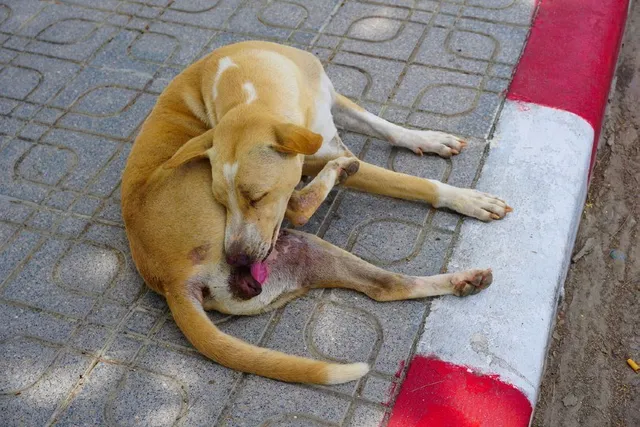
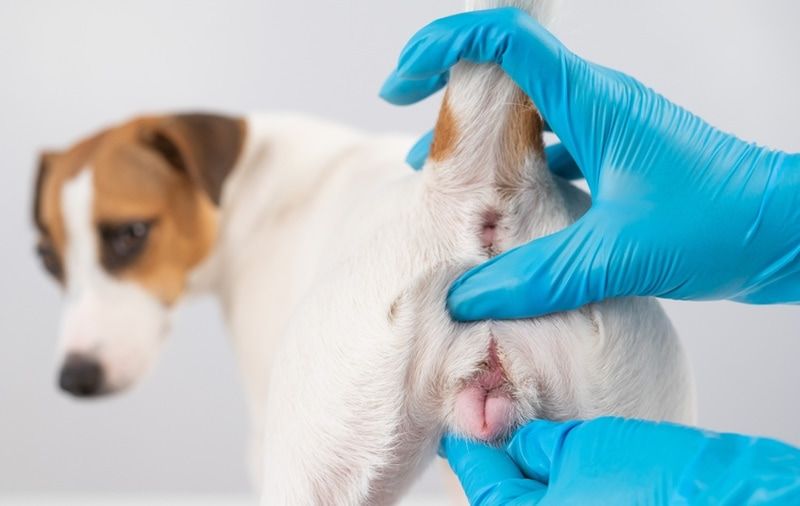
Often, dogs with vaginitis will experience discharge from the vulva that is white or yellow in coloration. The vulva may also appear inflamed due to ongoing irritation from licking or scooting. Patients rarely show signs of systemic illness. Clinical signs and history are often supportive of vaginitis.
Urinalysis
A urinalysis may also be used as a way of ruling in or out a urinary tract infection. It is helpful to obtain a urine sample by cystocentesis instead of a voided sample. A cystocentesis sample of urine is obtained directly from the bladder with a needle and syringe. If urine pulled from the bladder shows bacteria, it can be trusted, as there have not been opportunities for contamination. Bacterial contamination of urine can occur during the voiding process when urine meets normal bacteria living within the vagina.

Cytology
A swab may be obtained from the vagina and the cells can be evaluated under the microscope. In vaginitis, there will be an increased amount of white blood cells present and often bacteria as well. Again, it is critical to note that bacteria presence in the vagina is normal, but increased numbers of bacteria may be suggestive of vaginitis.
It is important to know if the patient is intact and if the patient has recently gone through a heat cycle, as this can influence how the results are interpreted.
Further Testing
Additional tests may be recommended to determine the underlying causes of vaginitis. For instance, scoping may be done to evaluate for the presence of a mass. An ultrasound might be helpful in showing an ectopic ureter.
How Do I Care for a Dog With Vaginitis?
The first step in being able to care for a dog with vaginitis is going to be identifying the underlying cause. Once the underlying cause has been found, proper treatment options will be discussed. Examples of treatment options may be surgical correction of a physical abnormality or potentially estrogen supplementation if the problem is linked to low hormone levels.
Care should be taken to closely monitor your dog for signs of recurrence, which may include excessive licking, increased urgency to urinate, and discharge from the vulva, along with others. If these signs are noted, it is important to schedule an appointment with your veterinarian.
If your veterinarian feels that your dog is uncomfortable, anti-inflammatories and pain medications may be prescribed. There may also be a benefit to administering probiotics.
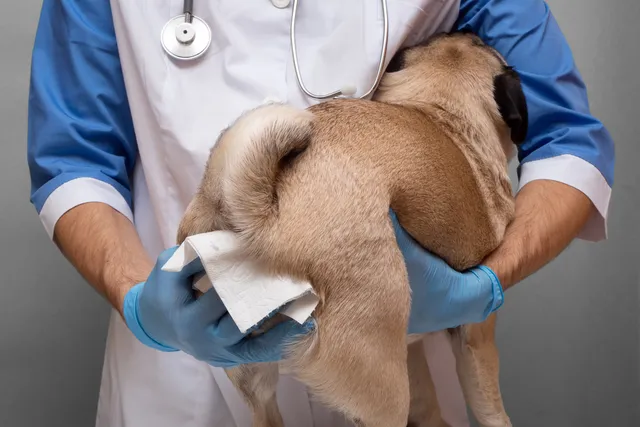
It is important that the vulva remains clean and free of debris. Ensuring that the vulva is clean can help prevent secondary bacterial infections.
If you are looking for the perfect product to clean your dog's sensitive areas, Hepper's Wash Wipes are our recommendation, plus it's a great on-the-go option. These premium wipes are thick and durable enough for the toughest of paw messes, while still being soft enough to use on your dog's ears or eyes. Formulated with pet-friendly, hypoallergenic ingredients they are the ideal product for all dogs of all ages, skin conditions, or sensitivities.

- Gentle Care For All Pets - Infused with moisturizing hypoallergenic ingredients & enriched with cucumber & aloe fragrance for healthier fur, coat & skin, the ultimate dog and cat cleaning wipes
- Deep Cleans From Head to Tail - Tackle the toughest dirt & messes with our extra strong pet wipes for dogs, cats and other pets while being gentle on sensitive areas like the face, ears, butt & paws
- Freshness On The Go - Each dog grooming wipes pack contains 30 counts of premium dog wipes that leaves your pets fresh. Packed in resealable packaging, keeping the cat wipes fresh & ready whenever
At Dogster, we’ve admired Hepper for many years and decided to take a controlling ownership interest so that we could benefit from the outstanding designs of this cool pet company!
Puppy Vaginitis
Puppy vaginitis is a common occurrence in young female dogs. This is typically seen in dogs less than 1 year of age and can resolve on its own. Resolution typically occurs after the first heat cycle. Although vaginitis in young dogs is not uncommon, other diagnostics, like a urinalysis, will likely be done to ensure that your puppy isn’t battling something more serious.
Frequently Asked Questions
Should all dogs experiencing vaginitis be placed on antibiotics?
No! Most dogs will not need antibiotics for treatment. Unnecessary use of antibiotics may lead to problems.
Will my dog have recurring episodes of vaginitis?
It really depends on the underlying cause of vaginitis. Dogs with a physical abnormality that has led to vaginitis will likely continue having reoccurrence until the problem is corrected. A dog with a foreign body that has it appropriately removed will likely not go on to have recurrence of vaginitis.

In Conclusion
Vaginitis occurs in intact and spayed female dogs. Although common, treatment for vaginitis can be complicated, as it is dependent on the underlying cause. Identifying the cause enables clinical improvement through correct treatment. Improper use of antibiotics can further worsen problems in dogs and should be avoided. A veterinarian can help guide pet owners through recommended diagnostics and supportive care.
See Also:
17 Common Dog Reproductive Problems: Vet Reviewed Signs & Treatments
Vaginal Discharge in Dogs: Our Vet Discusses Signs, Causes & Treatment
Featured Image Credit: Reshetnikov_art, Shutterstock
Expert dog care, straight to your inbox
News, insights, expert advice, and everything dog.

No spam — unsubscribe anytime.
By signing up, you agree to our Terms & Conditions and Privacy & Cookies Policy.
How useful was this post?
Click a star to rate. You can leave written feedback afterwards. (We read all feedback.)
Dr. Marti Dudley DVM (Veterinarian)
Dr. Marti Dudley is a small animal veterinarian with a strong interest in preventative medicine and pet parent education. She enjoys being a resource for pet owners as she believes that having a team approach leads to the best possible care of pets. Dr. Dudley enjoys writing and has been able to use this skill as another avenue to educate pet owners outside of the traditional office setting.
Dr. Dudley has been practicing veterinary medicine since 2014. She has an interest in preventative care and emphasizes the importance of pet owner education. Dr. Dudley’s experience in veterinary medicine is broad, as she has worked as a general practitioner, which has allowed her to see and treat many different types of conditions.
Dr. Dudley received her bachelor’s degree in biology from Longwood University in Virginia. She earned her Doctor of Veterinary Medicine (DVM) degree from Ross University.