Hygroma in Dogs: Our Vet Explains the Causes, Signs & Treatment

In this article
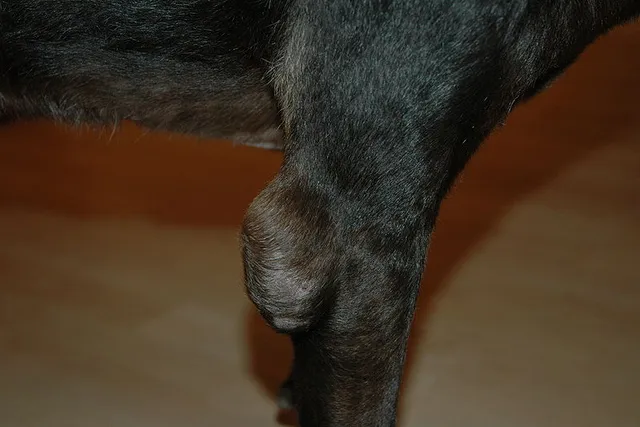
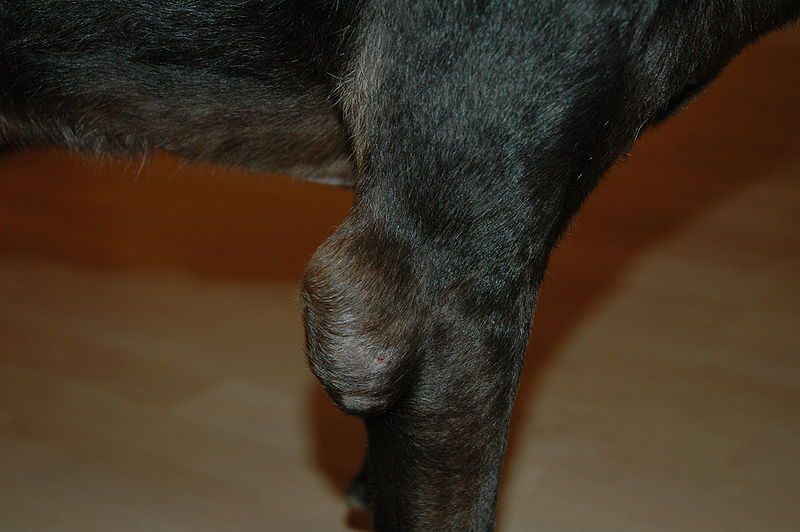
Large and giant breed dogs transmit an impressive amount of force through their joints. Some of these dogs also have a tendency to lie on hard surfaces such as floorboards or concrete. When you add these two traits together, you get a dog that is at risk of developing a hygroma. Hygromas are benign, fluid-filled swellings surrounded by a thick capsule of fibrous tissue; you’ll most commonly notice them over the elbows or hocks, though any bony point of the body is a possible location for a hygroma. But the question remains—should we be worried about them? And if so, how can we fix the problem?

What Are Hygromas in Dogs?
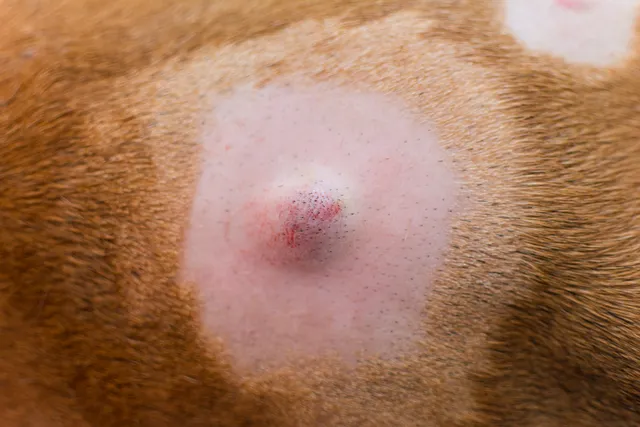
Hygromas are soft, benign, fluid-filled masses that form over bony prominences in dogs. We can think of hygromas as the canine version of “pressure sores”. They are most commonly seen in young to middle-aged large or giant breed dogs. They are most commonly encountered at the elbow, though they can also develop at other bony points, such as the hocks, hips, and wrists.
What Are the Signs of Hygromas in Dogs?
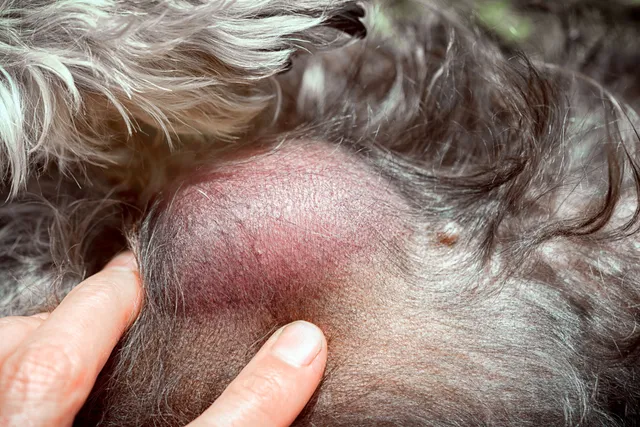
You may notice the following, typically at one or both elbows:
Hygromas are most common in large or giant breeds of dogs; dogs that are overweight, sedentary, and spend a lot of time sleeping are at greater risk of developing hygromas.
If your dog is showing any of these signs, speak with your veterinarian to discuss your options.
What Are the Causes of Hygromas in Dogs?
As we briefly mentioned, hygromas are a form of “pressure sore”. When a large or giant breed dog repeatedly gets up and down from a hard floor, they cause mild non-painful trauma to the tissue at bony sites like the elbow. Over time, the body tries to protect this area by sending fluid and fibrous tissue there, in an attempt to form a “pillow” at the traumatized location. This is how hygromas develop.
How Do I Care for a Dog with Hygromas?
There is no “one size fits all” treatment for hygromas. The ideal treatment can vary from aggressive surgical intervention to no treatment at all. This will depend on several factors, such as your dog’s age, the size of the hygroma, and the presence of infection.
Below are five treatment options for hygromas:
Frequently Asked Questions (FAQ)
What Issues Can Hygromas Cause?
The main issues hygromas can cause are pain and infection (or both). These are benign lumps that do not spread through the body or invade the deeper tissues.
How Can Hygromas Be Prevented?
Most hygromas can be prevented using adequate bedding and padding. Any hard surfaces that your dog likes to lie on should have soft bedding or blankets to minimize the impact every time they get up or down.
Is a Hygroma a Tumor?
No, hygromas are not tumors. Although they appear as lumps or growths, they are not caused by abnormal division of cells (as is the case with tumors). Rather, they are formed as the body tries to protect the traumatized tissue with fluid and scar tissue.
Conclusion
Large and giant dog breeds can transmit an impressive amount of force through their joints and coupled with lying on hard surfaces such as floorboards or concrete, the dog may be at risk of developing a hygroma.
Typically, soft bedding may help with hygromas, but if it doesn’t, it may be a good idea to speak to your vet about possible options.
Sources
Featured Image Credit: DogHygroma, ArtByCedar, Wikimedia Commons Public Domain
Expert dog care, straight to your inbox
Vet-reviewed advice, training tips, and the best of Dogster. Free, and you can unsubscribe anytime.
By signing up, you agree to our Terms & Conditions and Privacy & Cookies Policy.
Dr. Joe Mallat DVM (Veterinarian)
Joe is a veterinarian from Sydney, Australia. When he's not working, he enjoys cooking, exercising, and exploring the Australian wilderness. He has worked for 2 years at a mixed-species practice on the mid-north coast of New South Wales, treating animals of all sizes. His areas of particular interest include wound management, internal medicine, and oncology. Joe's love for the profession comes not only from helping dogs, but also from helping their parents and working with wonderful teams of people.
Joe completed his Bachelor of Veterinary Biology and Doctor of Veterinary Medicine at the University of Sydney in 2020.
Join the conversation
Ask a question, share your story, or send private feedback.