What If My Dog Has a Seizure When I'm Not Home? Our Vet Explains What to Do


In this article
A seizure is a scary thing for a dog owner to witness. It involves uncontrolled movement on your dog’s part, followed by a post-ictal period where a pup may appear disoriented and uncoordinated, and they may not even recognize you. What may be even scarier than seeing a seizure is knowing that your dog could have one while you’re not home to monitor it and protect them. If your dog is prone to seizures, we prepared tips to help you and your dog rest easier.

What to Do When Your Dog Has a Seizure and You’re Not Home
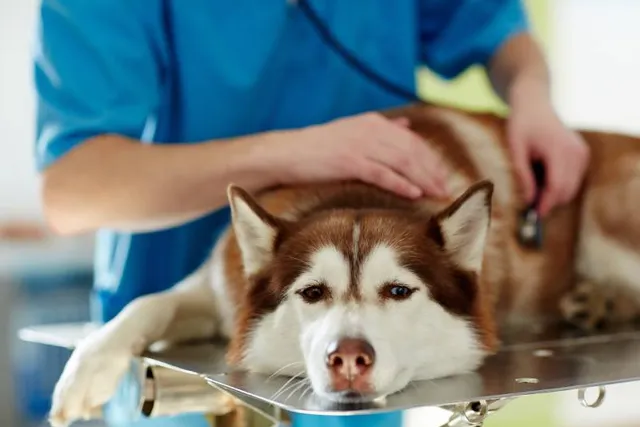
Seizures are something that your vet should know about. So, whether your dog has had one seizure or many, be sure to have them checked out by a veterinarian first. They will then decide if seizure medication is necessary, or they may have you take note of the duration and frequency of seizures if they are few and far between.
Now, here’s what to do if your dog is prone to seizures and you can’t always be home to monitor them.
1. Keep Them Safe
The biggest concern with seizures is a dog’s safety while they are convulsing. They may fall off of furniture or bump into things, causing stuff to fall on them. Ideally, you want them to be in an open, clear space, away from stairs, off of furniture, and out of reach of tall objects. This may mean putting your pet in a crate or small room whenever you leave. If this isn’t a possibility, consider getting a dog pen or gating off stairs or rooms with lots of furniture so your dog doesn’t have access to them. If they’re at risk of having seizures, don’t let your pet have free run of the house or yard while you’re gone.
2. Monitor Them From a Distance

If your dog regularly has seizures, you may want to consider setting up a doggie security camera so you can keep an eye on them. Many cameras can connect to smartphones, so you can have an around-the-clock visual of your pet. Place the camera and your dog in the same small room, and feel free to check in on them throughout the day to monitor for seizure activity.
3. Enlist Help
If you’re away for long periods during the day and your dog is a seizure risk, it may be worth getting a friend or neighbor to check in on them. You may even want to hire a dog walker or sitter who can check on them once or twice throughout the day to make sure they are safe. Ensure that these people are trained in how to keep your dog safe while they are seizing.
4. Provide Comfort

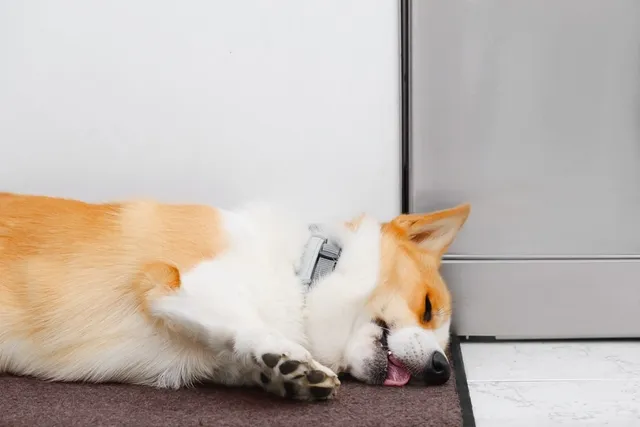
Coming out of a seizure can leave a dog feeling out of it and potentially uncomfortable. Making sure they have a safe space to relax and get their bearings may help relieve a bit of the anxiety, especially if you can’t be there in person. Know that all they often need is time and reassurance to feel better. If your dog isn’t back to normal within a couple of hours, though, contact your vet.
5. Try Wearable Technology
You may want to look into seizure-detection devices for your dog. These keep track of your dog’s vital signs and can alert you when they are having a seizure. Ask your vet for more details, as this is fairly new technology.
6. Consider Doggie Daycare

If you can’t stand the thought of your dog experiencing a seizure alone, doggie daycare may be the answer. Just be sure the daycare personnel know about your dog’s seizures and how to handle them should they occur.
Can You Leave a Dog That Has Seizures Alone?
In a perfect world, we would spend every minute with our canine companions, especially those that experience seizures. Of course, that isn’t always practical, making it a necessity to leave a dog that has seizures alone at least part of the time. To help combat this, rather than giving your dog free range of the house, confine them to a crate or small, open room while you’re away. This will prevent them from injuring themselves on stairs, furniture, or other objects while they are seizing.
You’ll also ideally want to have a check-in system so you can get them to a vet if they have an overly long seizure. This may mean getting a security camera, requesting neighborly check-ins, doing doggie daycare, or hiring a sitter to watch over them throughout the day. Anyone watching your dog should know how to respond to their seizures in order to keep your pet and themselves safe.
Seek veterinary advice if you’re concerned about your pet’s well-being.
Should You Touch a Dog Having a Seizure?
The answer to this depends on what phase of seizure your dog is experiencing, but generally speaking, you shouldn’t touch your dog until afterward.
Seizures have three phases:

Conclusion
Seeing your dog go through a seizure can be terrifying and leave you with a feeling of helplessness, but what may be even worse is thinking about them going through one while you’re not there. You can help prepare for your pet’s seizures by making sure your dog is left in a safe space, such as a crate, while you’re not home. You may also want to get regular check-ins with a security camera, neighbor, dog walker, or a seizure-detection device throughout the day to boost your peace of mind.
See also: Common Seizure Medication For Dogs
Featured Image Credit: aromir Chalabala, Shutterstock
Expert dog care, straight to your inbox
News, insights, expert advice, and everything dog.

No spam — unsubscribe anytime.
By signing up, you agree to our Terms & Conditions and Privacy & Cookies Policy.
How useful was this post?
Click a star to rate. You can leave written feedback afterwards. (We read all feedback.)
Dr. Chyrle Bonk DVM (Veterinarian)
On top of caring for animals and writing for veterinary publications, Dr. Chyrle Bonk owns a small cattle herd! When she’s not busy with those things, she can be found somewhere enjoying the Idaho outdoors with her husband and two kids. Dr. Chyrle Bonk received her Doctor of Veterinary Medicine (DVM) from Oregon State University in 2010.
Chyrle has practiced in a mixed animal clinic for over a decade. She also writes for various veterinary websites and magazines, like Dogster!