Tylosin for Dogs: Uses, Side Effects & FAQ (Vet Answer)

In this article
Tylosin is a useful antibiotic and anti-inflammatory medication for treating diarrhea and inflammatory bowel conditions in dogs. It can be given as an injectable, orally as a powder, or compounded into a liquid. Some dogs may benefit from having it added to their food instead of being administered on an empty stomach. Side effects may include pain at the injection site or vomiting or diarrhea if taken orally. This medication can be helpful for dogs with recurrent episodes of diarrhea.

What Is Tylosin?
Tylosin, also known by the brand name Tylan®, is an antibiotic in the erythromycin family used to treat diarrhea and inflammatory bowel disease in dogs. This medication has anti-inflammatory properties that make it useful for soothing and treating colitis in small pets. Research indicates that it is effective for treating recurrent bouts of diarrhea in dogs. Tear-staining, or epiphora, in small breed dogs, has also been effectively treated with Tylosin, though this is controversial because it may contribute to the development of antibiotic-resistant bacteria.1
Tylosin is available as an injectable form or comes as soluble granules or powder. The powder form should be stored in a tight container at room temperature and protected from light and moisture.
This medication is prescribed by veterinarians in a way that differs from label directions approved by the FDA, which is known as off-label use in veterinary medicine. Off-label, or extra-label, use of a medication is not uncommon, but you must follow the directions given by your veterinarian.

How Is Tylosin Given?
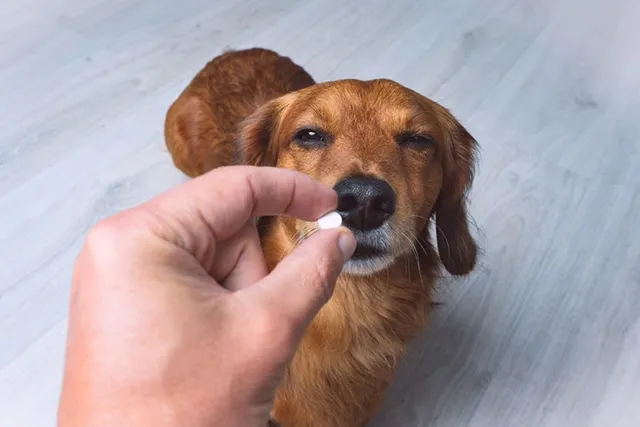
Tylosin is typically given by mouth in a powder form. However, this medication is bitter, so it may be placed in an empty gelatin capsule or masked in food/treat. It can also be compounded into a liquid form or given by injection. While this medication can be given with or without food, it may benefit your pet if given with food, especially if your dog vomits or acts nauseated after ingestion. Tylosin starts helping your dog in about 1–2 hours, but the full effect may not be noticeable for a few days.
What Happens If You Miss a Dose?
If you accidentally miss a dose, you may give it to your dog as soon as you remember. However, refrain from giving the dose if it is close to the next interval. Never give extra doses or two doses at the same time.
Potential Side Effects of Tylosin
Side effects of Tylosin may include mild gastrointestinal signs, such as:
Pain at the injection site can also occur. Side effects may last longer in dogs with kidney or liver issues. In healthy dogs, Tylosin is short-acting and should start working within 24 hours. This medication may also falsely elevate liver enzymes on blood tests like ALT and AST.


Frequently Asked Questions
Is There Any Monitoring Required (Lab Work, etc.) While My Dog Is on Tylosin?
No specific monitoring is required other than making sure the medication is effective in treating your dog’s condition.
What Happens If I Accidentally Overdose My Dog?
In case of accidental overdose, call your veterinarian right away. They may have you bring your dog in for treatment and monitoring, direct you to an emergency facility, or have you call pet poison control for advice.
Should I Disclose All Supplements That My Dog Is Taking to My Veterinarian Prior to Treatment With Tylosin?
Yes, your veterinarian should be informed of all medications, supplements, and vitamins that your dog is currently taking, to prevent any medication interactions.
Conclusion
Dogs with inflammatory bowel disease and diarrhea can benefit from the antibacterial and anti-inflammatory properties of Tylosin. It acts quickly and may take effect in as little as 1–2 hours. Noticeable effects may not be apparent until after a few days on the medication, however. The oral form of this medication is bitter, so it may be placed into an empty capsule or compounded into a liquid form for easier compliance. Owners may find it helpful to mix it with a tiny amount of cold butter to administer to pets, to help mask the taste.
Sources
Featured Image Credit: sophiecat, Shutterstock
Expert dog care, straight to your inbox
News, insights, expert advice, and everything dog.

No spam — unsubscribe anytime.
By signing up, you agree to our Terms & Conditions and Privacy & Cookies Policy.
How useful was this post?
Click a star to rate. You can leave written feedback afterwards. (We read all feedback.)
Dr. Stacie Grannum DVM (Veterinarian)
Dr. Stacie Grannum was born and raised in Arizona, USA. When she was a little girl, an encounter with a little animal changed her life forever. A tiny bird fell high from its nest, and Stacie diligently cared for it. Sadly, despite her best attempts to save it, the baby bird did not survive. From this devastating loss came a new ambition, carving the path that Dr. Grannum followed. She knew that she wanted to pursue a career in veterinary medicine. She worked hard toward that goal and dedicated her time to pursuing the field.
Today, her focus is on pet health, particularly wellness and preventive medicine. She also enjoys writing about pet health and is eager to share what she has learned over the year with other animal lovers.
In 2014, Dr. Grannum earned her Doctor of Veterinary Medicine Degree from Colorado State University.