Side Effects of the Rabies Vaccine in Dogs: Our Vet Explains

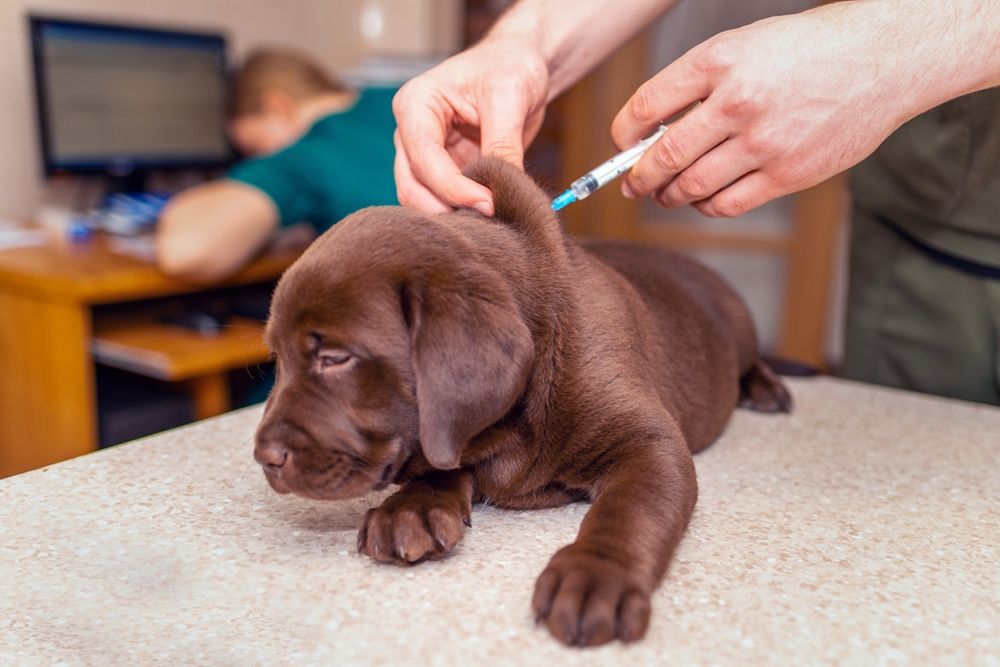
In this article
You have an indoor cat and a dog that never leaves your side, but your vet says they need the rabies vaccine. You might have even seen some scary articles online about the side effects of vaccines. It is natural to have many questions surrounding vaccination. Here we cover questions surrounding side effects of rabies vaccination. Is it safe to give your dog the rabies vaccine?

What Is the Rabies Virus?
The Rabies Lyssavirus is a viral infection that is almost always fatal but is preventable with vaccination. It is a slow-moving virus that affects the nervous system of mammals. It is transmitted by saliva of affected animals and can be passed from wildlife to domestic pets and humans. So your dog can get infected by bite wounds or scratches that become contaminated with infected saliva.
In the United States, we see dogs and cats with rabies occasionally, but the most common vectors of the virus are:
- Raccoons
- Bats
- Foxes
- Skunks
Signs of rabies infection in animals include:
- Drooling
- Fear of water
- Increased aggression or fear
- Altered bark
- Falling or wobbly gait
- Seizures
- Death
Rabies is a significant global human health concern and zoonotic risk. According to the Centers for Disease Control, an average of one to three people die each year in the U.S from rabies, but over 60,000 people receive treatment for possible exposure1. Worldwide around 59,000 people die from rabies virus infection each year.2

The Rabies Vaccine
The good news is that even though the rabies virus is deadly, the vaccine is highly effective. It is also legally required in the United States, with different municipalities having different guidelines on what age it is necessary and booster requirements.3
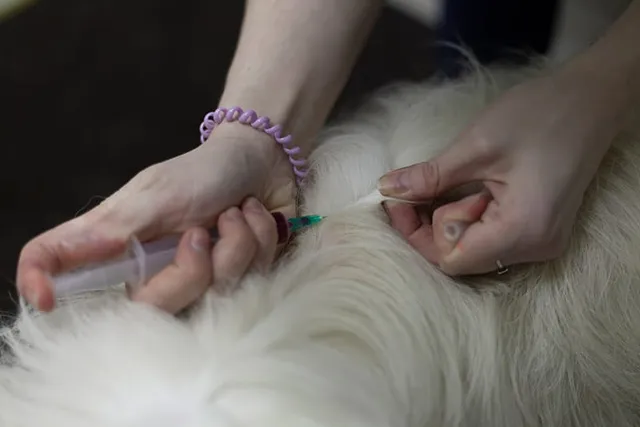
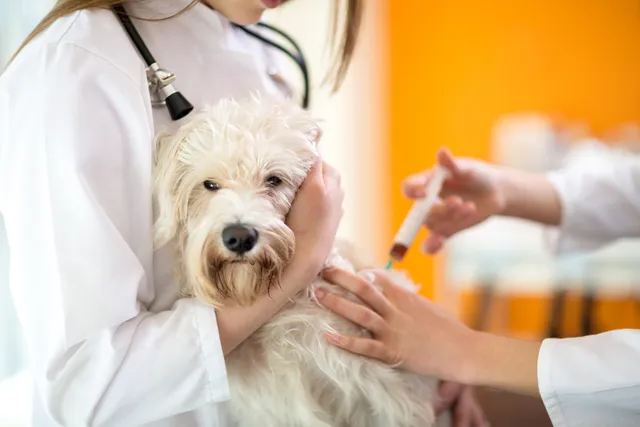
Your vet will generally recommend vaccinating your dog against rabies between 14 and 16 weeks of age. That vaccine will be good for one year but must be topped up at the year mark. Your vet typically gives a three-year duration vaccine at the booster appointment a year later. (Some places only allow boosters to be good for one year, so you may want to ask.)
For dogs and cats with underlying health conditions, your veterinarian may suggest titer testing as an alternative to rabies vaccination. The titers evaluate your dog’s antibody levels to check they have some level of protection against the virus. If your pet is traveling to a rabies-free area, such as Hawaii or Japan, they will need to undergo rabies titer testing (known as a FAVN), in addition to having current vaccines.
Allergic Reactions to Rabies Vaccines in Dogs
Although very rare, we will discuss allergic reactions first as these are the most immediate adverse reactions to rabies vaccines. Vaccine hesitancy often stems from fear by owners that their pets will have a bad reaction to a vaccination: fortunately severe side effects are rare as a whole in dogs. A study on a Canadian population of dogs and cats showed that allergic reactions were the most commonly reported adverse effect to rabies vaccination. Not including anaphylaxis, allergic reaction occurred in less than 3 out of 10,000 pets, and anaphylaxis occurred in 0.343 pets out of 10,0003.
Unfortunately, predicting which animals will have an allergic vaccine reaction is not possible unless they have previously had an allergic reaction. Although it can occur after the first vaccination, animals are more likely to develop a reaction with subsequent vaccinations.
Reactions can, on rare occasions, be severe and cause trouble breathing or even a shock-type systemic collapse (anaphylaxis). Reactions usually occur within an hour or two of your dog getting the rabies vaccine.

Signs of Allergic Reaction to Vaccination
- Facial swelling
- Itching
- Vomiting and Diarrhea
- Hives, which may be hard to see if your dog has a long hair coat
- Weakness
- Collapse
- Pale gums
- Difficulty breathing
Mild to Moderate Side Effects of the Rabies Vaccine in Dogs
The most common side effect of a rabies vaccine is tenderness at the injection site. While this is usually mild, dogs can be in pain or even act dramatically and refuse to walk on the leg for a short while.
Non painful lumps can also develop at the injection site and can take around 3 weeks to settle down. They should get smaller rather than larger with time. If a lump is growing or becomes hot and painful you should return to your veterinarian.
As the immune system begins its mount a response, your dog might be tired or lethargic. Sometimes, they'll run a mild fever.

Longer Term Reactions
While thankfully not common it is the reality that some dogs develop longer-term consequences after being vaccinated. Injection site tumors do sometimes develop. These are more common in cats than dogs, but they are still possible.
Some dogs may develop autoimmune conditions after vaccines, such as immune-mediated hemolytic anemia or immune-mediated thrombocytopenia. These dogs should not be vaccinated in the future unless absolutely necessary. Your veterinarian can work with you to determine legal requirements. Many cities and counties simply require a document from your vet stating why the pet cannot be vaccinated.
Keep in mind that side effects from vaccines are not common, but they are possible. Your veterinarian is the best person to discuss any concerns that you may have.
Preventing Further Vaccine Reactions
If your dog has suffered an adverse reaction to a rabies vaccine in the past you may be concerned about giving them further vaccines. One way that veterinarians try to prevent or minimize vaccine reactions is by administering an antihistamine before your dog receives the vaccine. The vet will generally use an antihistamine as an injection and may prescribe oral medications to be taken before your visit too.
Some vets also stagger vaccines. Instead of your pup getting four or five vaccines at once, your vet might suggest splitting the vaccines across multiple visits. One study found that the highest numbers of adverse reactions to vaccines, in general, were in French Bulldogs and Dachshunds4.

Treating Vaccine Reactions in Dogs
If you are concerned that your dog is having any kind of reaction to a vaccine you should contact your veterinarian for advice. The treatment for a vaccine reaction depends on what signs your dog is showing. Allergic reactions should be treated with urgency.
If your dog is a little sore, your veterinarian might prescribe diphenhydramine or an anti-inflammatory veterinarian medication. Compresses could also be helpful.
Mild vomiting and diarrhea are usually treated with supportive care. Your vet might prescribe a bland diet and probiotics, such as the following:
- Hill's i/d
- Gastrointestinal Low Fat
- Pro-pectalin
- Fortiflora
If your dog appears to be in anaphylaxis, your dog will need to receive certain medications to improve blood pressure and heart rate. Your veterinary team might:
- Give antihistamines
- Give steroids
- Place an IV catheter and give fluids
- Administer epinephrine
- Give an anti-seizure medication if the pet has seizures
Frequently Asked Questions (FAQ)
What happens if a dog gets a rabies shot too soon?
Getting a rabies vaccine early, before 12 months have passed will not usually cause any issues. It is usually better to have the vaccine slightly early rather than go beyond the scheduled booster. Some countries require at least two rabies vaccines on a strict schedule.

How long after the rabies vaccine will my dog feel poorly?
In most cases, your dog will return to normal within 24 to 36 hours. Serious side effects can take longer to recover from, however, so your veterinarian should be involved.
Conclusion
Vaccines are relatively safe injections that protect against serious and even fatal infections. Consider talking to your veterinarian about supportive measures, such as giving antihistamines before the appointment if you are concerned about allergic reactions.
Sources
Featured Image Credit: ARVD73, Shutterstock
Expert dog care, straight to your inbox
Vet-reviewed advice, training tips, and the best of Dogster. Free, and you can unsubscribe anytime.
By signing up, you agree to our Terms & Conditions and Privacy & Cookies Policy.
Dr. Samantha Devine DVM (Veterinarian)
Dr. Samantha Devine is a practicing veterinarian who enjoys caring for animals and sharing her knowledge with pet owners. Preventative care, ranging from nutrition to vaccination, is her specialty and passion!
With over 12 years of veterinary experience, Dr. Devine has extensive knowledge to share about small animal medicine, horses, aquatic species, and even zoo animals. She has also been writing for online pet sites for most of that time.
Join the conversation
Ask a question, share your story, or send private feedback.