Sciatic Nerve Injury in Dogs: Vet-Explained Causes, Prevention & Treatments

In this article
The sciatic nerve is a large nerve in our legs and, similarly, is present in the canine hindlimb. You might be familiar with it, especially if you have experienced sciatica, which tends to give humans a lot of trouble. Sciatica causes nerve pain that shoots from your rear down your leg, which is the path of the sciatic nerve.
Dogs can also have issues with the sciatic nerve. Typically, a sciatic nerve injury is associated with trauma. However, diseases and even veterinary treatment can lead to problems with the sciatic nerve, which can lead to pain, weakness, paralysis, or lack of sensation in the hindlimb.

What Is Sciatic Nerve Injury?
Think of nerves as wires that travel around the body. Where there is a break in the wire, the conduction of electric signals will be reduced or blocked, depending on how complete the break is. However, circuits that don’t involve the damaged part will function normally.
When we want to move, the brain generates a signal that is sent down to the spinal cord through the relevant nerves to the necessary muscles. Nerves also send sensory signals back to the brain. In dogs, the sciatic nerve arises from the section of the spinal cord in the lower back. It then travels backward, looping behind the hip before coursing down the leg behind the femur and knee before dividing into two branches: the tibial and fibular (peroneal) nerves.
The sciatic nerve is responsible for the movement of many muscles in the hindlimb. It also picks up sensory signals like touch and pain and sends this information to the brain. Thus, a sciatic nerve injury will cause problems with sensation or muscle activity “downstream” of the problem. The exact signs depend on what caused the injury and its severity.
Some of the types of injury that can occur at the sciatic nerve are:
What Are the Signs of Sciatic Nerve Injury?
Sciatic nerve injury can occur in dogs of either sex at any age. Most of the time, only one leg is affected. Dogs show signs of nerve dysfunction, which vary depending on the part of the nerve affected. Generally, owners will notice their dog limping and the muscles of the hindleg start to waste, but we can be more specific about that.
When one branch of the sciatic nerve, the tibial nerve, is affected, dogs show the following signs:
If the fibular nerve is affected, you can notice:
If the injury is in the sciatic nerve before it branches, you will notice all of the above signs. A problem higher up in the nerve could prevent the dog from bending the knee.
Your pet may also show signs related to the cause of the injury, including:


What Are the Causes of Sciatic Nerve Injury?
There are numerous causes of sciatic nerve problems, but since a sciatic nerve injury implies an external cause rather than any disease, we will start with them.
Sciatic nerve injuries are commonly iatrogenic, meaning they are a complication of veterinary treatment, with surgery being the most common cause. The kinds of procedures that can cause a sciatic nerve injury include:
Sciatic nerve injuries can also result from trauma, such as:
Finally, certain diseases can damage or inflame the sciatic nerve. Abnormal bleeding or blood clots in the hindlimb can cause a loss of blood supply to the nerve and neurapraxia. Tumors arising from the nerves can also cause pain and signs of nerve dysfunction.
Nerve sheath tumors are common in older dogs and, unfortunately, carry a poor long-term prognosis even with treatment. Lumbosacral disease in dogs causes nerve pain and can lead to neuritis in the sciatic nerve.
Middle-aged to older large-breed dogs are more likely to have this condition. It occurs when the channels where the nerves exit the spine are narrowed. Typically, this is due to arthritic changes in the spine. The disease is painful, so your dog may yelp when touched, dislike the tail being lifted, or rise slowly.

Diagnosing Sciatic Nerve Injury in Your Dog
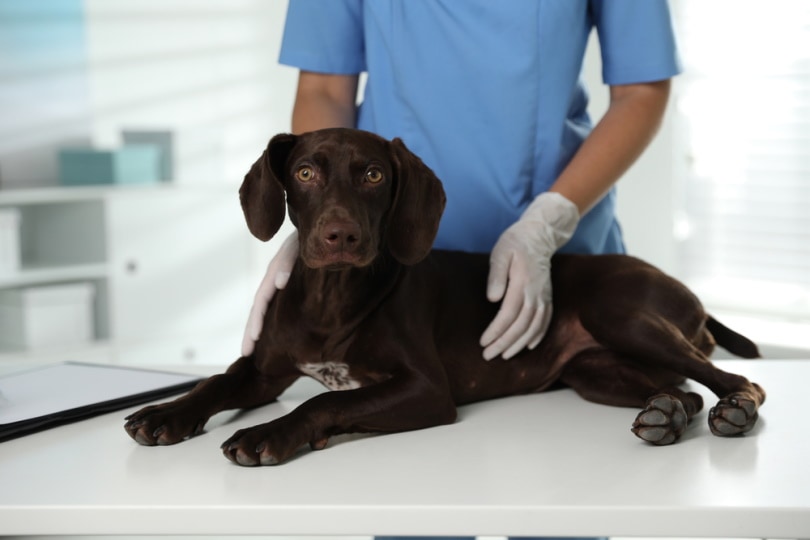
You should schedule a consultation with your vet if you notice signs of sciatic nerve injury. A sciatic nerve injury may be suspected based on your dog’s history as well as the results of a neurological examination. Your vet will observe your dog’s gait and palpate it for any areas of pain or swelling, as well as test their sensation and reflexes.
Based on your dog’s circumstances, your vet may recommend some initial diagnostic tests. For example, X-rays can look for bony changes such as fractures or spinal arthritis that could be causing your dog’s issues. Ultrasounds can also be performed, which can be used to view changes in the nerves as well as look for potential foreign bodies and tumors. In some cases, more advanced imaging like MRI can be needed to diagnose the issue.
A referral to a specialist is needed to diagnose a nerve problem, such as a lack of nerve firing. Generally, a veterinary neurologist will perform special tests on nerves while the dog is under general anesthesia. These tests are called electrodiagnostic studies, and they measure the electrical activity in nerves.
These studies can be particularly useful in determining the location and severity of the nerve injury and the prognosis for your dog. For example, with neurapraxia, there can be a clinical neurological deficit, but electrical stimulation is usually normal, revealing a good prognosis.
How Do I Care for a Dog With Sciatic Nerve Injury
You should speak with your vet about a specific treatment plan for your dog.
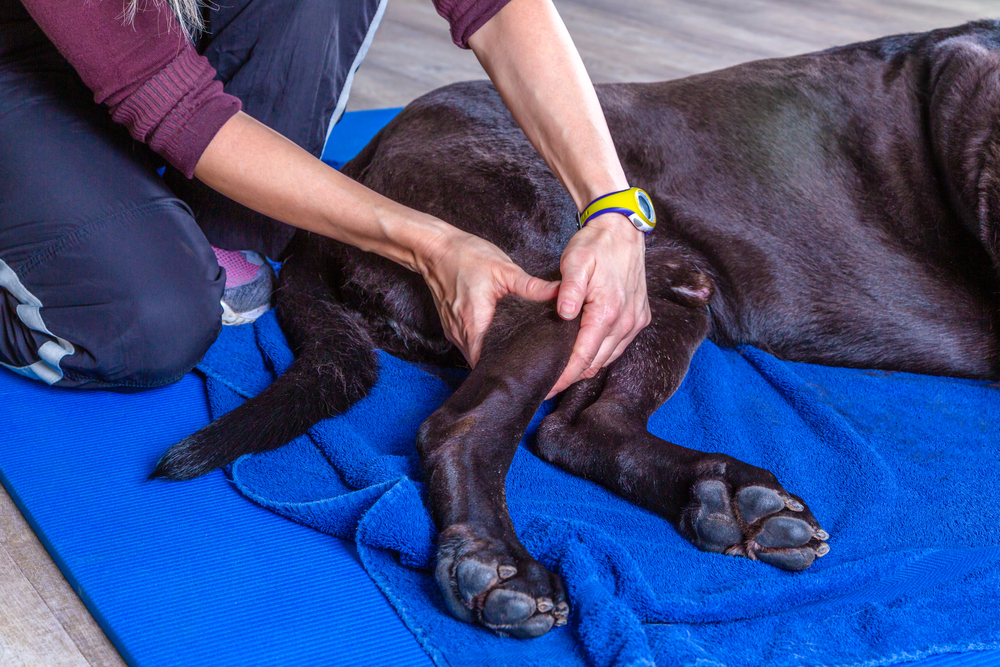
We have a few tips that can help you care for your dog at home and speed up their recovery, but which ones are appropriate will depend on your individual case. A treatment plan could include:

Frequently Asked Questions
How Can a Sciatic Nerve Injury Be Prevented?
Not all cases of sciatic nerve injuries can be prevented. However, you can minimize the risk of traumatic injuries by keeping your dog safe at all times. This means having a secure, fenced-in yard and keeping them on a leash when outside to avoid accidents. Repetitive high-impact exercises like agility and fetch can make dogs prone to sciatic neuritis.
Do Dogs With Sciatic Nerve Injuries Need to Be Euthanized?
Generally, dogs with a sciatic nerve injury do not need to be euthanized, but in some cases, it can be a kind option. Studies show that if your dog can flex and extend their hock joint, the nerve damage is likely to improve.
Regardless of your dog’s recovery, they can have a good quality of life in many cases. Healthy dogs with traumatic nerve injuries that do not resolve can do very well with salvage procedures or physiotherapy treatment, as these prevent the leg from becoming a bother to them. Then again, dogs with other mobility problems may not cope well. Also, if the nerve injury is due to a severe underlying disease, like cancer, the long-term prognosis is poor.
Conclusion
If your dog has sciatic nerve damage, it’s most likely from trauma or surgery, although other conditions can cause sciatic nerve problems. Your vet can discuss the prognosis and options for your dog, but the ability of the sciatic nerve to regenerate means that many dogs improve within weeks or months of a moderate injury. While other dogs may never be completely normal, most can experience a good quality of life with the right treatments, and they don’t let the nerve damage slow them down!
Featured Image Credit: msgrafixx, Shutterstock
Expert dog care, straight to your inbox
Vet-reviewed advice, training tips, and the best of Dogster. Free, and you can unsubscribe anytime.
By signing up, you agree to our Terms & Conditions and Privacy & Cookies Policy.
Dr. Ashley Darby BVSc (Veterinarian)
Dr. Ashley has worked in mixed and small animal emergency clinics and general practice ever since 2017 after studying Sydney University. She grew up in South Africa and England before moving to Australia, and her passion for animals came from many childhood safaris in the Kruger National Park.
Ash lives with her husband, two happy Springer Spaniels, and one very patient black cat. She also competes in equestrian sports with her horse, Atlas.
Join the conversation
Ask a question, share your story, or send private feedback.