Pneumonia in Dogs: Vet-Explained Causes, Signs & Care

In this article
If you have a dog that likes socializing with other dogs, be aware that these social gatherings can lead to illnesses like pneumonia. A dog can develop signs of pneumonia a few days after interacting with a dog who already has the illness. Since pneumonia can be life-threatening, it is vital to know the signs that your dog has contracted pneumonia and how to care for them.

What Is Pneumonia?
Irritation and inflammation of the delicate gas-exchanging tissues of the respiratory tract are hallmarks of pneumonia. Pneumonia primarily affects the deep tissues of the lungs, including the small airways, air sacs or alveoli, and the tissues in between them, known as the lung interstitium. The inflammation leads to a build-up of fluid in the air sacs, known as pulmonary edema, which impairs the usual gas exchange of oxygen and carbon dioxide between the blood and lungs.
In a healthy dog, the air sacs fill with air as the dog inhales, absorbing oxygen into the bloodstream through tiny vessels called capillaries and expelling carbon dioxide out of the lungs during exhalation. With pneumonia, the air sacs fill with inflammatory fluid instead. As a result of this disturbance, the dog is unable to ventilate, or breathe, sufficiently, meaning there is not enough oxygen in the blood to meet metabolic demands, and an excess of carbon dioxide remains in the system.
If a dog is experiencing oxygen deficiencies during gas exchange, breathing difficulties ensue, which may be life-threatening.

What Are the Signs of Pneumonia?
Signs of pneumonia in dogs may range from mild to severe. The most common signs include:
- Coughing: dry and non-productive (no mucus) or wet and productive (mucus)
- Lethargy or listlessness
- Loss of appetite
- Labored or rapid breathing
- Wheezing
- Fever
- Nasal discharge
- Blue gums or mucous membranes
- Exercise intolerance
Complications of pneumonia include:
- Inflammation of the thin lining around the lungs (pleurisy)
- Susceptibility to additional organisms causing infection in the lungs
If you are concerned about the health and well-being of your pet, seek veterinary advice for the best course of action.
What Are the Vital Signs of a Normal Dog?
Knowing the vital signs of a dog is imperative to catching changes early. Refer to the chart below for normal parameters in dogs.
| Resting Heart Rate (bpm) | Resting Respiratory Rate (rpm) | Temperature (F) | Mucous Membranes (e.g., gums) |
| 80–120 | 15–30 | 99.5–102.5 | Bubble gum pink |

What Are the Causes of Pneumonia?
There are a variety of reasons why a dog might develop pneumonia. Common causes are viral or bacterial in nature. Other causes include parasites, fungi, and protozoa. Injury to the respiratory tract, inhaling an irritant such as smoke, chemicals, or foreign material, or breathing in fluids, food, or vomitus can all lead to pneumonia.
1. Viral
Infectious microbes such as canine distemper virus, canine influenza, and parainfluenza may damage the intricate tissues of the lower respiratory tract. The lesions make it easier for bacteria to enter the lungs and cause a secondary infection. Viral infections are typically contagious and can spread in dog parks and boarding facilities.
2. Bacterial
Like viral pneumonia, bacterial pneumonia is common in dogs. Immunocompromised dogs, puppies, and seniors are the most susceptible to infection. According to Dr. Lauren Jones from PetMD, this type of pneumonia is commonly seen as a secondary condition when bacteria enter the lungs through aspiration or inhalation. Common bacterial agents include Bordetella, Streptococcus, and E. coli.
3. Parasites and Protozoa
Certain parasites that invade the respiratory tract can cause pneumonia. These include lungworms and lung flukes. Single-celled eukaryotic microorganisms, known as protozoans, rarely cause pneumonia in dogs. Known infections include toxoplasmosis in dogs.
4. Fungi
Breathing in fungal spores from the environment can lead to pneumonia. This type of infection is most common in the southern and eastern regions of the United States. Dogs with compromised immune systems are most susceptible, although healthy dogs can be infected, too. Causative agents include Aspergillus species (Aspergillosis), Blastomyces dermatitidis (Blastomycosis), and Coccidioides immitis (Valley Fever or coccidioidomycosis).
5. Aspiration
Inhaling liquids or fluids into the lungs can cause aspiration pneumonia. Factors include sedation and anesthesia, excessive vomiting, esophageal abnormalities, cleft palate (e.g., neonates), neurological dysfunction, brachycephalic breeds (Pugs, Bulldogs, etc.), or incorrectly giving liquid medications or food by mouth. Use extreme care and handling when it is medically necessary to force-feed a dog or puppy to prevent aspiration pneumonia.
6. Eosinophilic Pneumonia
An irritant or foreign substance, such as pollen, spores, or a parasite, triggers an immune reaction in the body. A white blood cell known as an eosinophil migrates to the lungs to help fight the offending antigen. The accumulation of eosinophils and fluid in the air sacs and lung tissue results in inflammation and decreased gas exchange.

How Do I Care for a Dog With Pneumonia?
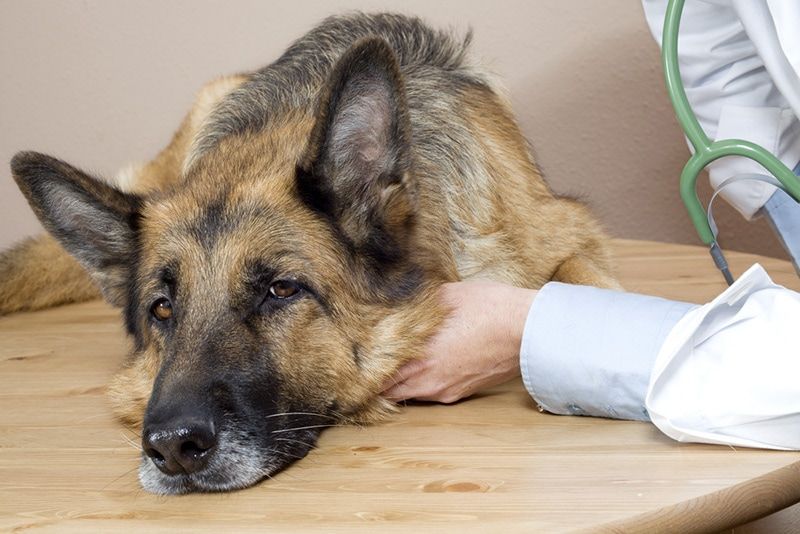
A dog exhibiting abnormal signs will need a veterinary evaluation as soon as possible. The veterinarian will gather details, including the history, to help guide testing and treatment recommendations. The doctor will also perform a complete physical examination, including listening to or auscultating the lungs with a stethoscope. Dogs with pneumonia may have crackles or wheezes in their chest, which are abnormal lung sounds.
Thoracic radiographs are helpful for evaluating the lung parenchyma for changes indicative of pneumonia, especially in the later stages of the disease. This may show as a gray, patchy, or hazy pattern on X-rays, according to Dr. Lauren Jones from PetMD. Laboratory testing, such as blood tests, respiratory fluid analysis, bacterial culture, and drug sensitivity, and evaluating cells under a microscope (cytology) may aid in the diagnosis and help direct treatment options.
Dr. Caroline Tonozzi, from the Merck Veterinary Manual, explains that treatment should focus on three main areas:
Oxygen therapy if blood oxygen levels are low (hypoxemic)
Appropriate antimicrobials
Supportive care
Oxygen is given by placing the dog in an oxygen cage or inserting a nasal catheter through which oxygen will flow. Medications, such as antibiotics, can be started and changed if needed, once the laboratory results are back. Organisms are susceptible to different therapies, so this ensures the best medication is chosen to fight the particular organism.
Dr. Wendy Brooks supports intravenous fluid therapy to restore the hydration of the dog and the respiratory secretions. Cough suppressants are not typically indicated in treatment of pneumonia as they suppress the natural ability to remove fluid and mucus from the lungs by coughing.
Supportive care includes nebulization therapy, coupage, and bronchodilators. Nebulization delivers vaporized air in a fine mist which hydrates the lower airways of the respiratory system. Coupage helps to move fluid and secretions out of the lungs and involves firmly patting a hand around both sides of the chest to loosen mucus.
Closely monitor the dog and reassess treatment if there are no signs of improvement within 48–72 hours. Continue antimicrobials for 1 week after signs of pneumonia resolve and radiographs are clear. Regular check-ups and chest X-rays are monitoring tools to ensure the dog is recovering well without any recurrence of disease or complications.

Frequently Asked Questions
What Is the Prognosis for a Dog With Pneumonia?
With early and aggressive veterinary intervention, dogs generally recover well. However, complicating factors and the severity of the dog’s condition are important to consider when evaluating outcome.
My Dog Is Coughing. Can I Give Them Over-the-Counter Cough Medicine?
No. Causes for coughing are vast and need to be evaluated by a veterinarian. Cough suppressants may do more harm than good. Never give your dog over-the-counter medications without consulting with a veterinarian first.

Final Thoughts
Dogs can develop pneumonia due to a variety of reasons. Common clinical signs include coughing, lethargy, loss of appetite, and labored breathing. Prompt veterinary care is essential once signs are observed. Treatment options include oxygen therapy, medications, and supportive care. Follow-up appointments and periodic chest radiographs are necessary to monitor recovery following treatment. See also:
Sources
Featured Image Credit: Roger costa morera, Shutterstock
Expert dog care, straight to your inbox
News, insights, expert advice, and everything dog.

No spam — unsubscribe anytime.
By signing up, you agree to our Terms & Conditions and Privacy & Cookies Policy.
How useful was this post?
Click a star to rate. You can leave written feedback afterwards. (We read all feedback.)
Dr. Stacie Grannum DVM (Veterinarian)
Dr. Stacie Grannum was born and raised in Arizona, USA. When she was a little girl, an encounter with a little animal changed her life forever. A tiny bird fell high from its nest, and Stacie diligently cared for it. Sadly, despite her best attempts to save it, the baby bird did not survive. From this devastating loss came a new ambition, carving the path that Dr. Grannum followed. She knew that she wanted to pursue a career in veterinary medicine. She worked hard toward that goal and dedicated her time to pursuing the field.
Today, her focus is on pet health, particularly wellness and preventive medicine. She also enjoys writing about pet health and is eager to share what she has learned over the year with other animal lovers.
In 2014, Dr. Grannum earned her Doctor of Veterinary Medicine Degree from Colorado State University.