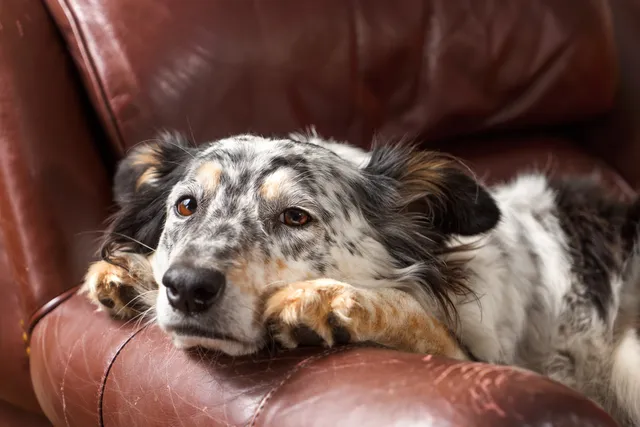
Lethargic vs Tired Dog: How to Tell the Difference


In this article
Tiredness and lethargy might seem like synonyms for feeling sleepy, but when it comes to our dogs, understanding which is which can mean the difference between a dog that needs a nap or an urgent trip to the vet. So, before you let your sleeping dog lie, let’s take a look at how to recognize when your dog is just tired, and when you need to be concerned.

Lethargic vs. Tired: A Brief Overview
Feeling tired is a completely normal physiological response to energy expenditure or a lack of sleep and is easily rectified by rest. When we describe a patient as being lethargic, we are talking about a more persistent state of tiredness that is not solved by sleep or rest.
A lethargic dog may seem dull or depressed, their movements may be slow, and they may seem less interested in the things they normally enjoy, such as eating, going for walks, or playing. While this sort of behavior may be normal for a dog that has recently returned from a long walk or doggy daycare, it shouldn’t last more than a few hours. Lethargy sometimes improves with rest, but overall energy and enthusiasm levels are lower than normal.
There are many reasons a dog may experience lethargy; some are easily addressed and others require further investigation.

Why Is My Dog Lethargic?
Lethargy is a very non-specific clinical sign and can accompany virtually any type of disease process or health condition. Any dog that is sleeping more than normal, is tired even if they haven’t been active, or lacks interest in their surroundings should be seen by a vet. Below are some of the major issues and ailments to be aware of, what sort of accompanying signs you might see, and what you need to do about it.
1. Anemia
Red blood cells carry oxygen around the body, so when their numbers are low, lethargy quickly follows. Dogs can become anemic in several different ways:
- Losing blood through hemorrhage/bleeding (inside or outside the body)
- Reduced production of red blood cells (e.g., bone marrow disease)
- Destruction of red blood cells or hemolysis (e.g., immune-mediated hemolytic anemia)
- Chronic disease (such as kidney disease)
When anemia happens suddenly (e.g., an acute internal hemorrhage), signs of weakness and collapse are usually quite obvious and dramatic. In more chronic cases, like a slow-bleeding tumor, iron deficiency, or hemolysis, lethargy is often the first sign of illness.
Pale gums are another sign of anemia, so get to know what your healthy dog’s gums look like, as early detection of a change could save their life.
If you're concerned about your dog's health we suggest you speak to a vet.
2. Cardiorespiratory Disease
Any disease or congenital problem that reduces the ability of the heart and lungs to pump oxygenated blood around the body is going to lead to lethargy. Some of the signs of cardiorespiratory disease, apart from lethargy, include:
- Coughing, particularly when resting
- Shallow, rapid breathing
- Wheezing
- Pale or bluish-tinged gums
- Exercise intolerance: a rapid decline in ability to engage in normal activities
- Episodes of weakness/collapse
- Young dogs/pups that are unusually quiet or not very playful
| Gum Colors in Dogs | ||
| Pink = normal | Pale pink to white = anemia | Bluish or purple = cyanosis (lack of oxygen) |
3. Cancer
The clinical signs of cancer depend greatly on the type, location, and severity of the disease, but lethargy can be a sign of malignant or metastatic cancer. Some types of cancer will cause the destruction of blood cells, leech nutrients from the body, cause pain, or invade the lungs, all of which will lead to lethargy.
Many of the worst cancers are the ones we cannot see, which is another reason why lethargy should always be taken seriously.

4. Fever
Pyrexia (fever) is part of the immune response, and it can occur alongside infection, inflammation, cancer, and allergic reactions. The aim of this fever is to eliminate a pathogen by raising the body temperature above what is tolerable to an invader. If a fever persists, however, it will use up energy reserves and cause damage to the body’s own cells, resulting in lethargy.
Contrary to popular belief, a dog’s nose isn’t always the most reliable indicator of health, but if you do notice that your dog’s nose and ears feel quite warm to the touch, particularly if the ambient temperature is cool, they may be pyrexic.
5. Nutrient Deficiency
We all know that a nutritionally balanced diet is essential for our dog’s health, and it’s important to recognize that not all diets are created equal. If your dog’s food contains the wrong balance of calories, protein, fats, vitamins, and minerals, there will be major impacts on their behavior, health, and energy levels.
Feeding AAFCO-approved commercially formulated dog foods is the most straightforward way to ensure your dog’s basic nutritional needs are being met, but it’s always a good idea to talk to your vet or an animal nutritionist about the specific needs of your pet.
Internal parasites can also cause weight loss and lethargy by robbing your dog of essential nutrients.

6. Metabolic, Endocrine, and Organ Disease
Diseases that affect how your dog’s body metabolizes energy and eliminates waste will have a significant impact on their energy levels, which is why lethargy is one of the top three clinical signs of the following list of health concerns:
- Diabetes
- Hypothyroidism
- Cushing’s disease (hyperadrenocorticism)
- Liver disease
- Kidney disease
- Pancreatic disease (pancreatitis, exocrine pancreatic insufficiency)
- Intestinal disorders (IBD, lymphangiectasia)
7. Pain
It’s easy to miss the subtle signs of pain. Lethargy, panting, and abnormal sleep patterns can all be indicators of pain and should not be ignored. An injured back, arthritic joint, infected tooth, or abdominal problem can all cause significant but invisible pain, and your vet can help locate and treat the source.

8. Old Age
Some dogs show signs of age very gradually, while others seem to become old overnight. Slowing down is a normal part of getting older, but that doesn’t mean you should ignore signs of lethargy in your geriatric dog. Factors like arthritis, changing nutritional needs, and a higher risk of disease mean that our dogs should be examined at least twice a year to make sure they are aging gracefully and comfortably.
9. Too Much Exercise
All dogs need exercise, but you can have too much of a good thing. Exercise requirements vary depending on age, breed, weight, and lifestyle. If you’ve suddenly started bringing your couch potato dog on your daily run, it’s going to take time for their body to adjust! Talk to your veterinary care team for advice about how much exercise your dog needs to make sure they are getting enough, but not too much.
The Bottom Line
While it is completely normal for our dogs to feel tired, it’s not normal when they are tired all the time and for no clear reason. Lethargy can be a frustratingly non-specific clinical sign, but it is an important one and not something to be dismissed. Even in older dogs, lethargy should always be investigated, as the pain of arthritis can be crippling and should not go untreated. If you have noticed that your dog seems to be more tired than usual, is taking longer to recover from exercise, or seems to be spending more time in bed, take the time to check them over, make note of any other changes, and book an appointment with your vet. It might turn out to be nothing, but early detection of a life-threatening condition could change everything.
Sources
Featured Image Credit: Kuznetsov Alexey, Shutterstock
Expert dog care, straight to your inbox
Vet-reviewed advice, training tips, and the best of Dogster. Free, and you can unsubscribe anytime.
By signing up, you agree to our Terms & Conditions and Privacy & Cookies Policy.
Dr. Karyn Kanowski, BVSc MRCVS (Vet)
Dr. Karyn is originally from Queensland, Australia, and has resided in the UK for the past 10 years. She graduated from The University of Queensland School of Veterinary Science in 2010, and also holds a Bachelor’s degree in Zoology. Karyn is passionate about using experience, evidence, and working with pet owners to provide the best solutions for pets. She also believes in making reliable information about animal health accessible to everyone. 5 cats and 4 dogs let her share their home with her and her husband, and when she is not practising as a veterinary surgeon, she spends her time writing, gardening, and cleaning up pet hair!
Join the conversation
Ask a question, share your story, or send private feedback.