Lepto Vaccine for Dogs: What to Know & Side Effects (Vet Answer)


In this article
Vaccinations generally provide good protection for your dog against certain diseases that could be severe and debilitating. While no vaccine leads to 100% immunity, it lessens the severity of the signs and improves recovery time should the disease be contracted. Some diseases are zoonotic, meaning they can be transmitted from animals to people. These include the rabies virus and leptospirosis. Vaccinations designed for animals that prevent transmissible diseases to people are essential in reducing public health threats. Keeping both pets and people healthy is a priority.

What Is the Leptospirosis Vaccine?
Leptospirosis is a disease caused by the bacterium Leptospira, found in both water and soil. The bacteria is more common in warm climates with high yearly rainfall averages, but it can proliferate anywhere after heavy rain and flooding. In the United States, infection rates in dogs seem to be higher in the southwestern, midwestern, and eastern regions.
All dogs are at risk of infection from leptospirosis, especially those that may come in contact with contaminated urine via:
Leptospirosis can lead to kidney and liver failure and sometimes, severe lung disease, which causes difficulty breathing. This disease, even if treated, can be fatal.
Fortunately, a leptospirosis vaccine is available to help protect your dog and loved ones from this potentially life-threatening disease. It is recommended that all dogs be vaccinated to help protect them from infection.

How Is the Leptospirosis Vaccine Given?
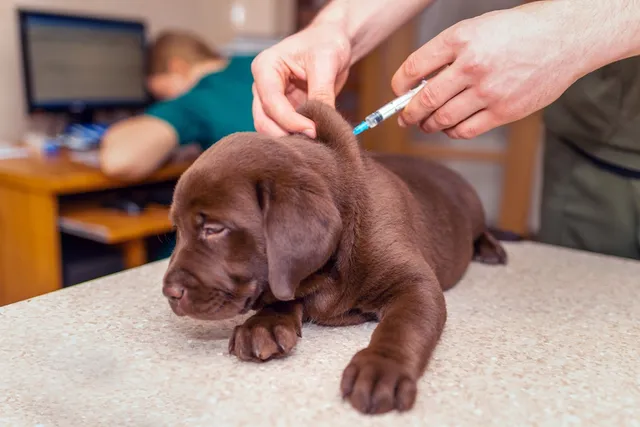
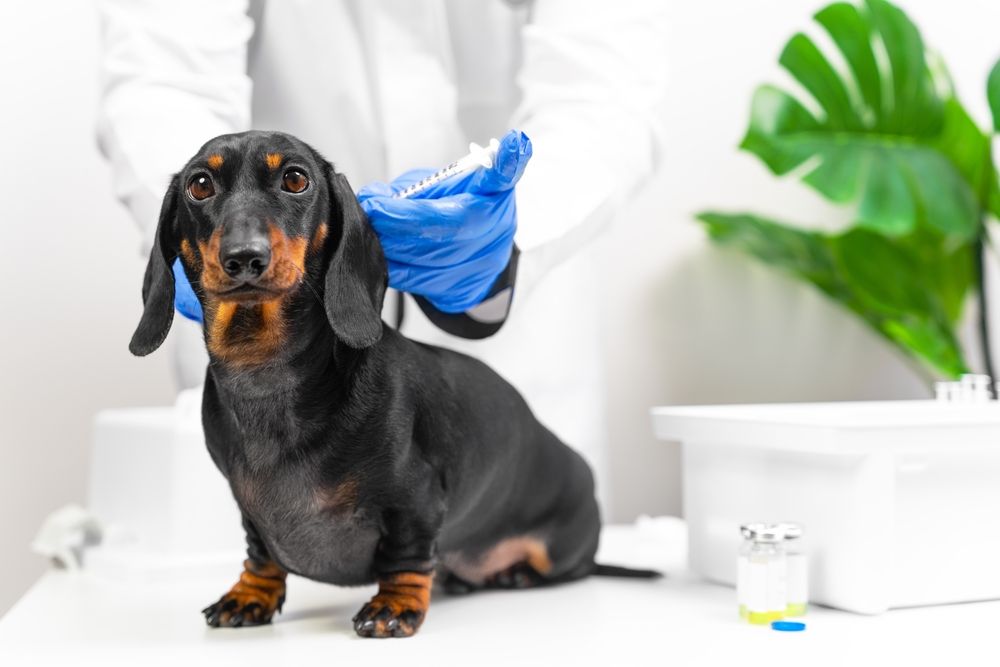
This vaccination is given under the skin (subcutaneously) and may be administered alone as its own separate vaccine or in combination with the distemper/parvo vaccine (DA2LPPv). Dogs 12 weeks of age and older can start the vaccination series. The initial series involves a set of two vaccinations, spaced 2–4 weeks apart, and then boosted annually.
What Happens If You Miss a Vaccination Dose?
If a dose is missed in an initial vaccination series, the series can be restarted with one vaccination given, followed by another given 2–4 weeks later to stimulate an appropriate immune response. The vaccination is recommended to be given annually after the initial series is completed, and if the annual booster is missed, it is recommended to booster as soon as possible.
Potential Side Effects of the Leptospirosis Vaccine
The leptospirosis vaccine has been shown to have a similar frequency of side effects or adverse reactions as other vaccinations commonly given to dogs. The results from a large study involving over 1 million dogs showed that the rate of adverse reactions to the lepto vaccine was 0.3%. The benefits of vaccination far outweigh the risks, as leptospirosis is a life-threatening disease that can affect any dog worldwide. If you’re concerned about potential side effects, it’s best to discuss them with a vet. As with any vaccine, common temporary side effects may include:
More serious and potentially life-threatening side effects can include an anaphylactic reaction, which may produce signs like:
It is advised to seek immediate veterinary care if you notice any of these signs.
Frequently Asked Questions (FAQ)
At What Age Can My Dog Get the Leptospirosis Vaccine?
Dogs 12 weeks and older can start the initial vaccination series.
How Often Is the Leptospirosis Vaccine Boosted?
The current recommendation is to boost annually.
Is the Leptospirosis Vaccine More Dangerous Than Other Vaccines?
No, the leptospirosis vaccine has not been shown to have an increase in side effects after administration. Although this is considered a non-core vaccine, all dogs should be vaccinated for leptospirosis because it can be a potentially life-threatening disease and may be transmissible to people.
Conclusion
While the leptospirosis vaccine is considered a non-core vaccine for canines, it is recommended that all dogs should receive it. Leptospira bacteria can be found in contaminated soil and water sources, especially in infected urine. Dogs with leptospirosis may experience kidney and liver failure and may develop breathing difficulties, which can be fatal. This disease is also zoonotic, meaning it can be transmitted to people, so a vaccinated dog also protects the entire household.
Also see:
Sources
Featured Image Credit: Masarik, Shutterstock
Expert dog care, straight to your inbox
News, insights, expert advice, and everything dog.

No spam — unsubscribe anytime.
By signing up, you agree to our Terms & Conditions and Privacy & Cookies Policy.
How useful was this post?
Click a star to rate. You can leave written feedback afterwards. (We read all feedback.)
Dr. Stacie Grannum DVM (Veterinarian)
Dr. Stacie Grannum was born and raised in Arizona, USA. When she was a little girl, an encounter with a little animal changed her life forever. A tiny bird fell high from its nest, and Stacie diligently cared for it. Sadly, despite her best attempts to save it, the baby bird did not survive. From this devastating loss came a new ambition, carving the path that Dr. Grannum followed. She knew that she wanted to pursue a career in veterinary medicine. She worked hard toward that goal and dedicated her time to pursuing the field.
Today, her focus is on pet health, particularly wellness and preventive medicine. She also enjoys writing about pet health and is eager to share what she has learned over the year with other animal lovers.
In 2014, Dr. Grannum earned her Doctor of Veterinary Medicine Degree from Colorado State University.