In this article
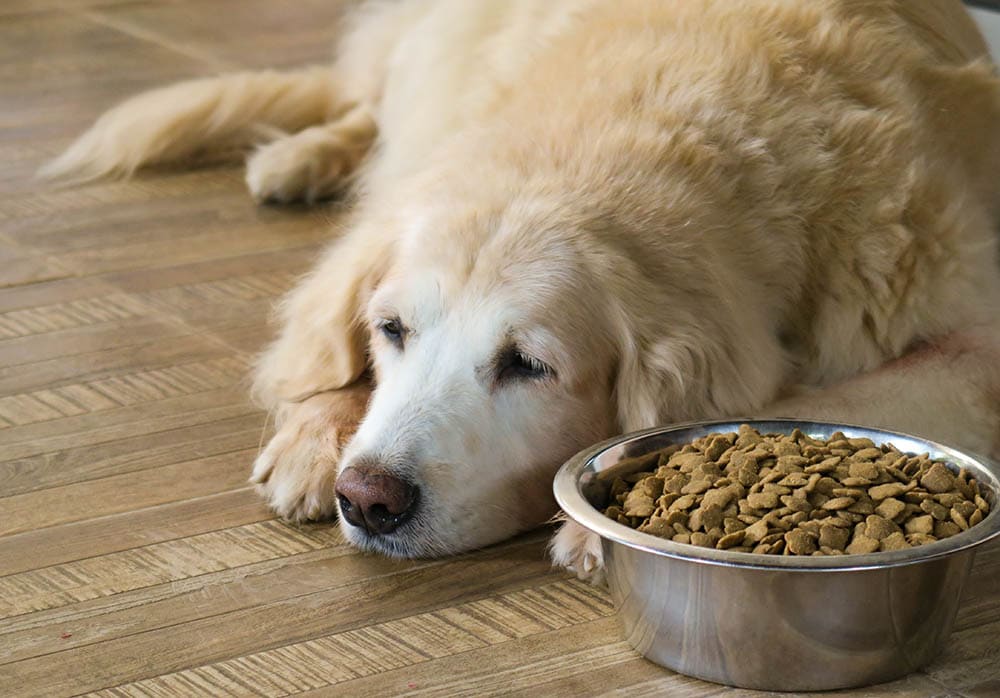
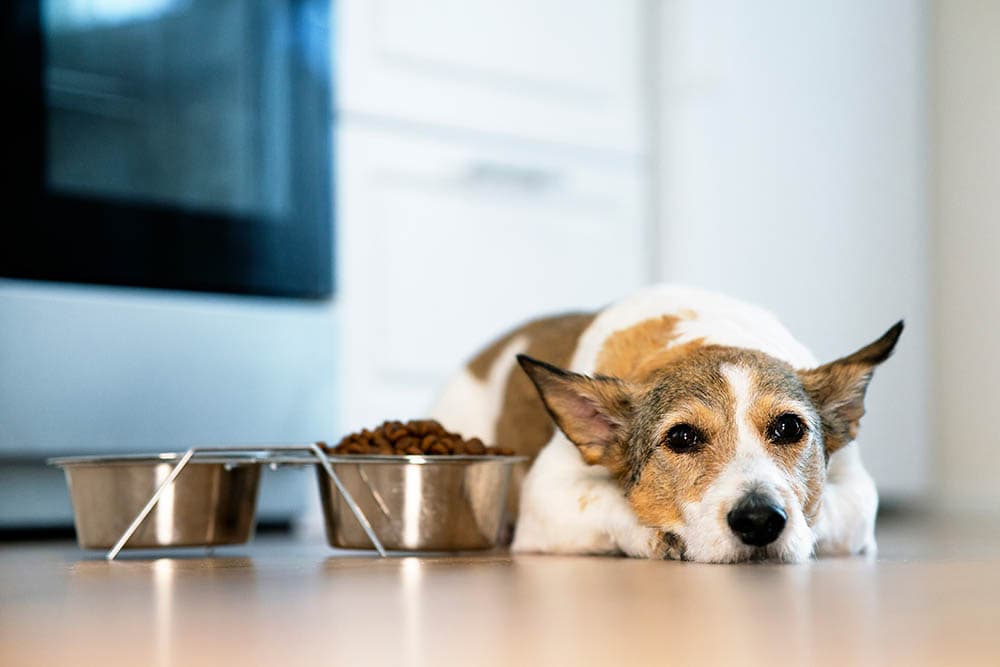
View 4 More +Most of us know firsthand how terrible a GI upset can be and have experienced nausea, vomiting, and diarrhea. It is much the same for dogs with gastrointestinal upset. When it comes to pancreatitis, think of that as GI upset on steroids. All of the same clinical signs are often present, and our pups feel just as miserable. This also means that they might be very reluctant to eat or may refuse food and liquids altogether.
But what about the old wives’ tale of using broths to help replenish liquids and electrolytes in cases of GI illness? Can bone or chicken broths be good for dogs with pancreatitis? The answer may be yes, but only if certain rules are followed. Read on to learn more about broths and whether they can help pancreatitis in dogs.

What Is Pancreatitis?
Pancreatitis is a form of gastrointestinal upset caused by inflammation within the pancreas. The pancreas is an organ that is found within the abdominal cavity of many species. It lies between the stomach and small intestine and serves essential physiological functions. The pancreas helps to aid the digestion of fats, proteins, and carbohydrates by producing digestive enzymes that break down the foods dogs eat into various components.
In addition, the pancreas produces hormones that regulate blood sugar levels within the body. These functions can become impaired if pancreatitis occurs and is severe enough. Dogs with pancreatitis can develop nausea, abdominal pain, diarrhea, and vomiting. As a result, they may also not want to eat or drink. All of these conditions can cause marked imbalances in the fluid levels within their bodies, as well as with their electrolytes.
What Are Some Signs My Dog May Have Pancreatitis?
- Weakness
- Lethargy
- Nausea
- Vomiting
- Diarrhea
- Loss of appetite
If you suspect your pet is suffering from pancreatitis, you should contact your vet directly for an assessment. They can provide you with more information and a care plan.
If you need to speak with a vet but can't get to one, head over to PangoVet. It's our online service where you can talk to a vet online and get the advice you need for your pet — all at an affordable price!

How Does Dehydration Occur in Dogs With Pancreatitis?
Dehydration occurs when the body cannot maintain the balance of fluids. The right balance of water, along with the specific concentrations of minerals and electrolytes within this fluid, is critical—not only for cellular function but for life itself. Severe imbalances can quickly cause death.
When dogs eat and drink, their bodies retain fluids that they can use for normal cellular functions. Fluids are lost through urinating and defecating, but the intake and output will typically balance out. However, if a dog becomes ill, additional losses through diarrhea or vomiting can occur. This can be worsened if the dog is nauseous, in pain, and not eating or drinking.
Not only are fluids lost through vomiting and diarrhea, but electrolyte imbalances can also quickly occur, as these bodily fluids contain a very specific and high concentration of these substances. Once the input of fluids into the body cannot equal the output of fluids, dehydration occurs.
What Are Broths?
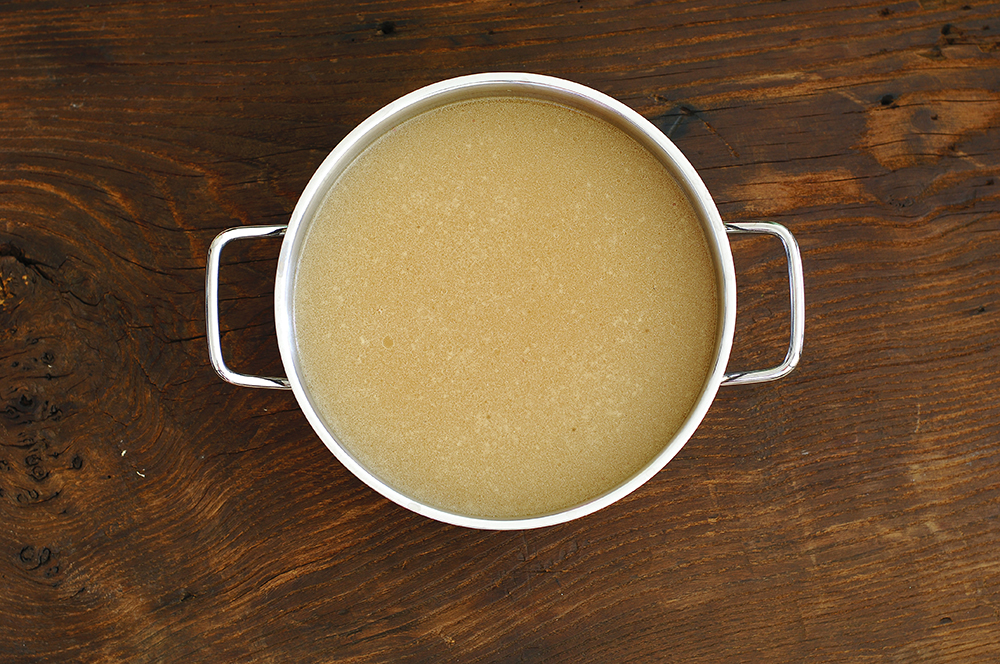
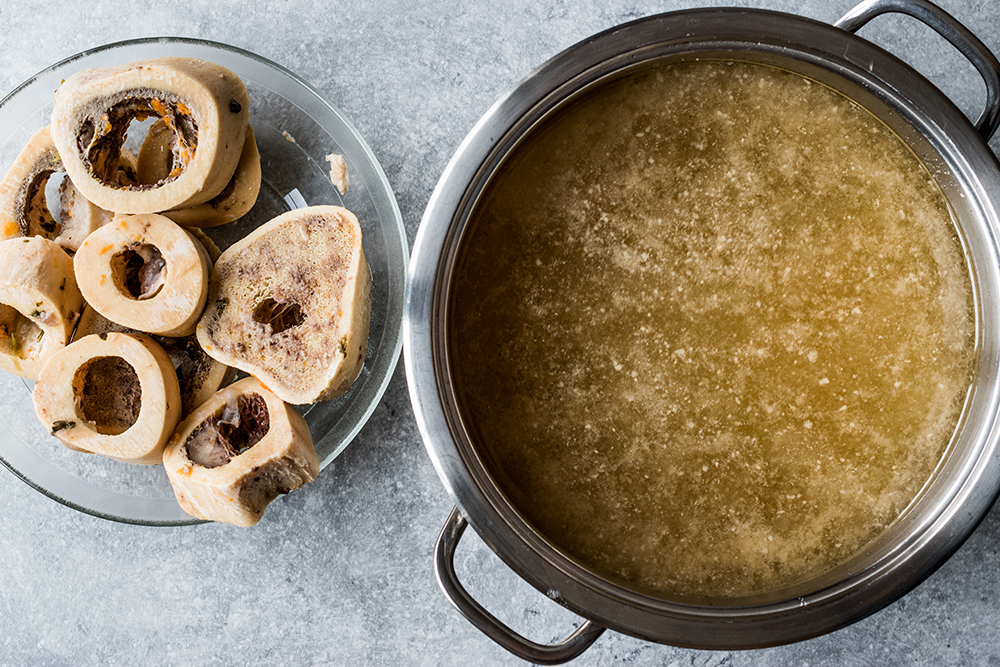
The terminology here gets a bit confusing. A broth or stock is the liquid strained after cooking ingredients to enhance its flavor. Broths and stocks can be vegetable, meat, or mixed in origin. A chicken broth comes from chicken, whereas a bone broth may include other bones, such as beef. Broths differ from stocks because broths are cooked with meat, while stocks are made from bones.
Therefore, the concept of “bone broth” is a bit of a misnomer in that it is actually a stock. Broths tend to be thinner than stocks since they don’t include as much collagen and other connective tissues and, therefore, are also less fatty.
Is Bone Broth Good for Dogs With Pancreatitis?
While, in theory, the idea of a chicken or bone broth might sound helpful for a dog with pancreatitis—especially when dealing with dehydration— there are a few reasons that it might actually be harmful.
Many broths and stocks are flavored with salt, which can exacerbate GI issues and dehydration. Other ingredients, such as onion and garlic, can also be found in many broths, and they can be toxic for dogs, even in small amounts.
Nutrition for dogs with pancreatitis should always be constructed under veterinary supervision. This is because some foods stand to make the condition much worse. Further, some dogs may not tolerate oral liquids and require an IV catheter for fluid and electrolyte administration. In those instances, your vet may want to rest the pancreas for some time to allow the inflammation to subside.
When broth is recommended by your vet, it may be because the additional flavors or aromas might be more enticing than plain water for a dog that feels unwell. Also, the added electrolytes might help get your pup on the road to recovery. Further, broths, by nature, should generally be easy to digest. If your vet recommends feeding a broth, follow their instructions on the amount, type, and frequency of these feedings.
In Conclusion
Chicken or bone broth for dogs with pancreatitis might sound like a good idea. When they’re recommended by your vet, they may be helpful in keeping your pup’s fluid levels balanced and getting them some extra electrolytes.
However, pancreatitis in dogs is a tricky and often debilitating disease that requires veterinary supervision to manage and treat effectively. Therefore, feeding broths to dogs with pancreatitis without veterinary guidance may worsen the illness in some cases. Further, broths can contain additives that are fine for humans but toxic to dogs. Having a close relationship with your vet is vital to getting your dog on the road to recovery and back to being healthy and happy again.
Related Reads:
- Can Dogs Eat Chicken Bones? Read Before You Give Them One!
- Can Dogs Eat Beef Broth? Vet Reviewed Nutrition Facts & FAQ
Featured Image Credit: ZAHRA22, Shutterstock