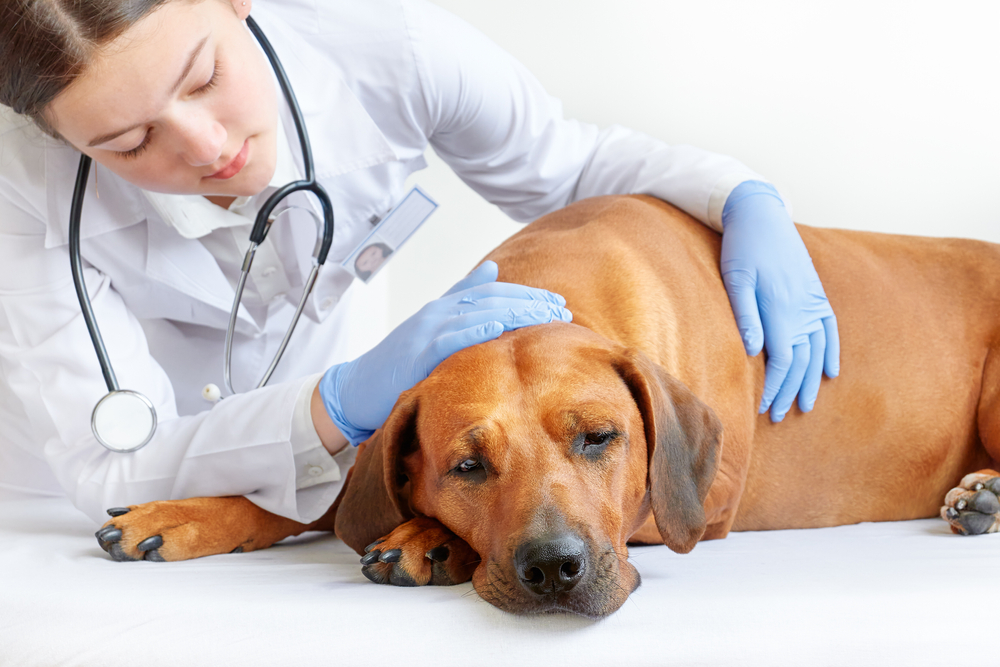
How Long Is Kennel Cough Contagious? (Vet Answer)

In this article
Kennel cough is a mild, infectious disease that is highly contagious. Groomers, boarding facilities, and other places where dogs are in tight quarters often require the vaccine because it is so contagious.
It is also essential to know when a dog is no longer contagious. But, as with most important things, there is no set number, and the answer is more complex than a simple number of days. However, the more you understand this disease, the better you will be able to evaluate your dog’s response to it and protect them and your dog’s community.
Read on to understand more about kennel cough and how to estimate when your dog is no longer contagious.

What Is Kennel Cough?
Several viruses and bacteria can contribute to the kennel cough syndrome, triggering it, making it worse, or spreading it to others. The main infectious pathogen (a microscopic agent that spreads disease) is Bordetella bronchiseptica.
Kennel cough’s scientific name is infectious bronchitis, meaning it is a respiratory system infection. The viruses and bacteria that contribute to kennel cough work together to create a syndrome or infectious bronchitis complex.

What Are the Signs of Kennel Cough?
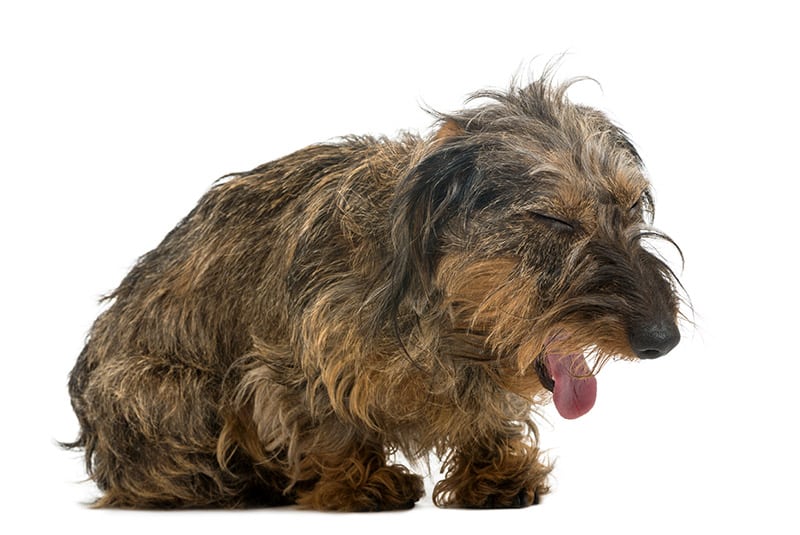
The main sign of kennel cough is a persistent cough. See below for other less common and less severe signs of kennel cough, but the primay one is the cough.
Signs of kennel cough include the following:
- Coughing
- Coughing and retching
- Discharge from the nose—mild
- Sneezing
- Otherwise, they are often healthy
If you're concerned about your dog's health, we suggest you speak to a vet.
How Long Does the Disease Take to Progress?
Once exposed, clinical signs develop in 2–14 days, and the classic cough will start. Some dogs can carry the infection for months without developing signs of disease. Signs of infection usually start to improve about 5 days later but can linger on for 10–20 days.
While the cough can start improving within about 5 days, it can take much longer to go away completely. And, if it is not adequately treated, it can reoccur.
As you are monitoring your dog’s cough, the infection takes a while to completely leave the body. Once they stop coughing, whether 7 or 21 days after they start, it is probably best to assume that they still have lingering infectiousness for a few days after that.

What Are the Causes of Kennel Cough?
Kennel cough is usually a self-limiting disease, and the body usually defeats it by itself. However, just like any respiratory disease, it can escalate to pneumonia or bronchitis, particularly in young puppies, immunocompromised dogs, or older dogs (especially those with other respiratory problems).
How Does Kennel Cough Spread?
Kennel cough is airborne. It can spread through the air and also through shared bowls, toys, or other shared surfaces. In a healthy dog, kennel cough occurs when the body is overwhelmed by the pathogens that cause it—the respiratory system is overwhelmed by ‘too many’ infectious agents.
However, certain conditions can weaken the respiratory system, making it more susceptible to kennel cough infections.
- Stress
- Poor ventilation
- Temperature
- Humidity
- Overcrowded housing
Dogs kept in conditions like the above are more likely to develop kennel cough and not recover from it easily.

How Do I Care for a Dog With Kennel Cough?
Let them stay home and have a few sick weeks. It’s okay that they can’t go to the dog park or can’t go for involved walks around other dogs because they should probably not be spending all their energy on exercise and running around, but instead on getting better.
Keep them isolated and reduce their exercise. Additionally, keep them warm and dry. Make sure the air they are breathing is not humid and fresh. Also, make sure they are not overly stressed and are eating well.
A vet may prescribe cough suppressants or pain relief, but antibiotics are not usually needed unless it worsens.
Frequently Asked Questions
How can I prevent kennel cough?
Vaccination and avoidance—scientifically referred to as isolation— are the main ways to prevent kennel cough.
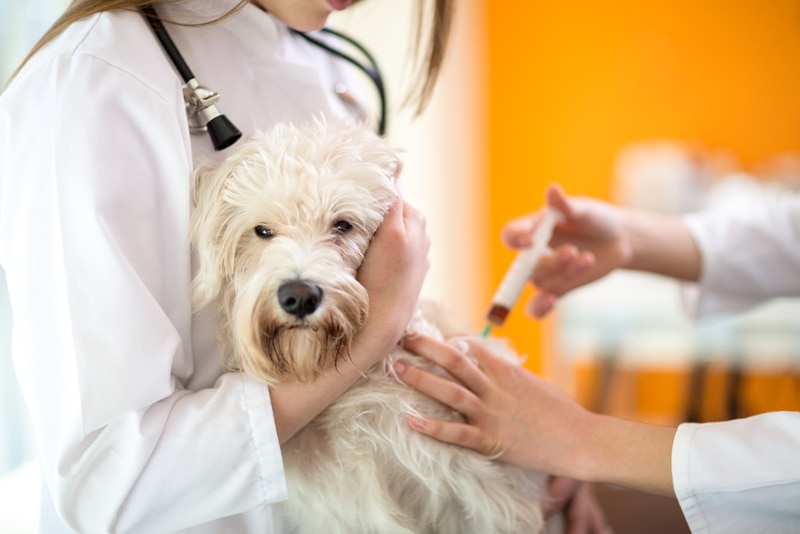
What about vaccinations?
Vaccinating your dog against Bordetella bronchiseptica and canine flu will create a baseline of protection.
However, these vaccines will not guarantee 100% prevention. There is still a chance your dog could get either pathogen. Plus, because kennel cough is a syndrome, multiple pathogens working together to create disease can still overwhelm the vaccinated immune system. The vaccinations need boosters to remain effective.

Does my dog need to isolate?
Staying away from dogs with kennel cough is just as important. If your dog has kennel cough, they must avoid other dogs. Just practice your COVID-19 social distancing skills with your dog!
Keeping an affected dog home prevents other dogs from catching the disease and an unbreakable cycle of infection from spreading within the facility.
If your dog has kennel cough, keep them away from the following:
- Daycare
- Boarding facilities
- Dog parks
- Other dogs, both inside and outside
If you bring them to the vet, inform the vet beforehand that you suspect kennel cough so everyone can work together to prevent other dogs from contracting it. This also means that you may have to take extra precautions if your dog is a known higher risk.
When Can My Dog Go Back to Socializing?
It will depend on how long your dog's cough takes to completely go away. And once that happens, it's best to wait a week longer to ensure they aren’t secretly spreading it to anyone else.
While keeping an active dog confined for this amount of time can feel frustrating, just remind yourself how much you don’t want to socialize when you have a cold. Peaceful rest is the fastest way to recover from kennel cough, and the more thorough isolation and rest are, the better they will recover.
Waiting 5–7 days after all clinical signs of kennel cough have disappeared before exposing your dog to other canines is ideal. However, this will depend on the facility. Each facility will have different rules.
Also, be sure to tell your facility if your dog is diagnosed with kennel cough so they can watch out for it and initiate procedures to make sure it does not spread further within their facility.
Will I Catch Kennel Cough?
No. Kennel cough does not spread to healthy humans.

Conclusion
Kennel cough is usually a mild disease, but because it is so infectious, many dog facilities have strict rules around it. Keeping your dog away from other dogs with kennel cough and making sure they are vaccinated will help prevent it in your dog. Keeping your dog isolated, no matter what, while they are sick will help create a safer community for them.
Who knew those COVID-19 social distancing skills would come in handy again?
Sources
Featured Image Credit: TsElena, Shutterstock
Expert dog care, straight to your inbox
Vet-reviewed advice, training tips, and the best of Dogster. Free, and you can unsubscribe anytime.
By signing up, you agree to our Terms & Conditions and Privacy & Cookies Policy.
Dr. Chantal Villeneuve MS BVetMed (Veterinarian)
Dr. Chantal is passionate about the human-dog bond and improving animals' lives through their connections with their human companions. She has worked with almost every species, dogs, cats, rabbits, guinea pigs, birds, reptiles, amphibians, and even horses and mice - all are welcome. She is excited to use her writing to spread the things she has learned to help people connect with their dogs.
Join the conversation
Ask a question, share your story, or send private feedback.