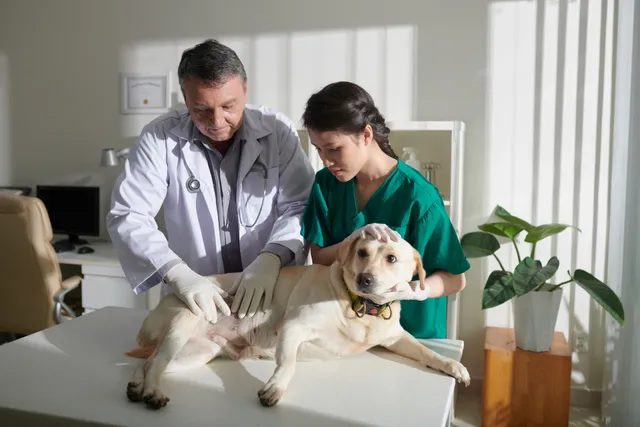
How Do They Put a Dog Down at the Vet? (Vet Answer)

In this article
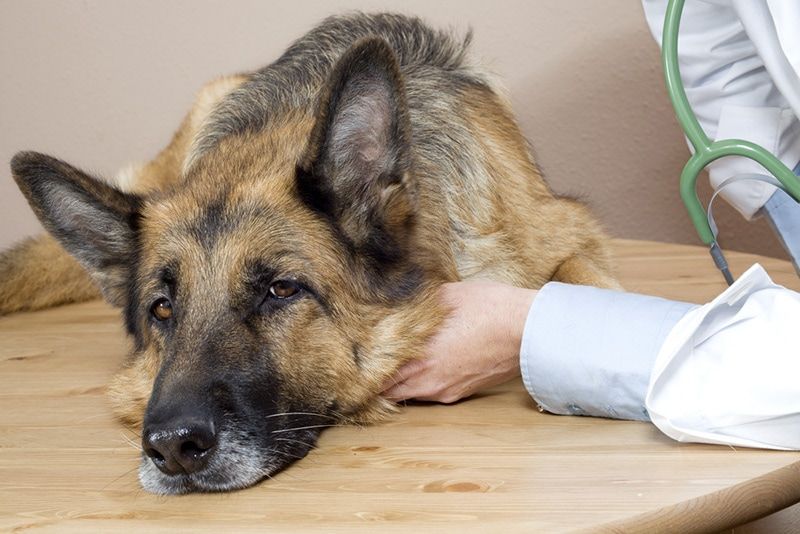
It is heartbreaking to say goodbye to our best friend and family member. But what can be more difficult is to see our pets struggling and suffering because we are not ready to let them go or choose to end their suffering through euthanasia.
It is difficult to make this decision, not only for the owners but also for the veterinarians. Some vets do not offer euthanasia services at all. Pet owners who are going through this traumatic experience should remember that their pet has lived a beautiful life and that they will always have the priceless memories of being together.
Choosing euthanasia instead of prolonging your dog’s suffering is an act of courage and eternal love for your furry friend.

What Is Euthanasia?
The term euthanasia derives from the Greek word, "eu," meaning good, and "thanatos," meaning death. A good death would be one that occurs with minimal pain and suffering.
Euthanasia is the act of inducing the humane death of an animal through medical means. The reasons that veterinarians recommend euthanasia are usually related to the patient's chances of survival and quality of life. In other words, when the vet knows that, no matter what treatment they apply, their patient does not have much chance of survival or their quality of life would remain poor, they will recommend euthanasia.
It is the vet's duty to correctly and completely assess your dog's health condition and quality of life, given the extreme difficulty of the situation and the decision to euthanize them.
What Is the Process of Euthanasia?
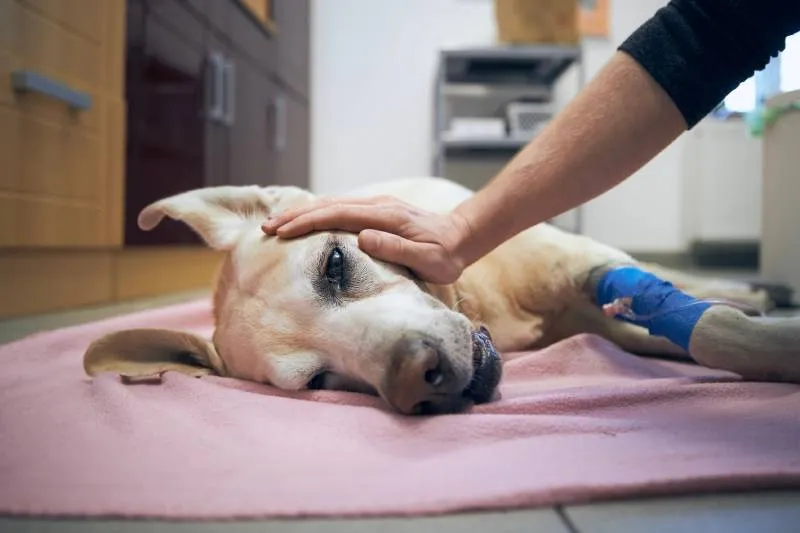
Euthanasia is a medical procedure performed by a veterinarian that involves the administration of an intravenous injection of pharmaceutical agents that can induce loss of consciousness and death by cardiac arrest without causing the pet any stress, anxiety, or fear.
In most cases, dogs are sedated beforehand so the process is smooth, calm, and with minimal stress for your pet. In very rare cases, the drug might be administered into the chest cavity or the heart when the intravenous injection is not possible (if the situation does not allow it), and in these cases, the dog will be deeply sedated beforehand.
Although this medical act is performed only by vets, there are owners who ask if there are pills for euthanasia. There are no pills for dog euthanasia, but euthanasia can be done at home, which is when the veterinarian comes to your house and performs euthanasia after an evaluation.
How Long Does the Euthanasia Process Last?
The euthanasia procedure can last up to 20 minutes from the moment that your dog is sedated. The actual euthanasia (the moment when the solution is administered intravenously) takes less than 30 seconds.

Is Euthanasia Painful?
Euthanasia does not hurt. This procedure usually involves the administration of a sedative before the actual injection. This sedative/tranquilizer is meant to relax your dog. After injecting the euthanasia drug, your dog will become deeply unconscious, and death is quick and painless.
If you see your dog moving their head or limbs, rest assured that it is not because they feel something; these are involuntary reflexes, which are normal.
When Is Euthanasia Recommended?
Euthanasia is recommended in many situations, but here are the most common ones:
- Terminal illnesses, such as cancer.
- Certain illnesses or accidents that, while not terminal, will significantly affect the quality of life of both the dog and the owner.
- When the dog suffers from severe behavioral problems that cannot be corrected. A good example is represented by aggressive dogs that are a constant danger to people and other animals.
- Advanced age-related medical problems that significantly affect the dog's quality of life.
Why Choose Euthanasia at Home?
Euthanasia at home is the gentlest and most loving way to end your dog's pain. It offers a familiar and quiet environment for your dog, eliminating any fear and stress.
These are the benefits of euthanasia at home:


How Do You Know When It’s Time to Let Them Go?
No moment ever seems appropriate enough to make such a decision. So, how do you know when it's time to let your dog go? The moment is when your dog's quality of life is very poor. You can bring your concerns to a vet if you are unsure. The vet has the knowledge and experience to assess whether your dog's condition is so severe that they require euthanasia.
It is extremely difficult to be objective when you see your dog struggling and suffering. An argument for opting for euthanasia would be to determine their quality of life with the help of a scoring system. This system is scored from 0 to 10 (with 10 being ideal) and follows seven aspects:
- Pain (0 — is in great pain, 10 — feels no pain): Pain perception and the ability to breathe are the biggest concerns. Does your dog often cry because of pain? Can their pain be controlled with medication? Is your dog breathing with difficulty, or do they need oxygen to breathe normally?
- Appetite (0 — does not eat at all, 10 — eats well): Does your dog eat less than usual? Do you hand feed or force feed them? Does your dog need a feeding tube?
- Hydration (0 — does not drink water at all, 10 — drinks water as usual): Does your dog drink enough water? Is it necessary to give them water by force with a syringe? Do they need subcutaneous fluids? Do they vomit the water that they drink?
- Happiness (0 — very sad, 10 — very happy): Does your dog show signs of joy and interest? Are they depressed, bored, scared, or anxious? Does your dog still react when you call them?
- Hygiene (0 — no elimination at all anymore/sitting in urine or faces, 10 — clean): Sometimes when they can't get up, dogs have to be assisted and cleaned every time they eliminate (defecate or urinate). If this is your pet’s case, you will put a zero point in this category.
- Mobility (0 — does not get up from the floor by themselves, is having seizures, 10 — walks and gets up without problems): Can your dog walk without assistance? Do they need a wheelchair? Do they want to go for a walk? Do they move with difficulty? Keep in mind that some vets may prefer euthanasia instead of amputation (if the dog has locomotor problems). However, even if they have limited mobility, some dogs can still be alert and responsive and have a good quality of life (if they are properly cared for).
- Good and bad days (0 — no good days, 10 — many good days): When there are more bad days than good, your dog's quality of life could be considered compromised. When the relationship between you and your dog is no longer healthy, you must be aware that the end is near.
The minimum score must be over 35 points for your pet to have an acceptable quality of life. A score of 35 or below means your dog has a poor quality of life.
The decision to euthanize your dog must be made if your pet is suffering and must be done with a vet. There are cases when dogs with certain types of cancer or amputated limbs can have an acceptable quality of life if they are given the proper treatment. Veterinarians are not pro-euthanasia, but neither are they pro-suffering and pain. If your dog's death can come peacefully and painlessly, that would be the best course of action.

Summary
Euthanasia is a humane, painless procedure that aims to cease the suffering and pain of your pet. It is normal to feel guilty and burdened when you have to choose or accept the idea of ending your dog's life through euthanasia. Choosing or accepting to euthanize your pet is an act of real kindness because you put an end to their suffering.
Contact a veterinarian whenever you have questions or concerns about your four-legged friend's health condition.
See Also:
Acepromazine for Dogs: Usage, Dosage, Safety & FAQ (Vet Answer)
What's Euthanasia Like for a Vet? The More I Do, the Harder It Gets
Do Vets Get Sad When They Have to Put Down a Dog? Vet-Reviewed Facts & Info
Featured Image Credit: Roger costa morera, Shutterstock
Expert dog care, straight to your inbox
News, insights, expert advice, and everything dog.

No spam — unsubscribe anytime.
By signing up, you agree to our Terms & Conditions and Privacy & Cookies Policy.
How useful was this post?
Click a star to rate. You can leave written feedback afterwards. (We read all feedback.)
Dr. Marta Vidal-Abarca BVSc GPCert (Ophthal) MRCVS (Veterinarian)
Dr. Marta has over 16 years of veterinary experience, working across the UK and Spain as a remote veterinary consultant and in the clinic. She graduated from Cardenal Herrera-CEU University in Valencia, Spain. She holds two Ophthalmology Certificates, GPCert Ophthal from ESVPS and UAB. She has wide experience in small animal internal medicine and surgery with a soft spot for dogs. Marta is a member of the Royal College of Veterinary Surgeons, and her main fields of interest are ophthalmology and critical care medicine. Dr. Marta loves being able to share the most helpful information with pet parents across the world as one of Pangolia's in-house veterinarians. She wants to provide details that can help in all aspects of pets' lives with their beloved ones. She loves knowing that she can support our readers and communicate about any medical topic that might be relevant to their pet's health and well-being.