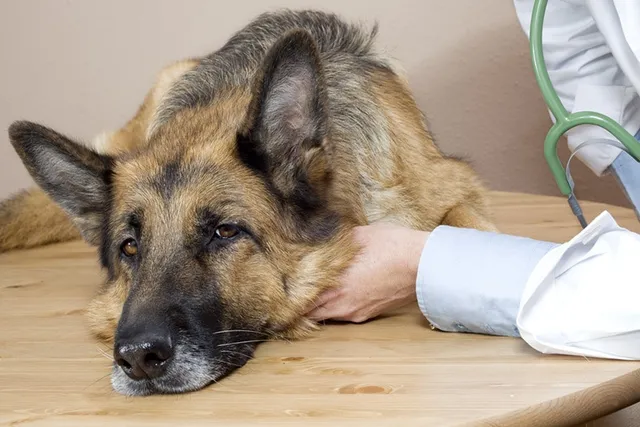
When to Euthanize a Dog with Kidney Failure: Our Vet Explains


In this article
Kidney disease is a relatively common condition in dogs that can come on very suddenly or progress over several years. This article will not explore kidney disease from a veterinary or medical perspective. Rather, it will consider when to let go of a dog suffering from kidney disease. There is no “clear cut” answer to this question; it depends on many factors, including the dog’s age, the severity of the disease, cultural values, family opinions, nursing capacity, and more.
Here, my objective is to provide guidance to owners of dogs with kidney disease; to do this as objectively as possible, and to offer some reflections as a person who has stood with many families during this time.

Euthanizing a Dog
Euthanizing a dog is one of the most important and challenging decisions anyone has to make. Despite (or perhaps because of) all the joy they bring us, it can be extremely difficult to let go, and we find ourselves wishing they could live forever. For me, as a veterinarian, I still feel immense sadness when I put a dog to sleep. I feel sadness for the dog, and I don’t believe that any vet becomes numb or desensitized to euthanizing pets; it will always be the hardest part of the job.
I also find myself empathizing with the family members who have decided to let go after all those weeks, months, and years of joy. Of course, I am cognizant that the emotions I feel during pet euthanasia pale in comparison to the grief experienced by the dog’s family.

Signs of Suffering
The paramount consideration for dogs with kidney disease is suffering. Suffering is pain, distress, or hardship, and suffering reduces a dog’s quality of life—I don’t believe that any dog owner wants their dog to suffer. However, dogs can be so stoic and joyful that they mask their suffering. In other words, they may be struggling much more than they outwardly display. This makes the euthanasia decision even more challenging for many owners. But dogs with kidney disease do suffer, and so we need to be aware of subtle signs that can alert us to it.
- Lethargy. If dogs lack energy, this is a sign that something is making them feel unwell, weak, or painful. They are rarely just “sleepy”.
- Loss of appetite. It can be easy to think that a dog who isn’t eating simply isn’t hungry. However, this normally means a dog is feeling sore, nauseous, or lousy.
- Distress. Dogs will become distressed if they are in pain. Some forms of kidney disease are painful, and others aren’t. Some dogs struggle to make it outside to toilet (due to their increased urine volume), and this can cause stress too.
- Vomiting and diarrhea. Anyone who has had a gut upset knows that it isn’t nice. Dogs with kidney disease can feel this way too.
- Dehydration. Due to the loss of fluid through the kidneys, it can be hard (or even impossible) for dogs with kidney disease to stay hydrated, no matter how much water they drink.
- End-stage signs. Dogs with anemia, seizures, and bad breath as a result of their kidney disease are usually extremely unwell.

The 5 Tips on How to Make the Right Decision
1. Keep a log of good and bad days
This sounds odd to many people initially. There are, however, two reasons why I recommend it. Firstly, many chronic diseases, such as kidney disease, will “wax and wane”. Your dog might seem bright and happy one day, then miserable or sick the next. It’s important to consider how many “good days” and “bad days” your dog is having over a several-week period.
If the bad days start to outnumber the good days, euthanasia may be the kindest option. Additionally, it can be difficult, amongst the business of life and work, to really reflect on how your dog is doing, and how their day was. Keeping a log is one way of reminding yourself to do this.

2. Don’t wait too long
Remember, your dog’s well-being trumps everything else. It is important that you, as their owner and best friend, feel “ready” for their euthanasia. However, your preparedness should not come at your dog’s expense, as you may never feel truly “ready”. Try to be selfless and do the right thing for your dog.
A few dog owners have said to me during euthanasia that they regret holding on for so long. Hindsight helps everyone see more clearly, but I truly feel we shouldn’t avoid euthanasia just because we don’t feel ready to part with our dogs.
3. Discuss with someone you trust
You are not expected to make this decision on your own. Vets are here to help, and we are always happy to discuss the decision with you. We can help you measure your dog’s quality of life, we can discuss when might be the right time, and we can explain what pet euthanasia involves. We will do this non-judgmentally.
If you don’t feel comfortable discussing euthanasia with a veterinarian, chat with a friend or family member who is not directly invested in your dog; sometimes, an outside perspective helps you see things objectively.

4. Follow your heart
You can read a thousand opinions like mine online, and you can discuss them with all of your friends and family. If you’re still unsure, sometimes the best thing you can do is follow your heart. Is your dog happy? Is he or she doing the things they loved for all those years? Or are they sad, struggling, with a low chance of improving?
You know your dog better than anyone, and your instincts will guide you to the right decision.
5. Avoid feeling guilty
Many dog owners feel guilt when making the decision to euthanize their beloved pet. This is completely normal. We are left wondering many things. Could this have been avoided? Is it my fault? Should I have let go earlier, or am I letting go too soon?
It doesn’t help that dogs can’t tell us what they want. Sometimes, when we come to terms with the fact that these feelings are natural, it helps us see things more clearly, and we are more likely to do the right thing for our dogs.

Final Thoughts
Many people wonder if they should be there alongside their dog during euthanasia when the injection is given. This is a deeply personal decision, and there is no right or wrong approach. If you feel strong enough to be with your dog, I believe they appreciate your company during their last minutes and seconds. If you don’t, it is just as kind to say your goodbyes and leave them with the compassionate veterinary staff. Either way, euthanasia is very peaceful and completely painless.
Secondly, allow yourself to grieve. This is completely normal. Dogs are such special creatures and we form cherished bonds with them. They rely on us, and we equally rely on them. Be kind to yourself, take time to mourn their loss, and seek help if you are struggling.
Finally, a reflection on euthanasia in general. While I will never find euthanizing dogs easy, I feel grateful that it is something we can provide. Rather than prolonging suffering when quality of life is poor, I believe the kindest act can be letting go, and assisting our canine friends into their next life.
See Also:
Featured Image Credit: SeventyFour, Shutterstock
Expert dog care, straight to your inbox
News, insights, expert advice, and everything dog.

No spam — unsubscribe anytime.
By signing up, you agree to our Terms & Conditions and Privacy & Cookies Policy.
How useful was this post?
Click a star to rate. You can leave written feedback afterwards. (We read all feedback.)
Dr. Joe Mallat DVM (Veterinarian)
Joe is a veterinarian from Sydney, Australia. When he's not working, he enjoys cooking, exercising, and exploring the Australian wilderness. He has worked for 2 years at a mixed-species practice on the mid-north coast of New South Wales, treating animals of all sizes. His areas of particular interest include wound management, internal medicine, and oncology. Joe's love for the profession comes not only from helping dogs, but also from helping their parents and working with wonderful teams of people.
Joe completed his Bachelor of Veterinary Biology and Doctor of Veterinary Medicine at the University of Sydney in 2020.