5 Natural & Holistic Cancer Treatment for Dogs in 2026: Our Vet Explains

In this article
Cancer, in its many and varied forms, is an often fatal disease that is present in virtually every species in the animal kingdom. In dogs, there are certain forms of cancer – also known as neoplasia – that are more common than others, including soft tissue tumors, skin cancer, lymphoma, bone tumors, and blood & bone marrow cancer.
There are also many and varied treatment options when it comes to canine neoplasia, from surgical removal or debulking, to radiation therapy and chemotherapy. How well a dog responds to these treatments depends very much on the type and location of the cancer, how aggressive it is, as well as how aggressive treatment can be. In humans, we can make an informed decision about our treatment options and their side effects, whilst it would be both cruel and unethical to subject our pets to high-dose chemotherapy, given the severity of potential side effects. Because of this, we may wish to pursue a multimodal form of treatment, and for some, that might include natural and holistic treatments.
When we think about natural and holistic treatments, our minds often go to a place filled with incense, candles, essential oils, and sound baths, and to be fair, sometimes they are a part of the equation. However, there are also some more mainstream and scientifically-based elements to natural treatments, and holistic therapy is a somewhat misunderstood and often misused term. Alternative or complementary therapies are not only increasing in popularity in human and veterinary medicine, but many are actually covered under pet insurance policies.

Natural & Holistic Treatments for Cancer in Dogs: Overview

While we strongly advise against relying entirely on non-medical alternatives to treating cancer, there are a number of natural approaches that can help reduce inflammation, manage the side effects of treatment, and even reduce your dog’s risks of developing cancer.
Holistic therapy refers to a ‘whole body’ approach to treatment, that addresses the individual and their environment, rather than just the biological particulars of the disease. A holistic approach to treatment will typically include natural therapies, but ideally, it should also incorporate modern medicine, not be considered separate from it.
Natural treatments can be anything that falls outside the realm of surgical or pharmaceutical approaches, including nutrition, aromatherapy, acupuncture, massage, music, herbal remedies, and essential oils. In humans, it might also include hypnotherapy, yoga, meditation, and dance.
Some veterinarians may initially be resistant to the idea of holistic and natural treatments, but as their benefits become more widely accepted, you will find it easier to find one that is open to incorporating these options into your dog’s treatment.
It is extremely important that you inform your vet of any treatments you are considering outside their primary care. Although some natural therapies can be perfectly harmless, some can interact badly with certain medications, and others could have the opposite effect to what we are aiming to achieve.
Below are 5 natural and holistic cancer treatments that may help in the treatment of your dog’s cancer.

The 5 Natural & Holistic Cancer Treatments For Dogs
⚠ IMPORTANT!!
1. Diet and Nutrition

We all know how important a high-quality diet is to the overall health of our dogs. Providing our canine companions with the right balance of nutrients for their body size, age, and activity level is one of the best things we can do to optimize their overall health. There is no definitive scientific evidence that any foods can cause or cure cancer, but when it comes to avoiding cancer, there is one element in particular that requires our attention: antioxidants.
Free radicals and oxidants are molecules that accumulate in the body through normal metabolic processes or from external sources like pollution. Although not all are harmful, they can result in oxidative stress, leading to a number of disease processes including inflammation, degenerative disease, heart disease, neurological disease, arthritis, and cancer. Although the body does naturally produce some antioxidants to combat these damaging molecules, it is often not enough.
Antioxidants come in many different forms and can be found in a wide range of sources.
Some important ones to be aware of are:
- Vitamin A
- Vitamin C
- Vitamin E
- Polyphenols
- Selenium
Foods rich in naturally occurring antioxidants that are safe for dogs:
- Blueberries, blackberries, raspberries, strawberries
- Cooked yellow squash, carrots, sweet potatoes
- Steamed broccoli, spinach, kale, green beans
Too much of some antioxidants can be toxic, so it’s just as important to not go overboard, and always check with your vet to make sure you’re giving your dog the right balance of nutrients.
2. Acupuncture

An integral part of Traditional Chinese Medicine (TCM) is treating the body’s life force energy, or ‘Qi’ (pronounced ‘chee’). One of the ways this is achieved is through the placement of small needles at specific locations on the body to release blocked Qi, which is believed to cause disease. This type of therapy was dismissed as superstitious and outdated for a long time by Western medicine, but it is a technique that is gaining recognition as being, not just effective, but also having a foundation in anatomy and embryology.
It is being increasingly used in human and veterinary medicine, with applications in managing pain, arthritis, respiratory and gastrointestinal disease, wound healing, allergies, and autoimmune disease. There is no clear evidence that acupuncture has any direct effects on cancer itself, but it is often used in humans to manage the side effects of the disease and its treatment, such as pain, nausea, wound healing, bone marrow suppression, and peripheral neuropathy.
3. Herbal Remedies

Another feature of TCM which is making its way into more modern veterinary practice is the use of plant ingredients to treat illness and injury. Given that this is where medicine began, it’s not such a strange concept, and many modern medicines still contain (heavily refined) plant extracts (eg. morphine, theophylline, pseudoephedrine).
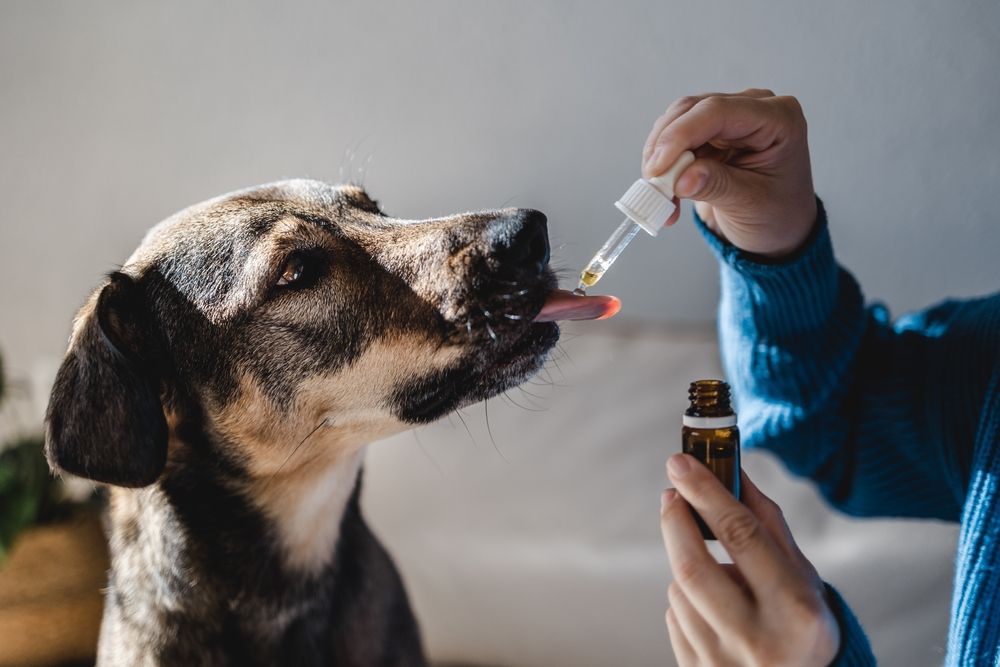
More recently, the manipulation of the endocannabinoid system (ECS) with cannabidiol (CBD) from the marijuana plant has been used to manage pain and nausea in cancer patients, and is even being explored for its potential anticancer activity.
4. Reiki

One of the more ‘mystical’ items on our list, Reiki is an ancient Japanese technique that uses a laying-on-of-hands approach to manipulate the body’s life force, known as ‘Ki’ in Japan, ‘Qi’ in China, and ‘prana’ in India. It is not linked to any specific religion or belief system. Although many modern medical practitioners are highly skeptical of this technique, it is becoming more difficult to deny the anecdotal evidence of Reiki’s effectiveness in helping to manage pain, stress, and anxiety, as well as improving general well-being and energy levels. Although some subscribers to the practice believe that Reiki can help target and treat cancer, this is not something that has any scientific evidence or endorsement. However, its use alongside more traditional treatments may help support your pet through their treatment and recovery.
5. Mushrooms

Not the ‘magic’ type, although they certainly do give an example of the powerful effects fungi can have on the body and brain! Research has shown that Chaga mushrooms may be useful as an adjunct to chemotherapy in the treatment of bladder cancer in dogs, and the anticancer applications of the polysaccharide protein (PSP) found in the Coriolus versicolor mushroom are being explored in human and veterinary medicine. Of course, some mushroom species are merely tasty, while others are extremely toxic, so don’t go harvesting your own in the hopes of curing cancer.
A Note on Homeopathy
A term often used interchangeably with holistic and natural therapies, homeopathy, is not a practice we recommend. Although some aspects do crossover into some herbal remedies, the practice of homeopathy is usually encouraged to be used as a standalone method of treatment, in an either/or relationship with mainstream/modern medicine.
Homeopathy is based on the idea that the body can heal itself using naturally occurring substances that mimic the disease; “like curing like.” It also follows the belief that the lower the dose of a treatment, the more effective it will be. While many of the ingredients used in homeopathic treatments are completely harmless, others are highly toxic. Due to the lack of regulation of homeopathic treatments and techniques, there is also an inherent lack of safety. Although there are many reputable and safe homeopathic practitioners, there will also be those who take advantage of peoples’ desperation and, at best, provide an ineffective treatment and, at worst, give them something that will make their condition worse.
If you are looking into homeopathy as a treatment option for your dog, we encourage you to do plenty of research and talk to your vet about how they might be able to incorporate some natural treatments into your pet’s plan.

Final Thoughts
Not so long ago, natural and holistic treatments were treated with derision and skepticism. Now they are being increasingly researched and implemented in the treatment plans for many human and veterinary conditions. Although some of these natural remedies and practices don’t make the cut in terms of safety and efficacy, and others will not be suitable for pets, there is great potential for these complementary therapies to form an important part of your dog’s cancer treatment. We are still a long way off from curing cancer, but as we broaden our minds and become open to new (or, arguably, old) techniques, we may find ourselves getting a few steps closer.
Sources
Featured Image Credit: Nuva Frames, Shutterstock
Expert dog care, straight to your inbox
News, insights, expert advice, and everything dog.

No spam — unsubscribe anytime.
By signing up, you agree to our Terms & Conditions and Privacy & Cookies Policy.
How useful was this post?
Click a star to rate. You can leave written feedback afterwards. (We read all feedback.)
Dr. Karyn Kanowski, BVSc MRCVS (Vet)
Dr. Karyn is originally from Queensland, Australia, and has resided in the UK for the past 10 years. She graduated from The University of Queensland School of Veterinary Science in 2010, and also holds a Bachelor’s degree in Zoology. Karyn is passionate about using experience, evidence, and working with pet owners to provide the best solutions for pets. She also believes in making reliable information about animal health accessible to everyone. 5 cats and 4 dogs let her share their home with her and her husband, and when she is not practising as a veterinary surgeon, she spends her time writing, gardening, and cleaning up pet hair!