French Bulldog Teeth Problems: Our Vet Explains Common Issues, Treatment & Prevention

In this article
French Bulldogs are one of the brachycephalic breeds, alongside Pugs, Boxers, Boston Terriers, Shih Tzus, and several others. “Brachy” is a prefix for short, and “cephaly” refers to the face. In other words, brachycephalic dogs have shortened facial anatomy compared to most breeds. This squished-face appearance has been selectively bred into these dogs, and while it is certainly very endearing, it has also led to several health problems in these breeds.
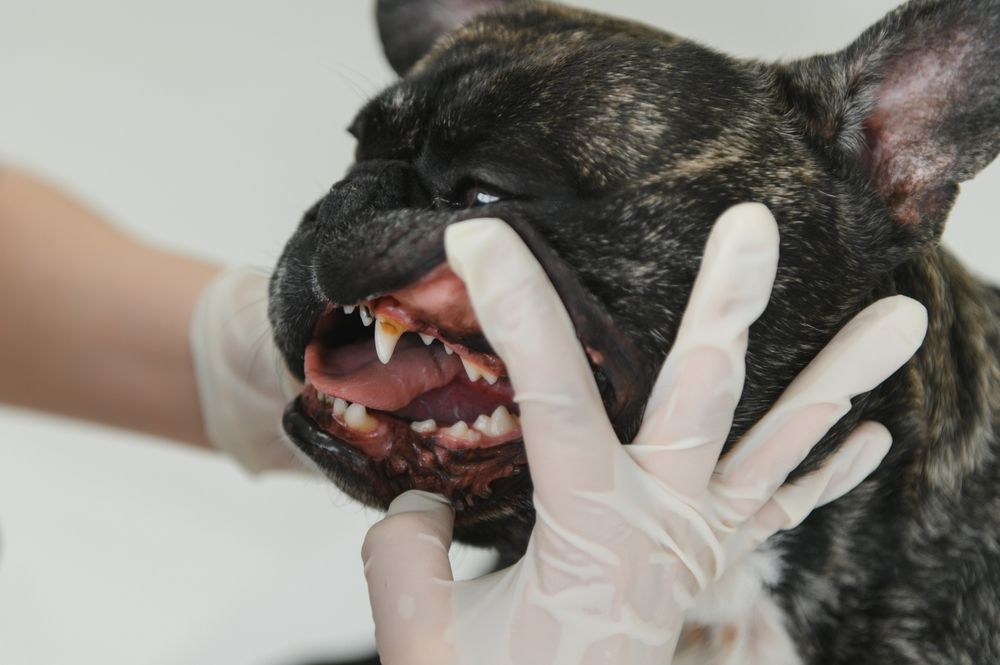
Dental disease is relatively high on this list of problems. Most of these dental issues arise because the full set of 42 teeth have been crammed into an abnormally small mouth. Read on to learn about the five most common French Bulldog dental problems, and what we can do to help affected dogs.

The 5 Common French Bulldog Dental Problems
1. Periodontal Disease
We should make one thing clear: periodontal disease affects all breeds of dogs, not just French Bulldogs. However, Frenchies are more commonly and more severely affected by periodontal disease than other breeds. What is periodontal disease? Essentially, we are referring to the accumulation of tartar or plaque on the teeth.
This is an aggregation of bacteria, hiding in a “biofilm”. It leads to inflammation of the gums (gingivitis), destruction of gum and bone structures, loosening of the teeth, pain, and bad breath. Brachycephalic breeds such as French Bulldogs are more prone to periodontal disease as a result of dental crowding and abnormal chewing mechanics.

2. Dental Crowding
Dental crowding occurs because the full number of teeth are forced into an abnormally shortened jaw. This shortened jaw is essentially what gives French Bulldogs the appealing smooshed-face look. The teeth should be evenly spaced along the jaw, without contacting each other.
This is rarely the case with French Bulldogs. Dental crowding leads to discomfort and a greater disease of periodontal disease, as food gets stuck in the nooks between teeth, and causes tartar formation.
3. Malocclusions
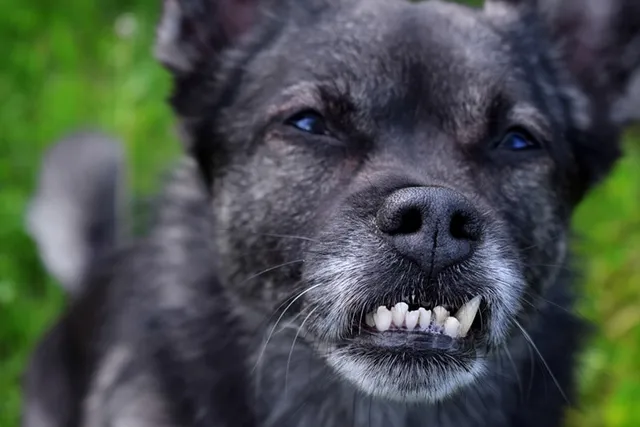
A malocclusion refers to improper alignment of the top and bottom jaw. These should be equal in length, but is it very common for French Bulldogs to have an abnormally shortened top jaw, which means the bottom jaw is longer. This is colloquially referred to as an “under-bite”, though your vet may refer to it as a “Class III malocclusion”.
These underbites lead to abnormal tooth-to-tooth contact. In other cases, the teeth may be contacting soft tissue structures such as the roof of the mouth, putting pressure there and causing discomfort.

4. Unerupted Teeth
By 7 months of age, all of a dog’s adult or permanent teeth should have erupted. This means they have grown or moved out of their position beneath the gum, to sit in their normal position above the gum. French Bulldogs and other brachycephalic breeds are more prone to having unerupted or undererupted teeth.
This means the tooth has either not moved at all, and is still sitting entirely beneath the gum, or has not moved enough, and is only partially above the gum. Unerupted teeth lead to an increased risk of dentigerous cysts (see below). Undererupted teeth cause “pericoronitis”—this is inflammation of the crown of the tooth as a result of a deep pocket around the tooth, in which food and plaque get trapped.
5. Dentigerous Cysts
It is difficult to predict what will happen with an unerupted tooth. One potential complication of unerupted teeth is the formation of a dentigerous cyst. This occurs when the outer lining of the tooth forms a fluid-filled sac that puts constant pressure on the bone. This eventually leads to the destruction of the bone surrounding the tooth.
These dentigerous cysts can grow large before they are visually detected. In severe cases, they can lead to a fracture of the jaw, as the bone is weak and compromised.


Treatment
While a full discussion of treatment options is beyond the scope of this article, we will touch on a few basic principles.
Firstly, the cornerstone of removing plaque in veterinary practice tartar is the “scale and polish” procedure, performed under general anesthetic. Secondly, teeth that are rotten, severely overcrowded, traumatizing the roof of the mouth, or unerupted should be extracted. While this means that healthy teeth might be removed; ultimately, this decision is made in conjunction with your vet and will only be done if it is in your dog’s best interests.
Treatment options for correcting an underbite are not usually performed as they are highly invasive; it is better to remove problematic teeth.
Prevention
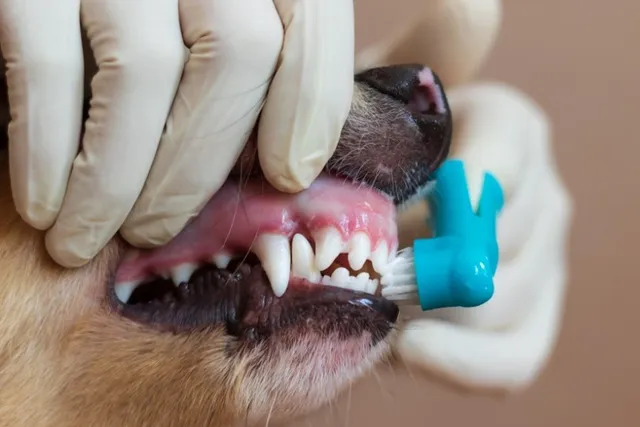
The main preventative measure to minimize dental disease is daily brushing. Always use dog-specific toothpaste and a dog-friendly toothbrush; human products can be toxic and harmful. Annual “scale and polish” procedures with full intra-mouth X-rays are also recommended. This ensures good dental hygiene and early detection of any below-the-gum abnormalities. Talk to a vet for advice on dog-safe dental products and cleaning techniques.
Additionally, it is recommended that you consult a vet regularly to ensure that you maintain overall optimum health for your dog!

Conclusion
French Bulldogs make wonderful pets. The purpose of this article is to highlight the common dental diseases they experience, as a result of abnormal breed standards. This will enable you to take the best care of your Frenchie and ensure they have healthy teeth, free of pain and infection.
As an additional benefit, they’re less likely to have bad breath! Always contact your veterinarian if you have concerns about your dog’s dental health.
Sources
Featured Image Credit: Hryshchyshen Serhii, Shutterstock
Expert dog care, straight to your inbox
News, insights, expert advice, and everything dog.

No spam — unsubscribe anytime.
By signing up, you agree to our Terms & Conditions and Privacy & Cookies Policy.
How useful was this post?
Click a star to rate. You can leave written feedback afterwards. (We read all feedback.)
Dr. Joe Mallat DVM (Veterinarian)
Joe is a veterinarian from Sydney, Australia. When he's not working, he enjoys cooking, exercising, and exploring the Australian wilderness. He has worked for 2 years at a mixed-species practice on the mid-north coast of New South Wales, treating animals of all sizes. His areas of particular interest include wound management, internal medicine, and oncology. Joe's love for the profession comes not only from helping dogs, but also from helping their parents and working with wonderful teams of people.
Joe completed his Bachelor of Veterinary Biology and Doctor of Veterinary Medicine at the University of Sydney in 2020.