Ectopic Ureters in Dogs: Our Vet Explains the Causes, Signs & Treatments

In this article
View 5 More +The urinary tract is a complex system of storage and release. It’s responsible for forming urine by removing excess fluid and waste products from the blood. It also keeps the good things that the body shouldn’t dump out, such as certain electrolytes. It then moves the newly created urine to the bladder for storage and eventual excretion from the body. It’s a wonderful system—except when one of the parts isn’t working properly, which is the case for dogs that have ectopic ureters.

What Are Ectopic Ureters in Dogs?
In a normally functioning urinary tract, urine is produced in the kidneys, transported through the ureters to the urinary bladder, and then moved outside the body through the urethra. To put it in mechanical terms, urine travels through a couple series of tubes and a holding tank on its journey through and out the body. The first tube system is called the ureters. Ideally, there is a ureter attached to each kidney at one end and the urinary bladder at the other. That’s the best way for a dog to control urination, as the bladder is the last area on the route that has a sphincter, or gate, to hold in urine and release it only on demand.
An ectopic ureter occurs when the tube is attached to the urethra, vagina, uterus, or even colon rather than the bladder. This attachment happens on the other side of the sphincter, so the dog no longer has control over when they release urine. Instead, since it’s bypassing the bladder, it is allowed to flow out without the pup’s control.

What Are the Signs of Ectopic Ureters in Dogs?
Since their kidneys don’t have a normal connection to the bladder, the affected dog will lose some or all of their ability to retain urine, meaning they will leak or dribble pee. This can be intermittent or near constant. Ectopic ureters most often affect female dogs and young puppies, as this abnormality is something that happens while a fetus is still developing in utero. While the problem may have been there since birth, the signs typically won’t be obvious until around weaning time or for some dogs, not until adulthood.
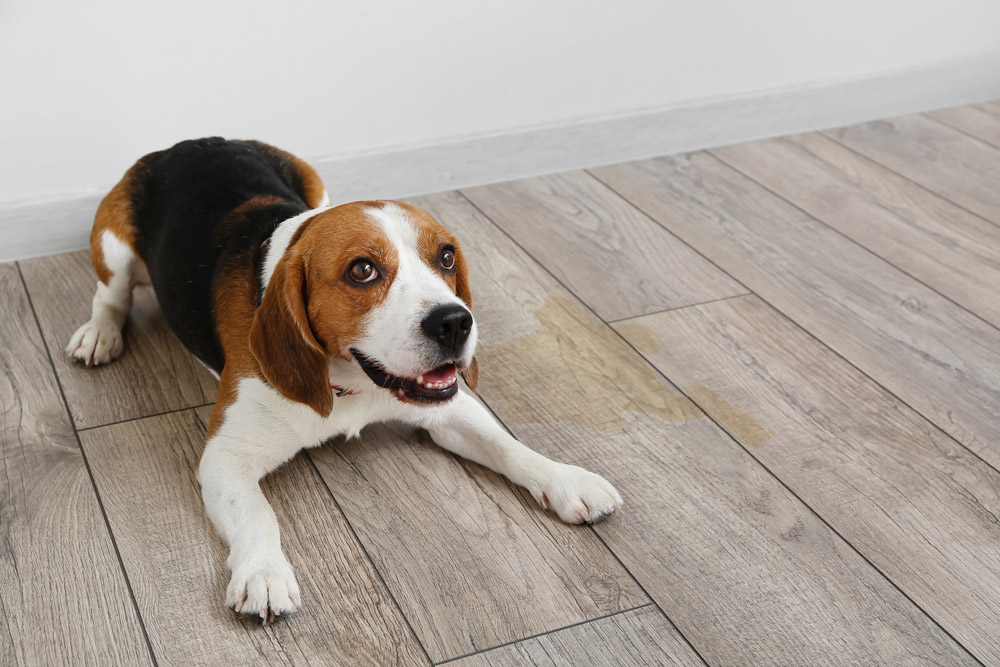
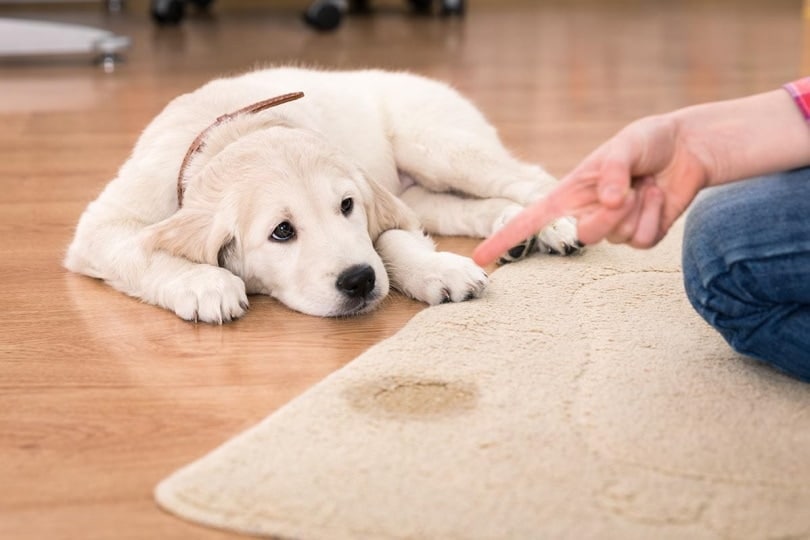
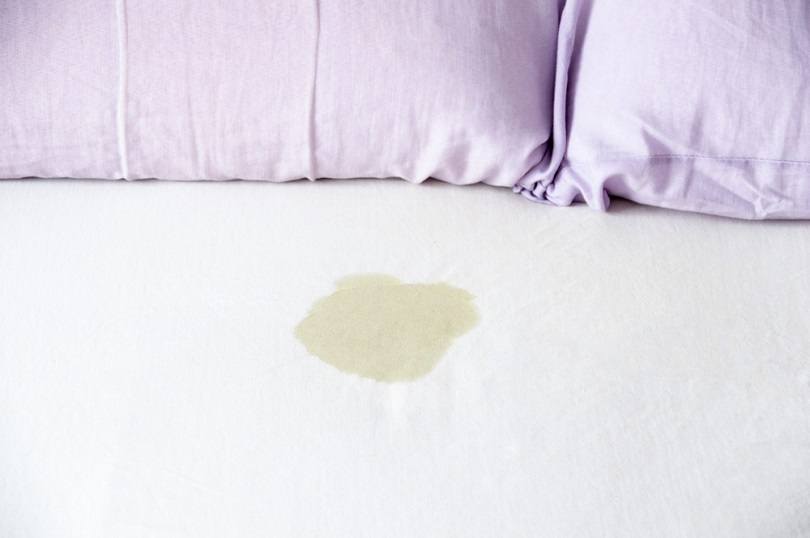
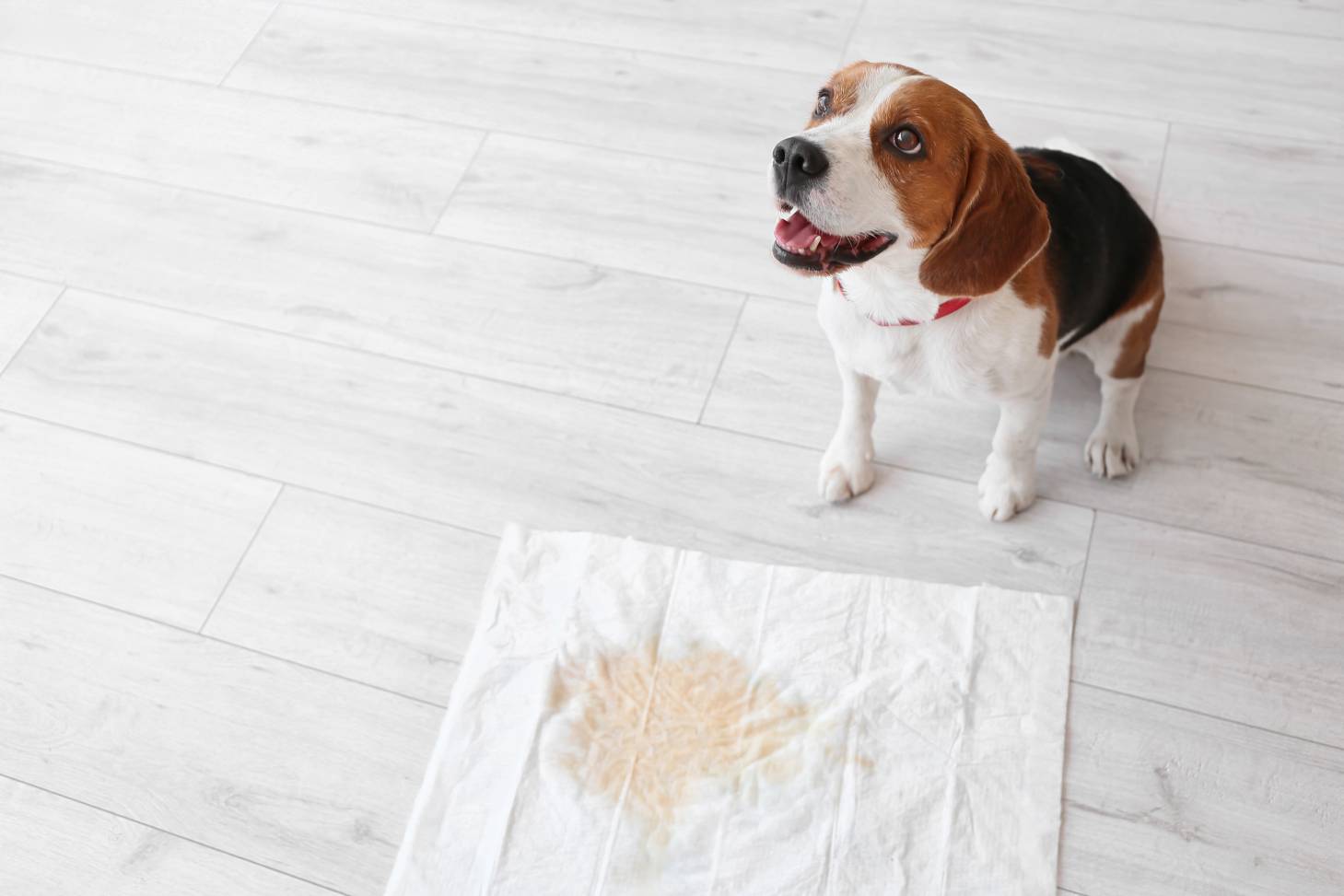
Leaking urine can show up in a few different ways. Some dogs may wake up to a puddle in their bed, or they may dribble while they’re walking. It may be difficult to house train a puppy with ectopic ureters because they may have frequent accidents or not seem to know when they need to go outside. Others may urinate normally and then continue to dribble, as if they’re unable to shut it off.
Along with leaking pee, dogs may lick their genitals excessively, especially if the urine is scalding their skin and causing irritation. Pups may also suffer from frequent urinary tract infections, or UTIs, which can present as frequent urination, pain or discomfort while peeing, or bloody, foul-smelling urine.
If you are concerned about the health and well-being of your pet, we recommend getting in touch with a vet for guidance.
What Causes Ectopic Ureters in Dogs?
Ectopic ureters are a disruption in the normal anatomy of the urinary tract, meaning they happen while the system is developing in a fetus. Puppies are born with the issue, even if the signs aren’t immediately obvious. While the reason for the abnormal development that creates ectopic ureters isn’t completely understood, genetics likely plays a role.
Some dog breeds are more prone to ectopic ureters than others, including Labradors, Golden Retrievers, Newfoundlands, West Highland Terriers, and Mini Poodles. Females are also more likely than males to have ectopic ureters—about 20 times more likely!
How Are Ectopic Ureters Diagnosed in Your Dog?
Diagnosing a pup with ectopic ureters usually takes repeat veterinary visits. The signs often look like those of a typical UTI, which in fairness, your dog may also have. The vet will likely run a urinalysis and then treat the UTI. However, with ectopic ureters, the UTI will return or your pup will continue to leak urine, so you’ll have to make another visit.
From there, it may take a bit of time to investigate and do trial and error to determine the cause of your dog’s urinary woes. Vets may perform a urinary culture, X-rays to check for stones, and ultrasound to look for other bladder abnormalities. Ectopic ureters don’t typically show up on these tests, but they might with a contrast radiograph, in which a contrast media is injected into the bladder to give an outline of the urinary tract.
Other diagnostic modes may include cystoscopy, where a tiny camera is used to explore the bladder, or a CT scan. Both will require anesthesia and may need to be performed at a specialty clinic.

How Do I Care for a Dog With Ectopic Ureters?
To cure the urinary leakage associated with ectopic ureters, there needs to be a functional “gate” somewhere along the line. Since ectopic ureters bypass the normal urinary bladder sphincter, surgery to relocate the ureters is the best way to decrease urine leakage and prevent recurrent UTIs.
Surgery to repair ectopic ureters is typically done by opening the abdomen or using cystoscopy. It’s important to know that some dogs may still experience urine leakage after surgery, with one study showing that less than 50% of dogs were completely leak free following the procedure.
But even though urinary leakage may not be completely resolved with the relocation of the ureters, any residual incontinence can often be managed with medications like phenylpropanolamine, making an affected pup’s life much easier to navigate.
Whether you allow the surgery or not, you’ll want to do your best to prevent UTIs in your dog by encouraging good hygiene. This can include a sanitary trim of the hair around your pup’s genitals, gently cleansing the area on a regular basis, and washing and changing their bedding frequently.
Keep regular veterinary appointments to monitor your dog’s situation, help manage urine leakage, and check urinary tract health.
Frequently Asked Questions (FAQ)
Can a Dog Live With an Ectopic Ureter?
Having an ectopic ureter isn’t fatal in itself. It’s often just a deviation in your dog’s anatomy that leads to unwanted side effects. That said, you need to stay on top of your dog’s health, as frequent UTIs can lead to a kidney infection, which can be fatal if severe and especially if untreated.
An ectopic ureter can be a reason for euthanasia, especially if the incontinence can’t be controlled or dealt with by an owner.
How Successful Is Ectopic Ureter Surgery in Dogs?
Undergoing surgery to fix your dog’s ectopic ureters isn’t a guaranteed success. In fact, based on different studies, the success rates vary and can depend on the severity of the issue beforehand. Overall, though, VCA reports a success rate of 50–75% with appropriate treatment. This means most dogs will stop leaking urine either through surgery alone or a combination of surgery and medical management.

How Much Does It Cost to Fix an Ectopic Ureter in a Puppy?
This isn’t an inexpensive problem for your puppy to have. Diagnostics can become quite pricey, especially when things like cystoscopy and CT scans are involved. Surgery becomes even more costly because it may need to be referred to a specialist. You’ll also need to factor in the potential for lifelong medication to completely get the urine leakage under control. Overall, look to pay anywhere from $2,000 to $5,000 or more when making your budget.
Conclusion
Ureters are the tubes that connect the kidneys to the urinary bladder. Ectopic ureters have an abnormal connection that puts the bladder end of the tube at a location downstream from the bladder. This results in leaking urine and frequent UTIs. They can be treated by relocating the connection via surgery and potentially, medications to help completely control incontinence.
Either way, ectopic ureters can be expensive to deal with, so be sure to talk to your vet if your puppy is dribbling urine, having frequent accidents, or licking their backside excessively.
Sources
Featured Image Credit: SeventyFour, Shutterstock
Expert dog care, straight to your inbox
News, insights, expert advice, and everything dog.

No spam — unsubscribe anytime.
By signing up, you agree to our Terms & Conditions and Privacy & Cookies Policy.
How useful was this post?
Click a star to rate. You can leave written feedback afterwards. (We read all feedback.)
Dr. Chyrle Bonk DVM (Veterinarian)
On top of caring for animals and writing for veterinary publications, Dr. Chyrle Bonk owns a small cattle herd! When she’s not busy with those things, she can be found somewhere enjoying the Idaho outdoors with her husband and two kids. Dr. Chyrle Bonk received her Doctor of Veterinary Medicine (DVM) from Oregon State University in 2010.
Chyrle has practiced in a mixed animal clinic for over a decade. She also writes for various veterinary websites and magazines, like Dogster!