Does My Dog Have a Permanent Hole in Their Mouth? Our Vet Explains Oronasal Fistula

In this article
Dogs are meant to only have a single hole in their mouth, right? It’s the one that their food goes into and their tongue comes out of when they’re trying to give doggie kisses! But what if you notice an extra hole in your dog’s gums? It could be an oronasal fistula, or a hole that goes from the mouth into the nasal cavity, most commonly caused by a lost or extracted tooth. If you see an extra hole in your dog’s mouth, read on to find out what to do next.

What Is an Oronasal Fistula?
Dental disease is extremely common in canines. It’s estimated that over 80% of dogs over 3 years old have some stage of it.1 Dental disease is more than just stinky breath, though. If untreated, it can progress to the point that the dog’s teeth either fall or need to be extracted by a veterinarian.
When this happens, especially if the tooth in question is one of the long-rooted canine teeth, it can leave a significant hole in your dog’s gums, which can extend into the nasal cavity. As you can imagine, a tunnel that runs from the mouth to the nose can create significant issues, including food getting up into the nasal cavity.
Unfortunately, an oronasal fistula typically won’t heal on its own. Instead, there will be a permanent hole in your dog’s gums.
What Do You See With an Oronasal Fistula?
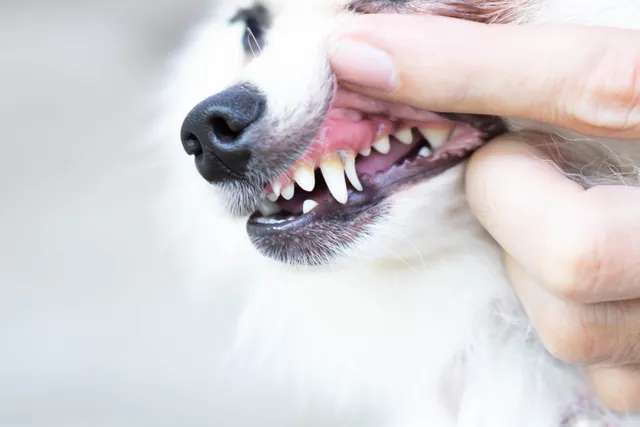
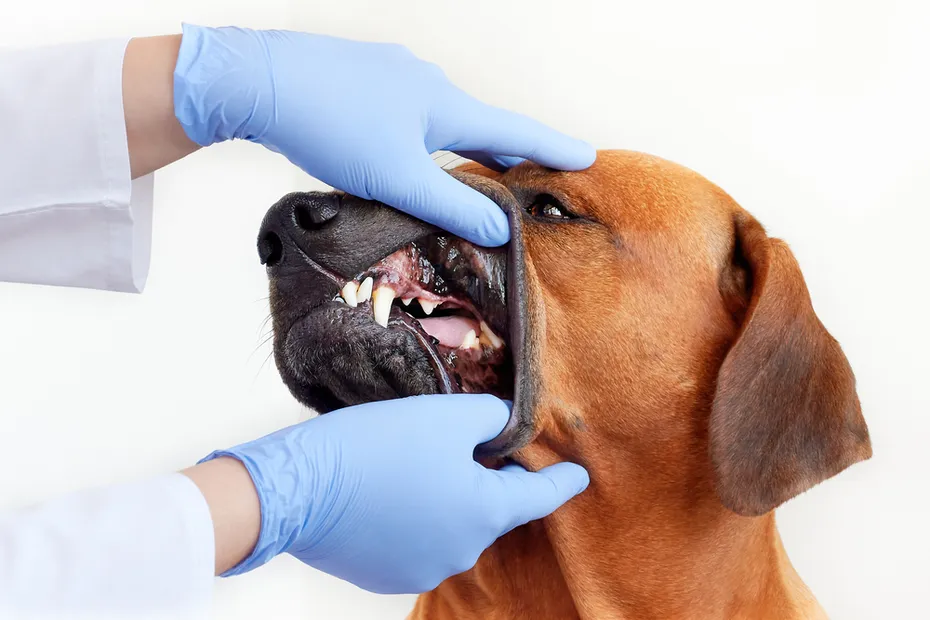
You’ll typically notice a hole where there was once a tooth in your dog’s gums. An oronasal fistula can vary in size, but it’s usually an area about the size of a pencil eraser.
Your dog may also show other signs, including:
Sometimes, an oronasal fistula might not be that obvious. Instead, your vet may only diagnose it after taking X-rays of your dog’s mouth that show the connection between the mouth and nose. Most of the time, an oronasal fistula will occur following a tooth extraction by a veterinarian or after a tooth falls out on its own.
What Causes an Oronasal Fistula?
Your dog’s mouth is located directly underneath their nose. If you were able to look underneath all the hair, skin, muscle, and bone, you would see that a dog’s tooth roots are anchored incredibly close to their nasal passages and sinuses. It’s just a small hop from one area to another.
Since things are so packed in there, it should come as no surprise that when messing with one part can easily affect another. You may already be aware of this if your dog has ever had a tooth root abscess and had swelling under their eye and congestion in their sinuses.
When a dog has dental disease severe enough to weaken the periodontal attachments of a tooth so it falls out on its own or warrants a dental extraction, it can leave a large hole behind in the gums. If the tooth root is long enough, as is the case with canine teeth, it can leave a hole that goes straight into the nasal passages. That hole typically won’t heal on its own, mainly due to the continual impaction of food and other debris.
After a veterinarian extracts a tooth, the next step is to ensure that a flap of gum tissue is sutured over the hole to promote healing and keep gunk from getting into it. Most of the time, this works great. But sometimes, the flap might not adhere down, it gets infected, or there are myriad other reasons that don’t allow the hole to heal, thus creating an oronasal fistula.
If your dog loses the tooth on their own, there will be no flap sutured over the hole, so an oronasal fistula is more likely to develop. They can also occur due to an injury, tumor, or congenital issue that creates a communicating tunnel from the mouth to the nasal cavity.

How to Care for a Dog With an Oronasal Fistula
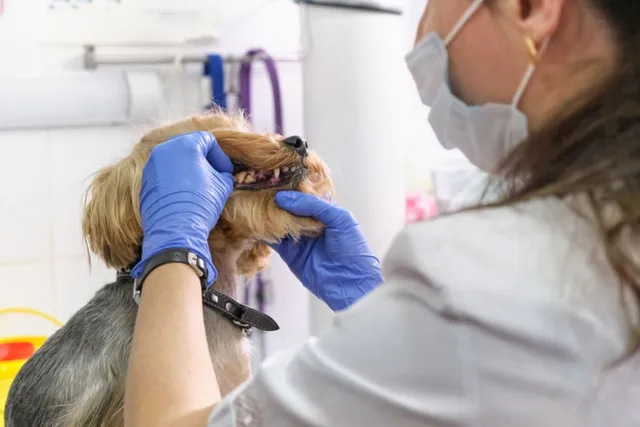
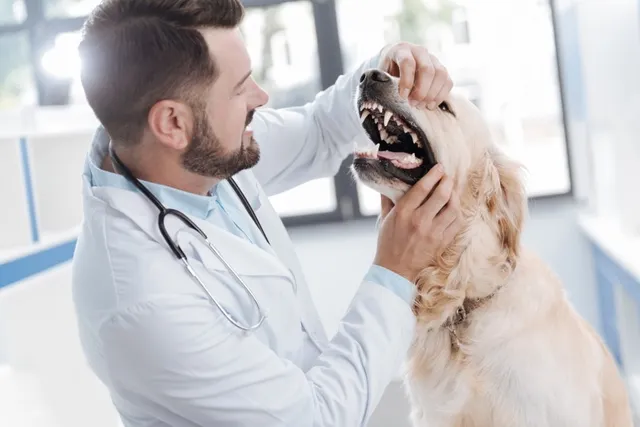
Oronasal fistulas won’t heal on their own, so you’ll need to see a veterinarian. Whether your dog has a gaping hole or a tiny, draining wound in their gums, the vet will need to anesthetize them, take X-rays, and surgically repair the issue.
A dental X-ray is a vital part of the process because it enables your vet to assess the health of the bone underlying the gums to see if further treatment is required. From there, the fistula will be flushed to remove any debris and the hole will be covered with a flap of gum tissue that will be sutured in place.
Afterward, your dog should be given soft food, and they shouldn’t be allowed to have chew toys for at least 2 weeks. They will likely go home on antibiotics and anti-inflammatories and need to be seen for rechecks to ensure that the flap is healing properly.
Your dog may also receive an in-depth dental cleaning to treat any concurrent dental disease and assess other teeth for issues. Your vet will likely recommend regular tooth brushing at home once the hole is healed, along with regular professional cleanings to help prevent the issue from happening again.

Frequently Asked Questions (FAQ)
Can My Dog Live With an Oronasal Fistula?
Yes, but oronasal fistulas can’t heal on their own. Depending on the size of the hole, an untreated oronasal fistula may cause frequent upper respiratory infections that can be hard to control and not much fun for a dog to live with.
How Much Does It Cost to Repair a Dog’s Oronasal Fistula?
Fixing an oronasal fistula requires anesthesia, X-rays, surgery, and medications, so you’re unlikely to get out of the veterinary hospital for under $300–$500. The severity of the issue may also increase the price.
While this may seem high, when you compare it to the cost of treating repeated respiratory infections, you’re likely to come out ahead by getting the oronasal fistula fixed.
How Urgent Is Oronasal Fistula Surgery?
Fixing an oronasal fistula isn’t an emergency issue, but it isn’t something that you’ll want to put off either. The sooner you can repair the hole between the mouth and nose, the fewer infections and complications that your dog will experience. Also, the sooner you can get their teeth cleaned and their dental disease under control, the less likely they will develop more issues.
Conclusion
An oronasal fistula is a hole between a dog’s mouth and their nasal cavity. It is typically the result of losing a tooth or having one extracted without proper healing of the hole left behind. Oronasal fistulas need to be repaired surgically by a veterinarian, as they won’t typically heal on their own, and they can lead to recurrent upper respiratory infections if left untreated.
Sources
Featured Image Credit: Dmytro Zinkevych, Shutterstock
Expert dog care, straight to your inbox
News, insights, expert advice, and everything dog.

No spam — unsubscribe anytime.
By signing up, you agree to our Terms & Conditions and Privacy & Cookies Policy.
How useful was this post?
Click a star to rate. You can leave written feedback afterwards. (We read all feedback.)
Dr. Chyrle Bonk DVM (Veterinarian)
On top of caring for animals and writing for veterinary publications, Dr. Chyrle Bonk owns a small cattle herd! When she’s not busy with those things, she can be found somewhere enjoying the Idaho outdoors with her husband and two kids. Dr. Chyrle Bonk received her Doctor of Veterinary Medicine (DVM) from Oregon State University in 2010.
Chyrle has practiced in a mixed animal clinic for over a decade. She also writes for various veterinary websites and magazines, like Dogster!