Does Frontline Plus Work? Our Vet Answers

In this article
Fleas are the scourge of every pet owner—and pet—around the world. Some people are fortunate enough to be able to say that their pet has never had a problem with fleas, but they would be in the minority. Where there are warm, furry bodies to feast on, fleas won’t be far away.
Over the last 30 years or so, the pet pharmaceutical industry shifted its focus from treating the environment to treating pets directly, with Frontline leading the way as one of the biggest names in the industry from the very beginning. In 2000, their new and improved product, Frontline Plus made its debut. In recent years, there have been murmurings in the veterinary community, as well as in the pet-owning public, that this miracle product was becoming less effective. Is it true? Has it been left behind by its many rivals?
You might be surprised to learn that Frontline Plus does still work, but there are reasons why it might seem that it’s not.
So, before you throw away your flea treatment, let’s take a look at why many are asking: Does FrontlineⓇ Plus Work?

What Is Frontline Plus?
Ever since Paul-Louis Simond reported his discovery in 1898 that fleas were the source of transmission of the bubonic plague, we have been trying to rid ourselves of these parasitic invaders. Until the late 1980s, the war against fleas had been waged on an environmental level, with a splash of pesticide here, a dash of turpentine there, hoping we’d kill off the fleas without doing too much damage to the plants, animals, and humans in the immediate area. And yet, the fleas kept coming.
In 1989, parasitologists discovered that the majority of the flea life cycle takes place on the host animal, which completely changed the game. The year 1993 saw the very first International Symposium of Ectoparasites in Pets, and by the following year, the very first flea treatment for pets, lufenuron, was released. By 1996, Imidocloprid (AdvantageTM) and fipronil, the active ingredient in FrontlineⓇ, were on the market. Dogs and cats around the world were suddenly less itchy, the homes of pet owners were no longer swarming with fleas, and two of the largest pharmaceutical companies in the world, Bayer and Merial, were rubbing their hands together in glee.
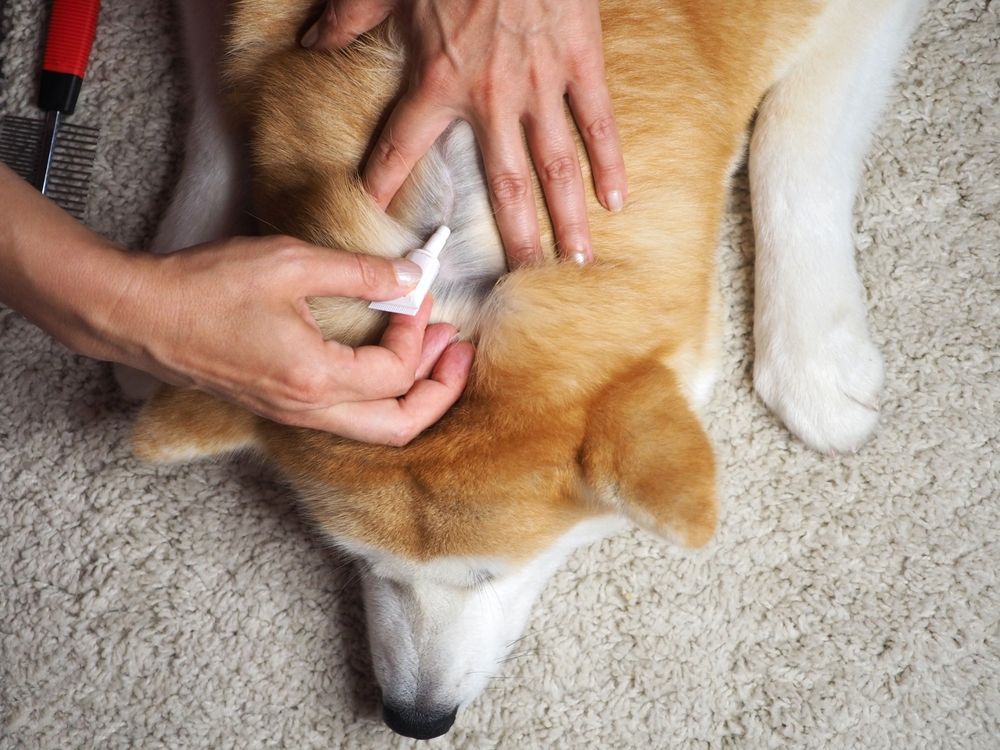
Frontline could be applied to a small patch of skin and spread through the sebaceous glands over the entire body. This chemical kills fleas on contact by disrupting their nervous system without requiring the flea to bite the host. However, homes were still struggling to get long-term relief from fleas, and in 2000, FrontlineⓇ Plus hit the market. The “plus” was the addition of an insect growth regulator, (S)-Methoprene, which stops flea eggs from developing, so we now have a product that kills adult fleas within 24 hours and stops their reproductive cycle.

Does Frontline Plus Work?
Technically speaking, yes, Frontline Plus does what it says on the box. Controlled studies performed in 2018 showed efficacy for FRONTLINE Plus for Dogs of 99.6%, 100%, 100%, 100%, and 97.6% on Days 2, 8, 15, 22, and 29, respectively.1
So why the controversy?
Around the mid-2000s, there was a bit of bad blood between Merial (who owned Frontline) and Bayer (who owned Advantage), with accusations made that fleas had become resistant to imidacloprid. Lawsuits were filed and Merial retracted their statement and, as so often happens in the world of business, both companies have since merged with pharmaceutical superpower, Boehringer Ingelheim. But that wasn’t the end of the rumors.
Over the past decade or so, many pet owners have reported that Frontline, and even Frontline Plus, were no longer working on their pets, leading to the belief that fleas were developing a resistance to the active ingredients. Although insecticide resistance can develop and has been seen in a number of products used to treat the environment, resistance to topical ectoparasiticides like Frontline Plus has not been proven.2
Why Do People Say Frontline Plus Doesn’t Work?
There are three main factors that likely lead to the myth that Frontline Plus doesn’t work:
- The Flea Life Cycle
- Owner Complacency
- Expectation vs. Reality
The Flea Life Cycle
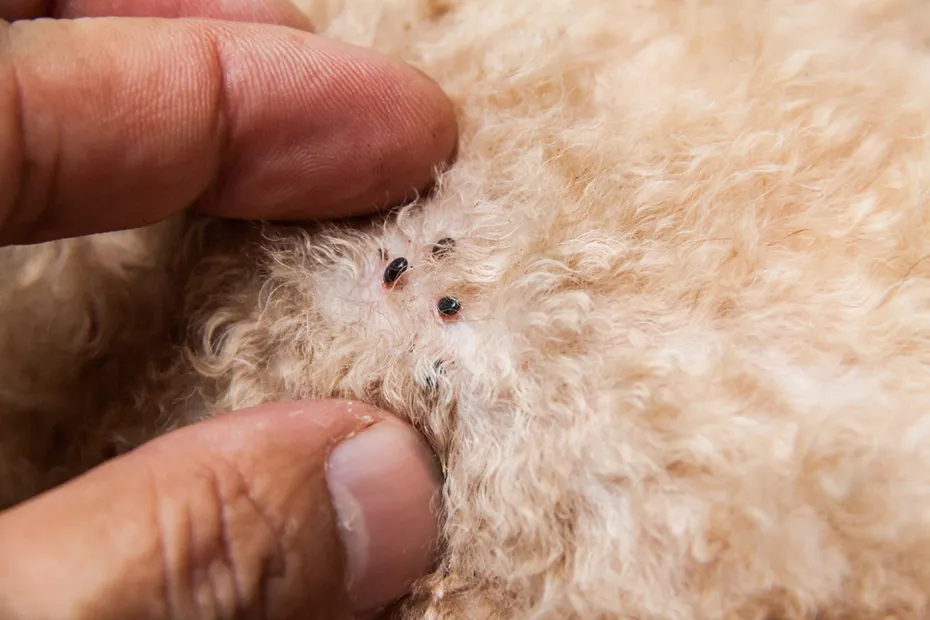
Adult fleas spend their lives on the host animal (e.g., our dogs), feeding and reproducing, with females producing eggs within 24 hours of being on your pet. The eggs are shed into the environment, usually your dog’s bedding or your carpets and furniture, where they hatch after 2–10 days into larvae that burrow down deep to avoid heat and desiccation.
After 1–3 weeks, the larvae form pupae, like the cocoon or chrysalis stage of a butterfly, and this stage is really difficult to treat. Adults normally emerge from the pupa after about 7 days; however, the pupa can survive for over 6 months if conditions aren’t right.
Why is this significant? Because even if you have been super strict about treating your pet every 4 weeks, there may still be flea pupae in the environment, ready to emerge when the going is good. This leads us to the second problem with Frontline Plus and many other flea treatments.
Owner Complacency
A common problem that many of us humans are guilty of is complacency. When something is working well, rather than keep doing it, we start feeling comfortable enough that we can let our guard down. We do it with medication, diet, and exercise, and we do it with flea control as well.
Once we’ve got on top of a flea problem, we start to think we can be a bit more relaxed, so we stop using the product every 28 days as recommended. Some people stop using products over winter or only use them when fleas appear, as is their right, but when fleas suddenly start appearing, it does not mean that the product is no longer working.
Gaps in treatment intervals allow life stages to sneak through, pupa to emerge, and live fleas to reappear. We may have eradicated the adult fleas, the eggs, and the larvae, but the pupae may be biding their time under your carpet, just waiting for a warm, furry friend to come along. Before you know it, your dog has fleas again.
Expectation vs. Reality
We live in impatient times, where we want everything to be done yesterday. When we’ve spent our money on a product that claims to kill fleas, we expect results. However, those results may take time to set in.
Frontline Plus will stop eggs from developing and kill adult fleas, but you will still see some live fleas for the first 24 hours after application, albeit slower-moving ones, and we can’t forget that pesky pupal stage. Although topical products like Frontline Plus will often kill off some of the larvae and adults in your dog’s bedding, in general, there is still a potential source of fresh adults in pupal form, until there isn’t.
In warm conditions, you can expect to get on top of an infestation within 1–3 months, but if conditions aren’t right for adults to emerge, it will take a while longer.
The other factor is that your dog can pick up live fleas from other areas or other animals, but if you keep up with their flea treatment, they too will be dead within 24 hours (the fleas, not the other animals!).

Conclusion
There is no evidence that any animal-level flea and tick treatments have issues of resistance, and studies indicate that Frontline Plus is just as effective as it ever was.
The issues with fleas persisting are likely due to other factors, such as the flea life cycle, owners deviating from the 28-day application interval, and not accounting for external sources of new flea populations, including the pupal phase.
For pet owners worried about seeing fleas in their homes and on their pets, the best thing to do is stick to year-round product application every 4 weeks. For those who want to use topical flea products less frequently, there are a number of ways you can try to repel fleas from your environment, or kill newly emerged adult fleas in your home, including hot washing of bedding, regular vacuum cleaning, or scattering diatomaceous earth around areas your dog likes to spend time, but do be prepared to see the occasional flea.
Featured Image Credit: Nick Alias, Shutterstock
Expert dog care, straight to your inbox
News, insights, expert advice, and everything dog.

No spam — unsubscribe anytime.
By signing up, you agree to our Terms & Conditions and Privacy & Cookies Policy.
How useful was this post?
Click a star to rate. You can leave written feedback afterwards. (We read all feedback.)
Dr. Karyn Kanowski, BVSc MRCVS (Vet)
Dr. Karyn is originally from Queensland, Australia, and has resided in the UK for the past 10 years. She graduated from The University of Queensland School of Veterinary Science in 2010, and also holds a Bachelor’s degree in Zoology. Karyn is passionate about using experience, evidence, and working with pet owners to provide the best solutions for pets. She also believes in making reliable information about animal health accessible to everyone. 5 cats and 4 dogs let her share their home with her and her husband, and when she is not practising as a veterinary surgeon, she spends her time writing, gardening, and cleaning up pet hair!