Do Pitbulls Have Allergies? Vet-Explained Signs, Treatments & Tips

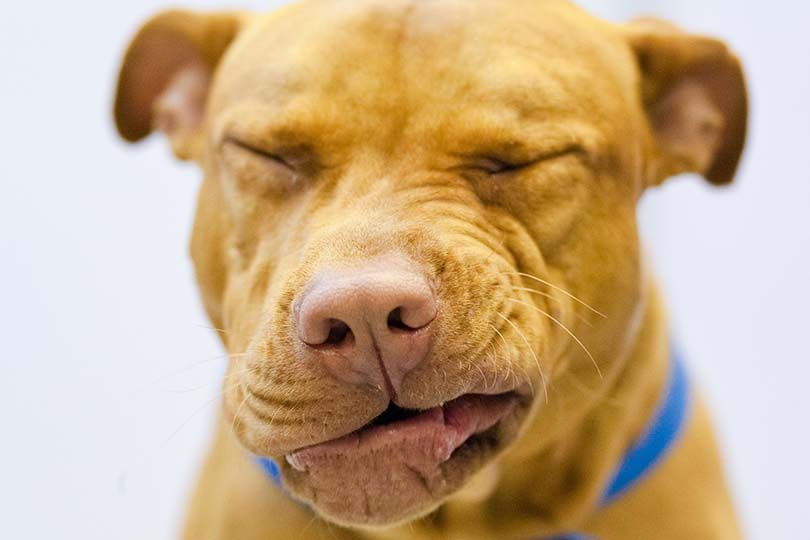
Pitbulls are a very popular breed, despite the controversy that often surrounds them. It is important to be aware that the “Pitbull” breed isn't officially recognized by the major kennel clubs. Pitbull has been adapted to be an umbrella term used to describe a mix of breeds including Staffordshire Bull Terriers, Bull Terriers, and American Staffordshire Terriers.
One thing owners of Pitbulls should be aware of is that they are prone to allergies. These allergies are usually to food, things found in their environment such as grasses or pollen, or parasites. Pitbulls have very short fur and their coats do not have a protective undercoat. This means that their skin is vulnerable to any irritants or environmental allergens, and they are more likely to react. Pitbulls also are thought to have a genetic predisposition as many skin and coat conditions are hereditary.
Allergic skin disease in Pitbulls is extremely irritating and painful, dogs often scratch and itch until they cause skin lesions which can become infected. It is very important to diagnose and treat allergies early to prevent further complications.

What Are Allergies?
An allergy to a substance occurs when the body overreacts or becomes hypersensitive to something the dog has come in contact with. The immune system is responsible for the overreaction. The most common allergens include food, plants, insects, and parasites. When the dog is exposed to the allergen, the immune system becomes sensitized. Subsequent exposure to the same allergen then results in an overreaction. The immune system is trying to do its job of protecting the body, but in the case of allergies, the immune response is detrimental to the dog.

Common Pitbull Allergies
Food Allergens
Pitbulls are commonly affected by food allergens. The most common culprits are animal protein in your Pitbull’s diet. This includes beef, chicken, lamb, pork, fish, eggs, and other dairy products.
Environmental Allergens
Pitbulls can react to components of their environment due to their short fur and lack of protective undercoat. This means they are more vulnerable to environmental allergens and irritants that cause their skin to react. Common environmental allergens include grasses, dust mites, parasites, household cleaning products, detergents, shampoos, and pollen.
These can be very difficult to avoid as your dog may be exposed to them every time they step outside your home, and it is very difficult to minimize or eliminate exposure.

Signs of Allergies in Pitbulls
Signs of allergies do vary depending on what part of the body is affected. Often, they are generalized and non-specific. A vet will review the complete clinical picture including history and signalment when assessing your dog. Common signs include:
- Dry skin
- Redness of skin
- Itchy skin
- Scabs/sores present
- Ulceration of skin
- Biting/licking excessively
- Hair loss
- Hives
- Hot spots
- Ear infections
- Diarrhea
- Vomiting
- Sneezing
- Breathing difficulties
- Nasal discharge
- Red eyes
- Watery eyes/discharge
If you are concerned about the health and well-being of your pet, seek veterinary advice for the best course of action.
Diagnosis of Allergies in Pitbulls
The vet will begin by taking a full history and performing a clinical exam on your dog. They will assess for signs of any underlying health issues that could be responsible for the clinical signs reported. This includes the presence of parasites such as fleas and any skin or ear infections.
If an allergy is suspected, the vet will recommend allergy testing. This can be done either by intradermal skin testing or by a serological blood test.
If a food allergy is suspected, the vet will recommend an elimination diet trial. This involves feeding your dog a hypoallergenic diet for 8 weeks and then slowly reintroducing different food sources one by one.
Treatment Options for Allergies in Pitbulls
There are many different options to treat allergies in your Pitbull. Some depend on the nature and severity of the allergy, and some will be dictated by the finances available.
Treatment of any underlying issue needs to be addressed first. This could be antibiotics for an infection, parasite treatment for fleas, or antifungal medication for a fungal infection. Anti-inflammatory drugs can be used, for example corticosteroids. It is important to note that using steroids will treat the symptoms but not the underlying cause. There are other drugs that work by blocking specific chemical signaling pathways, examples of these are oclacitinib (Apoquel) and Lokivetmab (Cytopoint).
Desensitization therapy can also be used. If allergy testing is carried out, and the specific allergens have been identified, a serum can be formulated for your Pitbull. Small amounts of the serum are given to your Pitbull every week. Over time this desensitizes the dog’s immune system and eventually, if the therapy is successful, they don't react.
If food allergies are identified or suspected, dietary trials are recommended. Hypoallergenic diets can be used. They contain unique proteins that cannot be identified by your Pitbull’s immune system and therefore the dog does not react to them the way they would react to food protein they are allergic to. If the specific food allergen has been identified, it is possible to feed your Pitbull a diet avoiding the things they are allergic to.

Tips for Helping Your Pitbull Cope with Allergies
There are some things you can do at home to alleviate your dog’s clinical signs to a certain extent. It is important to note that you should not be doing anything to alter your dog’s environment or routine without first consulting with a vet. Home remedies will never be a replacement for treatment and advice from a vet.
- Keep up to date with all necessary parasite treatments. A vet will be able to give you a treatment protocol and prescribe you the medication.
- Avoid potential allergens. Limit contact with pollens or plant materials if possible. Hose your dog or wipe them down after walks to remove pollens or other plant particles. Avoid foods that trigger an allergic reaction or use hypoallergenic or hydrolyzed foods.
- Bath your Pitbull. This can provide some relief (if they will tolerate it). Some shampoos can help with allergic skin disease but always consult a vet before using any topical products as you could end up making the problem worse rather than better. Always follow the instructions for soak times, rinsing, and frequency of use. Don’t bathe your Pitbull too often as this can potentially dry the coat and make it more vulnerable to further damage and infection.
- Brush your pit bull regularly to remove any excess hair.
- There is a huge variety of supplements available for allergies. They often contain fish oils, omega fatty acids, and other vitamins and minerals thought to help with allergies. Be careful when choosing one for your dog as many are not supported by any research or studies. A vet will be able to advise you on an appropriate choice.
- Topical skin treatments. There are some products available that can help with itching allergic skin. Skin balms may help in some circumstances. Dog-safe sun cream is also available. Do not use human sun creams on your dog, as they are often toxic.
Summing Up
Pitbulls are more susceptible to allergies and skin reactions than some other breeds of dogs. If you are the proud owner of a Pitbull, it is important that you keep a close eye on them and monitor for any clinical signs of allergies. It is very easy for allergic reactions to get out of control quickly. They are often exacerbated by secondary infections so prompt identification and treatment is important.
If you are concerned about your Pitbull showing signs of an allergy, contact your vet as soon as possible. They will be able to advise you on the most suitable diagnostic options and treatments.
See also:
Sources
Featured Image Credit: Look At You Photography, Shutterstock
Expert dog care, straight to your inbox
News, insights, expert advice, and everything dog.

No spam — unsubscribe anytime.
By signing up, you agree to our Terms & Conditions and Privacy & Cookies Policy.
How useful was this post?
Click a star to rate. You can leave written feedback afterwards. (We read all feedback.)
Dr. Emma Chandley BVM MRCVS (Veterinarian)
Dr. Emma is a experienced vet who is happy to share her knowledge and expertise about dogs with readers. With a focus on surgery, she is eager to engage in discussions on all topics related to animal care. Dr. Chandley graduated from The Royal Vet College and since graduation has worked in general practice in Great Britain. Her credentials include a postgraduate certificate in Small Animal Surgery and recognition as an Advanced Practitioner. She is also passionate about expanding her knowledge in clinical pathology, animal behavior, nutrition, and clinical pathology.