Can Dogs Eat Raw Chicken Bones? Our Vet Explains Nutrition Facts & Info

In this article
What’s more classic than the image of a dog with a bone? Given this idea, it would be understandable to assume that feeding bones to your dog is a perfectly safe and natural practice. However, this isn’t always the case. In fact, giving your dog a bone can be downright dangerous.
So, what about chicken bones? Chicken is a bit tricky when it comes to feeding it to our dogs because cooked chicken is safer than raw chicken, while raw chicken bones are safer than cooked chicken bones.
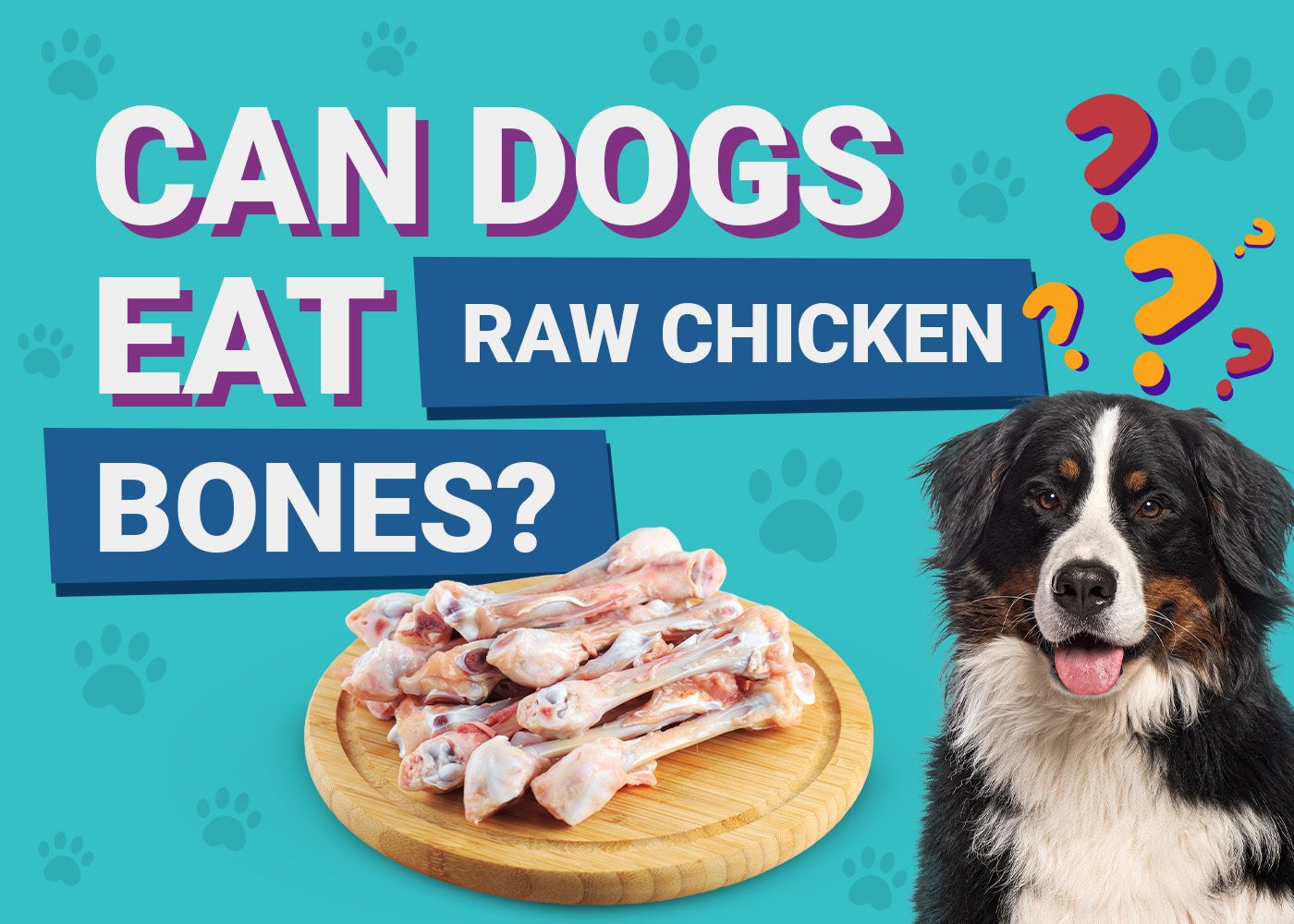
Although dogs can eat raw chicken bones, there are some significant safety concerns that must be considered before letting your dog help themselves to a pile of raw drumsticks.

The Problem With Chicken Bones
As the most common ingredient in dog and cat food, there are very few pets that have not eaten chicken in their lifetime. In its cooked or rendered form, as it often is in commercial pet food, it is a safe and healthy form of protein, unless your dog is allergic to chicken, that is!
Cooked chicken bones, however, can splinter, break, and fragment into sharp pieces that can become lodged in the mouth, esophagus, stomach, or intestines, putting your dog at risk of choking, perforation, and obstruction.
Raw chicken often contains pathogenic bacteria like Salmonella, E. coli, and Campylobacter, the most common culprits behind food poisoning in humans and pets. Eating and handling contaminated raw meat puts both us and our dogs at risk.1 Although freezing will inhibit bacterial growth in raw meat, it does not kill it, so when the meat is thawed, the contamination risk is still high. This is particularly true for meat that has been specifically assigned to the pet food industry, as this meat has been deemed unsuitable for human consumption and the risk of pathogens is much greater.2
Raw chicken bones are generally quite small and flexible, and they pose little risk of causing damage to the lining of the digestive tract. There is still a small risk of choking, however. The necks and wings of the chicken are the most commonly offered morsels, containing mainly cartilage and soft bones, making them the safest parts. Of course, these bones are covered in chicken meat, so the risk of bacterial contamination is just as high.
Given the potential risks of feeding raw chicken bones to our dogs, why are people still doing it?


The Benefits of Raw Chicken Bones
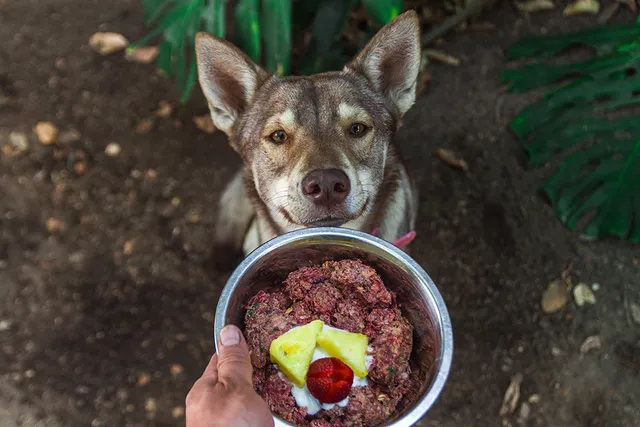
Raw meat diets are increasing in popularity and, if used correctly, can be a good option for some dogs. Many dog owners swear by feeding raw chicken bones to their dogs, and there are several potential benefits for doing so.
1. Lean Protein
There is a reason why chicken is such a popular pet food ingredient, as it provides high protein levels with very little fat, but it depends on what part of the chicken you’re dealing with. Chicken breast meat offers the best in terms of nutritional value, but necks and wings aren’t too bad, either.
| Nutritional Value of Raw Chicken (Per 100 Grams) | ||||
| Breast | Thigh | Neck | Wing | |
| Water | 74.8 g | 72.9 g | 71.2 g | 75 g |
| Energy | 106 kcal | 144 kcal | 154 kcal | 126 kcal |
| Protein | 22.5 g | 18.6 g | 17.6 g | 22 g |
| Fat | 1.93 g | 7.92 g | 8.78 g | 3.54 g |
| Carbohydrates | 0 g | 0 g | 0 g | 0 g |
| Calcium | 4 mg | 6 mg | 27 mg | 13 g |
| Phosphorus | 215 mg | 178 mg | 113 mg | 155 mg |
Sources
Source: USDA
Chicken alone, particularly chicken bones, does not provide all the nutrients required by your dog, so they should only be used to supplement their regular diet or as a treat.
You may be interested in: Raw Dog Food Diet Plan: Vet-Approved Guide to Get Started
2. Cleaning Teeth
The diet and lifestyle of our pampered pooches are generally removed from that of their carnivorous ancestors, but these largely omnivorous dogs often miss out on the natural teeth-cleaning benefits that animal skin, cartilage, and sinew offer. Raw chicken wings and necks can be a way to get your dog to clean their own teeth, all while enjoying the process too.

3. Enrichment Through Food
Wild canids have to hunt or scavenge for their meals, and while this is undoubtedly a stressful way of life, it does mean that boredom would rarely be a problem. Our pets, on the other hand, don’t usually have to worry about where their next meal will come from, which is good for stress levels but does leave them with a pretty empty calendar.
Providing dogs with challenging foods that allows them to mimic some of those natural feeding habits, albeit without the hunt, can provide your dog with some enrichment while they eat.
4. Less Hazardous Than Some Other Bones
Cooked bones of any kind are a big no-no for dogs due to their likelihood to fragment and splinter. But depending on the dog and the bone in question, raw bones from other animals can pose different types of hazards.
- Dogs can break up bones into smaller fragments that can cause the same sort of damage as cooked ones.
- Marrow is extremely fatty, so it can cause gastrointestinal problems or pancreatitis in the short term and obesity if consumed too often.
- Regular consumption of a lot of bony material can lead to constipation.

How to Get the Benefits Without the Risks

Fortunately, there are ways to gain the same sorts of benefits that raw chicken bones can offer your dog while reducing the risk of pathogen exposure.
Here are a few suggestions:
Conclusion
Despite the potential risks posed by raw chicken bones, there are also a number of potential benefits, and it’s up to owners to decide which is most important. As the popularity of raw and natural diets increases, so does the opportunity for errors, problems, and shortcuts, which can put our dogs in danger. There are many ways we can provide our dogs with all the benefits of feeding raw chicken bones without the associated risks, but if raw chicken bones are on your list of must-haves, make sure they are of a high quality, have been stored appropriately, and are handled correctly.
See also:
Expert dog care, straight to your inbox
News, insights, expert advice, and everything dog.

No spam — unsubscribe anytime.
By signing up, you agree to our Terms & Conditions and Privacy & Cookies Policy.
How useful was this post?
Click a star to rate. You can leave written feedback afterwards. (We read all feedback.)
Dr. Karyn Kanowski, BVSc MRCVS (Vet)
Dr. Karyn is originally from Queensland, Australia, and has resided in the UK for the past 10 years. She graduated from The University of Queensland School of Veterinary Science in 2010, and also holds a Bachelor’s degree in Zoology. Karyn is passionate about using experience, evidence, and working with pet owners to provide the best solutions for pets. She also believes in making reliable information about animal health accessible to everyone. 5 cats and 4 dogs let her share their home with her and her husband, and when she is not practising as a veterinary surgeon, she spends her time writing, gardening, and cleaning up pet hair!