Can Dogs Eat Peanut Shells? Vet-Verified Nutrition Facts & Info


In this article
Peanut butter is considered a healthy, tasty treat for dogs, although it should only be fed in moderation and owners should avoid sweetened or salted peanut butter. The nuts themselves are not considered toxic, either, but their high-fat content means you should really avoid feeding peanuts to dogs regularly.
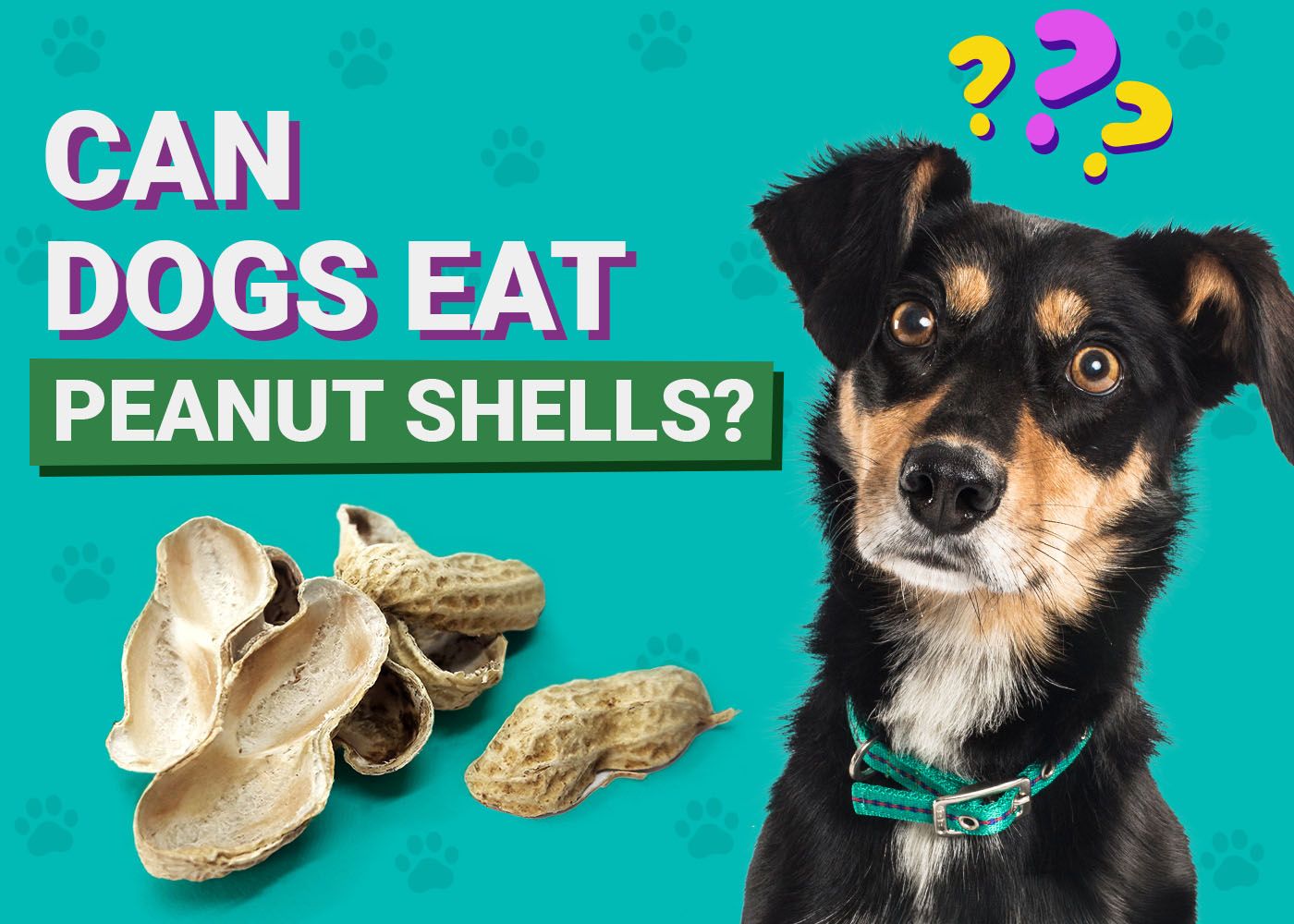
But, for some owners, that leaves the question of whether it is safe to feed peanut shells to dogs. The shells can be sharp and their rough exterior texture makes them difficult to digest, so while your dog might be fine if they have eaten a shell, you shouldn’t intentionally feed them.
Some types of nuts, like macadamia nuts and black walnuts are very toxic to dogs and should be avoided completely. Whereas some, like peanuts and cashews, are safe in small quantities and when fed occasionally.

Why Can’t Dogs Eat Peanut Shells?
Strictly speaking, peanuts are legumes and part of the pea family, rather than the nut family. However, they are generally considered nuts because of their texture and other properties. The peanuts and shells are not considered toxic to dogs, so if your dog has eaten a peanut with its shell on, they should be safe in this regard.
However, the shell itself can splinter and leave sharp edges while it’s not common nut shells have been noted as a cause of intestinal perforation in children1, so they present some risks to dogs. The rough exterior texture of the shell also means it can get stuck in the throat and may prove very difficult to digest.

Dangers of Feeding Peanut Shells to Dogs
Although the peanut and its shell are not toxic to dogs, there are several reasons you should prevent your dog from eating them.
- Textured Exterior – The exterior of the peanut shell is textured and somewhat rough. This can lead to the shell getting stuck in the throat or teeth, leading to some discomfort.
- Fibrous Shells – The shell is known to be very fibrous. This makes it difficult to chew and even if the shell is boiled first, it is challenging to digest and process. This can lead to a digestive upset, or potentially an obstruction if lots of shell is eaten.
- High-Fat Content – Peanuts themselves are high in protein, vitamins, and minerals. But, while they’re not strictly nuts, they do share at least one property with nuts: they are high in fat. Because they’re high in fat, peanuts are also known to be high in calories, so they should not be a regular addition to your dog’s diet or they can cause unwanted weight gain, obesity, and pancreatitis.
What To Do If Your Dog Has Eaten Peanut Shells
Peanut shells are not toxic, so you don’t have to worry about toxicity. However, they can be difficult to swallow and even more difficult to digest. If your dog has eaten a lot of peanut shells relative to their size call your vet for advice as they are at more of a risk.
Peanut shells can cause vomiting and diarrhea, so you will need to watch for these. If you notice any issues call your vet to book an appointment. More severe signs that could indicate a more serious problem are severe diarrhea, vomiting, and anorexia. If this is the case, you may need to visit the emergency clinic.
If you have the all clear to monitor your pet at home, ensure they have plenty of water to drink. Your vet may recommend feeding your dog something like boiled pumpkin to help them pass the shells.

Can Dogs Eat Peanuts?
Peanuts, like their shells, are not toxic, so they won’t cause toxicity or serious long-term harm. Although rarer in dogs, peanut allergies can occur in canines. Watch for signs of allergic reaction like hives, facial swelling, vomiting, difficulty breathing, or collapse.
Otherwise, peanuts are considered safe for dogs to eat as a very occasional treat and in small quantities. They are packed with protein and contain a good variety of vitamins and minerals. However, they also contain a lot of fat and calories. Feed sparingly, only as a treat, and do not include them as part of your dog’s regular diet.

Should Dogs Eat Peanut Butter?
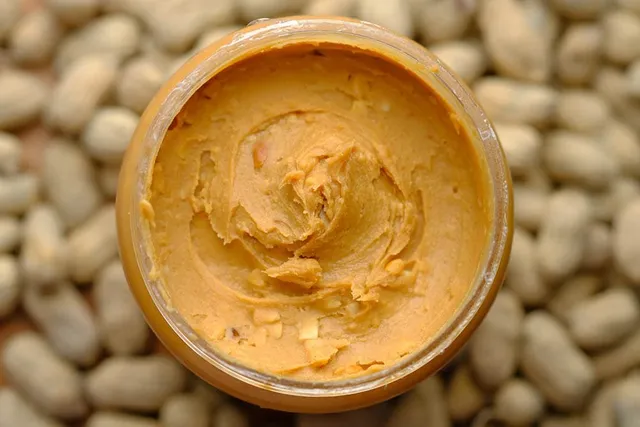
Peanut butter is a common treat for lots of dogs. It’s tasty, contains protein, vitamins, and minerals, and its sticky texture not only makes it great for dogs to lick but also makes it useful as a tool to secure treats inside treat toys or as a paste for use on licky mats. However, owners do need to take some care when feeding peanut butter as a treat.
Avoid any peanut butter that is sweetened with xylitol as this is toxic to dogs. Natural peanut butter with no additional ingredients is the healthiest kind. Also, peanut butter does contain a lot of fat, which means it is high in calories, so it shouldn’t be fed too often or in too large a quantity. A high fat meal can lead to a painful inflammation of the pancreas which causes vomiting, diarrhea, and anorexia.
You can get peanut butter specifically for dogs, but this is typically just the same as plain, natural, unsweetened, and unsalted peanut butter that you can buy from the store.

Conclusion
Peanut butter is commonly given to dogs as a treat, especially because its sticky texture is useful for holding kibble and biscuits inside treat toys. Peanuts themselves are high in fat, though, so your dog should only ever be given one or two, very occasionally, as a treat.
The textured exterior and fibrous nature of the peanut shell means that, while it isn’t toxic, should not be fed to dogs because it can be very difficult to digest and might get stuck in the throat or the digestive tract.
See also:
Sources
Featured Image Credit: Kang_ulin, Shutterstock
Expert dog care, straight to your inbox
News, insights, expert advice, and everything dog.

No spam — unsubscribe anytime.
By signing up, you agree to our Terms & Conditions and Privacy & Cookies Policy.
How useful was this post?
Click a star to rate. You can leave written feedback afterwards. (We read all feedback.)
Matt is a freelance writer from the UK. He lives with his partner and daughter, as well as two cats and one dog. A data analyst by profession, Matt moved from numbers to words more than 15 years ago and has been writing ever since. Having volunteered at a local animal sanctuary, he has a lot of experience with dogs, cats, and horses. Matt has also kept bearded dragons, a variety of birds, fish, guinea pigs, hamsters, mice, and rats. His daughter has adopted the same passion for animals, keeping and breeding snakes. A geek at heart, Matt is a member of a local board gaming group and regularly forces his family to “enjoy” board games with him at home.