Black Dog Poop: Causes, Diagnosis & Care (Vet Answer)

In this article
Have you noticed your dog's poop turning black? Do you need to know if this is a cause for concern? This vet-written guide will provide you with all the information you need on black stool in dogs and when you need to take action.
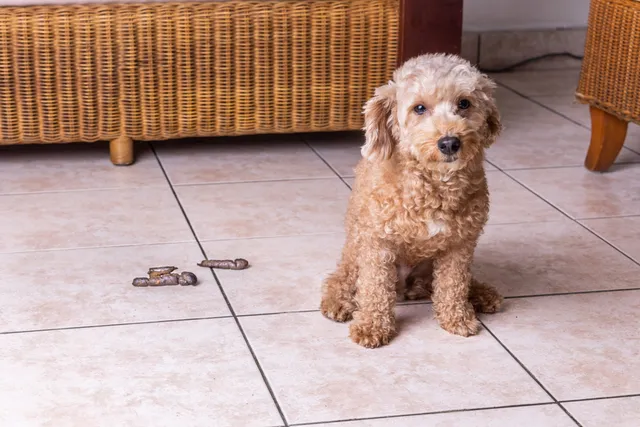
Dog poop can be very useful for giving us important information about how healthy our dog is and what they have been eating. Normal dog poop should be dark brown in color and a firm consistency. If your dog is passing black stools, this is usually an indication that there is an issue with your dog's digestive tract. Tarry black dog poop is also known as melena. It occurs due to the presence of digested blood in your dog's poop. This is a symptom of an underlying health issue and should not be ignored.
If you see your dog passing black stools, your first port of call should always be your vet.

What Is Black Dog Poop?
Black dog poop, also known as melena, can often mean there is digested blood in the upper gastrointestinal tract or the small intestine. It is usually an indication of bleeding into the gastrointestinal tract. Common reasons for gastrointestinal tract bleeding include stomach ulcers and certain medications.
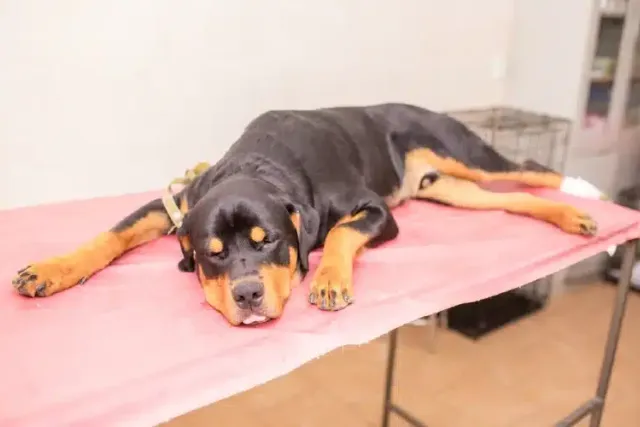
Black dog poop is a clinical sign that should always be taken seriously. Take your dog to the vet immediately if you see them passing black poop. Owners must monitor their dogs' stool color and consistency and report any changes to their vet.
What Are the Signs of Black Dog Poop?
It is not usually hard to spot if your dog has black stools. Owners will be able to see the color and consistency of the feces when it is passed. Even if you do not see your dog passing the stools, you will be able to see them when you pick them up on a walk or in the backyard. If you see small amounts of black dotted in the poop, this could mean that your dog has eaten something with dark pigments such as crayons, blueberries, or black licorice.
If the whole of your dog's feces is black, the most likely cause of this is bleeding into the gut higher up in the gastrointestinal tract.
What Are the Causes of Black Dog Poop?
There are various causes of black poop in dogs. Some of these are nothing to worry about, such as your dog eating something black that has passed through their digestive tract. Some, however, can mean something serious is wrong.
1. Dietary issues
Some dog treats contain artificial coloring that can turn stools black, especially if large amounts are ingested. If you have recently changed your dog's diet this can turn your dog's stools black. This is especially relevant if you have made sudden changes to their diet or started to feed them a diet containing a high amount of iron.
If you feed your dog bones, they may have swallowed sharp pieces which can cause damage to the lining of the gastrointestinal tract and cause bleeding. The black color in your dog's stools may also be from the ingestion of blood from the bone marrow of the bones.

2. Medical issues
Gastrointestinal bleeding—conditions such as gastric ulcers, inflammation of the gastrointestinal tract, and tumors—can all cause a substantial amount of bleeding into the gastrointestinal tract. This is a serious cause of black stools and requires immediate veterinary attention. The guts may be at risk of perforating.
3. Parasite infestation
Parasite infections with worms that latch onto the lining of the gastrointestinal tract, can cause gastrointestinal bleeding and black poop. This occurs when the digested blood passes through the gastrointestinal tract. Hookworms are a good example of this.

4. Bacteria or viruses
Dogs can pick up bacterial and viral infections that cause black poop. Parvovirus is a common infection dogs can get if they have not been vaccinated.
5. Medications
There are some medications and supplements that contain substances that cause black stools. If your dog requires iron supplements, be aware that these can cause black poop. Some diarrhea medications have this effect. Pain relief such as non-steroidal anti-inflammatories can cause gastrointestinal bleeding which also results in black poop.
Some antibiotics can also cause black stools.

6. Foreign body ingestion
If your dog has eaten something they shouldn't have, such as a toothpick, a popsicle stick, or a bone, this can result in black poop if the object is causing damage internally.
Diagnosis of Black Dog Poop
Your vet will begin by taking a full clinical history and performing a physical exam on your dog. They will ask if your dog has had any recent changes to their diet or if they’ve eaten something they shouldn't have.
They will take a routine blood test and urine sample to check the white and red blood cell counts and to assess organ function. They are also likely to use an ultrasound scanner to look inside your dog's abdomen and perform some X-rays. They will request a fecal sample for testing so that they can send off to an external lab for analysis.

How Do I Care for a Dog with Black Poop?
Treatment of black stool in dogs depends on the underlying cause. If your dog is a known scavenger and often picks things up when they are out and about on walks, you can buy them a muzzle to wear when they are out to prevent them from eating anything. This can also help prevent ingestion of foreign bodies. You should take extra care to keep a close eye on them to ensure they don't try to eat anything that's not their regular dog food around the house too.
If you need to change your dog's diet, you should do so gradually and not abruptly to avoid upsetting their guts. If parasites are identified, your vet can prescribe anti-parasite medication that is active against whatever is affecting your dog. Gastric ulcers can be treated with gastroprotectant drugs. These drugs reduce gastric acid production, combat inflammation, reduce pain, and help your dog's body heal. In severe cases, surgery is indicated.
If a tumor is present, chemotherapy may be required. Surgery can be carried out if the tumor is operable. If you and/or your vet think that medication is causing the black feces, it is advisable to stop it. Only ever do this under veterinary instruction.
If an infection is present, antibiotics may be indicated. Supportive therapy such as intravenous fluids and pain relief are also often indicated.
Frequently Asked Questions (FAQ)
Can different types of food cause black stool in dogs?
Yes, certain types of food and non-food substances can cause changes in the color of your dog's poop. A good example of this is if your dog has eaten charcoal. If your dog eats anything with blood in it such as the contents of bone marrow or other raw meat products, this can also make stools black when the blood is digested. Foods high in iron can also do this.
Even if you think it may just be something your dog has eaten, if your dog's feces changes color, it is always sensible to contact your vet.
Is black dog poop always an indication of a health issue?
If you see your dog passing black stools, it is usually a sign of an underlying health issue. There are some rare occasions where black poop may mean something harmless like your dog has eaten some black chalk or crayons. Speak to your vet about your dog's diet and what factors can change the color of their poop.
What dog poop colors are not normal?
Red and black dog poop should always be a cause for concern. Yellow can also mean something is wrong—often a sign of food intolerance. Green or orange poop can also mean something is wrong. If you notice any changes in the color of your dog's feces, it is always best to get them checked out.

Conclusion
Your dog's poop can tell you a lot about their general health and wellbeing. The color of your dog's poop can often be a precursor to serious health issues. There are many reasons your dog's poop can turn black in color. Some of these reasons are completely harmless, but some can be something sinister. It is important that owners know what to look out for as sometimes black dog poop can mean your dog's life is at risk.
Always make sure you monitor your dog's poop when you are picking up after them. If you have noticed a change in the color of your dog's stools, the best thing to do is to contact your vet. This is especially important if your dog is showing other clinical signs of illness. They will be able to examine your dog and put your mind at rest or advise you of appropriate treatment to help your dog.
See also:
Featured Image Credit: Rabbit Studio, Shutterstock
Expert dog care, straight to your inbox
News, insights, expert advice, and everything dog.

No spam — unsubscribe anytime.
By signing up, you agree to our Terms & Conditions and Privacy & Cookies Policy.
How useful was this post?
Click a star to rate. You can leave written feedback afterwards. (We read all feedback.)
Dr. Emma Chandley BVM MRCVS (Veterinarian)
Dr. Emma is a experienced vet who is happy to share her knowledge and expertise about dogs with readers. With a focus on surgery, she is eager to engage in discussions on all topics related to animal care. Dr. Chandley graduated from The Royal Vet College and since graduation has worked in general practice in Great Britain. Her credentials include a postgraduate certificate in Small Animal Surgery and recognition as an Advanced Practitioner. She is also passionate about expanding her knowledge in clinical pathology, animal behavior, nutrition, and clinical pathology.