Ask Dr. Paola - HELP! What Happens If Cherry Eye Is Left Untreated? (November 2, 2026)
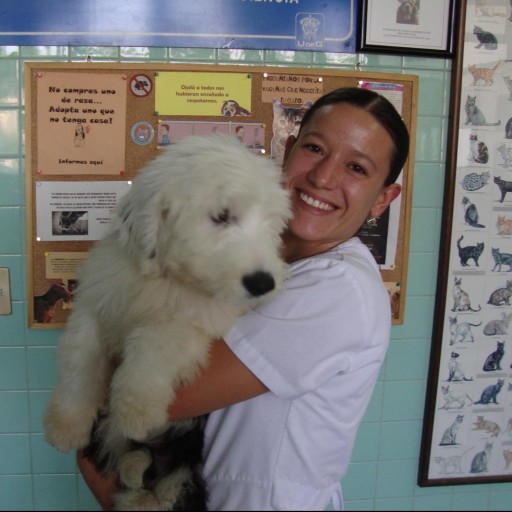
Welcome to our "Ask Dr. Paola" series, where every other Monday we bring expert advice straight from Dr. Paola Cuevas (MVZ) to help our readers better understand their dog's health and well-being.
Whether you're a new pet parent or a seasoned dog lover, Dr. Paola is here to provide answers to your most pressing questions. From nutrition tips and preventive care to troubleshooting common behavioral issues, Dr. Paola is ready to offer insights that will keep your furry friend happy and healthy. Stay tuned for expert guidance on a range of topics that matter most to you and your dog, so you can make informed decisions and provide the best possible care for your canine companion.
Have a question? Send it in here!

HELP! What Happens If Cherry Eye Is Left Untreated?
“Dear Dr Paola,
My dog, Reggie, has Cherry eye. If left untreated, can it have a negative effect on his vision? Money is an issue for me right now.”
- Jane
Dear Jane,
Cherry eye happens when the gland of the third eyelid, which helps produce tears, slips out of its normal position and becomes visible as a pink or red cherry-looking bulge in the corner of your dog's eye. I understand that veterinary expenses can be difficult to manage, and it is important to know what needs attention right away and what can safely wait a bit longer.
Cherry eye does not usually cause blindness directly, but leaving it untreated can put Reggie's eye health at risk. The exposed gland can become irritated, inflamed, or damaged, and its tear production may be reduced over time. Because this gland contributes to keeping the eye moist and protected, reduced tear production can increase the risk of dry eye, a condition that can lead to corneal damage, scarring, and impaired vision if it becomes severe. Think of the gland as part of the eye's built-in lubrication system. Even if the eye looks comfortable today, problems can develop gradually.
If surgery is not financially possible right now, please arrange a veterinary examination to confirm the diagnosis, assess tear production, and check the cornea.
Talk to your vet about a payment plan, or you might be able to find a veterinary teaching hospital or nonprofit clinic that may offer lower-cost care. Your veterinarian may recommend a suitable lubricating eye product while you work toward surgery, but lubrication will not reposition the gland. Please make sure you avoid human eye drops, leftover medications, or steroid eye drops unless specifically prescribed, as some of these can worsen an undiagnosed corneal ulcer. The gland should generally be repositioned and preserved rather than removed. If the gland is removed, you would need to use eye drops to supplement Reggie’s tear production for the rest of his life.
Please seek same-day veterinary care if you see Reggie squinting, holding the eye closed, rubbing it persistently, developing a cloudy or bluish cornea, or producing thick yellow or green discharge. These can be signs of a painful or more serious eye problem. If the eye is comfortable and clear, it may not be an immediate emergency, but I would not leave cherry eye unassessed for weeks or months. The most important first step is protecting the eye while finding an affordable treatment option.
I hope this helps!
- Dr. Paola
This article is a part of our weekly Ask Dr. Paola series
Expert dog care, straight to your inbox
Vet-reviewed advice, training tips, and the best of Dogster. Free, and you can unsubscribe anytime.
By signing up, you agree to our Terms & Conditions and Privacy & Cookies Policy.
Dr. Paola Cuevas is our Senior In-House Veterinarian at Dogster and Pangolia. She has over 19 years of experience working with an array of species and loves sharing her knowledge and experience with our readers and aims to provide assistance with any issue presented by your non-human family members. She received her degree from the University of Guadalajara, Mexico.
Her passions are animal welfare and preventive medicine, and has skills in the fields of nutrition, microscopy, clinical pathology, diagnostic imaging, and endoscopy. Paola frequently contributes pet care insight to various media outlets like PetMD, The Daily Record, Parents.com, etc.
Paola is also an animal behaviorist with extensive experience in positive reinforcement animal training.
Join the conversation
Ask a question, share your story, or send private feedback.