Ask Dr. Paola - HELP! What Does It Mean When a Dog’s Hackles Go Up in Different Places? (November 16, 2026)
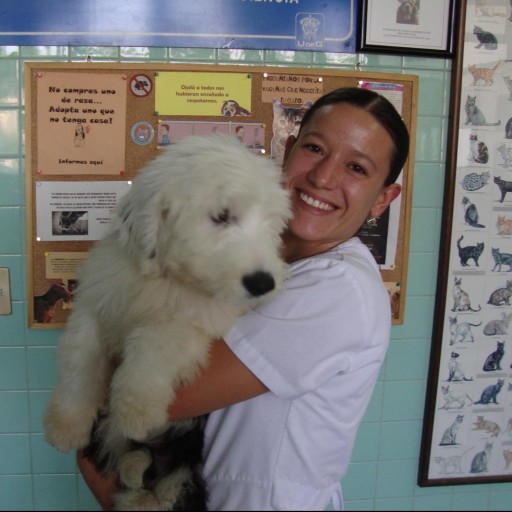
Welcome to our "Ask Dr. Paola" series, where every other Monday we bring expert advice straight from Dr. Paola Cuevas (MVZ) to help our readers better understand their dog's health and well-being.
Whether you're a new pet parent or a seasoned dog lover, Dr. Paola is here to provide answers to your most pressing questions. From nutrition tips and preventive care to troubleshooting common behavioral issues, Dr. Paola is ready to offer insights that will keep your furry friend happy and healthy. Stay tuned for expert guidance on a range of topics that matter most to you and your dog, so you can make informed decisions and provide the best possible care for your canine companion.
Have a question? Send it in here!

HELP! What Does It Mean When a Dog’s Hackles Go Up in Different Places?
“Dear Dr Paola,
I have a question about my dog, Jethro. Sometimes when he alerts, the hackles between his shoulders rise. Other times they are prominent along his lower back. What does each appearance indicate about how he is responding?“
- Stacey
Dear Stacey,
That is a great observation! When a dog’s hackles rise, it is an involuntary response controlled by the autonomic nervous system called piloerection, and it tells us that his arousal level has increased. However, the location of the raised hair does not reliably tell us which emotion a dog is experiencing.
When the hackles rise between his shoulders, it can accompany alertness, excitement, uncertainty, or concern. When they appear along his lower back, the same range of emotional responses is possible. Neither pattern automatically indicates aggression, fear, or a particular level of threat. Think of hackles as a little emotional alarm bell; they tell us Jethro is experiencing heightened arousal, but not exactly why.
Different dogs will respond to different stimuli in different ways, so there’s no ‘one size fits all’ explanation for why different areas are triggered. I would pay close attention to what is happening around him when this occurs. Is he alerting to a stranger approaching the house, another dog walking past, an unfamiliar noise, or something unexpected in the environment? You might want to start keeping a record of what is going on before and after Jethro’s hackles are raised, and whether it’s his shoulders or lower back that is involved.
Combine that context with his facial expression, ear position, tail carriage, posture, muscle tension, and ability to disengage. Looking at the whole picture helps us understand whether Jethro is curious, excited, uncertain, or uncomfortable, and, most importantly, how we can best support him. These details, together with what triggered the alert, give us a much clearer picture of how Jethro is feeling.
I hope this helps!
- Dr. Paola
This article is a part of our weekly Ask Dr. Paola series
Expert dog care, straight to your inbox
Vet-reviewed advice, training tips, and the best of Dogster. Free, and you can unsubscribe anytime.
By signing up, you agree to our Terms & Conditions and Privacy & Cookies Policy.
Dr. Paola Cuevas is our Senior In-House Veterinarian at Dogster and Pangolia. She has over 19 years of experience working with an array of species and loves sharing her knowledge and experience with our readers and aims to provide assistance with any issue presented by your non-human family members. She received her degree from the University of Guadalajara, Mexico.
Her passions are animal welfare and preventive medicine, and has skills in the fields of nutrition, microscopy, clinical pathology, diagnostic imaging, and endoscopy. Paola frequently contributes pet care insight to various media outlets like PetMD, The Daily Record, Parents.com, etc.
Paola is also an animal behaviorist with extensive experience in positive reinforcement animal training.
Join the conversation
Ask a question, share your story, or send private feedback.