What Makes a Good Service Dog? 8 Vet-Reviewed Characteristics


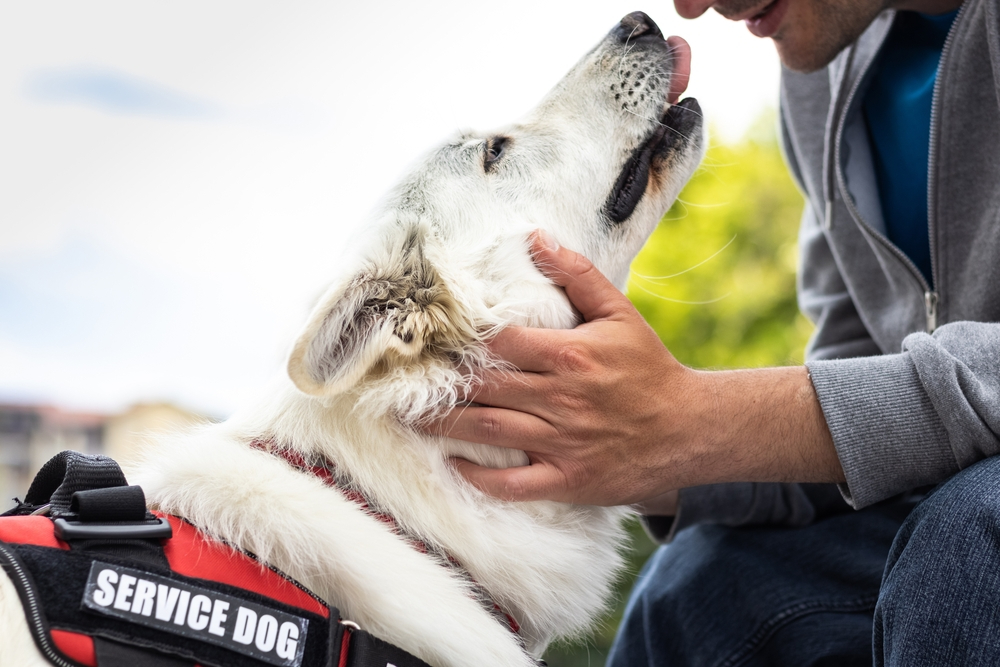
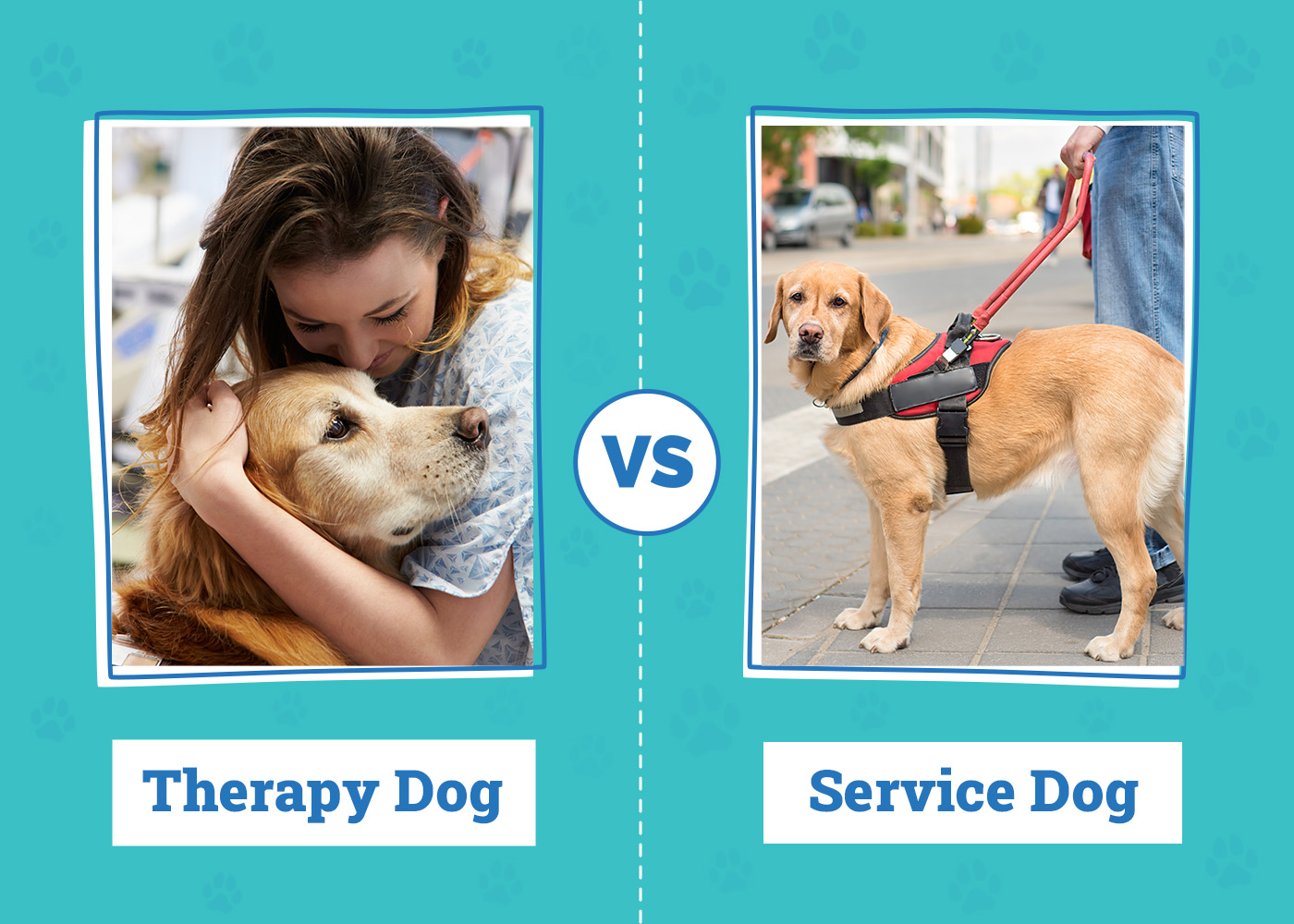
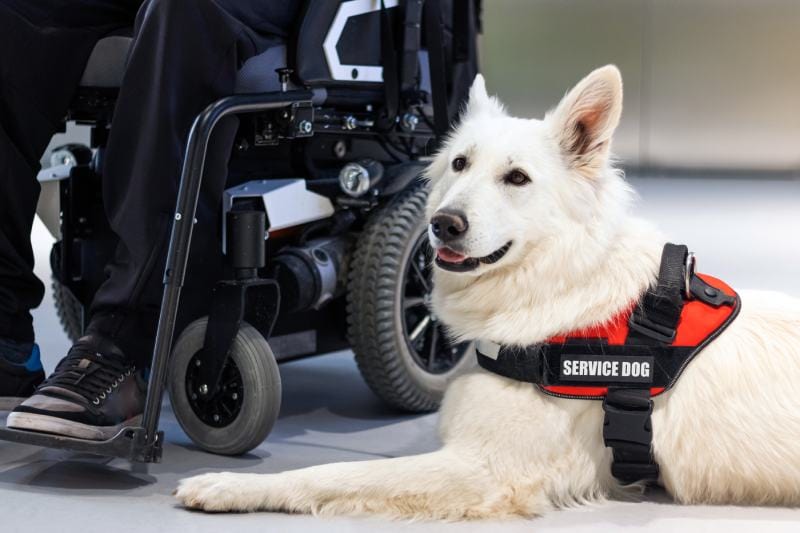
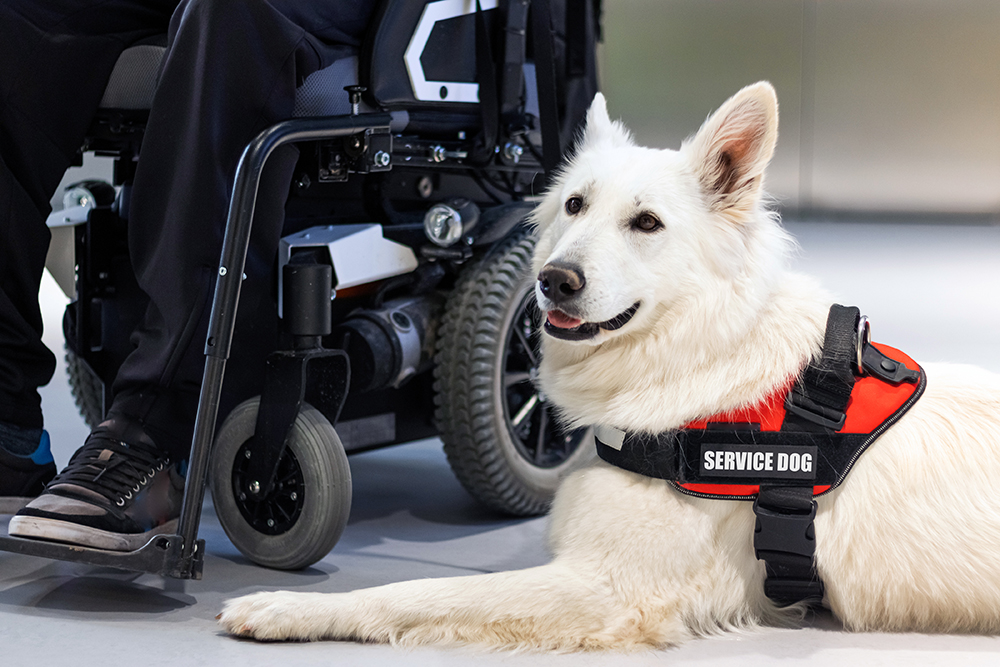
If you have ever seen a service dog in action, it’s easy to see that these dogs are highly trained professionals screened and trained from puppyhood to perform a particular job. From seeing eye dogs, seizure alert dogs, and hearing assistance dogs, a lot goes into molding a successful and well-adjusted service dog. In particular, you might be wondering what the most important traits of a service dog are. Some breeds are better suited to the job as a good service dog should embody the traits and characteristics down below.

The 8 Characteristics That Make a Good Service Dog
1. Intelligence & Trainability
A dog’s trainability is a complex thing. It’s not just the intelligence to memorize many commands in various situations but also the temperament to learn and reliably perform their job. Service dogs often undergo many hours worth of professional training, requiring them to exhibit a repertoire of skills.
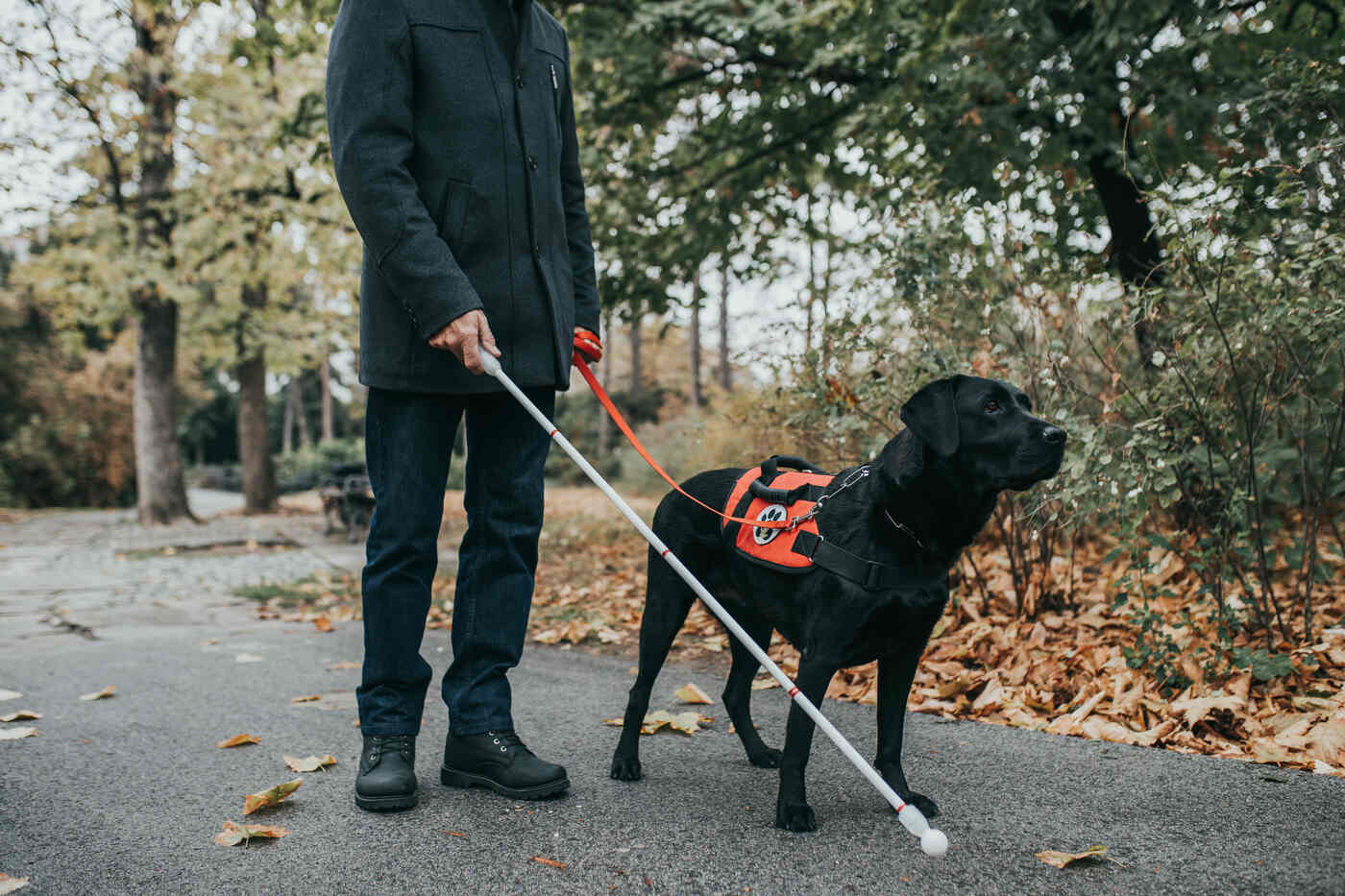
Depending on their job, a dog might learn how to assist a blind person to cross the street, alert a deaf person to people at the door, or myriad other commands. Adaptability is key when training service dogs, and the best can learn new commands with very few repetitions.

2. Calm & Friendly Temperament
Service dogs should not be reactive by nature and need heavy socialization from a young age. They need to be able to do their job around a lot of different types of people while being polite and agreeable.
Service dogs are generally people-oriented but trained to tune out people other than their handler when they are on the job. They dance a fine line between friendly and too friendly—you don’t want your service dog wandering off on the job, after all. It is also essential that a service dog be able to tolerate all manner of critters, from pet dogs to squirrels and more.
3. Eager to Please Their Handler
Breeds like Labrador Retrievers are famously eager to please and make some of the best service dogs. Service dogs shouldn’t be aloof and independent thinkers, but rather, closely attuned to the needs of their handler. This helps with training, too. The most eager dogs are glad to work for treats and learn faster than dogs that need cajoling to learn commands. This eagerness makes them more reliable at remembering and executing commands in a pinch, even during unfamiliar situations.

4. Good Health
Service dogs should undergo strict health screening to make sure candidates are free of any major health conditions that could hinder them on the job. Some of the most important conditions include those that affect mobility.
Service dogs should stay up to date on vaccinations and have regular flea and tick preventatives. Depending on the specific program funding the dog’s training, health requirements may vary. When a service dog can no longer serve because of, say, hip dysplasia, they can retire and live a more relaxed life.
5. Strong Work Ethic
A strong work ethic is vital for any service dog. The dog should be confident and self-assured enough to do their job when their handler is incapacitated or in distress. They can offer invaluable guidance during uncertain situations, like seizure-alert dogs finding medical assistance, and have a strong internal motivation to please their owners by doing their job well.

6. Ability to Tolerate Distractions
One of the most indispensable skills for a service dog is the ability to tolerate distractions. On the go, a service dog needs to be able to be on the watch for obstacles and their handler’s physical state, as well as tune out the people trying to pet them at every turn. They should also be calm enough to ignore other animals and prioritize the needs of their handler. It’s a seriously impressive mental juggling act and one they don’t get nearly enough credit for.
7. Spayed or Neutered
Service dogs are almost always spayed or neutered. Males are neutered to help reduce aggression and territorial behaviors, while females are spayed to prevent them from going intp heat. Neutering/spaying has health benefits for a service dog, too. Specifically, it lowers the risk of developing various life-threatening conditions, like uterine and ovarian cancer for females and testicular cancer for males.

8. Fitness
While not strictly a requirement for all service dogs, good energy levels and fitness are broadly desirable. Some service jobs require a dog to pull a wheelchair or carry objects, for instance, while others don’t require as much physical activity. Either way, these animals will do better if they maintain a healthy weight and get plenty of regular exercise to stay strong.
Conclusion
Service dogs do a number of different jobs for a range of disabled human handlers, requiring a ton of careful canine training and socialization before they are ready to serve. The best service dogs should be intelligent, trainable, eager to please, in good health, and have an unimpeachable work ethic. They should also be spayed/neutered and able to deal with distractions on the job.
See Also:
Featured Image Credit By: SR Productions, Shutterstock
Expert dog care, straight to your inbox
Vet-reviewed advice, training tips, and the best of Dogster. Free, and you can unsubscribe anytime.
By signing up, you agree to our Terms & Conditions and Privacy & Cookies Policy.
Codee Chessher is a freelance writer whose motto is: there is nothing a well-worded sentence can't accomplish! He loves to write about pets, travel, DIY, and more. Codee's experience is varied, but the written word has always been his strongest and biggest passion.
Join the conversation
Ask a question, share your story, or send private feedback.