Dr. Paola Cuevas is our Senior In-House Veterinarian at Dogster and Pangolia. She has over 19 years of experience working with an array of species and loves sharing her knowledge and experience with our readers and aims to provide assistance with any issue presented by your non-human family members. She received her degree from the University of Guadalajara, Mexico.
Her passions are animal welfare and preventive medicine, and has skills in the fields of nutrition, microscopy, clinical pathology, diagnostic imaging, and endoscopy.
Paola frequently contributes pet care insight to various media outlets like PetMD, The Daily Record, Parents.com, etc.
Paola is also an animal behaviorist with extensive experience in positive reinforcement animal training.
The information is current and up-to-date in accordance with the latest veterinarian research.
Learn more
Updated on
Share
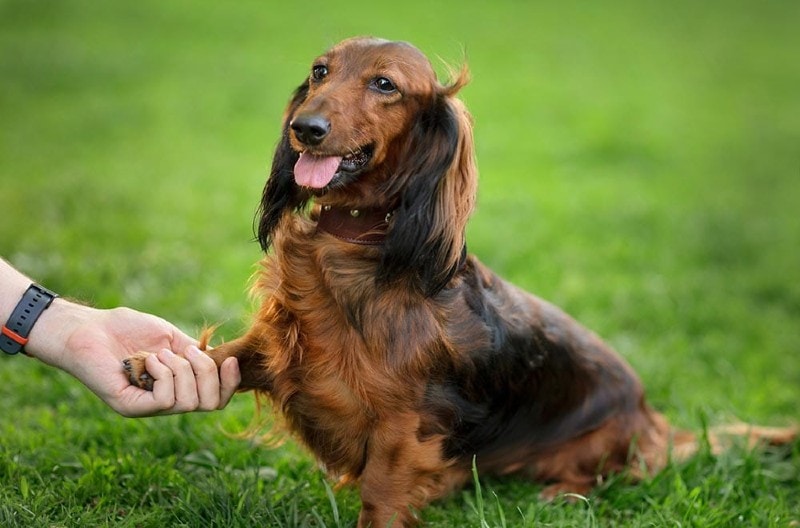
A Dachshund is an affectionate, playful, and loyal pet, and since they are so much fun to have around the house, many people wonder if they can be a service dog. The short answer is yes. While a Dachshund can do a few service jobs well, they are not suitable for other jobs. Keep reading as we explore what a service dog is, how to register one, and discuss the jobs that the Dachshund can do.
What Does a Service Dog Do?
Image by: Yelizaveta Tomashevska, Shutterstock
As the name suggests, a service dog is a trained animal that provides a service to the user. The service can be emotional support or assistance with various tasks around the house. Service dogs can also help visually impaired and hard-of-hearing people get through their day more easily.
Types of Service Dogs
Image Credit: Nicole Tarasuk, Unsplash
Service Dogs
Service dogs primarily help people with some kind of disability or health issue. Some examples include those who are hearing impaired or blind. Service dogs can also alert people to seizures and changes in blood glucose levels. They will know when to bring medicine and alert others about impending seizures, among other specialized and human service-oriented tasks, like reminding a person with clinical depression about taking medication, helping a person in a wheelchair to retrieve objects, and even alerting a person with PTSD about an impending panic attack.
Working Dogs
Working dogs perform tasks in a specific field, like the military or police, and usually act as guard dogs, sniffer dogs, and rescue dogs, among others.
Therapy Dogs
Therapy dogs help people deal with mental illness and stress. They can interact with patients to improve their mood or range of physical motion, and they may also be able to incentivize kids and even adult patients to participate in their physiotherapy.
Emotional-Support Dogs
Emotional support dogs are helpful for people with post-traumatic stress disorder, depression, mental illness, or other problems. Their playful nature can be a great way to reduce stress and improve mood, and taking care of the animal can motivate and cheer up sufferers and get them into a healthy routine.
Is a Dachshund a Good Service Dog?
Image by: Pavel L Photo and Video, Shutterstock
Emotional-Support Dog
If your Dachshund has proper training and a good temperament, they can be a great service dog. They can excel as emotional support animals because their loving, friendly nature can quickly improve their owner’s mood. They also like attention, which can prevent some owners from focusing on the negative aspects of their lives.
Service Dog
The Dachshund can be trained to alert a deaf or hard-of-hearing person when the doorbell rings or a visually impaired person that a crosswalk sign has changed. They also make great seizure-alert pets to help detect early glucose changes and bring medication to their humans.
Dachshunds are also good at detecting ingredients in foods that might cause an allergic reaction, so they’re ideal for children with food allergies.
Working Dogs
The Dachshund has a powerful nose, and you might be able to use them for their tracking abilities if you are a hunter. Dachshunds can also be trained to detect illegal substances, ammunition, or other dangerous or prohibited chemicals, although they are not the usual breed of choice for these tasks.
FAQ
Can a Dachshund Be a Bad Service Dog?
Unfortunately, due to their small size, Dachshunds aren’t good at many of the service jobs on demand. They can’t open doors or operate mechanisms, and many items will be too large to fetch, so they won’t be a good choice for people with certain physical disabilities. Another problem is that Dachshunds can be strong-willed and challenging to train.
What Dogs Can Qualify as Service Dogs?
Under the Americans with Disabilities Act, anyone with a mental or physical disability can apply for a service dog. You will need a prescription from a licensed therapist or psychologist to get an emotional support dog, which is usually a letter stating that you would benefit from owning the animal.
Image Credit: Olga Murzina, Shutterstock
How Do I Get a Dachshund Service Dog?
To get a Dachshund service dog, you either need to purchase one as a puppy and train them or buy one that has already received training. It’s typically easier to purchase a trained dog because they will be ready to get to work. However, you must buy an untrained puppy if none are available. We recommend hiring a professional trainer or agency to ensure your service animal will do their job correctly so there is less risk of something going wrong.
A Dachshund can make a great service dog, providing their owner with a wide range of services. They’re also perfect as emotional-support animals because they’re loving and playful, but they can also alert people who are hearing impaired if a doorbell or phone rings. They can help visually impaired people and alert children to dangerous ingredients in their food, or even be working dogs and help hunters catch their prey. However, the Dachshund’s small size makes them unsuitable for opening doors or working the mechanisms that people who are physically disabled often require help with.
Featured Image Credit: Leka Sergeeva, Shutterstock
Ed Malaker is a seasoned writer who has contributed to a wide range of blogs covering everything from tools to guitars, and pets to fitness. When Ed isn't writing, he is usually making DIY projects around the house or working in the garden.
Eggs are a nutritious (and tasty) part of most people’s breakfasts, so you might wonder if they can be a part of your dog’s diet too. The answer is yes, they can! However, you need to purchase pasteurized in-shell eggs...
There are tons of dog foods out there—so much so that some pet stores have almost half of their floor space dedicated to it. One type of dog food that doesn’t get a lot of coverage, though, is low-sodium dog...
Blue Buffalo is a famous dog food brand with many recipes for optimal canine health. There are tons of options in recipes, treats, and other supplements. If you have any kitties—they even have quite a comprehensive cat food line. But...
Grain-free diets have been all the rage in the pet industry lately, but are they safe or even necessary? Most vets only recommend a grain-free diet for their pet if it has been proven that the pet in question does...
Some dogs eat their food very quickly. But how fast is too fast? It might just seem like your dog is hungry or enjoys their food, but eating too fast can be harmful for your dog. Fast eating is a...
We all know how important our dog’s diet is to their health and wellbeing. There are mountains of information regarding the perils of canine obesity, and the health problems associated with it. However, we tend to see decidedly less information...
Our pets can eat all sorts of goodies that we can prepare from the comfort of our own kitchens. However, when it comes to sweets, it isn’t always the best idea to share with our four-legged friends. Licorice is not...
Hash browns are a breakfast staple that we often eat alongside eggs, bacon, and sausage. It’s no surprise that your dog may be drooling over the smell of your delicious breakfast, but is it okay to let your pup indulge...
Stay informed with expert pet care insights delivered straight to your inbox! Discover professional guidance on animal behavior, feeding tips, trusted product picks, and much more.
You may opt-out at any time. View our Privacy Policy for more information.
Sign up for the Dogster Email Newsletter
You may opt-out at any time. View our Privacy Policy for more information.
You may opt-out at any time. View our Privacy Policy for more information.









 What Does a Service Dog Do?