


You catch your dog mid-crunch in the backyard, mandibles working overtime on something small and wriggling. A cricket. A beetle. You wince, but your dog? They’re in heaven.
Turns out, your instinct to be grossed out might be outdated. Insects aren’t just accidental snacks anymore. They’re showing up as the main ingredient in actual dog food. Cricket kibble. Grub-based recipes. And no, this isn’t some fringe experiment. Insect-based dog food is becoming a legitimate option for pet parents across the U.S. and Canada.
But is it safe? Will your dog actually get the nutrition they need? And more importantly, will they even eat it?

What Insect-Based Dog Food Actually Is

Let’s be clear: you’re not dumping a pile of live crickets into your dog’s bowl. Insect-based dog food uses crickets or grubs as the primary protein source, processed and formulated to meet the nutritional standards dogs need at different life stages.
Puppies require about 22% protein in their diet. Adults need around 18%. Too much, over 30%, can actually cause problems. Insects are protein-dense enough to hit these targets, but the food still needs to be balanced with fats, carbohydrates, vitamins, and minerals. A cricket alone isn’t a complete meal. A well-formulated cricket-based kibble can be.
Is Insect Protein Actually Safe?
Yes, with a caveat. Studies suggest that crickets and grubs provide high-quality protein that dogs can digest and thrive on. For most dogs, insect protein is a viable alternative to beef, chicken, or lamb.
The caveat? Long-term research is still catching up. We don’t yet have decades of data on what happens when dogs eat insect-based diets for their entire lives. But based on what we know now, insect protein is generally safe and nutritionally sound for healthy dogs.

Why People Are Choosing Bug-Based Food
The appeal goes beyond just “it works.” There are a few reasons insect protein is gaining traction.
- It’s dramatically more sustainable. Farming insects requires a fraction of the water, land, and resources needed to raise cattle or poultry. If environmental impact matters to you, this is one of the most eco-friendly protein sources available.
- It sidesteps ethical concerns. Some pet parents aren’t comfortable with conventional livestock farming practices. Insects offer a way to feed their dog without supporting those systems.
- It works for dogs with allergies. Dogs allergic to beef, chicken, or fish may tolerate insect protein without any issues. It’s a true novel protein—meaning most dogs haven’t been exposed to it before, which reduces the chance of triggering a reaction.
In short, insect-based dog food can be kinder to the planet and easier on sensitive stomachs.
The Downsides You Need to Know
Insect-based dog food isn’t without drawbacks. For one, it’s expensive and not always easy to find. Many brands are only available online and sold in smaller bags, which drives up the cost compared to traditional kibble.
Your dog might also hate it. Dogs have preferences, and some will turn their nose up at insect-based food no matter how nutritious it is. Taste matters, and not every pup will be on board.
There’s also a potential concern for dogs with shellfish allergies. Insect proteins share some similarities with shellfish proteins, so allergic reactions are possible. If your dog has known shellfish sensitivities, proceed with caution and consult your vet first.
Finally, we’re still learning about long-term risks. Questions around bacterial contamination, antibiotic resistance, and other health impacts haven’t been fully answered yet. That doesn’t mean the food is unsafe—it just means the research is ongoing.
How to Switch Your Dog to Insect-Based Food
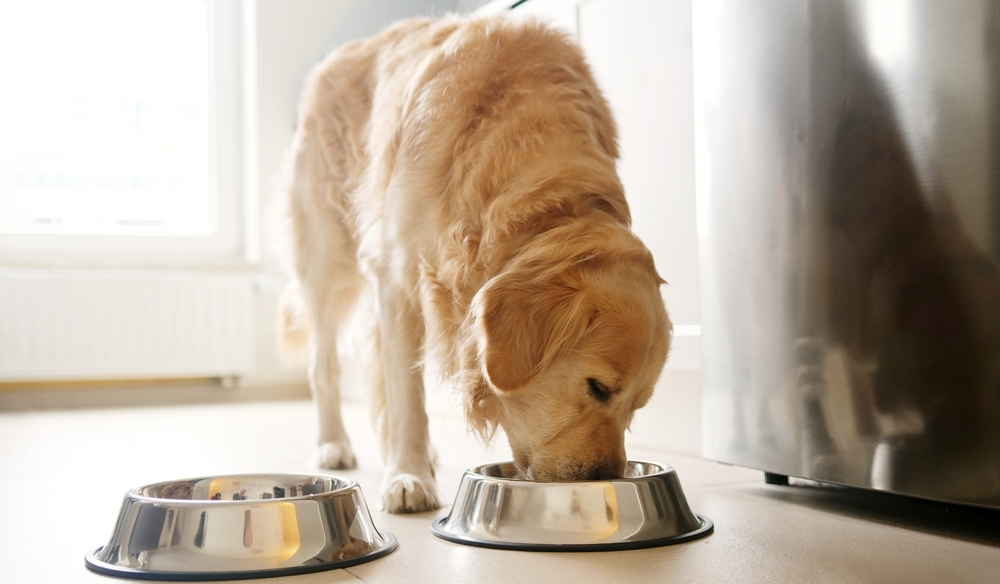
If you decide to try it, don’t just swap out your dog’s food overnight. Even healthy dogs can get upset stomachs from sudden diet changes. The safest approach is a gradual transition over 5 to 7 days.
- Start slow: Mix 25% insect-based food with 75% of your dog’s current food on Day 1.
- Gradually increase: Over the next several days, slowly raise the proportion of insect-based food until your dog is eating 100%.
- Watch for reactions: Monitor your dog’s energy, stool quality, and appetite throughout the transition.
And before you make any dietary changes, especially if your dog has health conditions or a history of food sensitivities, check with your vet first.
Is It Right for Your Dog?
Insect protein is part of a growing category of novel proteins that also includes venison, bison, and even alligator. It’s particularly useful for dogs with food allergies, but it does come with a higher price tag.
If you’re considering it, look for brands that follow AAFCO (Association of American Feed Control Officials) guidelines. These standards ensure the food meets basic nutritional requirements for dogs. Transition gradually. And talk to your vet, especially if you have any concerns about your dog’s individual health needs.
Many dogs do great on insect-based diets. It’s safe, it’s sustainable, and for some pups, it solves problems that traditional proteins couldn’t.

The Bottom Line
Insect-based dog food might sound strange at first, but it’s a legitimate, vet-approved option for many dogs. With proper guidance, a slow introduction, and attention to quality, your dog can eat a protein-packed diet that’s also good for the planet.
Trying something new doesn’t have to be risky. Sometimes it’s just the next step in figuring out what works best for your dog and the world they live in.
Feature Image Credit: Chendongshan, Shutterstock
Did You Know?
 What Insect-Based Dog Food Actually Is

























2 Responses
Trying to feed my dog home cooked or raw and i was told 80% protein ratio you are saying 18%?
Hello Allacen,
thank you for your question. I believe there may have been a bit of a confusion between ingredient percentages and macronutrient percentages. What you are referring to as 80% is a ratio of muscle meats and organs in raw meats, however, this is different from nutrients in a macronutrient analysis of dry matter.
We have a great article about this, which should make things clear:
How to Calculate Pet Food Dry Matter Basis (With Calculator) – https://www.dogster.com/dog-nutrition/how-to-calculate-pet-food-dry-matter-basis-with-calculator
If you still wouldn't be sure or have some questions, you can book a 20-minute video call appointment with one of our veterinarians from www.PangoVet.com. They will be happy to explain the differences and guide you through the process of feeding raw diet to your dog.