Intervertebral Disc Disease in Dogs: Signs, Causes & Diagnosis (Vet Answer)

In this article
View 5 More +Your dog's back is painful, or they suddenly have trouble getting around. You know that Dachshunds are predisposed to back problems. Is that what's going on with your pup? Let's take a look at Intervertebral disc disease and what it means for your dog.

What Is Intervertebral Disc Disease in Dogs?
Intervertebral disc disease is also referred to as IVDD or degenerative disc disease. As the latter name suggests, it is a degenerative condition. Your dog's spinal cord runs through a channel in the vertebrae. At intervals, shock-absorbing discs are present. Over time, these discs can harden and become less flexible. Intervertebral disc disease occurs when one or more discs start to bulge, rupture, or herniate into the spinal cord. This puts pressure on the nerves of the spinal cord and can cause problems with them.
What Are the Signs of Intervertebral Disc Disease in Dogs?
Intervertebral disc disease can occur anywhere in the spinal column. The signs you and your vet will see depend on where the disc herniation occurs.
In general, dogs may experience pain in the area around their back where the disc herniation occurred. They might not be able to walk or feel pressure applied to one or more paws. Some dogs will have muscle spasms, especially near the site of the disc herniation.

Intervertebral Disc Disease in the Cervical Region (Neck)
- Head held low and not attempting to lift it
- Holding head up and not wanting to lower it
- Reluctant to turn head
- Unable to feel pressure applied to any paw
- Knuckling over on any paw
Intervertebral Disc Disease in the Thoracolumbar Spine or Back
- Typically affects the hind legs
- Knuckling over on one or both hind paws
- Crossing hind legs when walking
- Unable to use hind legs
Intervertebral Disc Disease in the Lumbosacral Spine or Lower Back
- A limp tail that the pet is unable to lift or wag
- Loss of bladder or fecal control
If you’re concerned about your pet’s well-being, we recommend you contact a veterinarian.
What Are the Causes of Intervertebral Disc Disease in Dogs?
Intervertebral disc disease typically occurs in older dogs, where the cushioning discs around the spinal cord degenerate or harden. As they become less flexible, it's easier for the discs to bulge or herniate. They move through the path of least resistance directly into the spinal column, where they can put pressure on the spinal cord. In some cases, there is no known injury or exacerbating cause. Sometimes, a pet will jump or twist and herniate a disc.
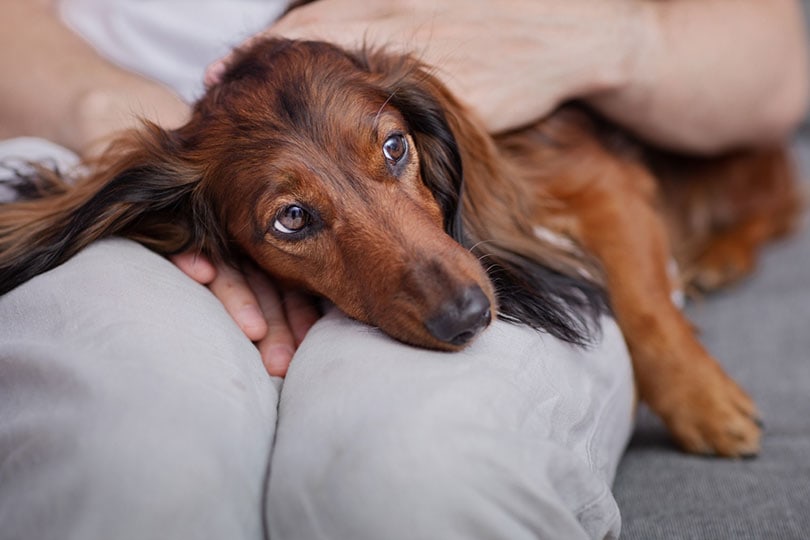
Some dog breeds are more likely than others to develop intervertebral disc disease. Chondrodysplastic breeds, such as Corgis and Dachshunds, are the most commonly affected. Other breeds include:
- Miniature and toy poodles
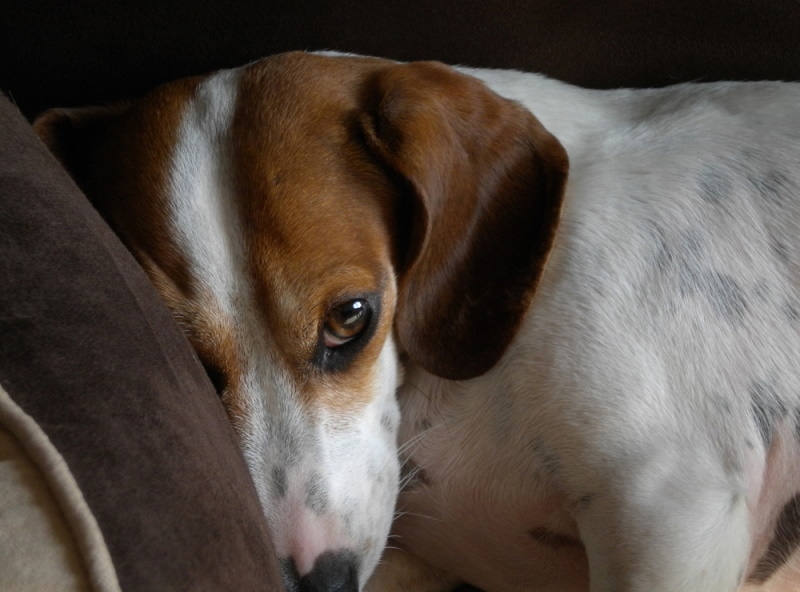
- Beagles
- Cocker spaniels
- Doberman pinschers
- German shepherds
- Pekingese
- Lhasa apsos
Diagnosing Intervertebral Disc Disease in Your Dog
If your dog shows any signs consistent with intervertebral disc disease, you need to take your dog to the vet immediately. Time may be of the essence, and every delay could lead to irreversible neurological damage. Your veterinarian will start with a thorough physical exam and neurologic exam. The vet will put your dog through several motions, including looking at reflexes, conscious proprioception, withdrawal, and pain responses.
A set of radiographs (X-rays) may suggest an area where disc herniation has occurred, but unless the discs are calcified, they won't usually show up on radiographs. You very well look for narrowing of disc spaces as well.
Ideally, your dog will need advanced imaging, usually an MRI, although sometimes a CT is used. Most general practice veterinarians do not have these tools in their hospital, so you'll likely be referred to a specialty hospital.

How Do I Care for a Dog With Intervertebral Disc Disease?
Mild Cases of Intervertebral Disc Disease
If your veterinarian feels your dog's case could be managed with rest and pain medication, they will often try that first. Your veterinarian might prescribe either a steroid like prednisone or a non-steroidal anti-inflammatory such as Rimadyl (carprofen). They may also prescribe an additional pain medication, such as gabapentin. A muscle relaxer like methocarbamol may be beneficial if your dog has muscle spasms.
Your dog will need strict activity restrictions. They will need to be crated with periodic short leash walks. You should not use a collar. A harness is preferable to distribute pressure. Your dog should not run loose in the house or yard.
Severe Cases of Intervertebral Disc Disease
Some dogs require surgical intervention to preserve their neurologic function. This highly specialized surgery involves a veterinarian removing the bulging disc to reduce pressure on the spinal cord.
During recovery from surgery, your dog will be on anti-inflammatories and require strict activity restrictions. Your dog will likely need an e-collar to prevent traumatizing the incision.
Physical therapy is often recommended after intervertebral disc surgery. This rehabilitation may take several forms. Your veterinarian may walk you through a passive range of motion exercises for you to manipulate your dog's limbs. The vet might also refer you to a clinic that can perform rehabilitation therapies, such as underwater treadmill walking or laser therapy, to decrease inflammation.
Frequently Asked Questions
Can Dogs Recover From Intervertebral Disc Disease?
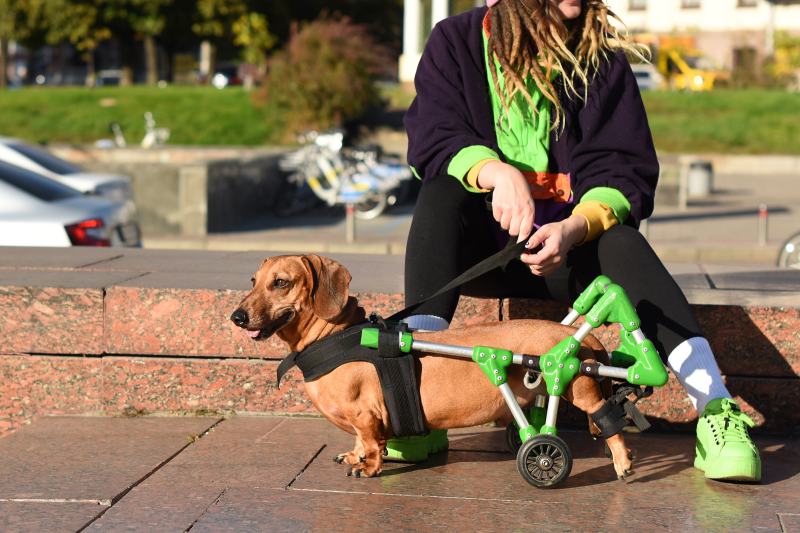
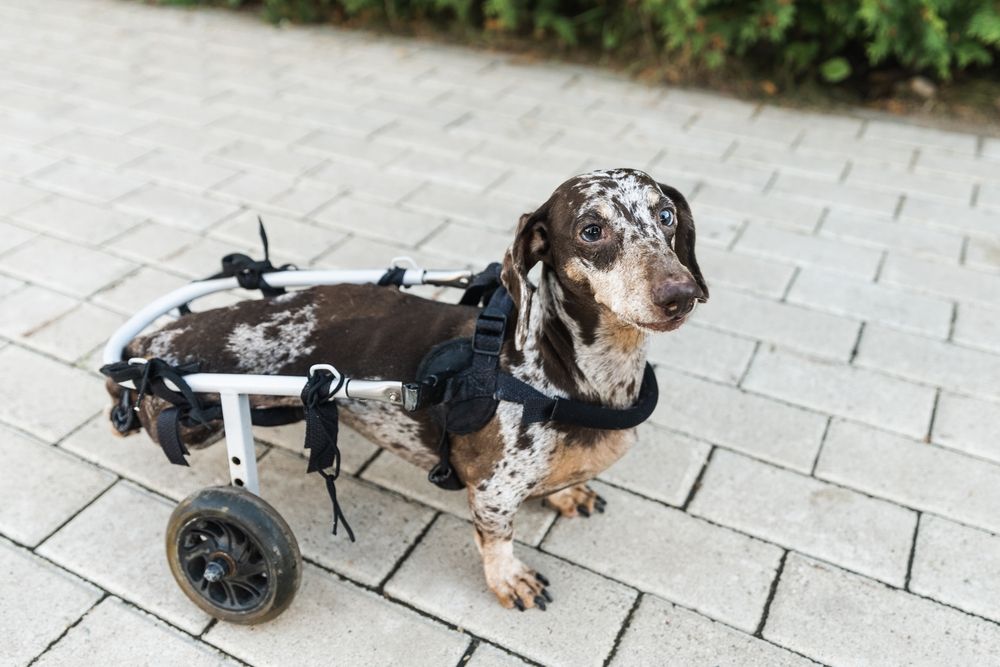
Dogs will typically recover uneventfully from mild cases of IVDD. More severe cases require more intensive management, and dogs do not always recover with full neurologic function. In these cases, a wheelchair might be an option to help keep your dog mobile.
Is Walking Bad for Dogs With IVDD?
Short, controlled leash walks are helpful for dogs with IVDD. They allow them to stretch their legs carefully and urinate or defecate outside. Your dog should be walked on a harness rather than a collar. You may need assistance when they walk using a sling or towel around their belly.

Conclusion
It's scary when our pets don't feel well, and intervertebral disc disease can be incredibly stressful since your dog may have pain and neurologic issues. Seek veterinary care when you notice any problems so your dog can be assessed immediately, as time is often of the essence.
Sources
Featured Image Credit: Vlad Linev, Shutterstock
Expert dog care, straight to your inbox
News, insights, expert advice, and everything dog.

No spam — unsubscribe anytime.
By signing up, you agree to our Terms & Conditions and Privacy & Cookies Policy.
How useful was this post?
Click a star to rate. You can leave written feedback afterwards. (We read all feedback.)
Dr. Samantha Devine DVM (Veterinarian)
Dr. Samantha Devine is a practicing veterinarian who enjoys caring for animals and sharing her knowledge with pet owners. Preventative care, ranging from nutrition to vaccination, is her specialty and passion!
With over 12 years of veterinary experience, Dr. Devine has extensive knowledge to share about small animal medicine, horses, aquatic species, and even zoo animals. She has also been writing for online pet sites for most of that time.