In this article
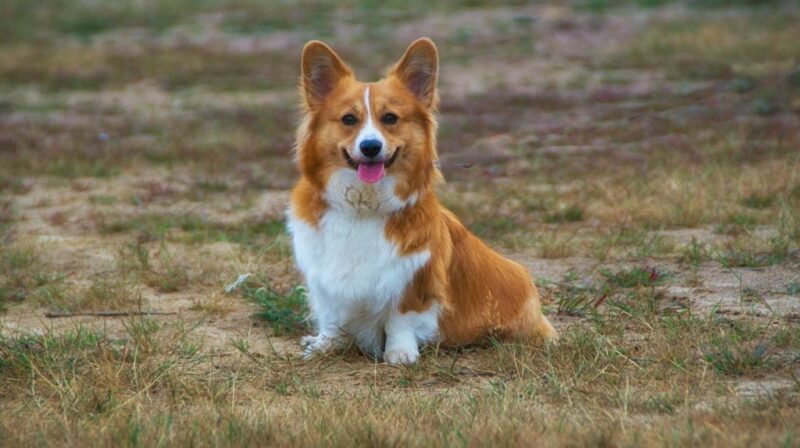
Corgis are adorably small dogs that are usually between 9–11 inches tall and weigh between 22–44 pounds. This dog breed is known for its short legs, medium-sized bodies, pointy ears, and long, fluffy tails that are often docked to prevent injuries.
Corgis are highly intelligent, making them easy to train, and are great for families with children. These smart pups can be trained to do a variety of activities, including competing in agility competitions and bringing joy to nursing homes with their visitations. But why are their legs so short? It’s believed that the short legs are due to herding instincts. Let’s discuss.

So, Why Do Corgis Have Short Legs?
It is not known for certain why Corgis have short legs, but it is believed that the short legs are due to the herding instincts of the Corgi. Corgis were bred to herd cattle, and it is believed that shorter legs were an adaptation that made it easier for them to climb in and out of the cows’ stables.
Corgis bred with long-legged dogs may have then passed their long-legged genetic code on to their puppies, but the short-legged Corgis were able to climb into the stables better and were more successful in the field. This ultimately resulted in the shortness of legs being passed down to the Corgi breed.

Are Corgis Good Guard Dogs?
Yes, they are. Corgis make awesome guard dogs. Their alertness, loyalty, intelligence, and hard-working nature make them perfect for the task. These family dogs are friendly, have good hearing, and have been bred to be great working dogs – remember, they were originally herding dogs.
Corgis thrive when they have something to do and are occupied. In fact, you may find that if your dog doesn’t get at least an hour of physical activity every day that it may go a bit stir-crazy, destroying things within your house (i.e., shoes, furniture, drapes, etc.).
But it’s important to note that there are many factors that determine the qualities of a dog and whether they’ll make a good guard dog. This includes their upbringing, training, individual personality, and their temperament. Corgis are agile, fast, and fearless.
However, some Corgis may not be interested in being guard dogs, but this is extremely rare due to the temperament and nature of the breed. Corgis will bark at every sound, thing, and everyone. You may be surprised to find that they have a fairly loud bark, given their small stature. However, this is a trait that is very useful for guard dogs. The best way to guarantee that your Corgi makes for a great guard dog is to give good quality training.


How to Train a Corgi
Training a Corgi can be as easy, especially if you start while the pup is young. While some people may believe that these little dogs are so small, they do not require training, the truth is that they need it just as much as any other dog – and they definitely need it if you want them to be a guard dog.
Corgis are inquisitive, intelligent, and independent dogs. They respond well to positive reinforcement, which makes training them fun and stress-free for you and your pup. Here are a few tips to help you train a Corgi the right way.
Establish Set Rules and Boundaries
When you decide to bring a dog into your home, you are also deciding to become a parent to a small child in many ways. If you establish rules and boundaries from the beginning, your Corgi will be a much happier and more well-adjusted pup.
As a general rule of thumb, you should always make sure that you are being consistent with your rules and boundaries. This means establishing any physical boundaries in your home, setting up potty training basics, minimizing barking, and teaching social boundaries with strangers and other dogs.

Teach Basic Commands
The first thing you should do when you bring your Corgi home is to start teaching it the basics of obedience. This means teaching him things like “sit”, “stay”, “come”, “down”, and “no”. These are the most important obedience commands that you can teach your dog. You will find that these are helpful in almost every situation.
A Corgi that knows these commands will be much easier to train and have fewer behavioral issues. And the best way to teach these basic commands is with positive reinforcement. This means that you should always use treats or verbal praise as rewards for your Corgi. Be sure to only give your Corgi one treat at a time and only praise him if he does something correctly.
How to Stop Corgi from Pulling
Corgis are known for their love of running and other daily activities. These dogs were bred to help farmers with herding and therefore, they’re sort of used to running around a lot and being very active. So, if you’re walking your Corgi, there is a good chance that he will want to pull on the leash and run around.
If your Corgi loves to run and pull, the best way to stop it is to use a training collar. There are many types of collars available for dogs, and one of the best kinds of training collars for Corgis is the no-pull harness. This type of harness works by applying pressure to your dog’s chest (as opposed to its neck) when he tugs on the leash.

How to Teach Corgi to “Come”
Corgis are very intelligent dogs, but if you’ve ever tried to call one when it’s running away or playing, you may have noticed that they don’t always come. This is especially true in highly distracting environments. Thankfully, you can train your Corgi to come when you call it by using positive reinforcement.
When you want to train your Corgi to “come”, you first need to find a quiet place where there aren’t a lot of distractions. Try to find a park with few people, a backyard where there are no kids or pets, or a quiet area on a residential street.
When you find your training space, call your Corgi and then praise and treat it when it comes to you. You can then give your Corgi a little rest, and then repeat the process (which may take weeks) until it learns that it needs to come to you every time you call it.

How to Teach a Corgi to “Stay”
There are many reasons why you would want to teach your corgi to “Stay”. Perhaps, you want to let it outside, but you do not want it to run away. Maybe you want to finish cleaning up the kitchen with minimal interruptions. Corgis are very curious and love to explore.
They also love to be the center of attention. This means that if you let your Corgi wander around the house, it may try to steal the show and jump on guests or run away. To train your Corgi to “stay”, you first need to find a quiet place that has minimal distractions.
This can be a backyard with few people, a quiet street, or an empty room in your home. Next, simply call your Corgi, and then give it a command to “stay” where it is. And when you call your Corgi, make sure you’re in a place where the pup can actually see you.
Wrapping Things Up
In summary, Corgis have short legs because they were bred to herd cattle. It was necessary for them to climb into stables, and short legs aided in this. And they were then bred with other short-legged dogs for many generations. This resulted in short-legged Corgis being passed down to the next generation and exported to other countries.
Corgis are great dogs to have around the house, and they’re really easy to train. Corgis are intelligent and respond well to positive reinforcement, which makes training them fun. By training your Corgi and establishing rules from the beginning, you will have a much happier and well-adjusted pet.
Featured Image Credit: Michel_van_der_Vegt, Pixabay