Get

In Your Inbox

Dogster is reader-supported. When you buy via links on our site, we may earn an affiliate commission at no cost to you. Learn more.

Discoid Lupus Erythematosus (DLE) in Dogs: Our Vet Explains the Causes, Signs & Care

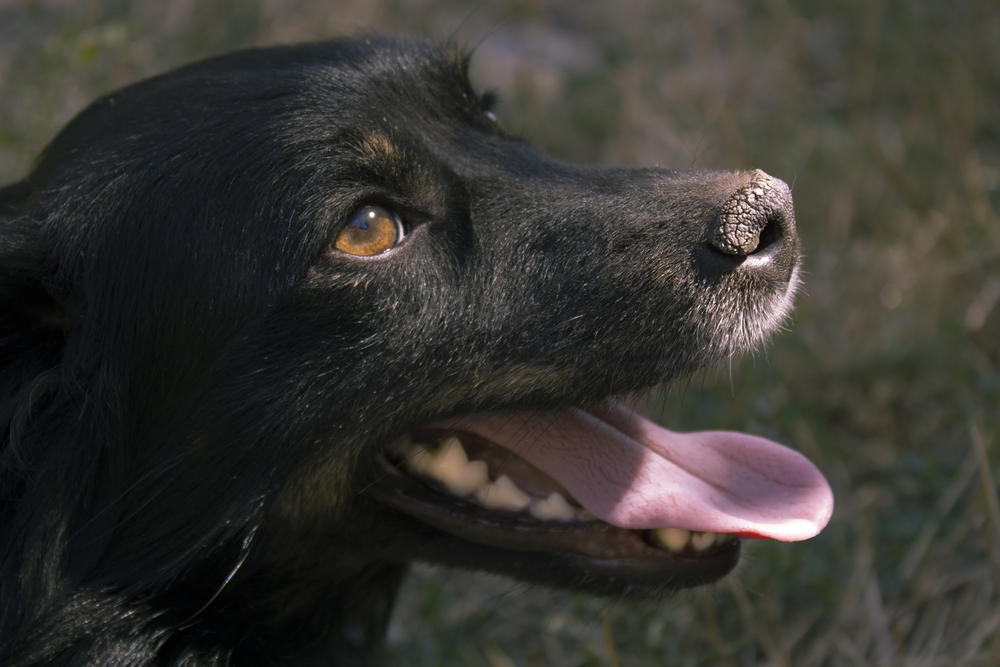
beautiful black dog have dry mud on his nose

Most people associate the term “lupus” with the severe auto-immune disease that affects people; this form of lupus is systemic, meaning it reaches many different organs in the body. Thankfully, the most common form of lupus in dogs is not as severe or life-threatening. The canine lupus to which we are referring is discoid lupus erythematosus (DLE).

This is an immune-mediated (or auto-immune) condition that is generally confined to the nose and skin. This article will explain what DLE is, what we know and do not know about it, and how to care for a dog afflicted by this condition.

divider single dog paw oct 2024

What is Discoid Lupus Erythematosus in Dogs?

DLE is an auto-immune condition in which the body starts attacking its own DNA. It is also sometimes referred to as cutaneous lupus erythematosus—cutaneous meaning it is confined to the skin. In DLE, the body is not going around attacking the DNA in all cells of the body.

Rather, the immune system identifies floating DNA in dead skin cells and targets its attack here. Most dogs are affected only on the nose, where DLE causes skin to slough or fall off.

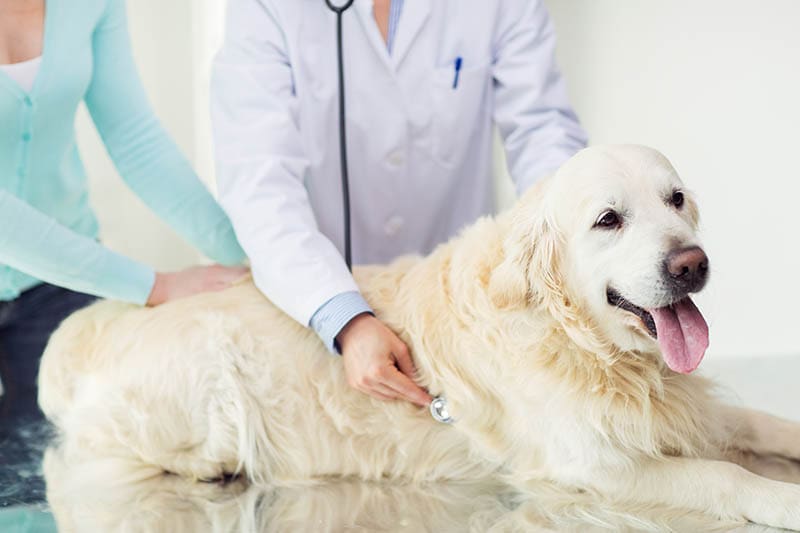
Vet examining a Siberian Husky puppy
Image Credit: VGstockstudio, Shutterstock

What Are the Signs of Discoid Lupus Erythematosus in Dogs?

Signs of DLE generally occur around the face and nose.

Common signs include:
  • Loss of normal “cobblestone” appearance of the nose
  • Loss of pigmentation of the nose
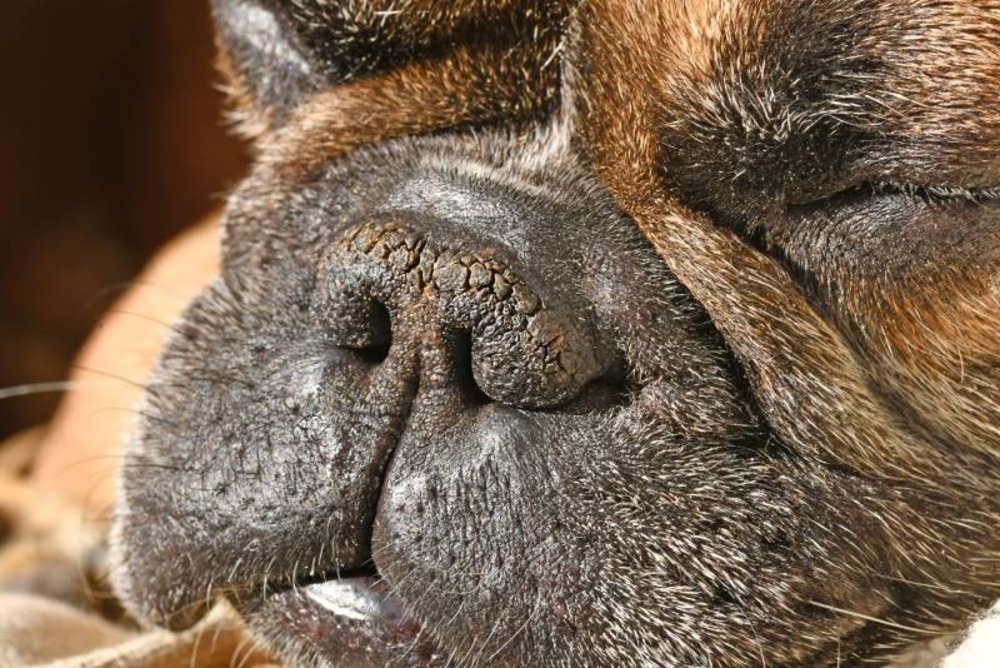
  • Crusting and thickening of the skin on the nose
  • Ulceration and bleeding from the nose
  • Pain and discomfort at the nose

While the vast majority of cases will affect only the nose, some dogs will develop similar lesions on the skin around their eyes, and on the footpads.

What Are the Causes of Discoid Lupus Erythematosus in Dogs?

In short, we still do not understand what exactly causes DLE in dogs. It is known to be an auto-immune condition, meaning the immune system mounts an inappropriate response to its own cells. For some reason, the body recognizes the DNA in dead skin cells as foreign material and attempts to get rid of it.

We also know that certain breeds appear more prone to developing DLE than others. German Shorthaired Pointers (GSP), German Shepherd Dogs, Collies, and Shetland Sheepdogs are affected by DLE most commonly. It is important to note, however, that DLE can affect any breed of dog.

Additionally, DLE is both associated with and aggravated by, ultraviolet light (UV light). This is a form of radiation emitted by the sun, so dogs that spend lots of time outdoors during the day may be more likely to acquire DLE.

dry nose in a dog
Image Credit: Anna_Sokolinska, Shutterstock

divider single dog paw oct 2024

How Do I Care for a Dog with Discoid Lupus Erythematosus?

If you have noticed changes around your dog’s nose, arrange a consultation with your veterinarian. They will discuss the different diagnostic and treatment options with you.

If you need to speak with a vet but can't get to one, head over to PangoVet. It's our online service where you can talk to a vet online and get the advice you need for your dog — all at an affordable price!

PangoVet_Mention-in-Content Savings V1

In general, treatment of DLE constitutes some combination of the below therapies:
  • Topical medications. Topical medications refer to those applied directly to the nose. Tacrolimus or steroid ointments can be effective, either by themselves or in conjunction with the below medications. The challenge with topical medications is that dogs have a tendency to lick them off the nose before they can be absorbed.
  • Immune suppression. This refers to tablets or capsules given orally to shut off the body’s immune response to its own DNA. Prednisolone and cyclosporine can both be used. Side effects are relatively common and should be discussed with your veterinarian.
  • Vitamin supplementation. Many vets and vet dermatologists recommend niacinamide for dogs suffering from DLE. This is a B-vitamin supplement that has been used in conjunction with doxycycline (an antibiotic) to achieve good results.
  • Antibiotics. Some dogs with DLE will have secondary skin infections of the nose. This occurs because the skin barrier is broken and compromised, allowing bacteria to enter and cause infection.
  • UV light exposure. As we mentioned, UV light is known to trigger and aggravate DLE. Though it is certainly challenging, keeping dogs indoors during the sunny hours of the day is an important part of keeping DLE at bay.

There are two important factors to consider when treating DLE. Firstly, this is a lifelong condition; while there is no cure, it can usually be successfully managed with minimal or zero signs of disease.

Secondly, every dog requires slightly different treatment. What works for one dog may not work for another dog, so “trial and error” is an important part of finding the right treatment protocol.

divider dog paws oct 2024

Frequently Asked Questions (FAQ)

How is DLE diagnosed?

DLE is diagnosed via a biopsy of some tissue on the nose. This requires general anesthesia. Samples are then sent to the laboratory for analysis by a pathologist. Biopsy is an important part of diagnosing DLE, and then establishing an effective treatment plan. This is because other conditions, including pemphigus, ringworm, and deep-skin infections, can appear similar to DLE, though they are treated very differently.

How Long Does Treatment Take?

There is no cure for DLE, meaning it needs to be managed for life. Once the initial lesions are under control, your vet will begin tapering the medications to find the lowest effective dose of each that will keep your dog free of any of the signs of DLE.

What Is the Prognosis for Dogs with DLE?

The prognosis for dogs with DLE is very good. Most dogs can be managed successfully for life, with only the occasional flare-up of nose lesions. DLE is not a life-threatening condition, though it will cause dogs significant pain and itchiness if left untreated.

divider dog paws 3 oct 2024

Conclusion

Discoid lupus erythematosus is an auto-immune condition causing crusting and ulceration of a dog’s nose. Prompt diagnosis and effective treatment require you to work closely with your veterinarian. This condition can usually be well managed.


Featured Image Credit: Alexandra Morosanu, Shutterstock

Want content like this delivered to you?

Sign Up For Our Newsletter

News, insights, expert advice, and everything dog

* By submitting, you agree to our Terms & Conditions and Privacy & Cookies Policy.

How useful was this post?

Click on a star to rate (you can leave written feedback after clicking submit)

Help us improve Dogster for pet parents!

Your feedback really matters.

What did you like about this post? Also how can we improve it?

Join the conversation

Leave a Reply

You’re very welcome to leave a comment or question. Please know that all comments must meet our community guidelines, and your email address will NOT be published. Let’s have a positive and constructive conversation.

Talk With A Vet Online

Peace of mind,
anywhere, anytime

Affordable vet advice

Dog Paw Anatomy: Vet-Approved Facts & Shape Explanation

A dog’s paws play a huge role in their everyday lives. Healthy paws are essential for walking and running comfortably, the pads act...

Saint Pyrenees (Saint Bernard & Great Pyrenees Mix): Info, Pictures & Care

The Saint Pyrenees is a mixed breed with Saint Bernard and Great Pyrenees parentage. With ancestors like that, it’s no wonder that Saint...

When Is the Best Time to Spay or Neuter Your Dog? Vet-Approved Timeline

Spaying and neutering have a laundry list of benefits that definitely outweigh the disadvantages. So, for many pet parents, it’s not a matter...

Why Is My Dog Pooping More After Changing Food? Our Vet Answers

Different types of dog food contain different ingredients. Changing what goes into your dog’s mouth can affect what’s coming out the other end...

More related

Lancashire Heeler Dog Breed: Info, Pictures, Facts, & Traits

Lancashire Heelers are one of the smallest Heelers in the world known for their charming temperaments. They originate from England and were developed...

Can a Dog Have PTSD? Vet-Approved Causes, Signs & Care

We have all heard about humans developing post-traumatic stress disorder, or PTSD. However, it wasn’t until recently that we started hearing about the...

How Many Puppies Can a French Bulldog Have? Vet-Verified Average Litter Size & Pregnancy Info

French Bulldogs certainly are an interesting breed. They are one of the most popular dogs for a reason, touting the squishiest, cutest faces,...

Easy Walk Harness: Instructions & Selecting the Right Type

Do you have a dog who has a habit of pulling at their leash every time you’re out for a walk? Maybe they...

Keep reading

Can Dogs Eat Tater Tots? Vet-Approved Facts & FAQ

Chances are that you didn’t feed your dog tater tots on purpose, but if they got into a few that were left out, what should you do? Are tater tots toxic for dogs, and if you do have a few...

Can Dogs Eat_Tater Tots

11 Best Lamb Dog Foods in 2026 – Reviews & Top Picks

These days, most dog owners are aware that many food allergies that affect our dogs come from common protein sources. In response, more dog food is being made with novel proteins, including lamb. Or maybe you’re looking at lamb for...

brown dog sniffing a dog food

Joy Dog Food Review 2026 – Pros, Cons, Recalls, & FAQ

Review Summary Joy Dog Food has been making pet food since 1943. It started as Best Feeds, intending to provide supplies to the farming communities around Pennsylvania, but by the mid-50s, it moved into making dog food. Through thorough research...

Dogster_Joy Dog Food Review

8 Best Dog Foods for EPI German Shepherds in 2026: Reviews & Top Picks

Exocrine pancreatic insufficiency (EPI) is a disease that severely impacts the pancreas’ ability to produce digestive enzymes. EPI can be a problematic condition for your canine to deal with, and it can be difficult for you as the dog owner...

german shepherd resting on the grass

Can Dogs Eat Ghee? Vet-Approved Facts & FAQ

Ghee is a form of clarified butter from South Asia that has been prominent in Hindu culture for thousands of years. It’s commonly used as a cooking oil in Indian and Middle Eastern cuisine and is known for having numerous...

Can Dogs Eat Ghee

Can Dogs Eat Strawberries? Vet Approved Facts & FAQ

Strawberries are one of the most cherished summertime fruits because of their healthy properties and sweet flavor. A plump and juicy strawberry is hard to resist, but can dogs eat strawberries? Yes, your dog can enjoy a few strawberries since...

Can Dogs Eat Strawberries

Can Dogs Eat Vegetable Oil? Vet-Verified Facts & FAQ

Vegetable oil is used in cooking and found in a variety of products, which may have you wondering if it’s safe for your dog. After all, it’s easy to accidentally give your dog something with vegetable oil without realizing it....

can dogs eat vegetable oil featured graphic Dogster

Can Dogs Eat Hot Sauce? Vet-Verified Health Facts

Some people like their food to be extra spicy, with hot sauces being a $1.65 billion market in the United States. Of course, not everyone likes the heat. That includes your dog. Wild or domestic canines don’t encounter this taste...

Can Dogs Eat Hot Sauce