How to Help a Bulldog Breathe Better: 6 Vet-Verified Tips

In this article
If you have a Bulldog, you're probably pretty familiar with the snorts and snores they make. Many of us find the sounds cute, but they indicate your dog has trouble breathing. Let's look at some things you can do to help your Bulldog breathe better.

Why Do Bulldogs Have Trouble Breathing?
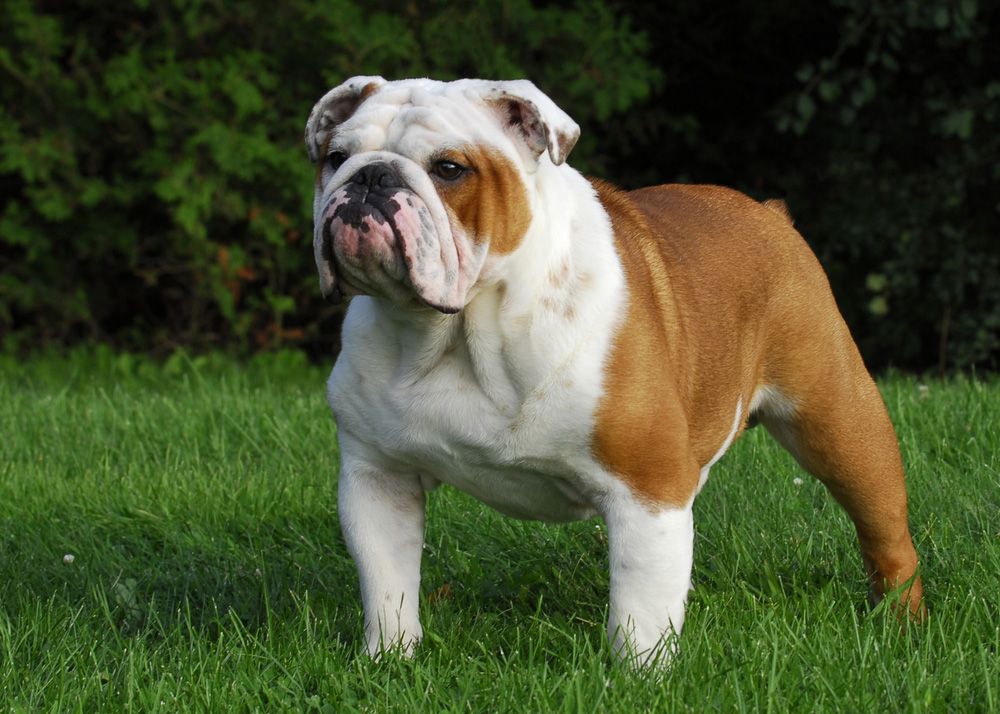
The main reason Bulldogs have trouble breathing is their conformation. This breed is brachycephalic, so they have a very short muzzle, which means that the nasal tissues that would be found in a German Shepherd, for example, are greatly condensed.

The main components of brachycephalic obstructive airway syndrome are often present in conjunction with other conformational changes that can make it difficult for these dogs to breathe, such as:
- Elongated soft palate
- Stenotic nares
- Hypoplastic trachea
- Large tongue
- Laryngeal collapse
- Everted laryngeal saccules
- Thicker nasal turbinates
- Swollen tonsils

The 6 Tips on How to Help a Bulldog Breathe Better
1. Maintain a Healthy Weight
Keeping your dog at their ideal weight is the mainstay of helping them breathe better. Overweight dogs—Bulldogs, in particular—have trouble expanding their lungs due to fat accumulation in the abdomen. Discussing your Bulldog's nutrition goals with a veterinarian is essential. They're also at risk for issues like a hiatal hernia.
2. Put on Dietary Restrictions
If your dog is overweight, a veterinarian can help you determine how much weight they need to lose and how much food they can eat. Your dog might need a prescription weight loss diet like Royal Canin Satiety Support, Hill's Metabolic, or Purina ProPlan Veterinary Diet OM. These diets help prevent nutrient deficiencies, which can occur when you restrict calories with a maintenance food.
As part of dieting, you should especially limit treats, as they're a common source of extra calories. Your dog should be fed less than 10% of their calories as treats each day.

3. Do Daily Careful Exercise
Exercise is helpful for pets exactly like it is for people. It will help burn calories, strengthen your dog's muscles, and build up their endurance. The biggest worry about exercise for Bulldogs is that it must be done carefully. You don't want to overexert your dog and have them develop heat stroke.
4. Make Lifestyle Changes
You may need to change how you interact with your dog to help them breathe better. Avoid high temperatures outside, which can cause your dog more trouble breathing and lead to heat stroke. Try keeping heavy fragrances away from your dog. Cigarette smoking should also be avoided. Use a harness to put less pressure on your dog's throat rather than a collar when you take them for walks.
5. Consider Surgical Options
If your dog is severely affected by brachycephalic obstructive airway syndrome, a veterinarian may recommend surgery to correct its components. However, the vet might be unable to perform the surgery at your regular hospital, so you may have to go to a surgeon. Tools such as a laser and electrocautery can help control bleeding and decrease inflammation.
For stenotic nares surgery, a veterinarian will resect a piece of tissue from each of the nostrils to help open them up. If everted laryngeal saccules are present in your dog's throat, the surgeon may also remove them.
Unfortunately, veterinarians can't surgically correct a narrow trachea or enlarged tongue, but if your Bulldog also has a collapsing trachea, a stent might be placed.

6. Take Medications
A veterinarian will likely prescribe antibiotics if your dog develops a secondary infection like aspiration pneumonia. If your dog coughs regularly, a veterinarian might prescribe other medications, such as:
- Guaifenesin cough tablets
- Cerenia (maropitant), an anti-nausea medication that also benefits the airway
- Opioid cough medications
In some cases, a veterinarian will utilize steroids to decrease inflammation. Some combination medications, like Temaril-P, use a steroid and cough medication together.
Products That May Help Your Bulldog Breathe Better

- A harness is a great tool to help relieve pressure on the throat while they're still on a leash.
- Cooling pads can be utilized for your dog to lie on.
- Set up sprinklers or a pool for your dog to enjoy when it is hot outside.
- Get an orthopedic bed or pillow on which your dog can stretch their neck.
Frequently Asked Questions
When should corrective surgery be performed?
Most veterinarians recommend having your dog's nares enlarged and/or shortening the soft palate between 6 and 12 months of age, when they are being spayed or neutered.
What should you look for after stenotic nares surgery?
You'll want to keep your dog quiet for at least 10 days after surgery. You'll need to limit excitement, which could increase blood pressure and subsequently, bleeding. Some mild bleeding is normal. If your dog develops lethargy, has greenish or yellow nasal discharge, starts coughing, or otherwise looks abnormal, contact a veterinarian for an exam immediately.
Conclusion
Unfortunately, due to genetics, Bulldogs tend to have a combination of respiratory system changes that can make it hard for them to breathe. Work with a veterinarian to develop a treatment plan, including weight loss, medications, and surgery.
Sources
Featured Image Credit: WilleeCole Photography, Shutterstock
Expert dog care, straight to your inbox
News, insights, expert advice, and everything dog.

No spam — unsubscribe anytime.
By signing up, you agree to our Terms & Conditions and Privacy & Cookies Policy.
How useful was this post?
Click a star to rate. You can leave written feedback afterwards. (We read all feedback.)
Dr. Samantha Devine DVM (Veterinarian)
Dr. Samantha Devine is a practicing veterinarian who enjoys caring for animals and sharing her knowledge with pet owners. Preventative care, ranging from nutrition to vaccination, is her specialty and passion!
With over 12 years of veterinary experience, Dr. Devine has extensive knowledge to share about small animal medicine, horses, aquatic species, and even zoo animals. She has also been writing for online pet sites for most of that time.