Can Dogs Have Listerine Strips? Vet-Reviewed Risks & Alternatives


In this article
We've all been on the receiving end of a licky pooch's bad breath at some point, and safe to say, it's not pretty. For some dogs, their smelly breath is so bad that it can clear a room, leading bewildered dog parents to desperately seek relief.
However bad your dog's breath gets, avoid reaching for human products like Listerine strips or mouthwash to freshen things up because these kinds of products are not recommended, may be unsafe, and are not a long-term solution to the problem. Read on to learn more about why it's best to keep your dog away from Listerine strips.

Why Can't Dogs Have Listerine Strips?
Listerine strips are or are not safe for dogs due to some of the ingredients they contain. While scientific research into Listerine Strips hasn’t been done, we can make deductions about the potential risks and their unsuitability for dogs by looking at various factors. These include:
Ingredients
Menthol—which is toxic to dogs—is one of the ingredients in Listerine strips. Other common products that often contain menthol include cough drops, chewing gum, and breath mints. Any product containing menthol could cause gastrointestinal upset because menthol is irritating to a dog's oral and digestive tissues. If your dog has eaten a Listerine strip or something else containing menthol, call your vet immediately for advice.
Other ingredients in Listerine Strips which could be damaging to your dog include:
- Polysorbate 80; this is a surfactant that may cause mild allergic reactions in dogs
- Eucalyptol; oil from the eucalyptus plant that is toxic to dogs. It causes vomiting, diarrhea and weakness.
- Propylene Glycol: Known to be toxic to dogs
Expert Information
We checked out what vets have to say about the issue of bad breath in dogs. Not one of these sources recommends treating bad breath with human products like Listerine strips or mouthwash, so on that basis alone, it's best to stick to only products formulated for dogs.
If you need guidance on keeping your dog's dental hygiene healthy, we suggest you speak to a vet.
Lack of Dog Safety Testing
Listerine strips have been formulated for human use, so are safety tested for humans, not dogs. On that basis, and the fact that they contain ingredients that are toxic to dogs, it's best to avoid them and similar products completely.

Dangers of Feeding Listerine Strips to Dogs
Based on the list of ingredients in Listerine Strips, there are very real dangers of feeding your dog any at all. If your dog manages to eat a Listerine strip, they may experience and display signs like:
- Vomiting
- Diarrhea
- Lethargy
- Abdominal pain
- Nausea
- Depression
- Loss of muscle control
Furthermore, breath-freshening products are not long-term solutions for bad breath in dogs because they do not treat the conditions that may be causing bad breath. If your dog has bad breath, they need to be examined by your vet because dental disease is likely to be the cause. Your vet will examine your dog’s mouth and advise on a treatment plan, which may involve dental cleaning, tooth removal or at home tooth brushing.

Can Dogs Have Breath Mints?
No. Breath mints and sugar-free chewing gum typically contain xylitol, a sugar-free sweetener that's toxic to dogs. In addition, though xylitol isn't an ingredient in Listerine strips specifically, it can be found in various other dental products like mouthwashes, dental floss, toothpaste, and breath fresheners. These products contain varying amounts of xylitol.
Xylitol poisoning can cause a dog's blood sugar to drop rapidly (within 10–30 minutes). Hypoglycemia (low blood sugar) is a dangerous condition that can cause collapse and seizures in extreme situations. If a large amount of xylitol has been consumed, liver failure can occur. Signs to watch out for include being unsteady, seizures, shaking, and weakness. Contact a vet right away if you think your dog may have consumed any amount of xylitol or is showing any of these signs.

How Do I Treat My Dog's Bad Breath?

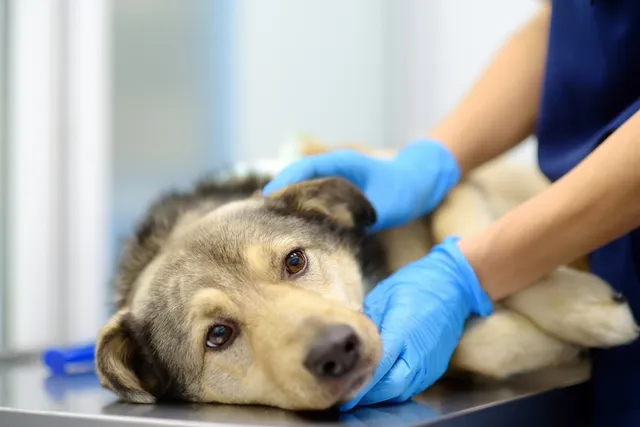
If your dog has foul breath, the first step is to see a vet as they may have a dental condition like periodontal disease or an underlying health condition (nutritional deficiencies, kidney disease, liver disease, etc. can all be causes of bad breath) that requires treatment.
In some cases, bad breath is caused by foreign bodies stuck in the mouth or the consumption of non-food items that occasionally can get lodged between the teeth or in the roof of the mouth. Whatever the cause, your vet will be able to let you know if a dental procedure, special dental diet, or another form of treatment is necessary.
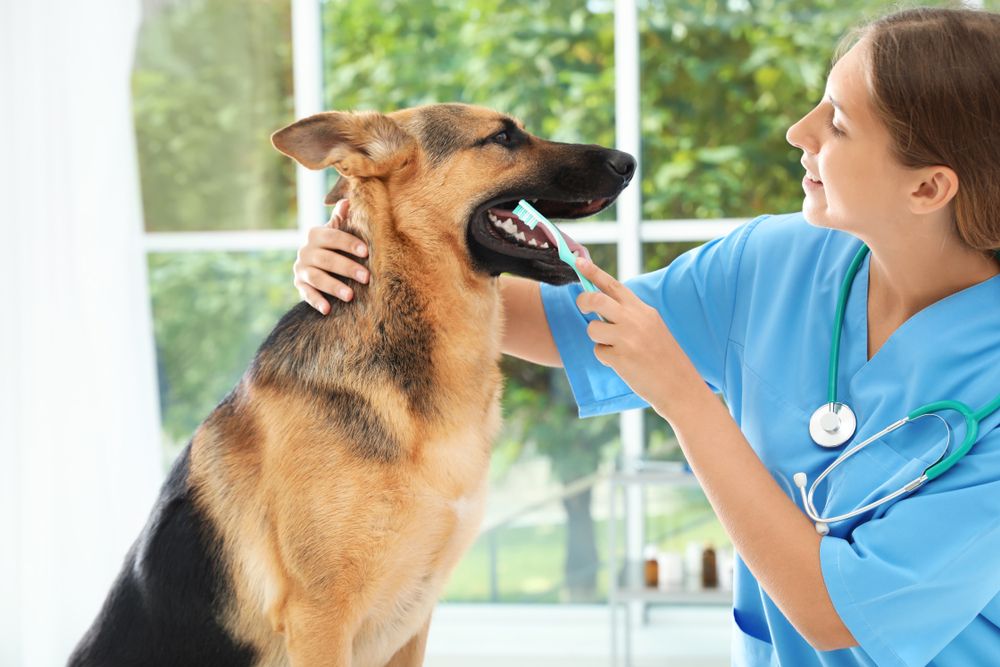
If your dog doesn't have a health issue but you want to prevent bad breath, it's a good idea to brush their teeth daily with a dog-safe toothpaste. This can help prevent plaque and the development of periodontal disease. Dental chews may also help but they are not as good as brushing their teeth.
You can even get mouthwash formulated for dogs, which is added to their water. However, you should never add human mouthwash to your dog's water supply because it may contain ingredients—like xylitol and alcohol—that could make your dog very unwell.

Conclusion
In conclusion, you should not give your dog Listerine strips and instead opt for dog-safe products that have been designed specifically for them. Ideally, you'll want to take your dog for bi-annual health check ups so the vet can get a look at their teeth and make sure they're in good condition.
Sources
https://www.aspca.org/news/xylitol-sweetener-not-so-sweet-pets
https://www.petmd.com/dog/symptoms/bad-breath-dogs-causes-treatment
https://journals.sagepub.com/doi/full/10.1177/10915818211063478
https://www.sciencedirect.com/science/article/abs/pii/S0304401723000699
https://www.aspca.org/pet-care/animal-poison-control/toxic-and-non-toxic-plants/carob
https://www.petmd.com/dog/conditions/systemic/hypoglycemia-dogs
https://www.listerine.com/on-the-go-oral-health/listerine-pocketpaks-cool-mint#ingredients
Featured Image Credit: New Africa, Shutterstock
Expert dog care, straight to your inbox
News, insights, expert advice, and everything dog.

No spam — unsubscribe anytime.
By signing up, you agree to our Terms & Conditions and Privacy & Cookies Policy.
How useful was this post?
Click a star to rate. You can leave written feedback afterwards. (We read all feedback.)
Kit Copson is a freelance writer and lifelong animal lover with a strong interest in animal welfare. She has parented many furry beings over the years and is currently a proud cat mom of two—one very chilled (unless hungry) Siamese and a skittish but adorable Domestic Shorthair—and dog mom of one—an adopted Bichon Poodle cross. When not writing about or spending time with pets, Kit can be found drawing in her sketchpad, reading, or more often than not, drinking tea.